This guide is intended for importers, waterproofing contractors, procurement engineers, and distributors to assist in specifying or procuring asphalt waterproofing materials for roofs, basements, tunnels, bridges, and other structures. The focus is on practical decision-making: which type suits your project, what specifications to confirm, and how to communicate clearly when requesting quotations.
If you are comparing asphalt membranes with polymer systems, or want to understand the suitability of APP membranes versus SBS membranes under different climates, the following content will help you narrow down your choices before contacting suppliers.
What Buyers Typically Mean by Asphalt Waterproofing
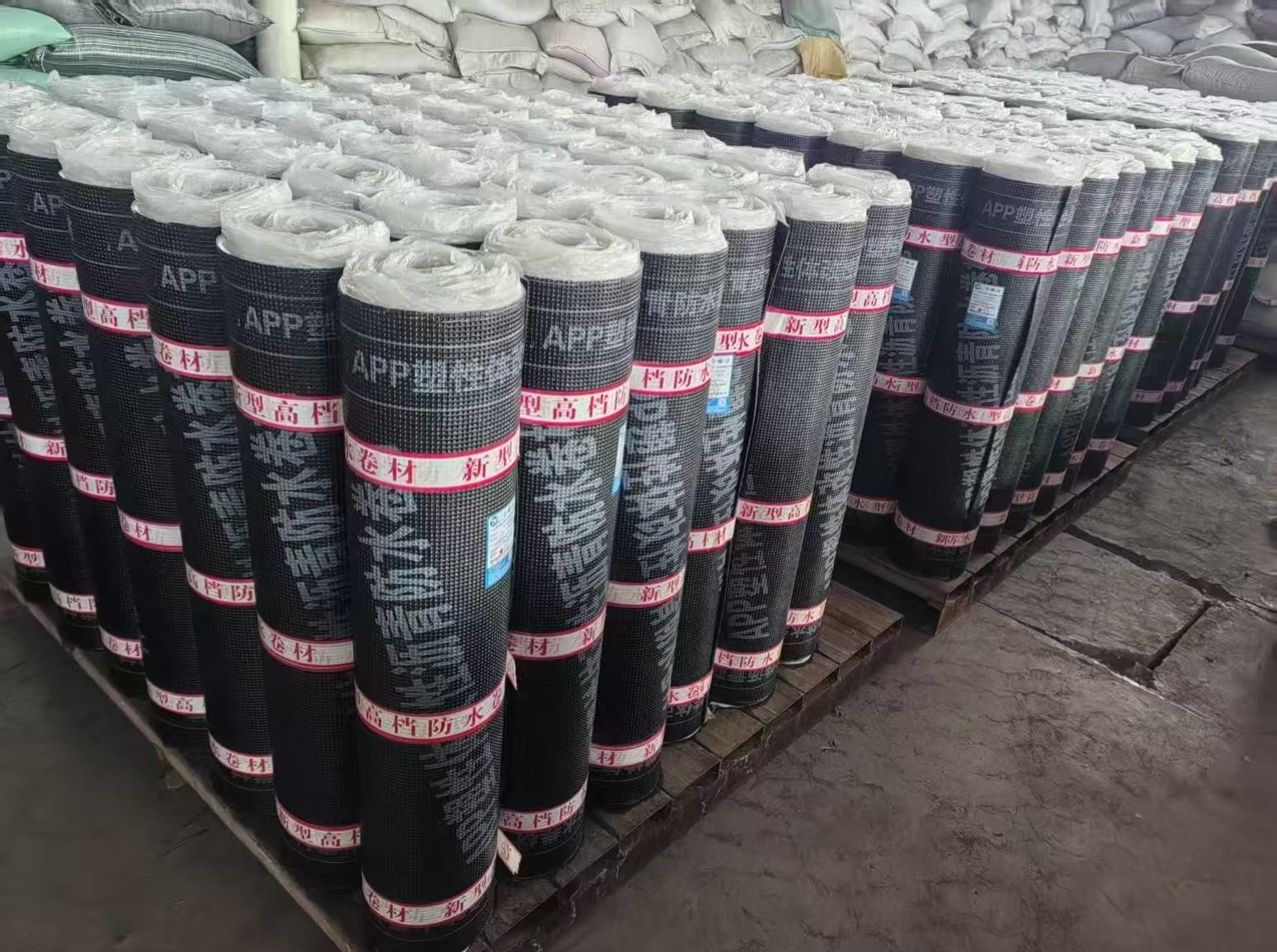
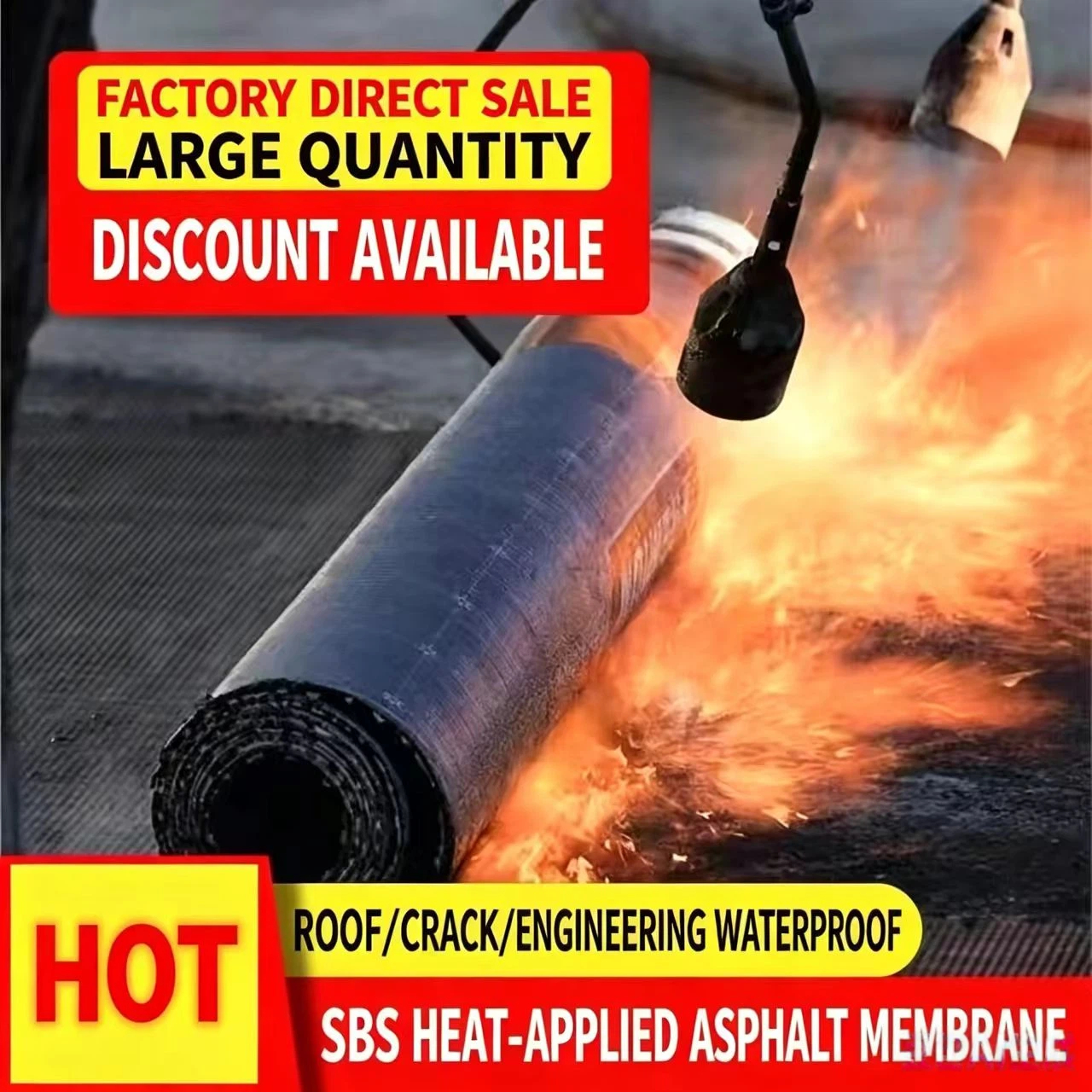
Asphalt waterproofing generally refers to membrane and coating systems based on modified asphalt, where asphalt is modified with polymers such as APP or SBS to enhance flexibility, heat resistance, or low-temperature performance. When buyers search for this keyword, they are usually choosing between torch-applied asphalt membranes, self-adhesive membranes, or asphalt-based liquid coatings.
There are typically three buyer intents behind the keyword: to confirm whether asphalt systems suit specific substrates and climates, to compare them with alternatives like PVC, TPO, or EPDM membranes, and to gather technical details for accurate quotation requests. This article covers all three aspects but does not endorse any single product as universally best, since the correct choice depends on project conditions.
Common Application Scenarios
Asphalt systems are widely used in civil construction and infrastructure, with typical scenarios including:
- Building Roofs: Waterproofing for exposed or covered roofs, commonly using APP or SBS modified asphalt membranes.
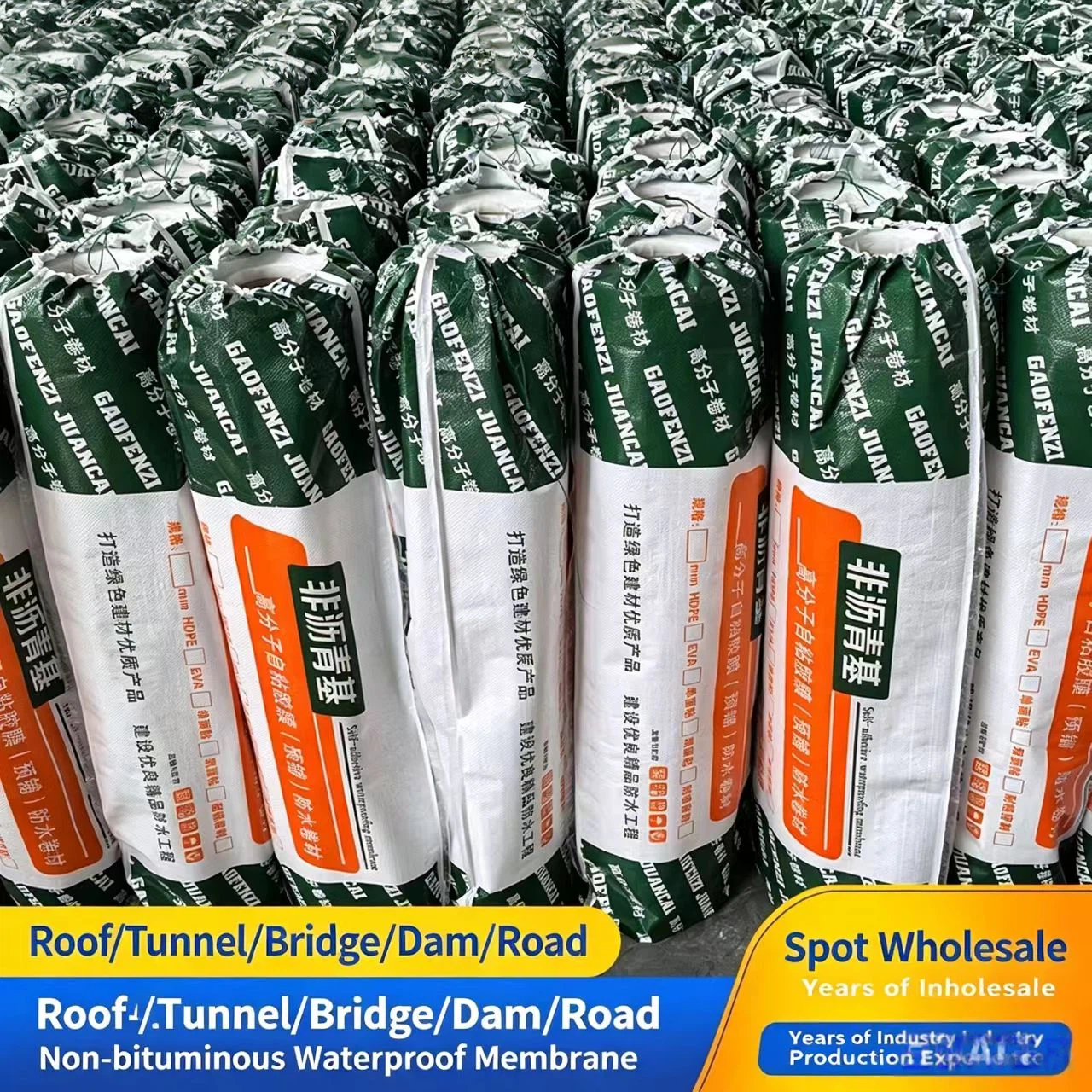
- Basement Waterproofing: Floors and sidewalls, sometimes employing pre-applied self-adhesive membranes laid on blinding concrete.
- Tunnels and Bridges: Structural decks and underground sections, where durability and seam quality are especially critical.
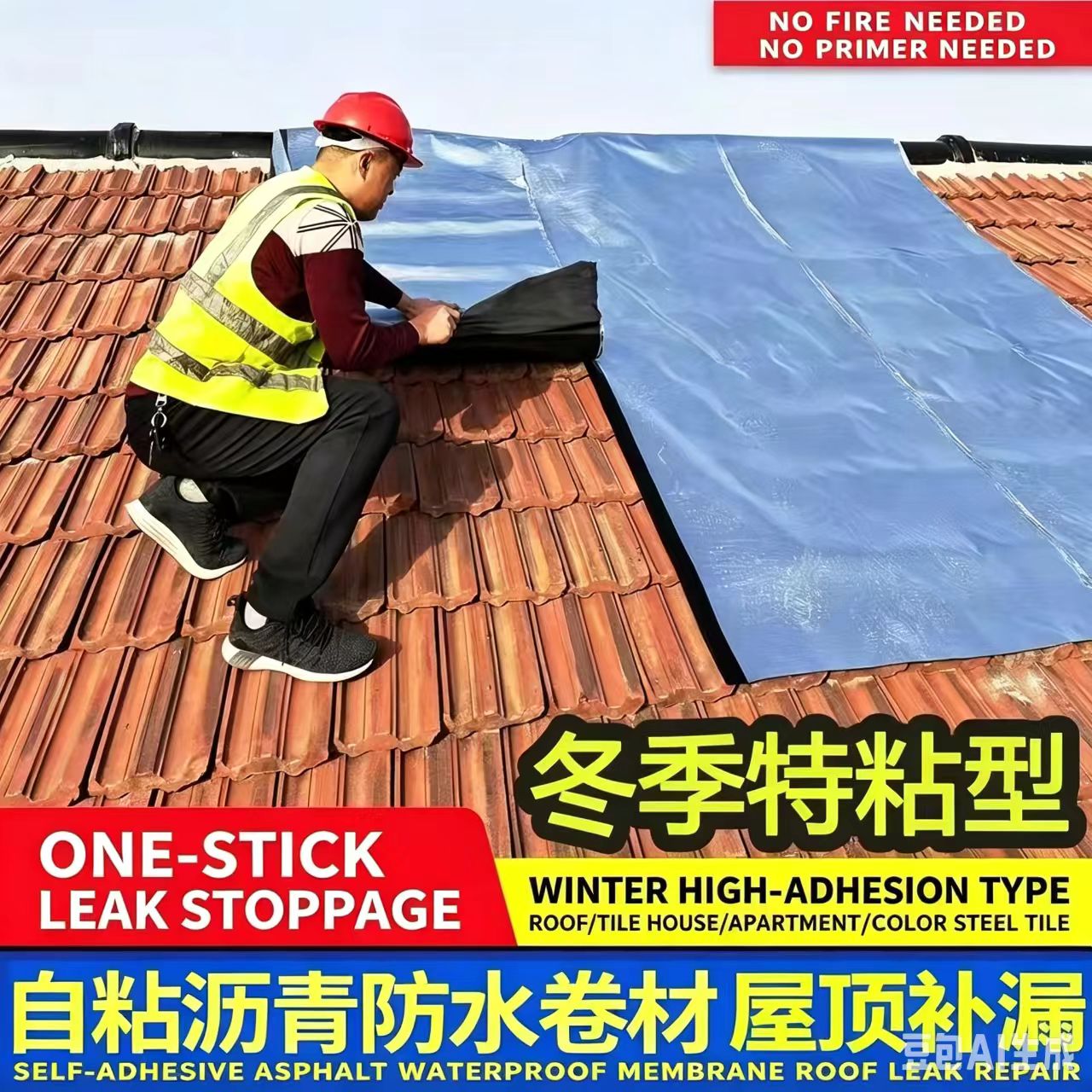
- Metal and Color Steel Roofs: New construction and renovation, often selecting self-adhesive membranes designed specifically for metal substrates.
- Repairs and Detail Sealing: Cracks, pipe penetrations, and overlaps, using butyl tapes or uncured rubberized asphalt coatings in conjunction with membranes.
Within the same project, large areas can be covered with membranes, while details are reinforced with liquid coatings.
Buyer Decision Table
| Project Condition | Material Options | Pre-Quotation Confirmation | Remarks |
|---|---|---|---|
| High temperature or hot regions, exposed roofs | APP modified asphalt membranes | Thickness, surface treatment, membrane specifications, exposure status | APP is often chosen for heat resistance; confirm with local climate. |
| Cold region roofs or underground | SBS modified asphalt membranes | Thickness, low-temperature flexibility requirements, exposure or coverage | SBS is commonly selected for low-temperature flexibility; verify specifications. |
| No open flame allowed on site | Self-adhesive modified asphalt membranes | Substrate, primer requirements, application temperature | Suitable for occupied buildings and renovation projects. |
| Basement floors and walls, pre-applied method | Pre-applied self-adhesive membranes | Application process, substrate, bonding direction | Designed to adhere to concrete; confirm installation sequence. |
| Color steel/metal roof repairs | Self-adhesive membranes for metal sheets | Roof condition, overlaps, slope | Products must match metal substrates; use tapes for local joints. |
| Detail sealing membrane systems | Uncured rubberized asphalt coatings | Compatibility with selected membranes | Used for reinforcement, not as standalone roofing systems. |
How to Choose Specifications
Once the system type is determined, specification details affect pricing and onsite performance. Please confirm the following as relevant:
- Thickness: Membranes come in various thicknesses; the correct thickness depends on substrate, exposure, and local regulations.
- Roll Width and Length: Affect coverage, waste, and installation efficiency; confirm installer preferences.
- Surface Treatment: Mineral granule, sand surface, or film surface relates to whether the membrane is exposed.
- Reinforcement Layer: The carrier type inside the membrane influences handling and tensile properties; confirm requirements with engineers.
- Application Method: Torch-applied, hot-melt, or self-adhesive impacts site safety and labour time.
- Packaging and Quantity: Number of rolls per pallet, total area, and container loading must match order volume.
- Destination Port: Facilitates transport arrangements and accurate delivery planning.
For coatings, confirm whether single-component or two-component, substrate compatibility, and whether used in conjunction with membranes for full coverage.
Questions to Prepare Before Inquiry
- Structure type: roof, basement, tunnel, bridge, or metal roof?
- Is the surface exposed to sunlight or covered by screed, soil, or blinding layer?
- Project climate: hot, cold, or mixed?
- Is open flame torching allowed onsite?
- Local design requirements for thickness or specifications?
- Total area and quantity needed?
- Packaging preferences and destination port?
- Are local standards or approvals required?
Providing this information enables suppliers to recommend suitable products and avoids repeated basic queries.
Common Mistakes and Selection Risks
Frequent issues in asphalt waterproofing projects include:
- Choosing materials based solely on price: Too thin or unsuitable membranes may not match substrate or exposure conditions, causing early failure.
- Ignoring climate factors: Selecting heat- or cold-resistant modifiers without verifying site temperature ranges.
- Overlooking application regulations: Specifying torch-applied membranes where open flame is prohibited, or neglecting primer requirements.
- Insufficient detail treatment: Pipe penetrations, corners, and overlaps prone to leaks without planned reinforcement materials.
- Assuming compatibility: Confirm compatibility before combining coatings and membranes from different systems.
Most risks can be avoided by early confirmation of substrate, climate, exposure, and application methods.
Obtaining Product Selection Support
Asphalt waterproofing encompasses various membranes and coatings; correct selection depends on structure, climate, and application method. If you provide project conditions and target quantities, our team can assist in matching suitable specifications and preparing packaging and transport plans. Please have answers to the above questions ready when contacting us to facilitate accurate quotations.