This guide is written for importers, waterproofing contractors, procurement engineers, and distributors who are sourcing a bitumen waterproofing membrane for roofing, basement, or infrastructure work. It focuses on the decisions you actually face during a purchase: which type suits your project, what to confirm before you ask for a quotation, and where buyers often make costly mistakes.
If you are comparing membrane types or preparing a specification sheet for a tender, the sections below explain how thickness, reinforcement, surface finish, and installation method affect both price and long-term performance. Nothing here should replace your local specification or a project engineer's review.
Understanding the buyer intent behind "bitumen waterproofing membrane"
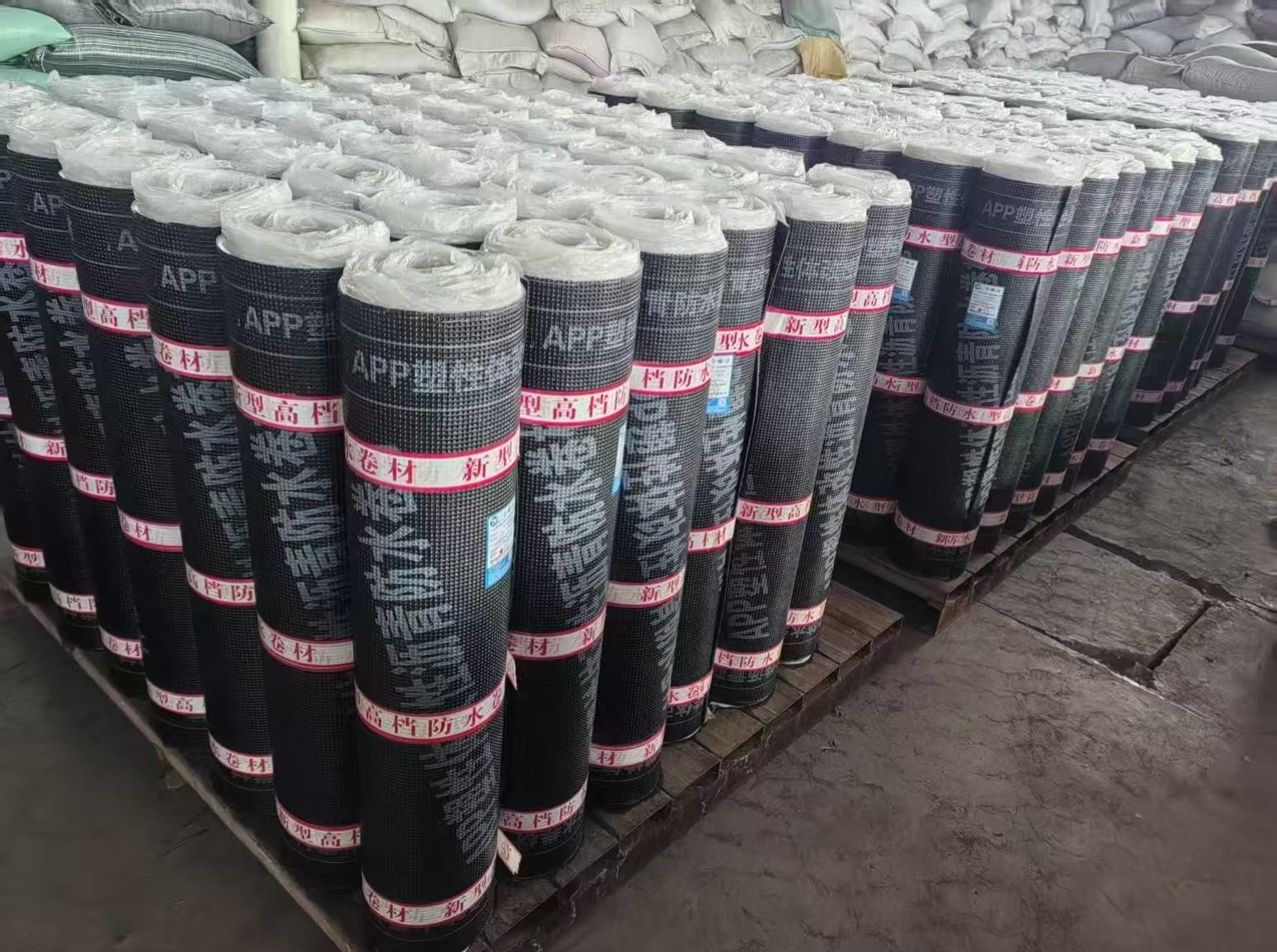
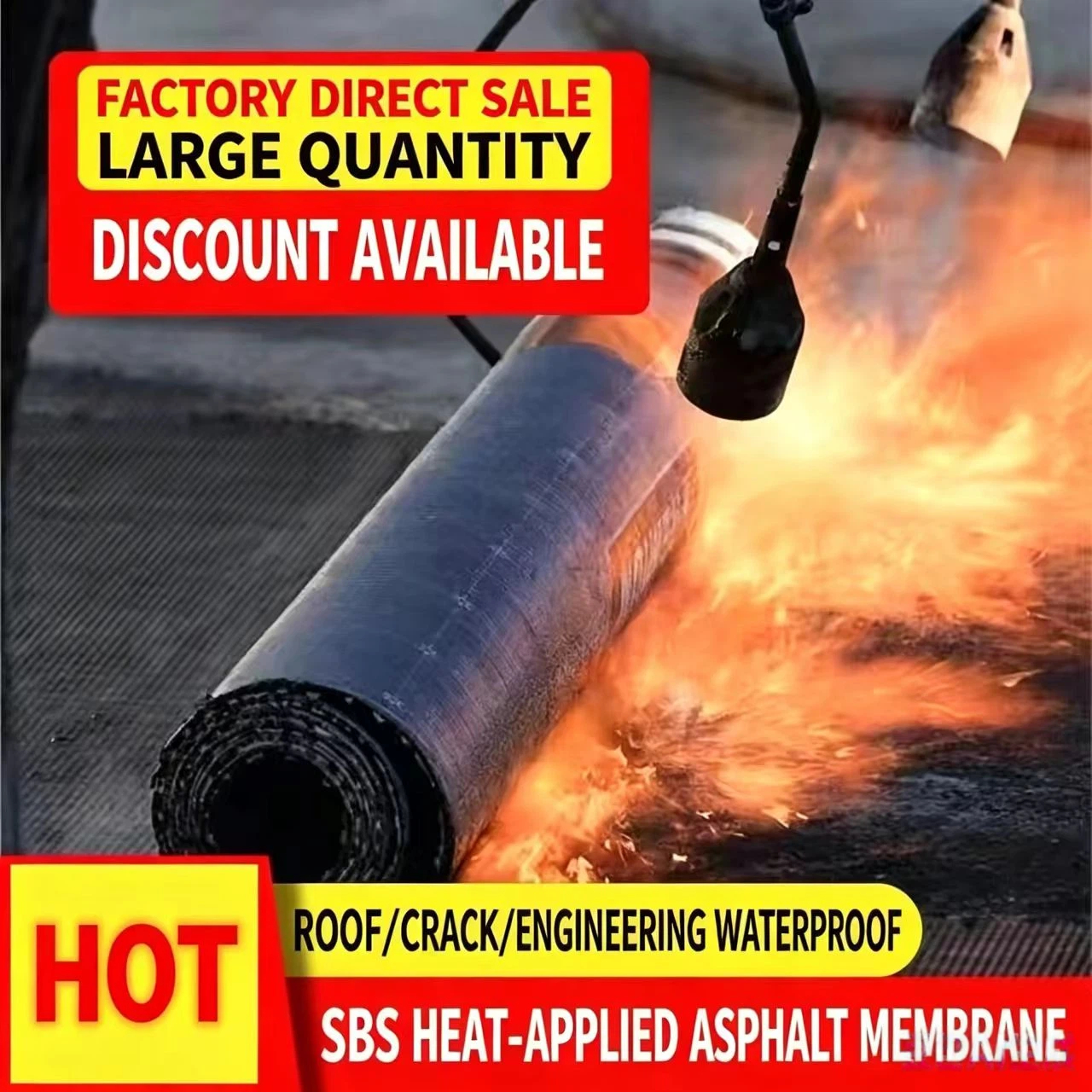
When buyers search for a bitumen waterproofing membrane, they usually mean a bituminous sheet product used to seal roofs, foundations, and buried structures against water. In practice the term covers several families: torch-applied SBS or APP membranes, self-adhesive membranes, and pre-applied types for underground work. Each serves a different substrate, climate, and installation condition.
Some buyers want a general-purpose exposed roof membrane. Others need a cold-region product with good low-temperature flexibility, or a self-adhesive membrane where open-flame torching is not allowed. Clarifying which problem you are solving is the first step, because the same keyword can lead to very different SKUs.
Common application scenarios
A bitumen membrane is chosen differently depending on where it goes and how it is installed.
- Exposed and covered roofs: SBS or APP modified bitumen membrane is common. Hot climates often favour APP for heat resistance; cold climates often favour SBS for flexibility.
- Basements and foundations: Self-adhesive or pre-applied anti-adhesive membranes are used on floors and side walls, sometimes combined with a coating for joints.
- Tunnels, bridges, and municipal infrastructure: Reinforced bitumen membranes are specified where mechanical durability and detailing matter.
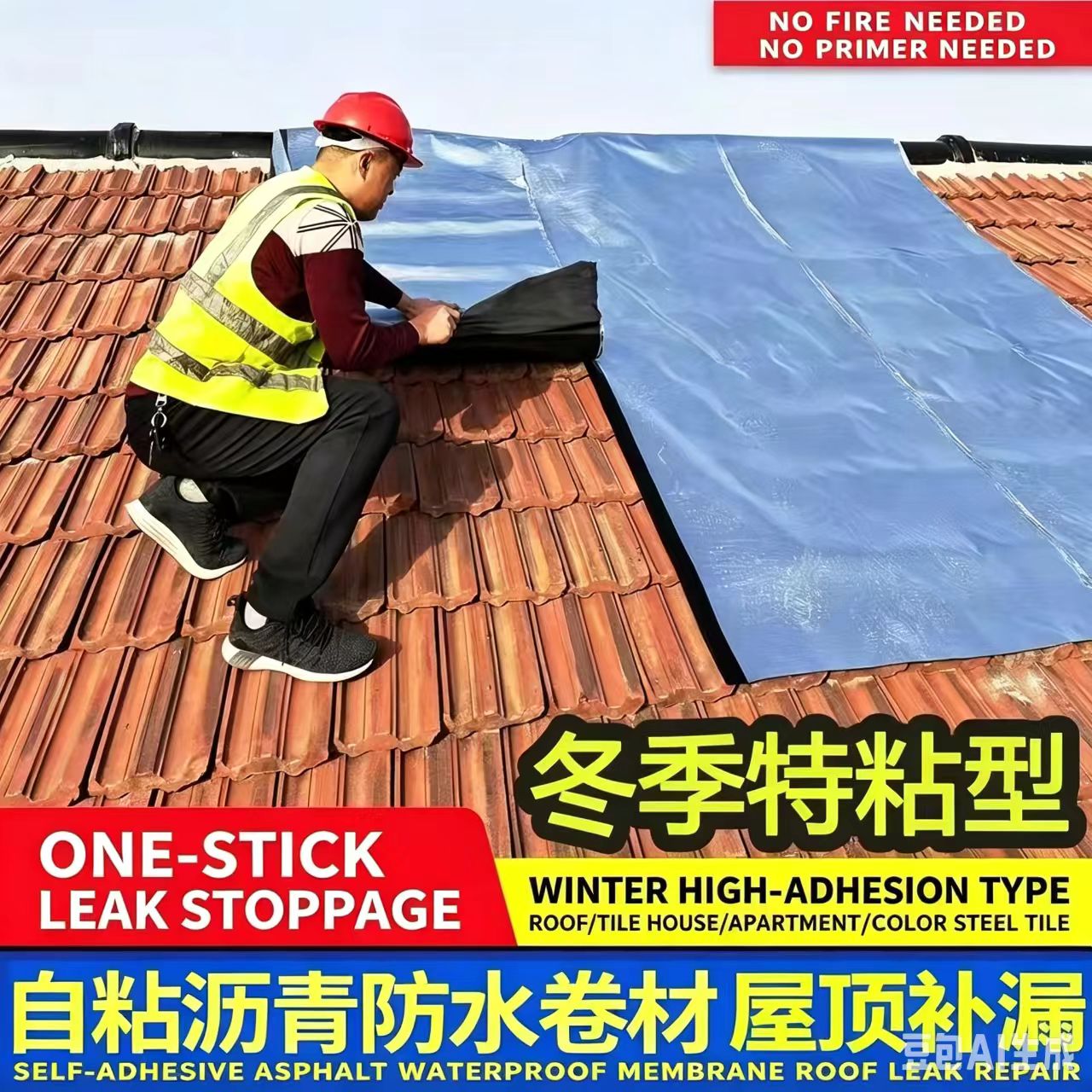
- Metal and colour steel roofs: Polymer self-adhesive membranes and butyl tape are used for overlaps, seams, and repair work.
- Repair and renovation: Self-adhesive membrane or a non-curing rubber asphalt coating is used where torching is impractical or unsafe.
Buyer decision table
| Project condition | Material option | What to confirm before inquiry | Notes |
|---|---|---|---|
| Exposed roof, hot climate | APP modified bitumen membrane | Thickness, surface finish (mineral/sand/film), UV exposure | Confirm whether the roof stays exposed or gets covered |
| Roof in cold region | SBS modified bitumen membrane | Low-temperature flexibility requirement, thickness | Flexibility behaviour depends on the specific product |
| Basement floor and walls | Pre-applied anti-adhesive self-adhesive membrane | Substrate condition, groundwater level, detailing plan | Pre-applied systems require correct sequencing |
| Occupied building / no open flame | Self-adhesive modified bitumen membrane | Substrate primer, ambient temperature at install | Reduces fire risk during application |
| Metal / colour steel roof repair | Polymer self-adhesive membrane or butyl tape | Overlap width, seam locations, surface cleaning | Local detailing often matters more than sheet choice |
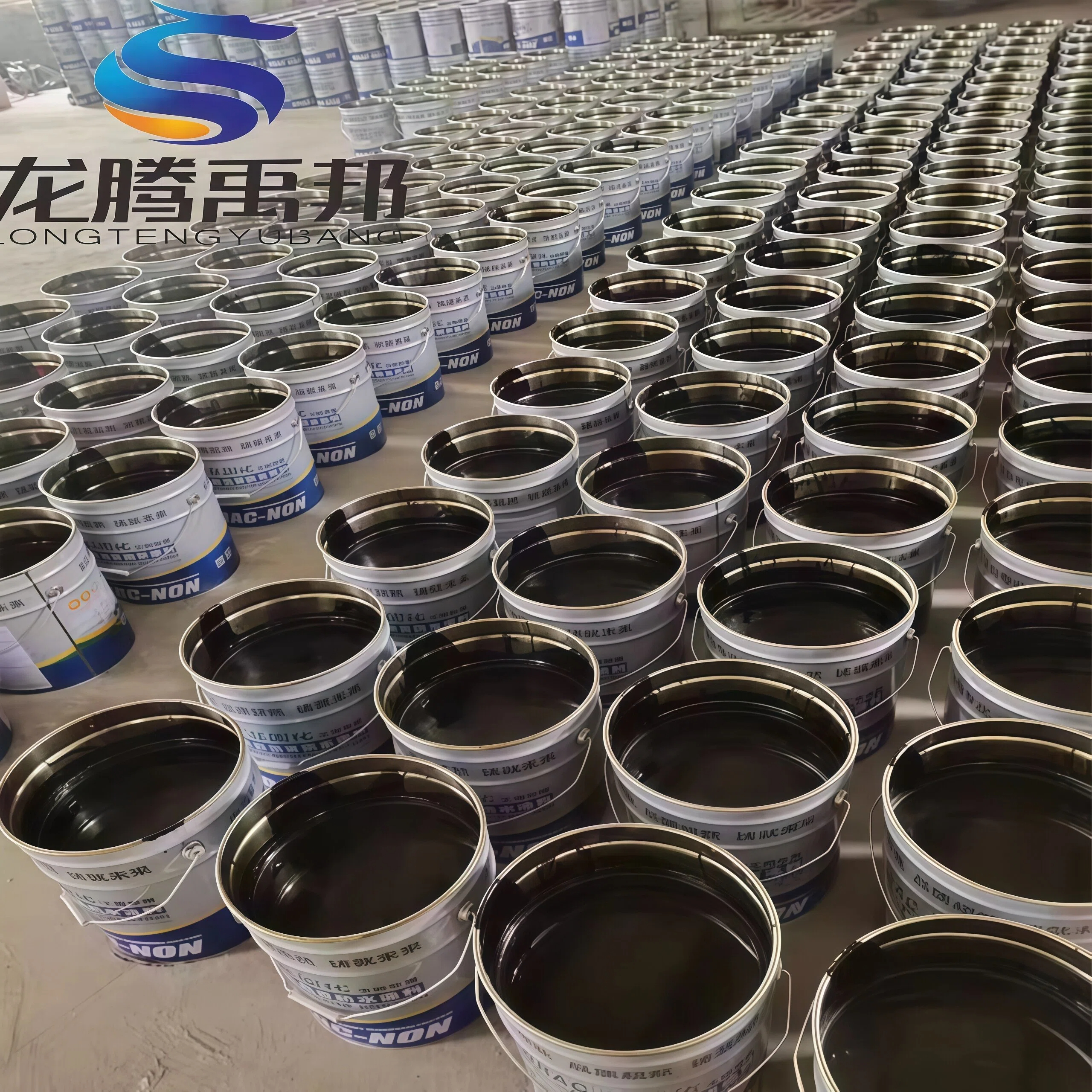
| Joint sealing and reinforcement | Non-curing rubber asphalt coating | Compatibility with the chosen membrane | Usually paired with a sheet membrane, not standalone |
How to choose specifications
Once the membrane family is decided, the specification details drive both price and installation success. Confirm the following with your engineer and the manufacturer:
- Thickness: Common bitumen membranes come in several thicknesses. The correct value depends on your local specification and the exposure of the surface.
- Reinforcement / carrier: Polyester and fibreglass carriers behave differently. Confirm which the project requires.
- Surface finish: Options include mineral granule, sand, or film surfaces, chosen by whether the membrane is exposed and by the top layer above it.
- Roll width and length: Affects coverage, waste, and handling on site.
- Installation method: Torch-applied, self-adhesive, or pre-applied. This must match site safety rules and crew capability.
- Packing: Confirm rolls per pallet, pallet dimensions, and container loading so you can plan freight.
- Quantity and destination port: Total area, buffer for overlaps and detailing, and the destination port all affect your final quotation and lead time.
Where any of these depend on your climate or substrate, treat the manufacturer's recommendation as a starting point and validate against your project drawings.
Questions to prepare before requesting a quotation
- What is the application: roof, basement, tunnel, bridge, or metal roof?
- Will the membrane be exposed or covered by another layer?
- What is the installation method allowed on site (torch, self-adhesive, pre-applied)?
- What thickness and reinforcement does your specification require?
- What surface finish do you need, and in what colour if relevant?
- What is the total area, plus your overlap and detailing allowance?
- What is your destination port and required delivery window?
- Do you need a compatible coating or tape for joints and penetrations?
Common mistakes and selection risks
A few recurring issues cause claims and delays on bitumen membrane orders:
- Choosing by price alone: A thinner or under-reinforced membrane may cost less per roll but not match the specification.
- Ignoring climate behaviour: Selecting a product without checking heat or low-temperature suitability for the destination.
- Mismatched installation method: Ordering torch-applied membrane for a site where open flame is restricted.
- Skipping detailing materials: Corners, laps, and pipe penetrations often fail first; plan tape or coating for these areas.
- Incomplete inquiry data: Sending an inquiry without area, thickness, or destination port leads to slow, inaccurate quotes.
Getting the right product selected
The best bitumen waterproofing membrane for your job depends on substrate, climate, exposure, and how it will be installed. If you share your application, required thickness, installation method, quantity, and destination port, our team can help match a suitable product and confirm packing and specifications before you commit. Reach out with your project details and we will guide the selection.