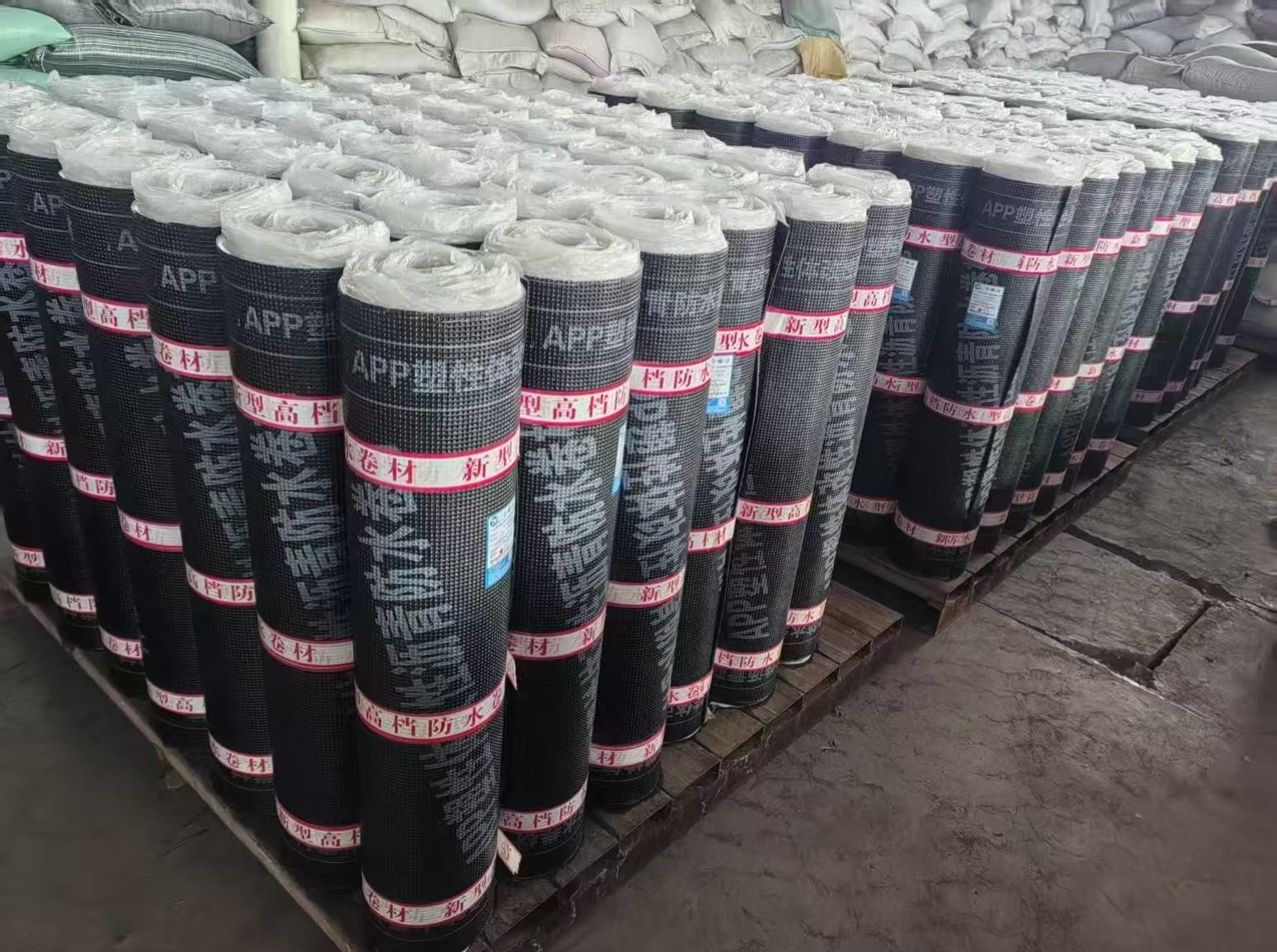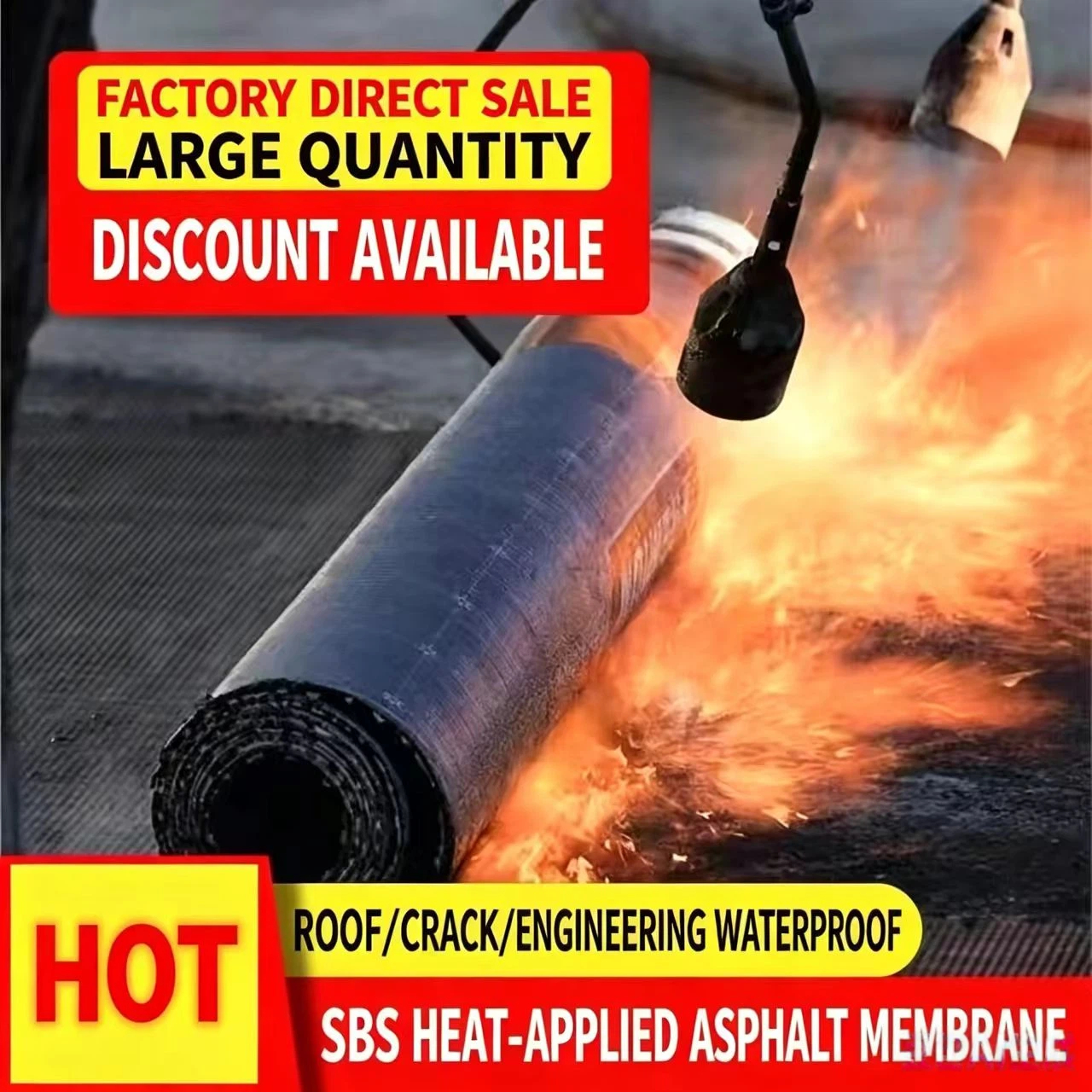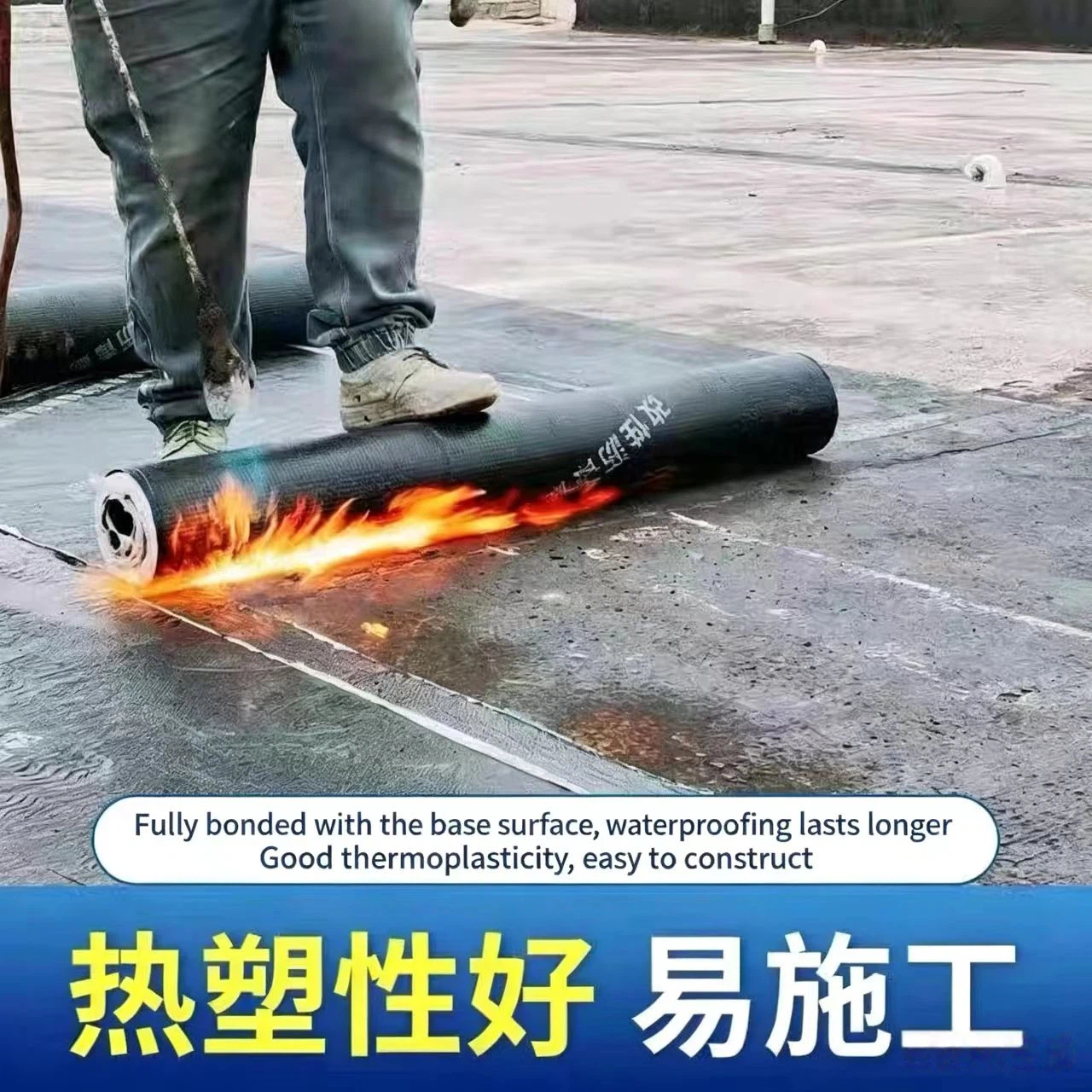
This guide is written for importers, waterproofing contractors, procurement engineers, and distributors who need to source a bituminous membrane for roofing, basement, tunnel, or bridge projects. It focuses on the decisions you actually make before sending an inquiry, not on marketing claims.
If you are comparing SBS membrane, APP membrane, or self-adhesive membrane options and are unsure which type fits your climate, substrate, and installation method, the sections below will help you narrow the choice and prepare a clear request for quotation.
Understanding the buyer intent behind "bituminous membrane"
The term bituminous membrane covers a family of bitumen-based waterproof membrane products. Buyers searching this keyword usually want one of three things: to identify the right membrane type for a specific project, to compare it against alternatives such as PVC, TPO, or EPDM membrane, or to prepare a purchase for a defined quantity and destination port.
Because "bituminous membrane" is broad, the correct product depends on details you must confirm: is the surface exposed or covered, is the climate hot or cold, and will the crew torch-apply, self-adhere, or use a pre-applied method? A good supplier will ask these questions before quoting, and so should you.
Common application scenarios
Bitumen membrane is used across many parts of civil construction and infrastructure. Typical scenarios include:
- Roofing waterproofing: flat concrete roofs, both exposed and protected. SBS-modified types are often chosen for cold regions, while APP-modified types are commonly used in hot climates.
- Basement waterproofing: floors and side walls, where torch-applied or pre-applied anti-adhesive self-adhesive membranes may be used depending on the construction sequence.
- Tunnels and bridges: structural decks and underground works where durability and joint sealing matter.
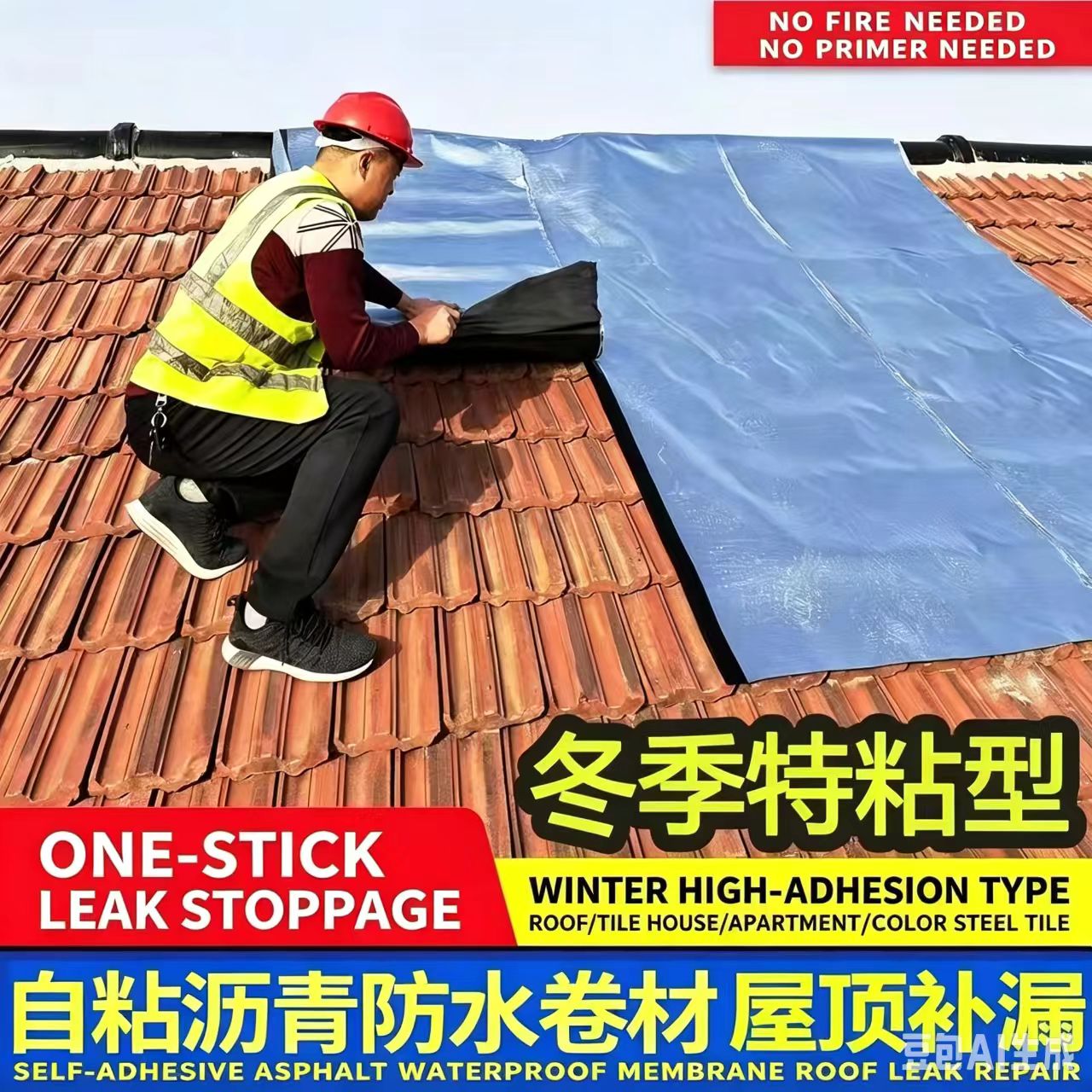
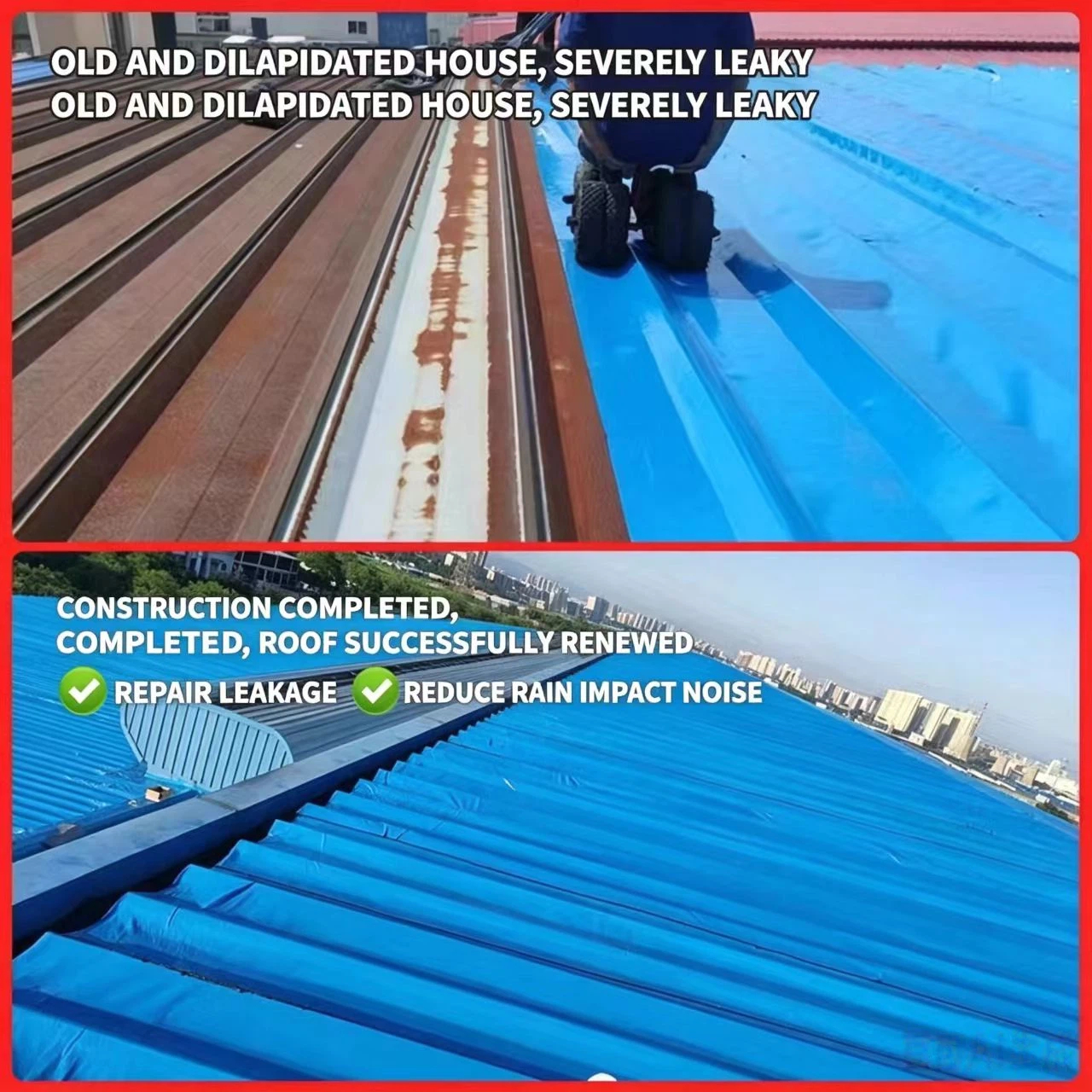
- Metal and colour steel roofs: repair and new build, where self-adhesive membranes designed for metal substrates are usually more suitable than torch-applied sheets.
- Repair work: localised sealing at cracks, laps, and pipe openings, often combined with a butyl tape or non-curing coating.
The same project may combine a sheet membrane with a coating for detailing. The final combination should be confirmed against the specification and substrate.
Buyer decision table
| Project condition | Material option | What to confirm before inquiry | Notes |
|---|---|---|---|
| Exposed roof in hot climate | APP-type modified bitumen membrane | Thickness, surface finish, UV exposure, application method | Confirm whether a mineral or reflective finish is required |
| Roof or structure in cold climate | SBS modified bitumen membrane | Low-temperature flexibility need, thickness, exposed or covered | Torch application usually required; confirm crew capability |
| Basement floor and walls | Self-adhesive or pre-applied anti-adhesive membrane | Construction sequence, substrate condition, bonding method | Pre-applied types suit cast-against-concrete works |
| Metal / colour steel roof | Self-adhesive membrane for metal substrates | Old or new roof, overlap detailing, temperature range | Torch application is generally not suitable on metal |
| No open flame allowed | Self-adhesive modified bitumen membrane | Site fire restrictions, primer requirement, ambient temperature | Useful for renovation and enclosed areas |
How to choose specifications
Once the membrane type is clear, specification details determine the actual quotation. Confirm the following where relevant to your project:
- Thickness: commonly specified in millimetres; the required value depends on the local specification and layer design.
- Roll width and length: affects coverage per roll, overlap waste, and packing volume.
- Surface finish: such as sand, film, or mineral surfacing, chosen by whether the membrane is exposed or covered.
- Reinforcement/carrier: polyester or fibreglass carriers behave differently for elongation and dimensional stability.
- Installation method: torch-applied, self-adhesive, or pre-applied, which must match crew skills and site rules.
- Packing: rolls per pallet, pallet dimensions, and container loading affect freight cost.
- Quantity and destination port: needed for accurate pricing, lead time, and shipping arrangement.
These variables should be finalised with the supplier based on your drawings and site conditions rather than assumed.
Questions to prepare before requesting a quotation
- What is the application area (roof, basement, tunnel, metal roof, repair)?
- Is the surface exposed to sunlight or covered by screed, insulation, or soil?
- What is the local climate range, especially peak summer and winter temperatures?
- Which installation method will the crew use on site?
- What thickness and surface finish does your specification require?
- What total quantity and destination port should the quote cover?
- Do you need matching accessories such as primer, sealing tape, or a detailing coating?
Common mistakes and selection risks
Several avoidable issues appear during procurement and application:
- Choosing by price alone: a thinner or mismatched membrane may not suit the substrate or climate, leading to rework.
- Ignoring the application method: ordering torch-applied membrane for a metal roof or a no-flame site is a frequent error.
- Overlooking detailing: corners, penetrations, and laps often need a compatible tape or coating that should be ordered together.
- Skipping substrate checks: adhesion depends on a clean, sound, and properly primed surface.
- Assuming compliance: specification, thickness, and any required standards should be confirmed in writing for your market.
Get product selection support
If you are not sure which bituminous membrane matches your project, share your application, climate, substrate, installation method, thickness, quantity, and destination port. With those details, our team can help you compare suitable options and prepare a clear quotation. The goal is to match the membrane to your conditions, not to push a single product.