This guide is written for importers, waterproofing contractors, procurement engineers, and distributors who need to source a bituminous waterproofing coating for roofing, basement, or repair projects. If you are comparing coating options against membrane systems, or trying to specify the right product for a tender or a repeat purchase, the notes below are meant to help you make a clearer decision before you send an inquiry.
Bituminous coatings sit within a wider family of asphalt-based waterproofing products. They are often used on their own for smaller works and joint sealing, or in combination with a bitumen membrane in larger roofing waterproofing and basement waterproofing systems. Knowing which role your project needs is the first step.
Understanding the buyer intent behind "bituminous waterproofing coating"
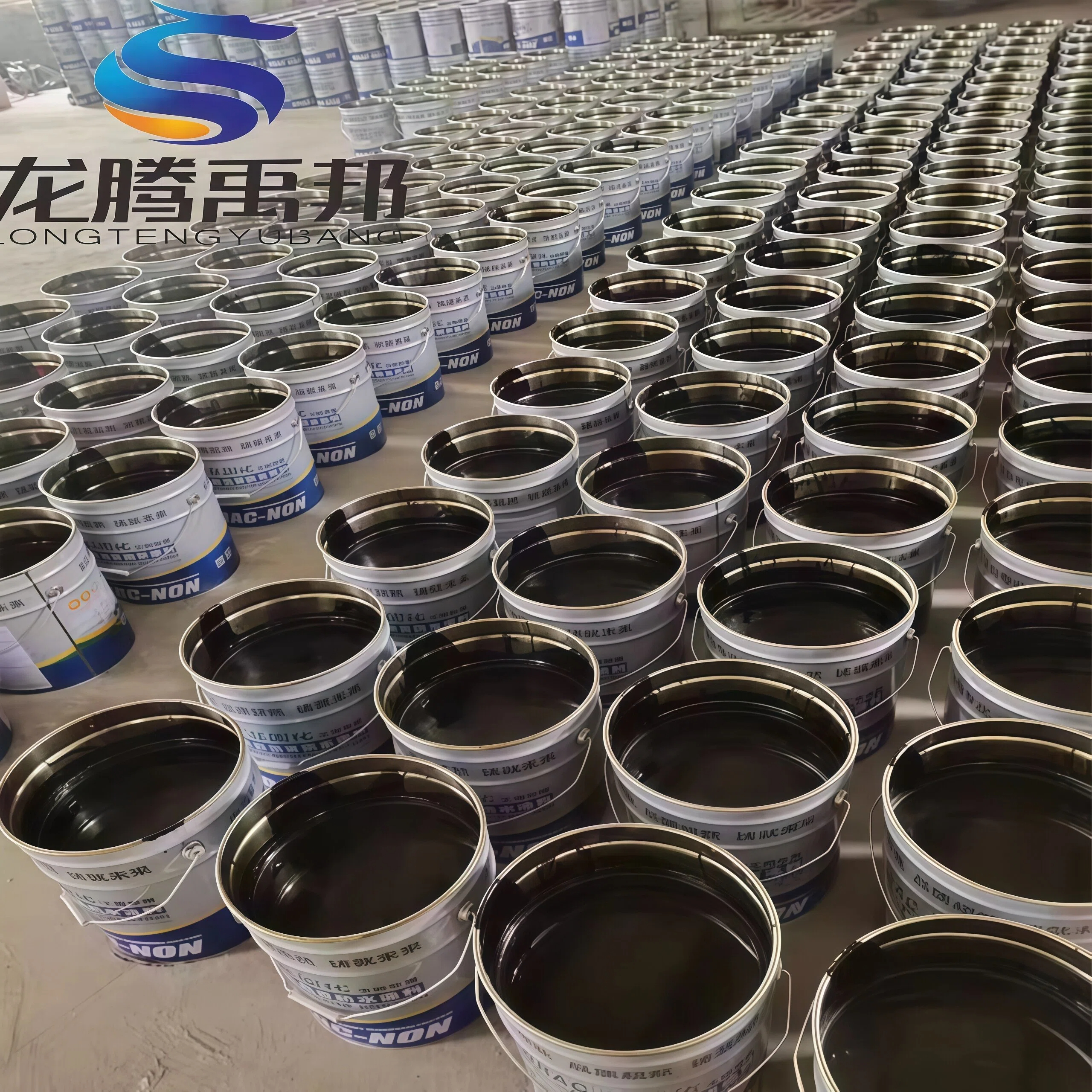
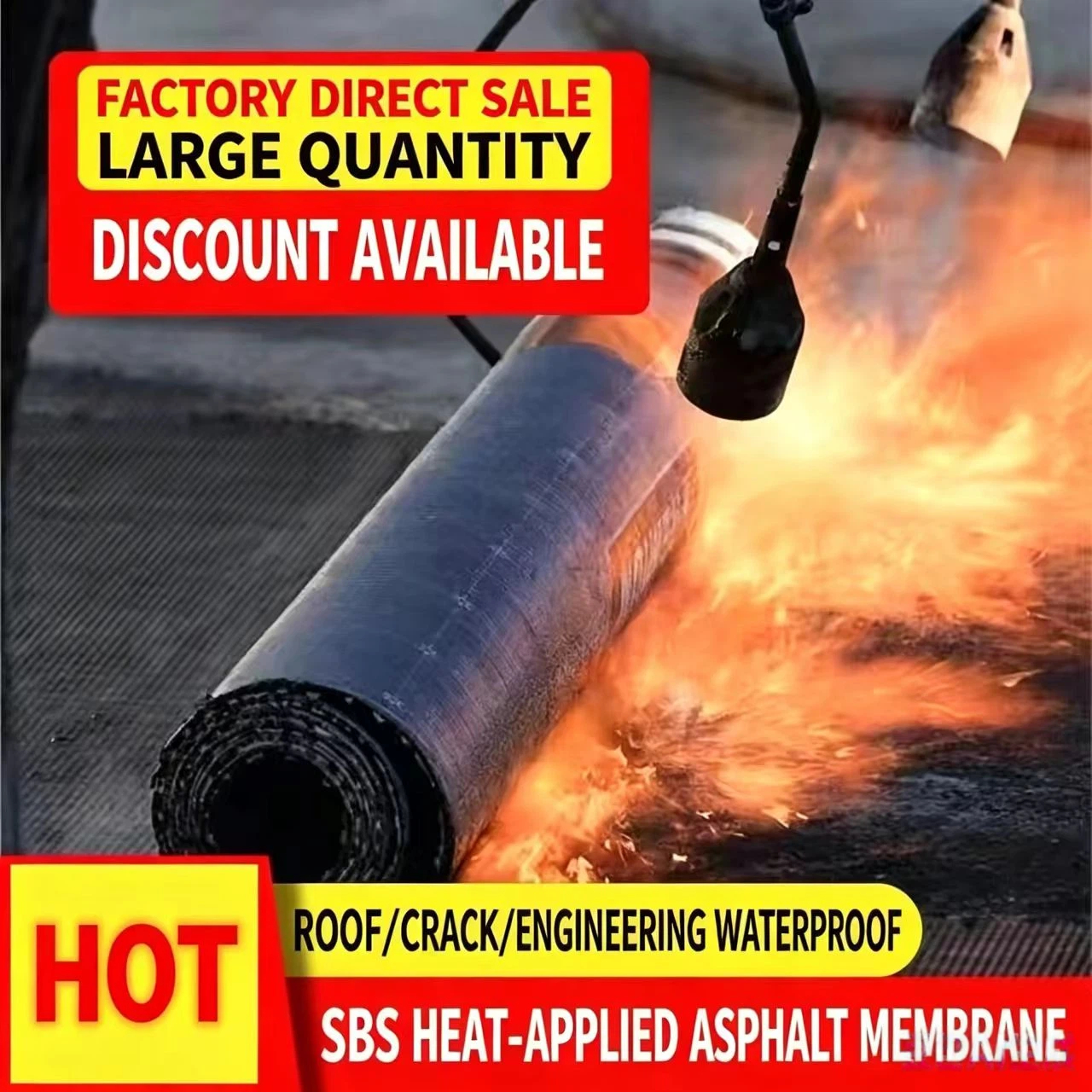
When buyers search for a bituminous waterproofing coating, they usually have one of a few goals. Some need a liquid-applied product to coat irregular structures and detail areas where a rolled membrane is hard to install. Others want a reinforcement or sealing layer to pair with an SBS or APP membrane. A third group is looking for a repair material for ageing roofs, cracks, and pipe penetrations.
The term itself is broad. It can point to a non-curing rubber asphalt coating used for joint sealing, or to other asphalt-based liquid systems. Because of this, the most useful thing you can share in an inquiry is the intended function: full-surface waterproofing, detail reinforcement, or ongoing maintenance. That single detail changes the recommended product, thickness, and packing.
Common application scenarios
Bituminous coatings are chosen for their ability to form a continuous film over complex shapes. Typical uses include:
- Roofing waterproofing: coating flat or low-slope concrete roofs, and sealing details around parapets, drains, and vents.
- Basement waterproofing: treating foundation walls and floors, often as part of a system with a self-adhesive membrane or a pre-applied membrane.
- Tunnels and bridges: reinforcing deck joints and transitions where movement and water pressure are concerns.
- Repair and renovation: re-coating aged bitumen membrane surfaces and sealing localised leaks.
- Joint and penetration sealing: using a non-curing rubber asphalt coating together with a membrane to protect vulnerable seams.
The right choice depends heavily on whether the surface will be exposed, whether it faces positive or negative water pressure, and the climate at the destination.
Buyer decision table
| Project condition | Material option | What to confirm before inquiry | Notes |
|---|---|---|---|
| Concrete roof, exposed, large area | Bitumen membrane (SBS or APP) with coating at details | Roof slope, exposure, climate zone, area in m² | Coating alone may not be enough for large exposed areas; a membrane system is common. |
| Basement wall and floor | Coating with self-adhesive or pre-applied membrane | Positive/negative side, water table, substrate condition | Confirm whether waterproofing is applied before or after concrete casting. |
| Joints, seams, pipe penetrations | Non-curing rubber asphalt coating | Joint width, movement, membrane type used with it | Often used as a companion layer, not a standalone finish. |
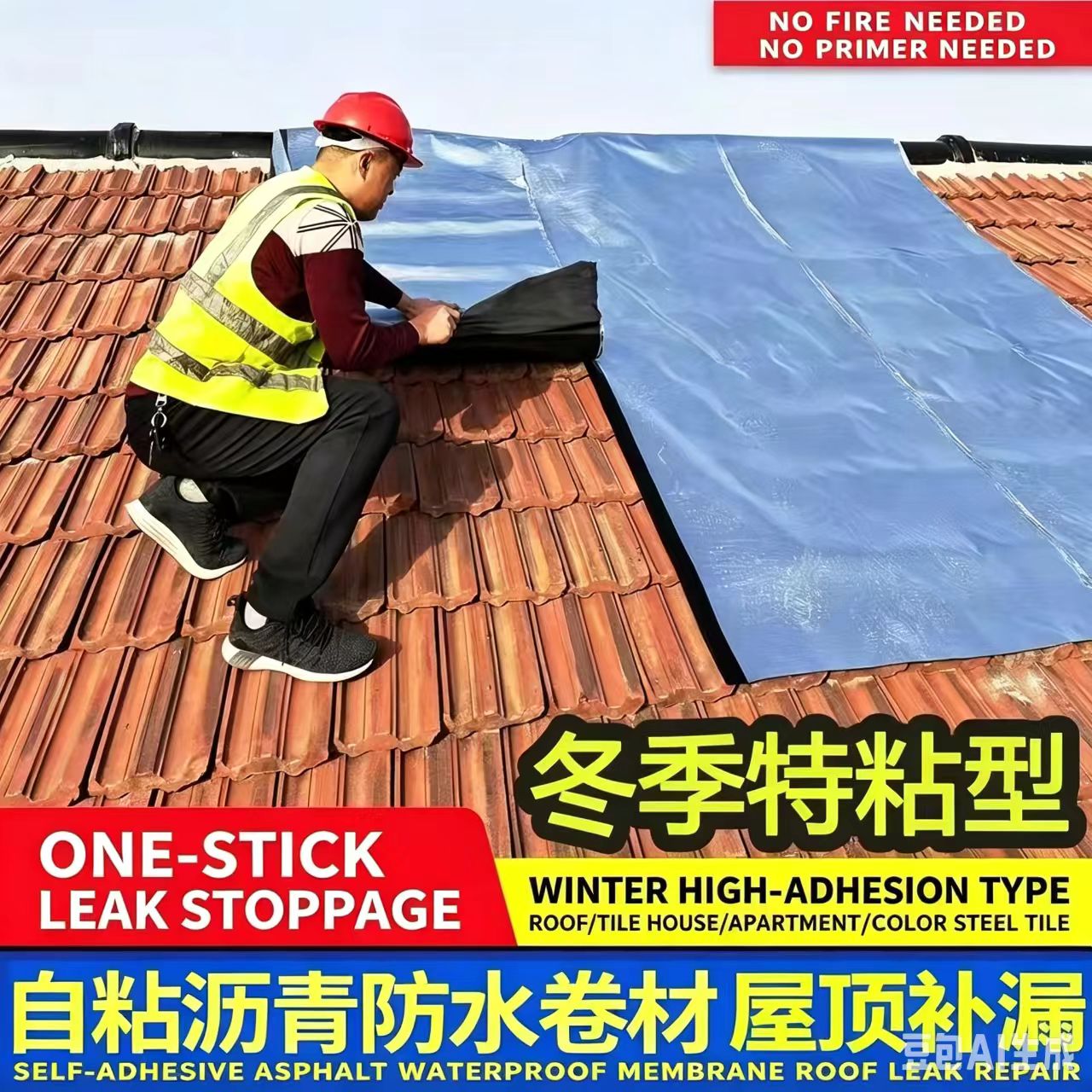
| Metal / colour steel roof repair | Self-adhesive membrane or elastic coating | Substrate metal condition, rust, overlap detailing | Bituminous coating adhesion to metal should be confirmed for each case. |
| Old roof re-coating | Asphalt-based coating or elastic waterproof coating | Existing surface type, cleanliness, moisture | Surface preparation strongly affects results. |
How to choose specifications
For liquid coatings, the key variables differ from rolled membranes. Discuss the following with your supplier:
- Coverage and thickness: confirm the target dry film build and the number of coats, since consumption per m² depends on substrate roughness.
- Application method: brush, roller, spray, or trowel affects viscosity and packing choice.
- Cure type: some asphalt coatings remain non-curing for flexibility, while others form a firm film. Match this to the role.
- Reinforcement: ask whether a fabric or membrane layer is recommended at stress points.
- Packing: pail size, weight per unit, pallet configuration, and total quantity.
- Destination port and climate: shipping temperature and storage conditions can matter for asphalt-based products.
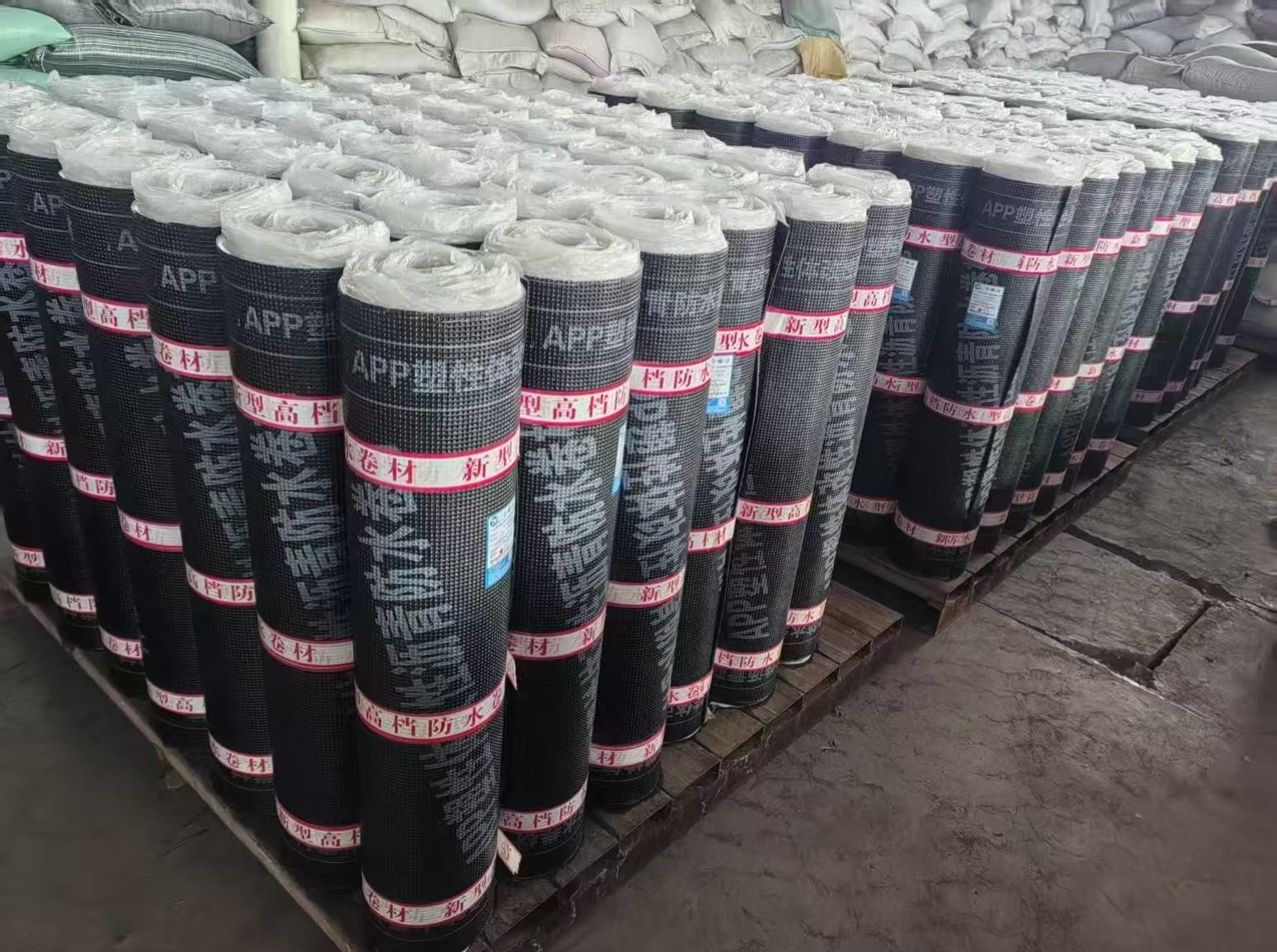
If your project also uses a bitumen membrane, confirm roll width, roll length, and surface finish for that part of the system so the coating and membrane work together.
Questions to prepare before requesting a quotation
- What is the application: roof, basement, tunnel, bridge, or repair?
- Will the surface be exposed to sunlight or covered?
- Is the substrate concrete, metal, or an old waterproofing layer?
- What is the total area or estimated coating quantity?
- Which application method will the crew use on site?
- Will the coating be used alone or with a membrane?
- What is the destination port and expected climate?
- Are there local specifications the material must satisfy?
Providing these details lets a supplier recommend a suitable product and packing instead of guessing.
Common mistakes and selection risks
A few recurring issues cause problems on site and in procurement:
- Choosing a coating for a large exposed roof where a full membrane system would perform better.
- Skipping surface preparation, which reduces adhesion regardless of product quality.
- Under-applying the coating and not reaching the intended film build.
- Ignoring positive versus negative pressure in basement waterproofing.
- Assuming one asphalt coating suits every substrate, including metal roofs.
- Ordering without confirming packing and quantity, leading to shipping and storage surprises.
None of these are about product grade alone. Most failures trace back to a mismatch between the material and the actual project condition.
Getting the right product for your project
A bituminous waterproofing coating can be a reliable choice when it is matched to the substrate, application method, and exposure of your project. Because the term covers several product types, the most useful next step is to describe your scenario and let a technical team confirm the specification. If you share the application, area, substrate, and destination, we can help you select the coating or membrane system that fits, and advise on packing for export.