This article is written for procurement engineers, distributors, and waterproofing contractors who have received a specification or inquiry mentioning Boscoseal AC2 and need to understand what type of product it refers to and how to source a comparable material. It is also useful for buyers comparing acrylic-based waterproof coating options across suppliers.
If a project document lists a specific brand code, your task is usually to either match that exact product or identify an equivalent acrylic elastic waterproof coating that meets the same application requirements. This guide focuses on the second scenario, which is common in export procurement where the named brand may not be available at your destination port.
Understanding the buyer intent behind Boscoseal AC2
When buyers search for Boscoseal AC2, they are generally looking for one of three things. Some want to confirm what the product is and where it is applied. Others want to source the exact branded item. Many are trying to find an equivalent acrylic elastic waterproof coating that performs a similar job on roofs, walls, or wet areas.
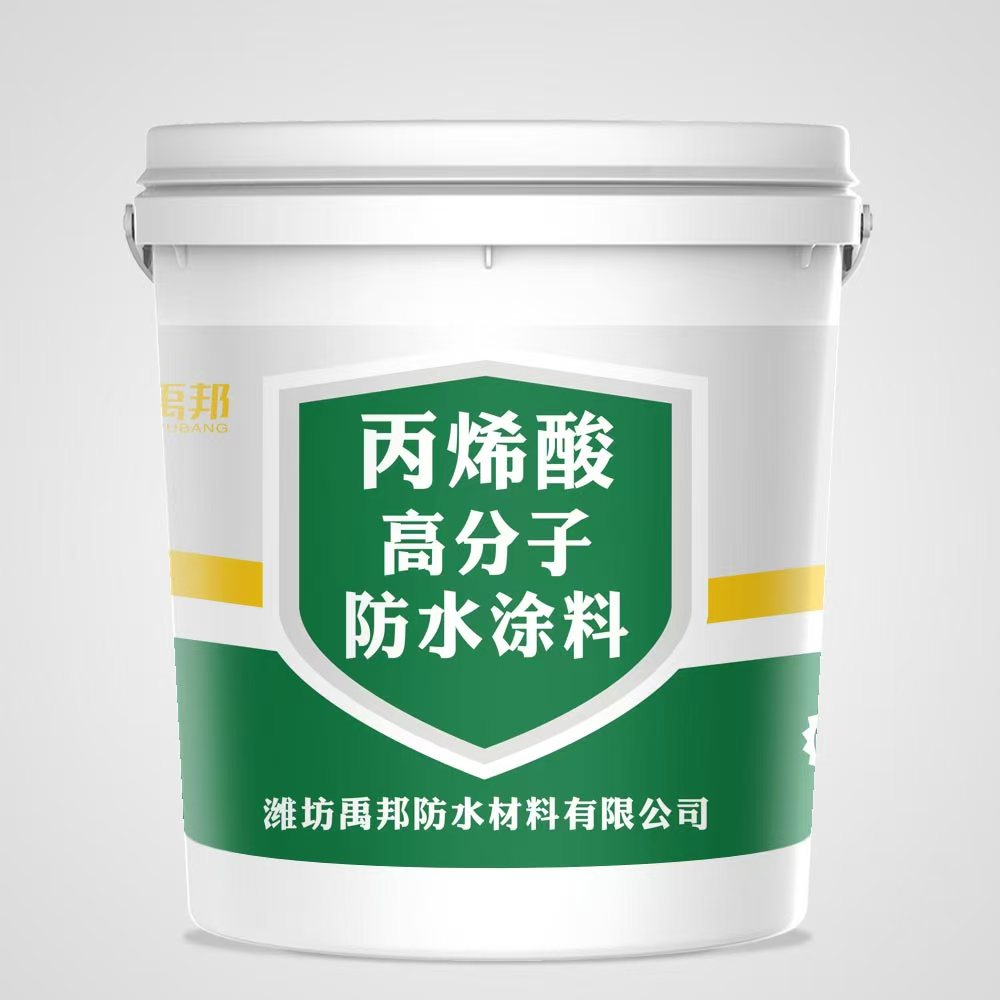
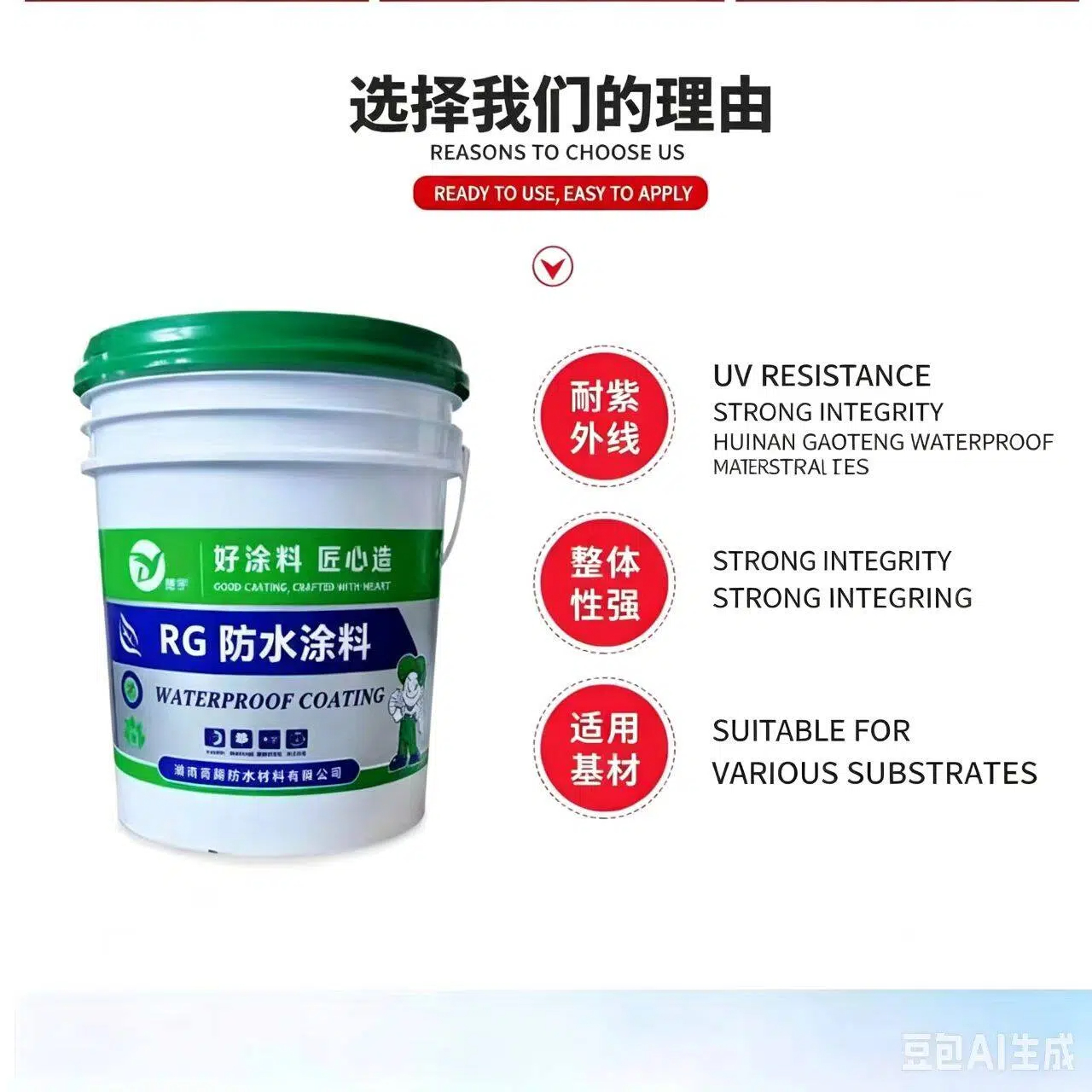
Brand codes like this typically point to a water-based acrylic coating used for surface waterproofing and repair. Because performance claims and formulations vary between manufacturers, the safe approach is to define the coating by its application and required properties rather than assuming two brands are identical. Always confirm the technical data sheet of any product you intend to substitute.
Common application scenarios for acrylic elastic waterproof coatings
Acrylic elastic waterproof coatings are widely used where a liquid-applied, brushable or rollable membrane is preferred over a sheet membrane. Typical uses include:
- Exposed roof surfaces and parapet details
- Exterior walls and facade seepage repair
- Balconies, terraces, and small flat roofs
- Kitchens, bathrooms, and other interior wet areas
- Renovation and recoating of aged waterproofing surfaces
For metal roofs, roof-to-wall joints, or heavy structural movement, a coating alone may not be enough. In those cases a self-adhesive membrane, reinforcement fabric, or a combined system may be more suitable, and this should be reviewed against the project condition.
Buyer decision table
| Project condition | Material option | What to confirm before inquiry | Notes |
|---|---|---|---|
| Exposed roof, light foot traffic, recoat over old surface | Acrylic elastic waterproof coating | Substrate type, existing coating, required dry film thickness | Surface must be clean and sound before application |
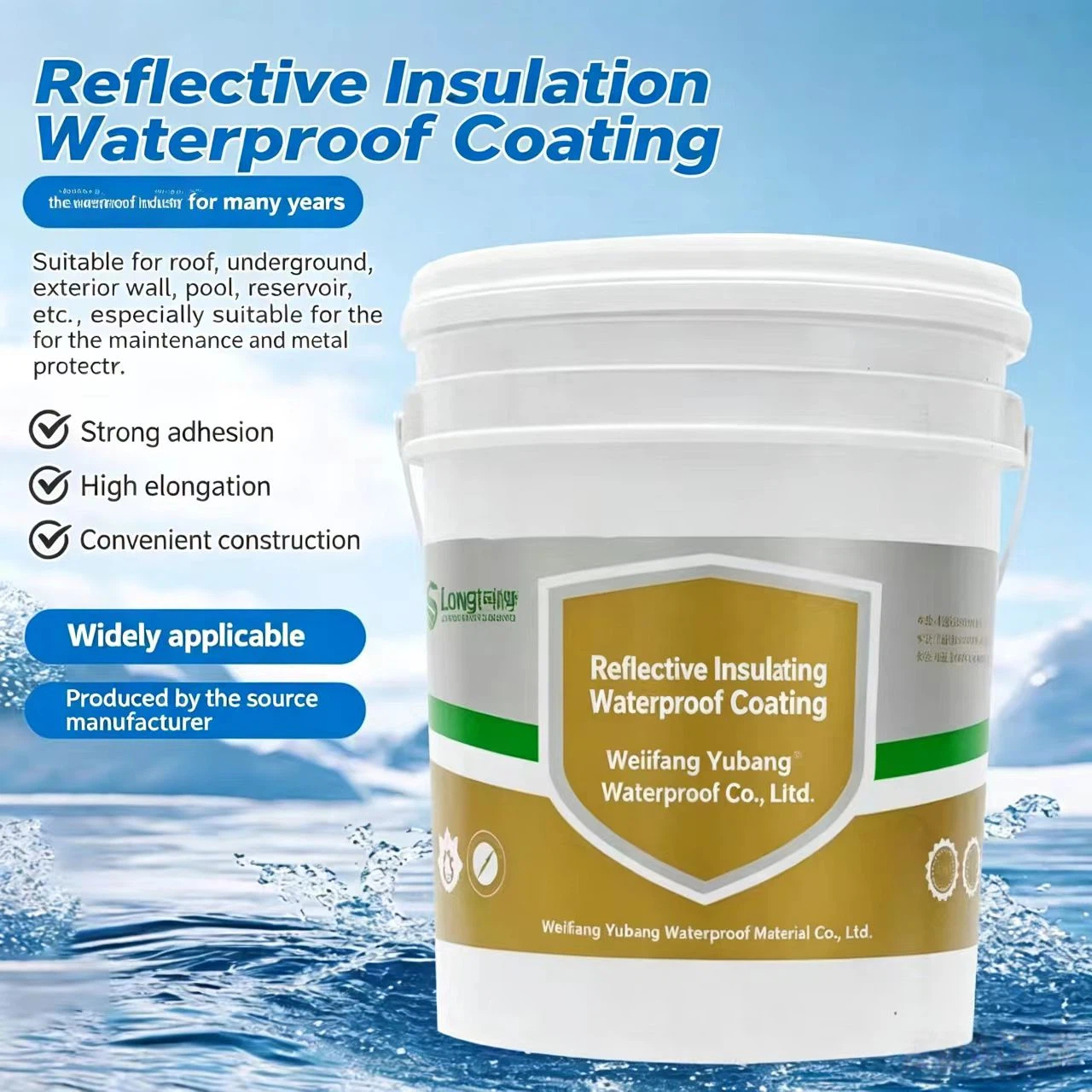
| Hot region roof needing heat reduction | Reflective thermal insulation waterproof coating | Roof colour, exposure, coverage rate | Reflectivity depends on finish and maintenance |
| Interior wet areas, tiling on top | Polymer cement-based (JS) coating or K11 mortar | Whether tiles will be bonded over the coating | Choose based on flexibility and bonding needs |
| Irregular structures, ponding risk | Polyurethane waterproof coating | Single or two component, substrate moisture | Detailing and priming often required |
| Exterior wall breathable repair | Silicone or acrylic coating | Wall material and seepage cause | Diagnose the leak source first |
How to choose the right specification
Once the application is clear, the specification of an acrylic elastic waterproof coating is defined by a few practical points. Confirm the required dry film thickness or coverage rate per coat, since this affects both material quantity and performance. Ask about the number of coats and whether reinforcement fabric is used at joints and corners.
For export orders, also confirm packing format such as pail size, units per pallet, total quantity, shelf life, and storage temperature during transit. Water-based coatings can be sensitive to freezing, so destination climate and shipping season matter. Clarify the colour options if reflective or decorative appearance is required, and confirm the destination port so packing and documentation can be arranged correctly.
Questions to prepare before requesting a quotation
- What is the exact application: roof, wall, wet area, or repair?
- What is the substrate: concrete, metal, old coating, or tile?
- What total area and coverage rate are you planning for?
- Do you need a specific colour or reflective finish?
- Is reinforcement fabric or a primer required for your detail work?
- What packing size and total quantity do you need?
- What is the destination port and expected shipping season?
- Are you matching a written specification or brand code exactly?
Common mistakes and selection risks
A frequent error is assuming that any product sharing a brand-style code is chemically identical across suppliers. Always compare the technical data sheet, not just the name. Another common issue is under-applying the coating, which reduces performance; the coverage rate on the data sheet should be treated as a target, not a maximum.
Buyers also overlook substrate preparation. Even a suitable coating will fail on a dusty, oily, or actively wet surface. For roofs with structural movement, gaps, or metal overlaps, relying on a coating alone without reinforcement or a membrane is a risk. Finally, ignoring transit and storage conditions can damage water-based coatings before they reach the site.
Getting the right product selection support
If you are working from a Boscoseal AC2 reference or a similar acrylic coating requirement, share the application, substrate, area, and destination details so a suitable equivalent can be recommended. Matching the product to the actual project condition is more reliable than matching a name, and it helps avoid costly re-specification later. Reach out with your project data for a tailored selection.