This article is written for importers, waterproofing contractors, procurement engineers, and distributors in Singapore who are comparing rigid and flexible cement-based systems for concrete structures. If you are sourcing a cementitious waterproofing membrane and need to translate a project requirement into a clear inquiry, this guide explains the practical selection points.
The goal here is not to sell one product. It is to help you match a substrate, an application area, and a construction method to the correct cement-based material, so the specification you send to a supplier is complete and easy to quote.
Understanding the buyer intent behind "cementitious waterproofing membrane"
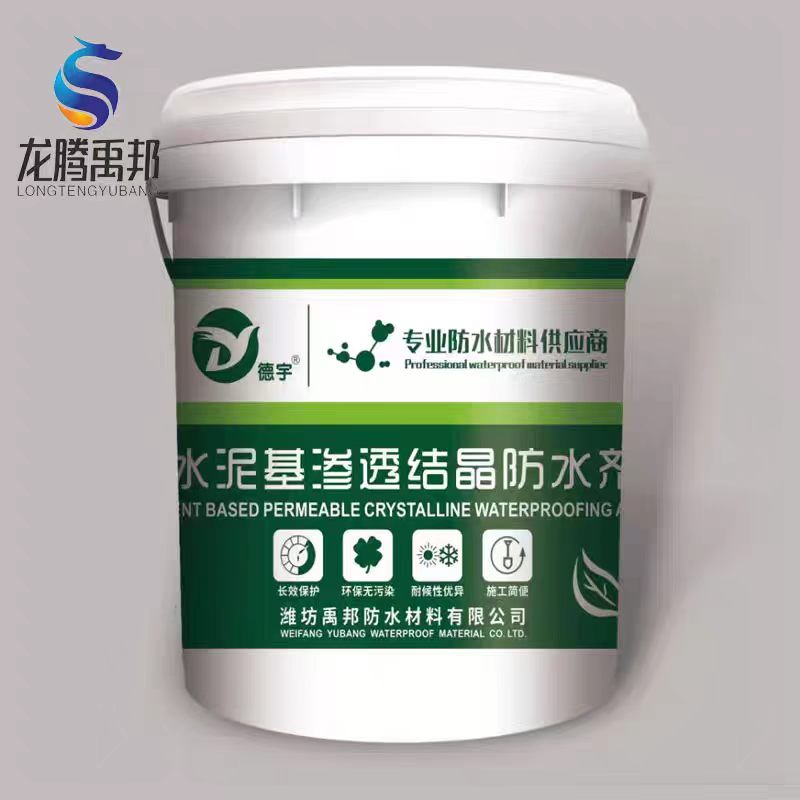
Buyers searching for a cementitious waterproofing membrane usually mean one of two related product types. The first is a cement-based coating or slurry that is applied wet, such as a K11 mortar, a polymer cement (JS) coating, or a crystalline product that reacts inside concrete. The second is a rigid or flexible membrane layer built up from these cement-based materials on a concrete substrate.
Unlike a bitumen membrane or a self-adhesive membrane that arrives as a roll, most cementitious systems arrive as powder, liquid, or two-component kits and are mixed on site. This affects packing, shelf life, and application. Because of that, the intent behind the search is often about compatibility with concrete, negative-side versus positive-side application, and whether the surface needs a rigid coating or a flexible one that tolerates minor movement. Confirm which behaviour your project needs before comparing brands.
Common application scenarios
Cement-based waterproofing is most often specified where the product must bond directly to concrete or masonry and where a rigid or semi-rigid finish is acceptable. Typical scenarios include:
- Basements and retaining walls: both positive-side and negative-side treatment on concrete, often using a crystalline or polymer cement product.
- Water pools and tanks: areas needing a durable bonded layer that can stay in contact with water.
- Kitchens, bathrooms, and balconies: wet areas where a flexible cement-based coating is applied under tile.
- Tunnels and civil concrete structures: where crystalline treatment can be used on the concrete itself.
For exposed roofing waterproofing or metal roofs, buyers often move toward a waterproof membrane in roll form, an SBS membrane, APP membrane, PVC or TPO membrane, or a self-adhesive membrane instead, because those handle movement and exposure differently. Cement-based products are frequently combined with these systems, not used to replace them in every case.
Buyer decision table
| Project condition | Material option | What to confirm before inquiry | Notes |
|---|---|---|---|
| Concrete basement, negative-side seepage | Cement-based crystalline coating | Substrate condition, positive or negative side, water pressure situation | Reacts within concrete; surface preparation matters |
| Bathroom or balcony under tile | Polymer cement (JS) coating | Rigid or flexible grade, coverage, coats required | Common for interior wet areas and small works |
| Swimming pool or water tank | K11 waterproof mortar (rigid/flexible) | Water contact duration, substrate, finish over the coating | Choose flexible grade where minor cracking is expected |
| Exterior wall seepage repair | Polymer cement or crystalline product | Wall material, existing coatings, climate | Confirm compatibility with old substrate |
| Joint sealing alongside membranes | Cement-based coating plus reinforcement layer | Detailing at corners, pipe penetrations | Often paired with tape or a coating for details |
How to choose specifications
Because cementitious products are usually supplied as powder or two-component kits, the specification list differs from roll membranes. When preparing an inquiry, clarify the following:
- Type and grade: rigid versus flexible, single-component powder versus two-component (powder plus liquid polymer).
- Coverage and coats: how many coats and the expected consumption per square metre, since this drives quantity.
- Substrate: concrete, block, screed, or existing tile, plus its condition and moisture level.
- Application side: positive side (water source side) or negative side (interior), because not all products suit both.
- Reinforcement: whether a fabric or mesh layer is needed at details and joints.
- Installation method: brush, roller, or trowel, and whether it will be tiled over.
- Packing: bag weight, pail size, kit ratio, and total pallet configuration.
- Quantity and destination port: total tonnage or kits, and shipping method, since shelf life and moisture control affect packing for export.
If your project climate is hot, humid, or freezing, mention it. Curing behaviour and application windows depend on temperature and humidity, so the supplier can advise on suitable grades.
Questions to prepare before requesting a quotation
- What is the substrate, and is it new concrete or an existing surface?
- Is this positive-side or negative-side waterproofing?
- Do you need a rigid finish or a flexible one that tolerates minor movement?
- What is the total area, and how many coats does the specification require?
- Will the surface be tiled, exposed, or in constant water contact?
- What packing and destination port do you need, and is there a shelf-life or temperature concern in transit?
- Do you need matching products for joints, corners, and pipe penetrations?
Common mistakes and selection risks
A frequent error is choosing a rigid cement-based product where the structure will move, then seeing cracks appear in the coating. If minor structural movement is expected, a flexible grade or a paired flexible system is usually more appropriate. Confirm this by project condition rather than by price.
Another risk is applying to a poorly prepared or contaminated substrate. Cement-based systems rely on bond, so laitance, dust, oil, or standing water can undermine performance. Buyers also sometimes assume a single cementitious coating replaces a full roofing waterproofing membrane on an exposed, moving roof, which may not match the exposure and movement demands. In those cases a bitumen membrane, SBS membrane, or PVC/TPO/EPDM membrane may be more suitable, sometimes combined with a cement-based layer. Finally, verify curing conditions for your climate, since incorrect timing during hot or cold weather can affect the result.
Ask for product selection support
Cement-based waterproofing works well when the product matches the substrate, the application side, and the movement expected in the structure. If you share your project condition, area, and destination port, our team can help you compare rigid and flexible cement-based options, or advise when a roll membrane is a better fit. Send your requirement and we will help you build a specification that is easy to quote and correct for the job.