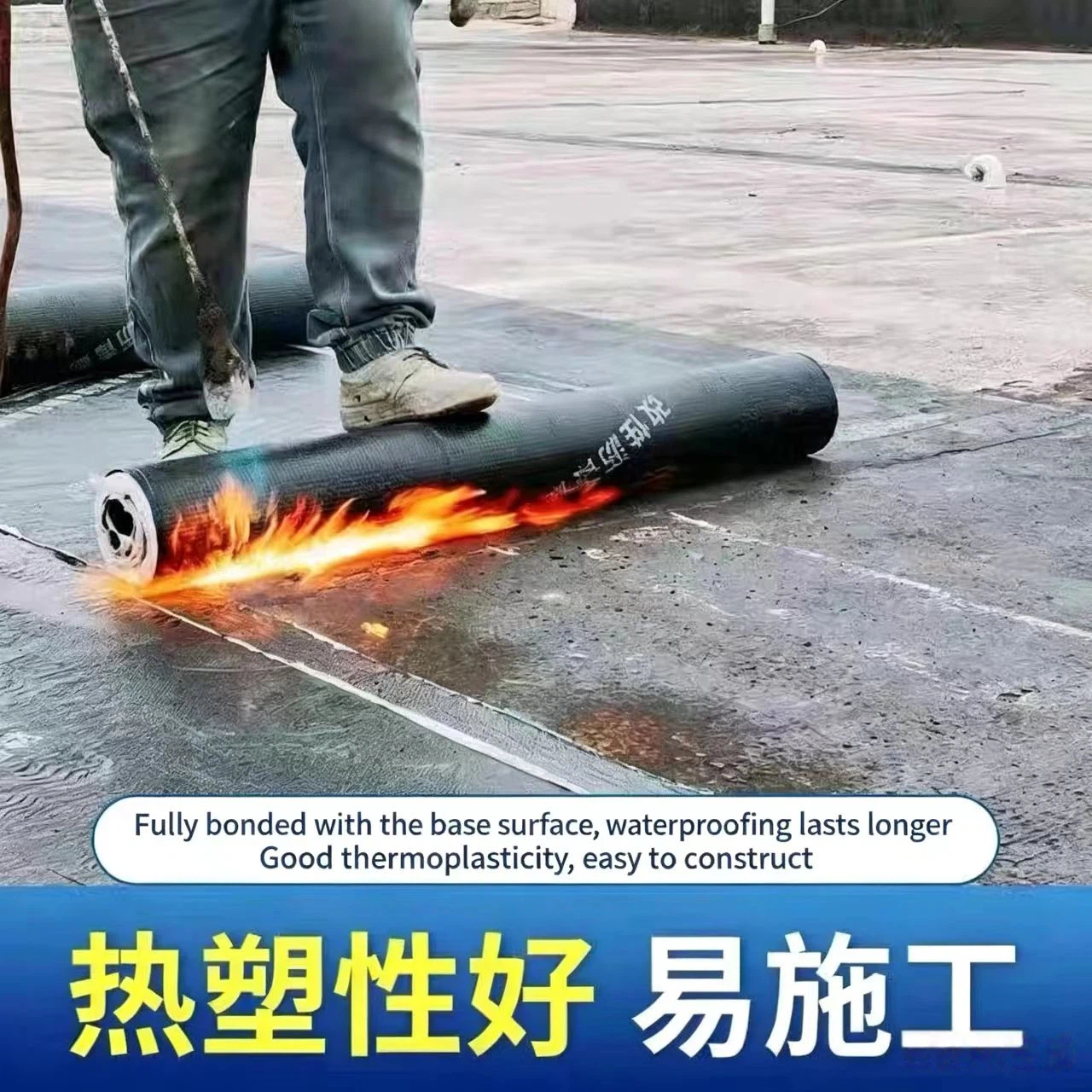
This article is written for contractors, procurement engineers, and distributors who need to specify or buy a foundation waterproofing membrane for basements, retaining walls, and underground structures. If you are comparing product types, checking what to confirm before sending an enquiry, or trying to avoid a mismatch between your project and the material, this guide is meant to help you make a clearer decision.
Foundation waterproofing is one of the least forgiving parts of a project. Once concrete is poured and backfill is in place, repairs are difficult and expensive. Choosing the right waterproof membrane and confirming the correct specification before purchase reduces that risk.
Understanding the buyer intent behind "foundation waterproofing membrane"
When buyers search for a foundation waterproofing membrane, they usually want more than a single product name. They are trying to match a membrane to a specific underground condition: water table level, whether the structure is a basement floor or side wall, and whether the membrane will be applied before or after the concrete is cast.
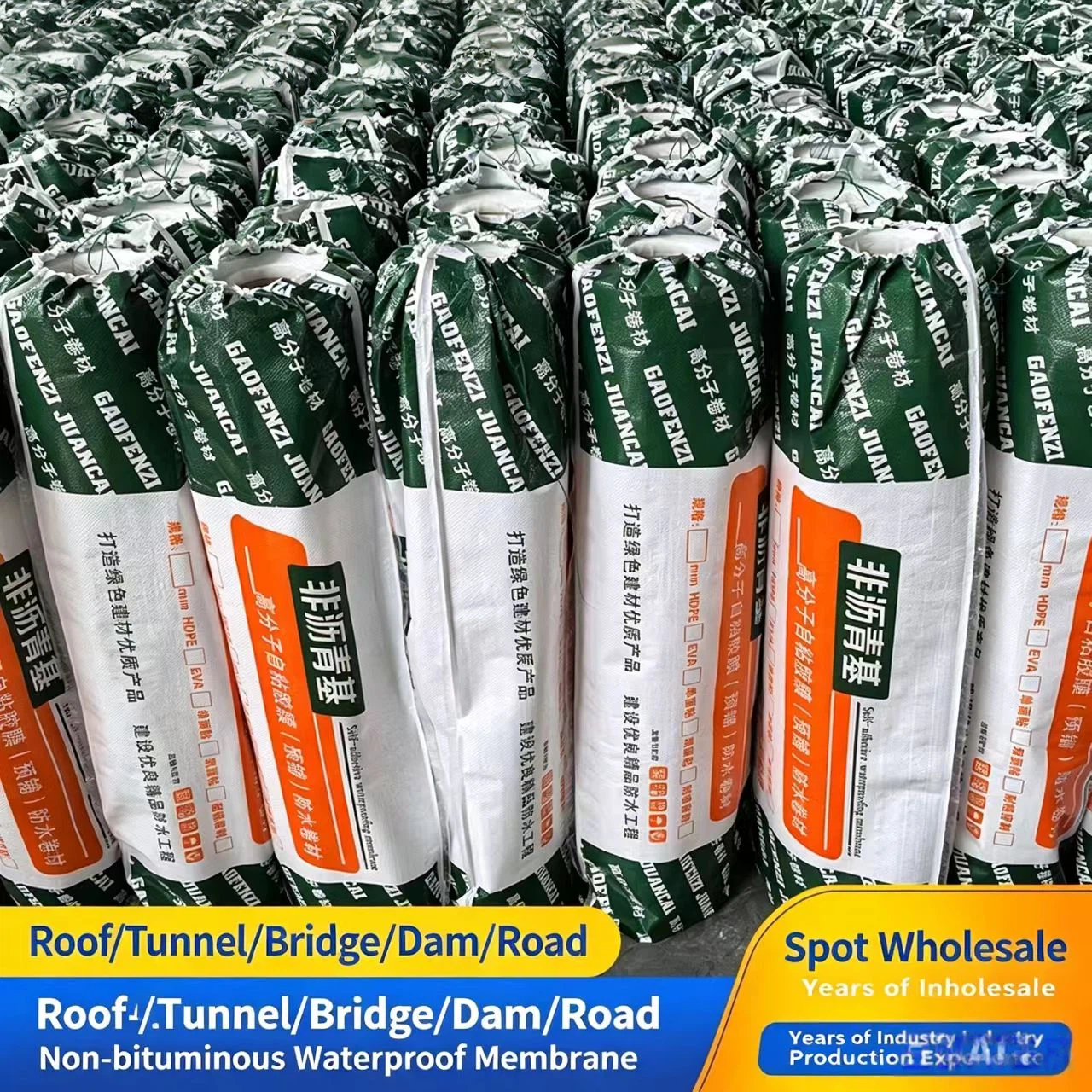
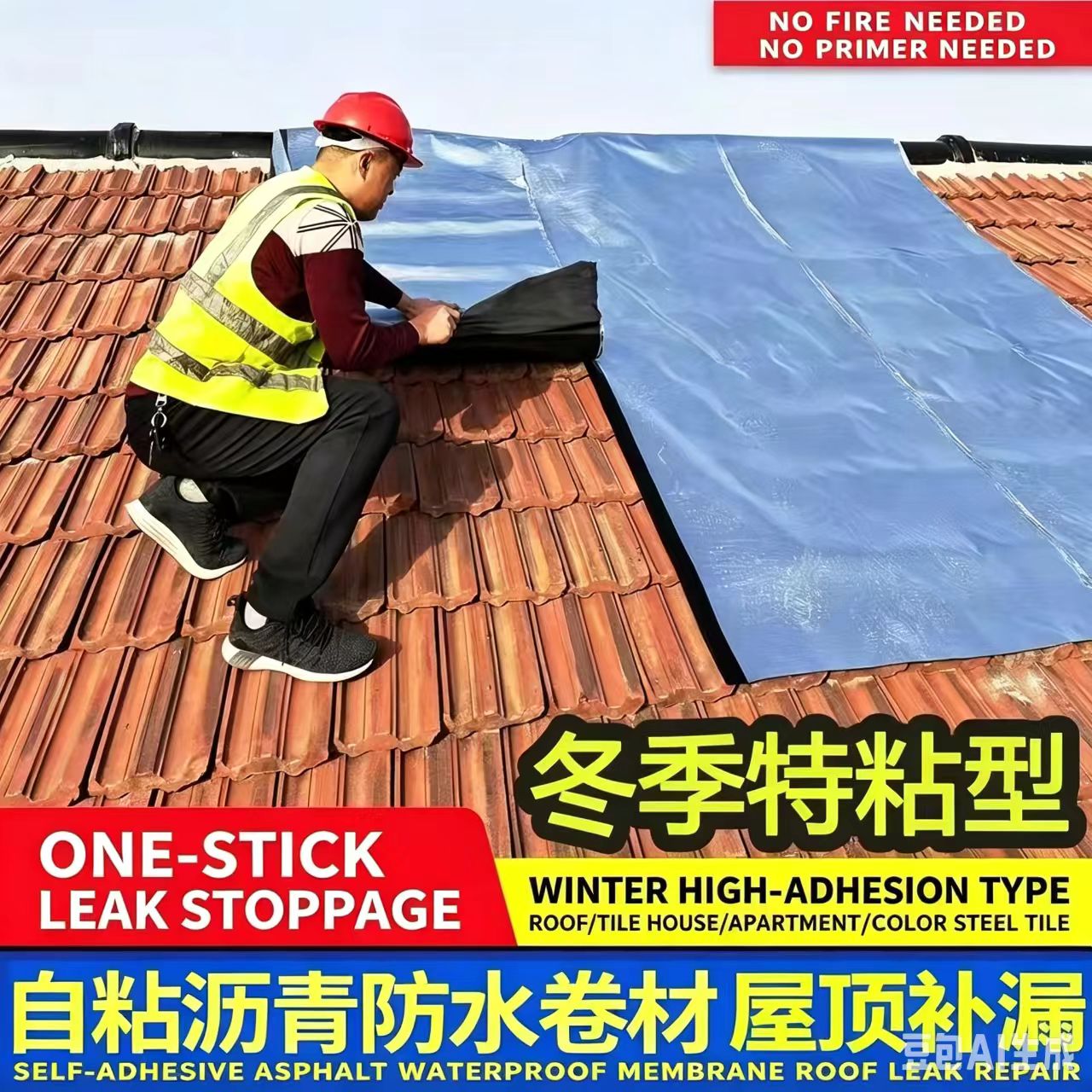
Some buyers need a pre-applied system that bonds to the poured concrete. Others need a self-adhesive membrane for blindside or side-wall situations, or a bitumen membrane paired with a coating for detailing. The correct answer depends on the construction sequence and site conditions, so the goal here is to help you frame the right questions rather than to name one universal product.
Common application scenarios for foundation waterproofing
Foundation and underground waterproofing covers several distinct situations, and each one may point to a different material:
- Basement floor slabs where the membrane is laid before the structural concrete is cast, often using a pre-applied anti-adhesive type membrane.
- Basement side walls that may be waterproofed from the positive (exterior) side or, in some renovation cases, from the negative side using cementitious systems.
- Retaining walls and blindside conditions where access to the outside face is limited after backfill.
- Tunnels and municipal utility corridors that require durable membranes and reliable joint detailing.
- Repair and renovation of existing basements with seepage, where crystalline or cement-based coatings are sometimes used together with membranes.
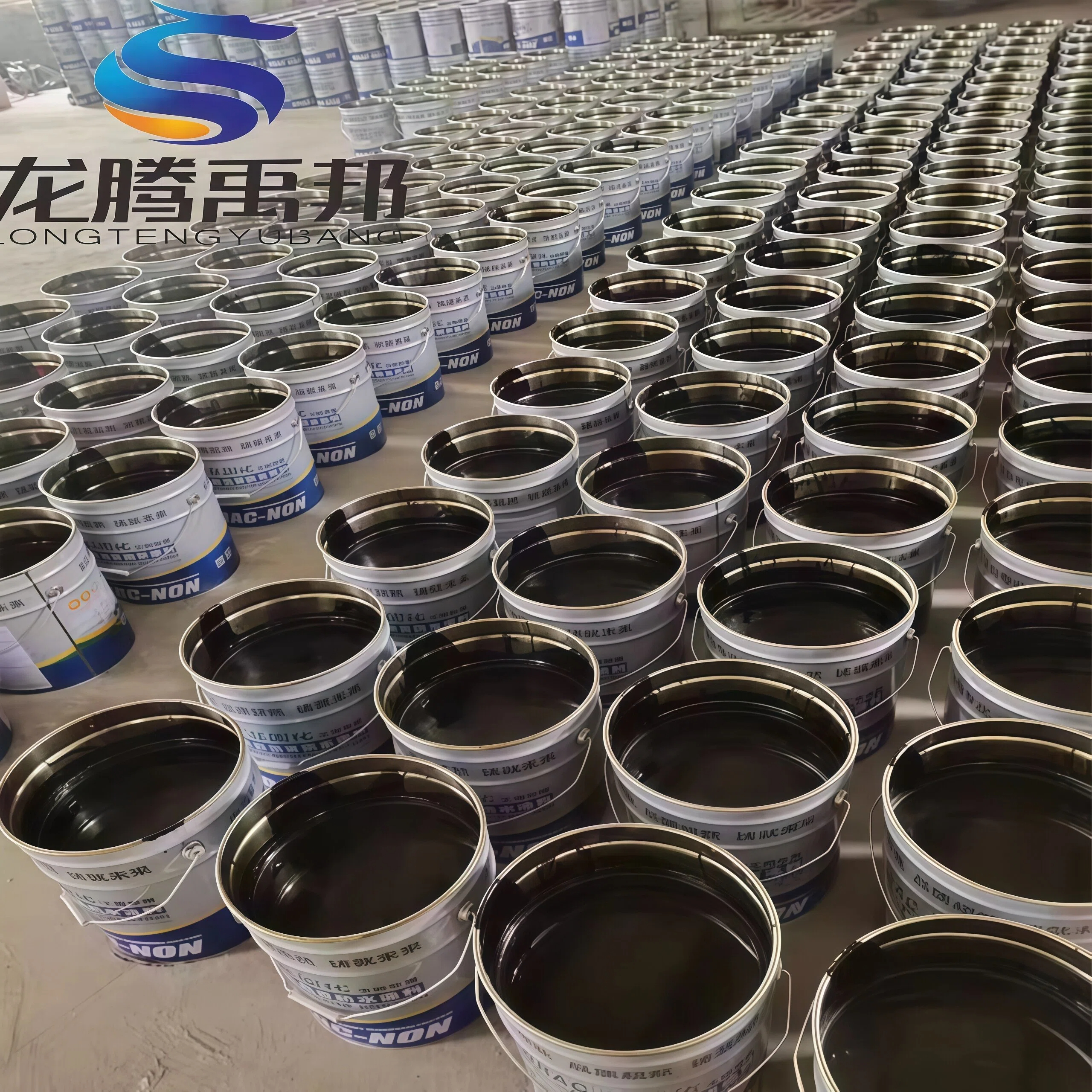
Detailing at pipe penetrations, construction joints, and inside corners often uses a coating or sealing product alongside the sheet membrane, so a full foundation solution may combine more than one material.
Buyer decision table
| Project condition | Material option | What to confirm before enquiry | Notes |
|---|---|---|---|
| Basement floor, membrane laid before concrete pour | Pre-applied anti-adhesive self-adhesive membrane | Slab area, construction sequence, thickness, overlap method | Designed to bond to cast concrete; confirm site conditions |
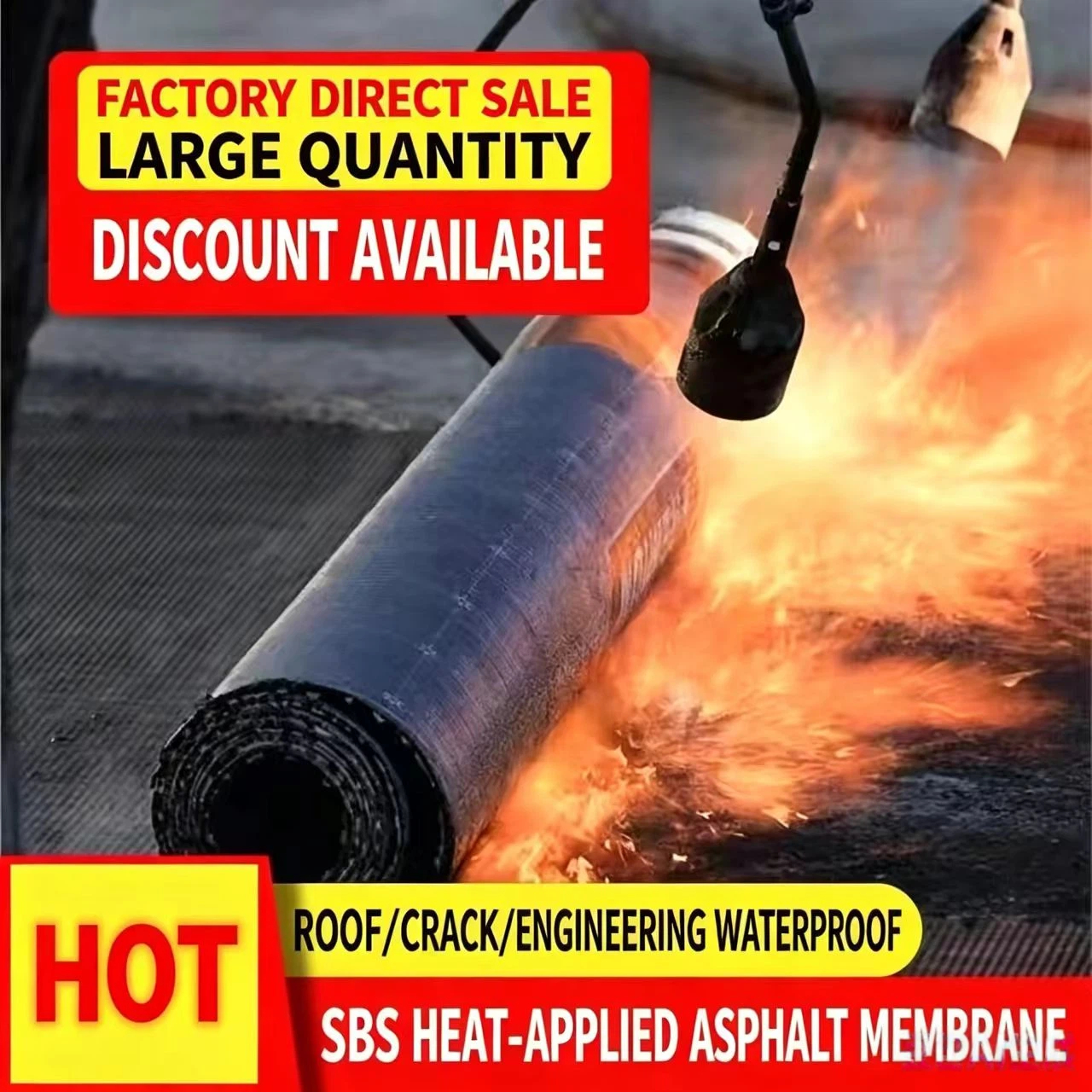
| Basement side wall, applied from exterior | Self-adhesive modified bitumen membrane or SBS membrane | Substrate condition, thickness, whether open-flame is allowed | Self-adhesive suits sites where torch application is restricted |
| Cold-climate underground structure | SBS modified bitumen membrane | Climate, thickness, exposed or covered use | Cold-region behaviour should be confirmed for the destination |
| Joint sealing and reinforcement | Non-curing rubber asphalt coating or butyl tape | Joint type, linear metres, compatibility with sheet membrane | Often used together with a sheet membrane, not alone |
| Negative-side repair of leaking concrete | Cement-based crystalline coating | Substrate soundness, positive or negative side application | Confirm suitability for the specific seepage situation |
How to choose the right specification
Once the material type is clear, the specification details decide whether the product will suit your project and ship correctly. Discuss the following with your supplier:
- Thickness: Membrane thickness should match project requirements and local specification, not just the lowest price.
- Roll width and length: Affects the number of overlaps and installation labour on large floor areas.
- Surface finish: Sand, film, or other surfaces influence bonding and follow-on layers.
- Reinforcement: The carrier or reinforcement type affects dimensional stability; confirm what is required.
- Installation method: Self-adhesive, pre-applied, or torch-applied changes site logistics and labour.
- Packing and quantity: Rolls per pallet, pallet dimensions, and container loading affect freight cost.
- Destination port: Needed for accurate freight and lead-time estimates.
Because foundation waterproofing depends heavily on substrate, water conditions, and construction sequence, treat the final specification as something to confirm together rather than assume from a catalogue number.
Questions to prepare before requesting a quotation
- Is the membrane for a basement floor, side wall, tunnel, or repair job?
- Will it be applied before or after the concrete is cast?
- What thickness and roll size does your specification require?
- Is open-flame (torch) application allowed on site?
- What is the total quantity in square metres, and are there detailing areas needing coating or tape?
- What is the destination port and preferred packing arrangement?
- Do you need a matching primer, coating, or sealing product for joints?
Common mistakes and selection risks
A few recurring issues cause problems on underground projects:
- Choosing by price alone. A thinner or lower-grade membrane may not match the project specification for the water conditions on site.
- Ignoring construction sequence. A pre-applied membrane and a post-applied membrane are not interchangeable; the wrong choice complicates installation.
- Skipping detailing products. Joints, corners, and penetrations often fail first when no coating or tape is used to reinforce them.
- Not confirming climate suitability. Cold and hot regions can call for different bitumen membrane formulations.
- Underestimating quantity for overlaps and waste. Order area should account for overlaps and detailing, not just flat coverage.
Getting product selection support
The right foundation waterproofing membrane depends on your substrate, water conditions, construction sequence, and destination. If you share those details, our team can help you compare suitable options, confirm the specification, and prepare an accurate quotation. Reach out with your project information and we will help you narrow down the choice.