Many procurement engineers, distributors, and contractors start their sourcing with a familiar brand name in mind, and "mapei waterproof" is a common search among buyers looking for reliable waterproofing systems. This article is written for importers, roofing companies, and project buyers who want to understand what sits behind that search term and how to match the correct product to their real project conditions.
The goal here is not to compare brands directly, but to help you translate a general brand-driven search into a clear technical specification you can send to any supplier for an accurate quotation. Whether you need a waterproof coating for wet areas or a bitumen membrane for a large roof, the decision depends on substrate, climate, and installation method.
Understanding the buyer intent behind "mapei waterproof"
When buyers type "mapei waterproof", they usually fall into one of a few groups. Some are looking for a specific product line they have seen specified on a project. Others are searching for a general reference point because the brand is well known, and they want an equivalent product type they can source competitively.
In practice, the search often means one of these needs: a cement-based or polymer waterproof coating for kitchens, bathrooms, and balconies; a liquid membrane for roofs and basements; or a system approach that combines a coating with reinforcement. Identifying which category you actually need is the first step before requesting any quotation. The brand name tells a supplier your quality expectation, but not your technical requirement.
Common application scenarios
Waterproofing requirements vary widely, and the right material changes with the surface and exposure. Below are typical scenarios where buyers search for brand-style waterproofing systems and the product families that usually apply.
- Kitchens, bathrooms, and balconies: Interior wet areas usually use cement-based or polymer coatings that bond well under tiles.
- Basements and retaining walls: Both positive and negative side waterproofing may be needed, often using crystalline coatings, JS coatings, or pre-applied membranes.
- Flat and exposed roofs: Depending on climate, buyers choose between bitumen membranes, single-ply membranes, or elastic coatings.
- Metal and colour steel roofs: Self-adhesive membranes and butyl tapes are common for overlaps, seams, and repair work.
- Swimming pools and water tanks: Rigid or flexible waterproof mortar and cement-based coatings are frequently specified.
- Tunnels, bridges, and municipal works: Heavier membrane systems are typical, sometimes combined with non-curing sealing layers.
Buyer decision table
| Project condition | Material option | What to confirm before inquiry | Notes |
|---|---|---|---|
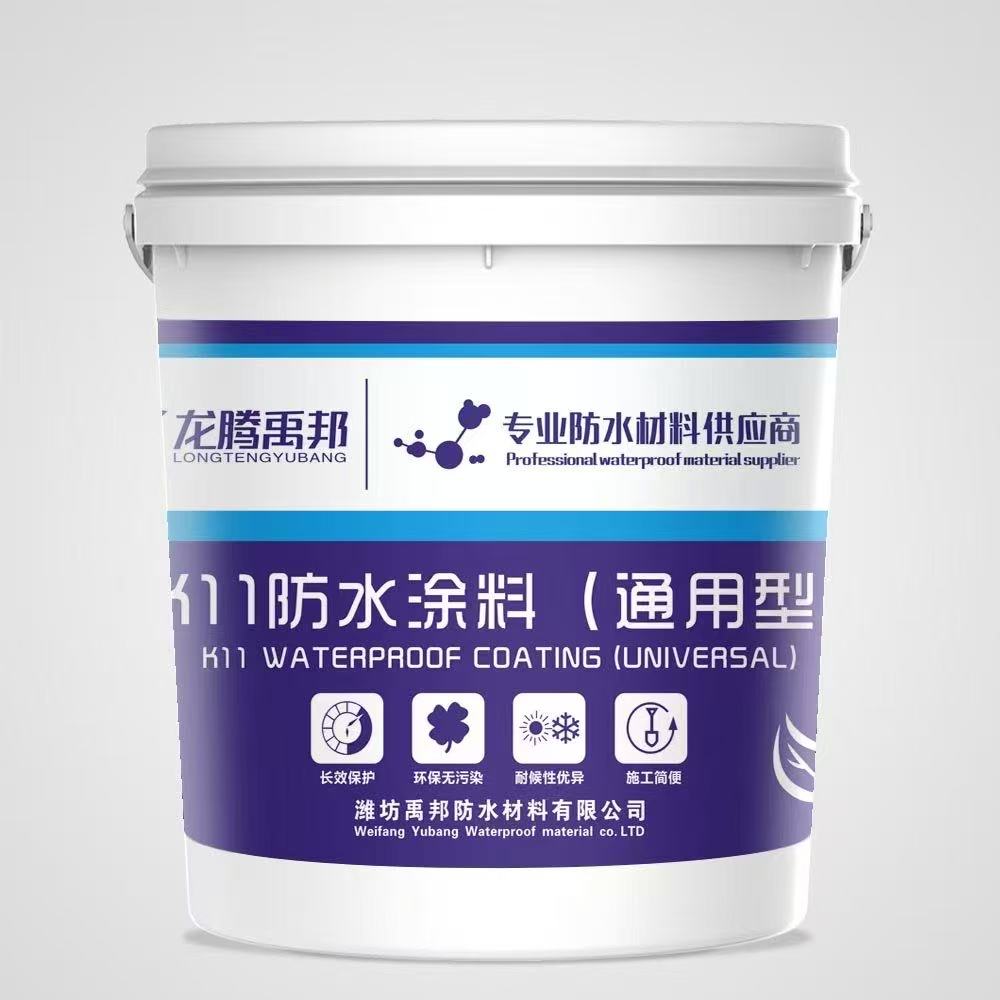
| Interior bathroom / kitchen under tile | K11 waterproof mortar or JS cement-based coating | Substrate type, tile adhesive compatibility, coverage area | Flexibility grade matters where movement is expected |
| Basement wall and floor | Crystalline coating, JS coating, or pre-applied membrane | Positive or negative side, water table, construction sequence | Pre-applied membranes suit cast-against-earth structures |
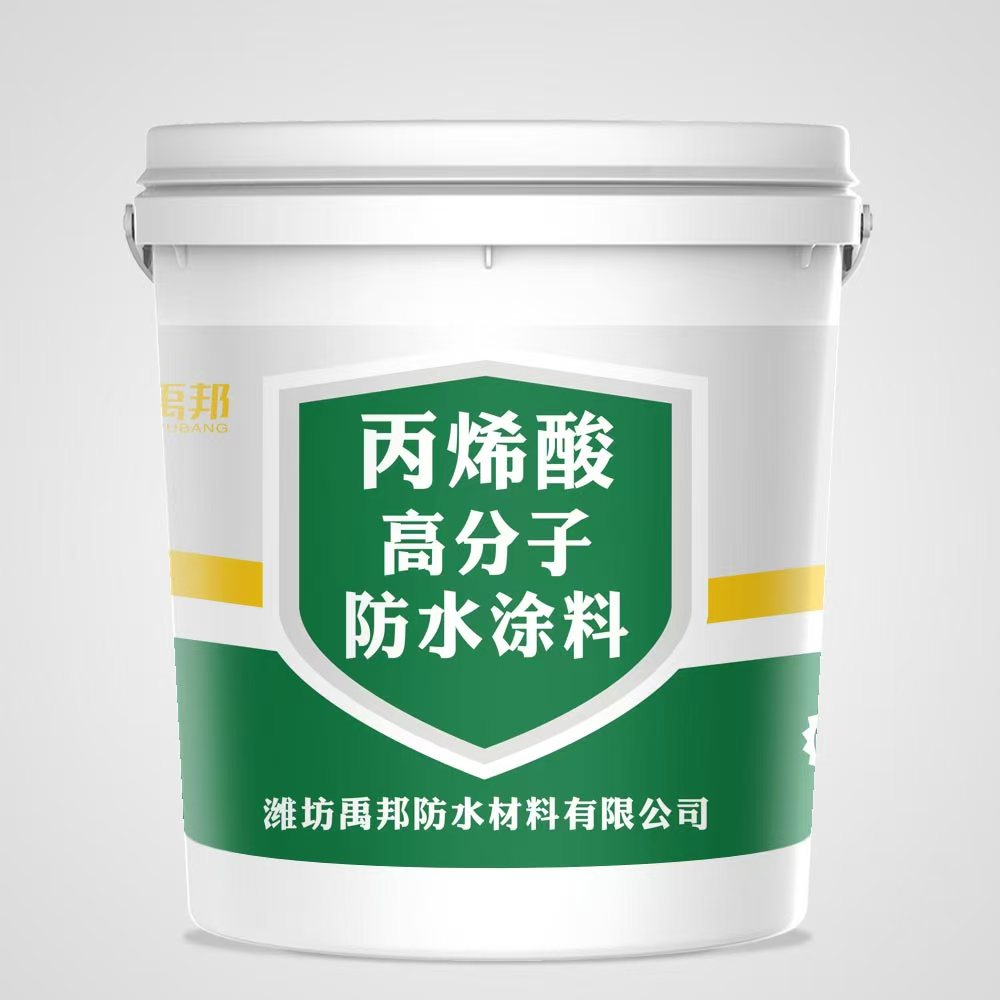
| Exposed concrete roof | Acrylic elastic coating or bitumen membrane | Climate, UV exposure, foot traffic, slope | Reflective coatings help in hot regions |
| Colour steel / metal roof | Self-adhesive membrane for steel tiles, butyl tape | Panel condition, overlap width, existing corrosion | Surface preparation affects adhesion |
| Swimming pool / water tank | Flexible waterproof mortar or cement-based coating | Water contact, chemical exposure, finish requirement | Confirm suitability for continuous water contact |
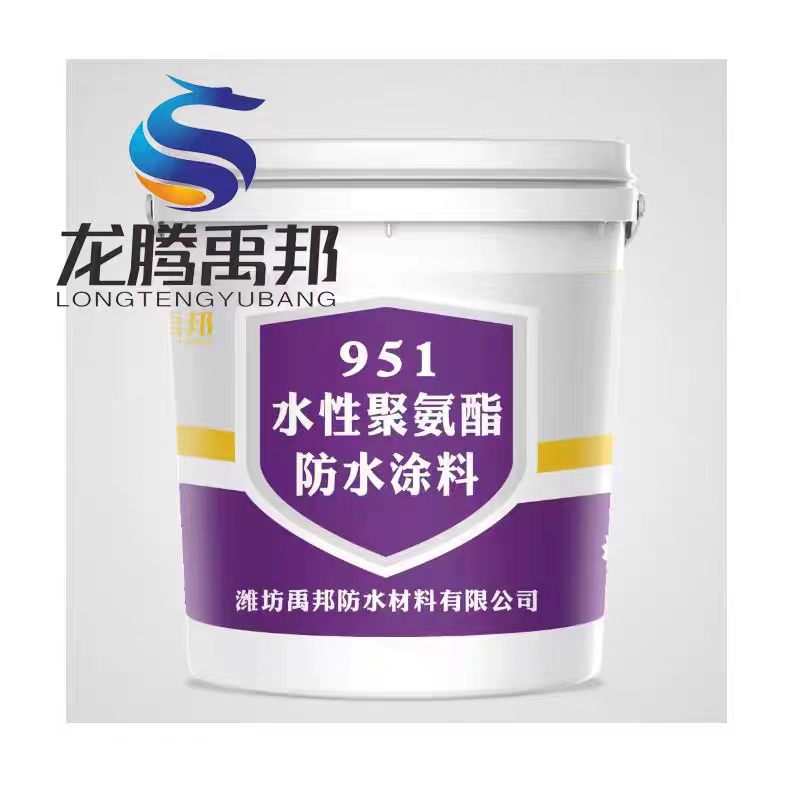
| Irregular details and joints | Polyurethane coating or non-curing rubber asphalt | Joint width, movement, adjacent materials | Often used with a membrane as reinforcement |
How to choose the right specification
Once you know the product family, the specification details determine both performance and price. For coatings, the key variables are consumption rate per square metre, number of coats, single or double component, and whether a reinforcing fabric is required at joints. For membranes, confirm thickness, roll width and length, surface finish, and reinforcement type.
Installation method also drives the choice. Torch-applied bitumen membranes differ from self-adhesive types, and some sites do not allow open flame. In those cases a self-adhesive membrane or liquid coating is more suitable. Packing, pallet configuration, container loading, and destination port should be discussed early, because they affect freight cost and lead time. Where a detail depends on your project, it is better to confirm by substrate, climate, and local specification rather than assume a standard.
Questions to prepare before requesting a quotation
- What is the substrate: concrete, metal, existing membrane, or masonry?
- Is the area exposed to UV, water immersion, or foot traffic?
- Do you need a coating, a membrane, or a combined system?
- What total area or quantity are you sourcing, and in what units?
- Are there installation restrictions, such as no open flame allowed?
- What colour, finish, or thickness does the specification require?
- What is the destination port and required packing format?
- Do you need documentation to match a local building requirement?
Common mistakes and selection risks
A frequent error is choosing a product only by brand familiarity without confirming the technical category. A coating suited for indoor wet areas may not perform on an exposed roof, and a rigid mortar is not a substitute for a flexible membrane on a moving joint. Another risk is ignoring substrate preparation, which affects adhesion far more than most buyers expect.
Buyers also sometimes compare price per kilogram or per roll without comparing coverage per square metre or thickness. Two products at the same nominal price can differ significantly in real cost once consumption and layers are considered. Finally, ordering without confirming installation conditions on site can lead to a product that cannot be applied as planned.
Getting product selection support
If your search started with a brand name, the most useful next step is to describe your project conditions and let a manufacturer help you match the right membrane or coating. Share your substrate, exposure, area, and installation method, and ask for a specification recommendation before finalising quantities. This approach usually gives you a more accurate quotation and a product that fits the actual job rather than a generic assumption.