This article is written for procurement engineers, contractors, and distributors who see the term mapelastic waterproofing in a project specification and need to understand what category of product it refers to, and how to source a comparable material. Mapelastic is a well-known branded cementitious coating name, so buyers often use it as a generic reference for two-component flexible waterproof coatings applied to concrete and masonry.
If you are matching a specification, comparing suppliers, or preparing an inquiry, the goal here is to help you identify the correct product family, confirm the right technical details, and avoid ordering the wrong material for your substrate and climate.
What buyers usually mean by mapelastic waterproofing
When a specification calls for mapelastic waterproofing, the intent is normally a flexible, cement-based waterproof coating that bonds to concrete, screed, or masonry and can bridge minor cracks. Buyers searching this term are typically trying to do one of the following: match an existing spec with an equivalent product, find a supplier who can offer a comparable cementitious flexible coating, or understand whether a rigid or flexible formulation fits their project.
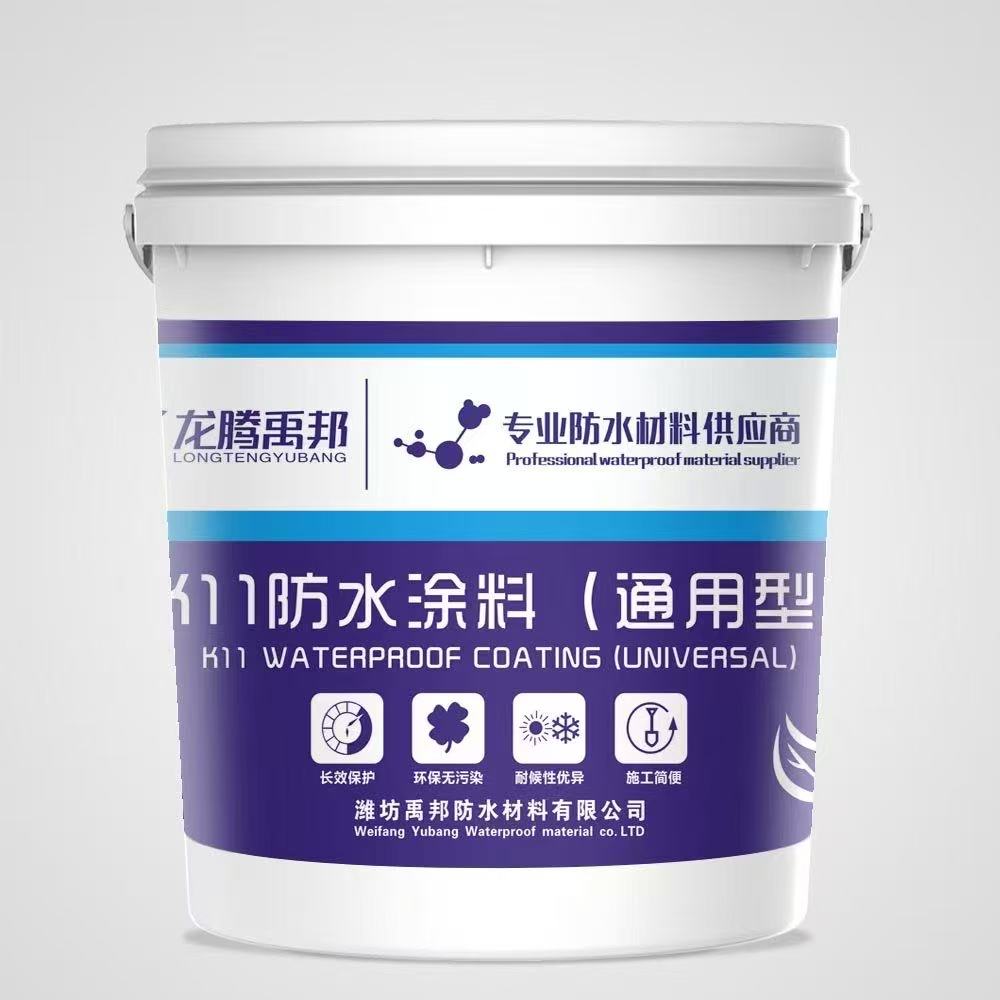
The closest general categories are polymer cement-based (JS) waterproof coatings and K11 flexible waterproof mortars. These share the working principle of a mapelastic-type product: a powder and liquid polymer mixed on site, then applied by brush, roller, or trowel. Exact performance depends on formulation, mix ratio, coats, and thickness, so any equivalence should be confirmed against the project specification rather than assumed.
Common application scenarios
Flexible cementitious coatings in this category are widely used where a coating must bond directly to concrete and stay compatible with tiling or protective layers. Typical uses include:
- Bathrooms, kitchens, and balconies before tiling
- Swimming pools, water tanks, and other water-retaining structures
- Basement walls and floors, on positive or negative sides depending on the product
- Concrete terraces and roofs under a protective screed or finish
- Repair and renovation of old cement substrates with minor cracking
For larger flat roofs, exposed metal roofs, tunnels, or bridges, a sheet membrane such as an SBS, APP, PVC, TPO, or EPDM system is often specified instead of, or in addition to, a coating. The right choice depends on exposure, movement, and how the surface will be finished.
Buyer decision table
| Project condition | Material option | What to confirm before inquiry | Notes |
|---|---|---|---|
| Bathroom or balcony under tile | Polymer cement-based (JS) or K11 flexible coating | Substrate type, number of coats, tile adhesion needs | Flexible grade preferred where minor movement is expected |
| Swimming pool or water tank | K11 flexible or JS coating, or crystalline for concrete | Water contact, positive/negative side, curing time | Confirm suitability for continuous water immersion |
| Basement wall and floor | Cement-based crystalline or flexible JS coating | Water table pressure, application side, substrate condition | Crystalline works inside the concrete matrix |
| Large exposed roof | SBS/APP, PVC, TPO, or EPDM membrane | Exposure, thermal movement, finish | Coatings alone may not suit large exposed areas |
| Local repair and crack sealing | Acrylic or polyurethane coating, butyl tape | Crack width, movement, substrate | Match repair product to base waterproofing type |
How to choose the right specification
Because mapelastic-type products cover a range of flexible and rigid formulations, the specification details matter more than the brand name. When comparing options, clarify the following:
- Flexibility: rigid formulations resist water well on stable concrete, while flexible grades tolerate minor cracking and movement.
- Mix and coverage: confirm the powder-to-liquid ratio, number of coats, and coverage per square metre for your surface.
- Thickness: total dry film thickness affects performance and should follow the project specification.
- Reinforcement: some applications require a fibreglass or polyester mesh at corners and joints.
- Substrate and side of application: confirm whether it is applied to the positive or negative water side.
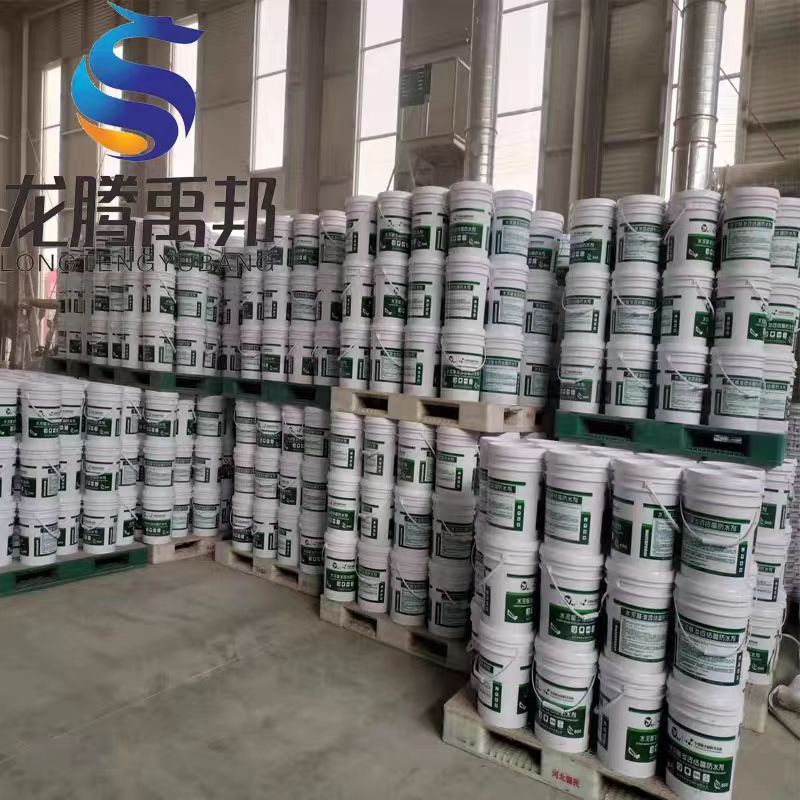
- Packing and quantity: two-component products ship as paired powder and liquid; confirm unit sizes, pallet configuration, and total order volume.
- Destination port and climate: shelf life, storage temperature, and transit conditions should be reviewed for your region.
Questions to prepare before requesting a quotation
- What is the substrate: concrete, screed, masonry, or existing waterproofing?
- Is the area continuously immersed, occasionally wet, or below grade?
- Do you need a rigid or flexible grade, and is crack bridging required?
- Will the surface be tiled, screeded, or left exposed?
- What is the total area and expected number of coats?
- What packing unit and total quantity do you need, and to which destination port?
- Is there an existing specification or standard you must match?
Common mistakes and selection risks
The most frequent issue is treating a brand name as a single fixed product. Mapelastic waterproofing refers to a family of cementitious coatings, so ordering by name alone can lead to a rigid product where a flexible one was needed, or the reverse. Another risk is using a coating on a large exposed roof that would be better served by a sheet membrane. Buyers also sometimes overlook the mix ratio and coat count, which directly affect the final film thickness and water resistance. Finally, applying a product on the wrong water side, or on a poorly prepared substrate, can cause failure regardless of material quality.
Getting the right product selected
If you are matching a mapelastic waterproofing specification or comparing cementitious coating options, share your substrate, exposure, finish, and quantity, and our team can help identify a suitable flexible or rigid product. Confirming these details early avoids costly mismatches and helps us prepare an accurate quotation for your project and destination.