This article is written for procurement engineers, waterproofing contractors, distributors, and project buyers in Singapore who have searched for pentens waterproofing t100 and want to understand what type of product this term usually refers to, where it fits on a project, and how to compare it against similar waterproof coating options before sending an inquiry.
Product names and reference codes vary by brand and region. Instead of guessing exact figures, this guide focuses on the buying decision: matching a coating to your substrate, climate, and application method, and preparing the right technical questions so a supplier can quote accurately.
Understanding the buyer intent behind pentens waterproofing t100
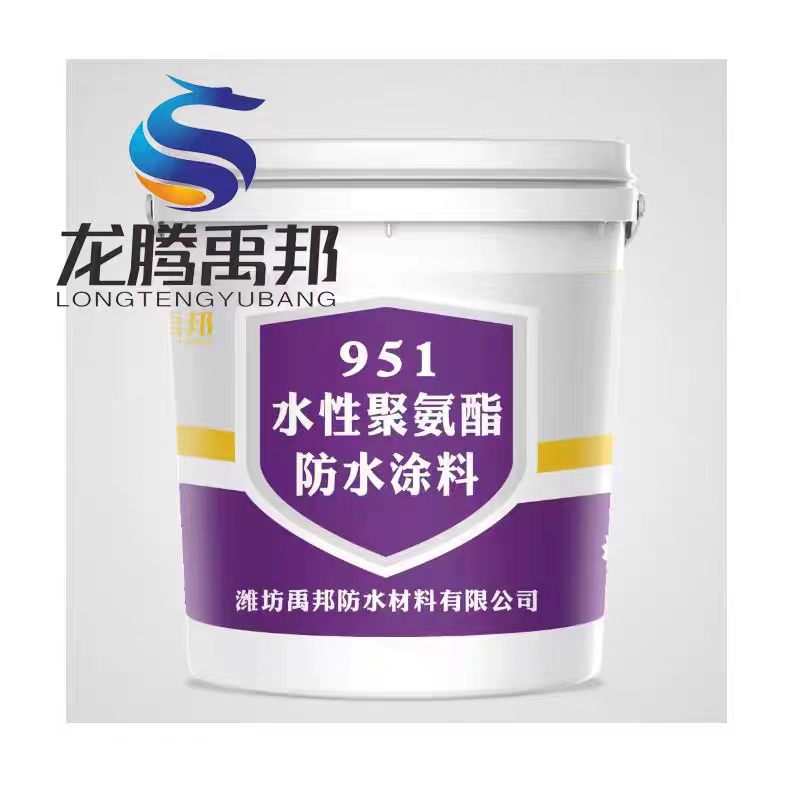
When buyers search for a specific brand code such as Pentens T100, they are usually doing one of three things: sourcing a direct replacement for a product already specified, looking for an equivalent waterproof coating to compare on price and lead time, or trying to confirm whether a product suits their application. In most cases the search points toward a liquid-applied waterproof coating rather than a rolled bitumen membrane.
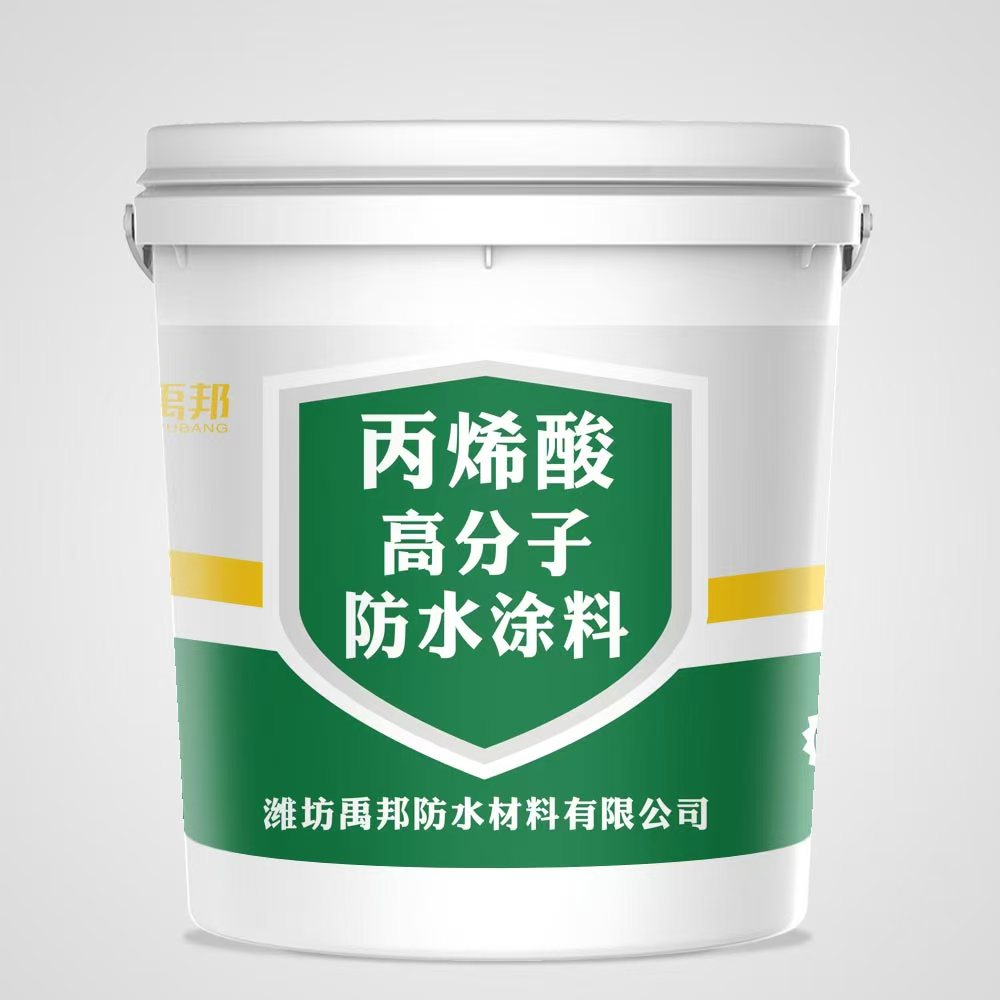
If your specification names a particular brand code, the most reliable path is to share the technical data sheet, coverage rate, and intended substrate with a manufacturer. That lets a supplier propose a comparable acrylic, polyurethane, or cement-based product and confirm compatibility. Do not assume two products with similar names perform identically; confirm chemistry, solids content, and application conditions.
Common application scenarios for this type of coating
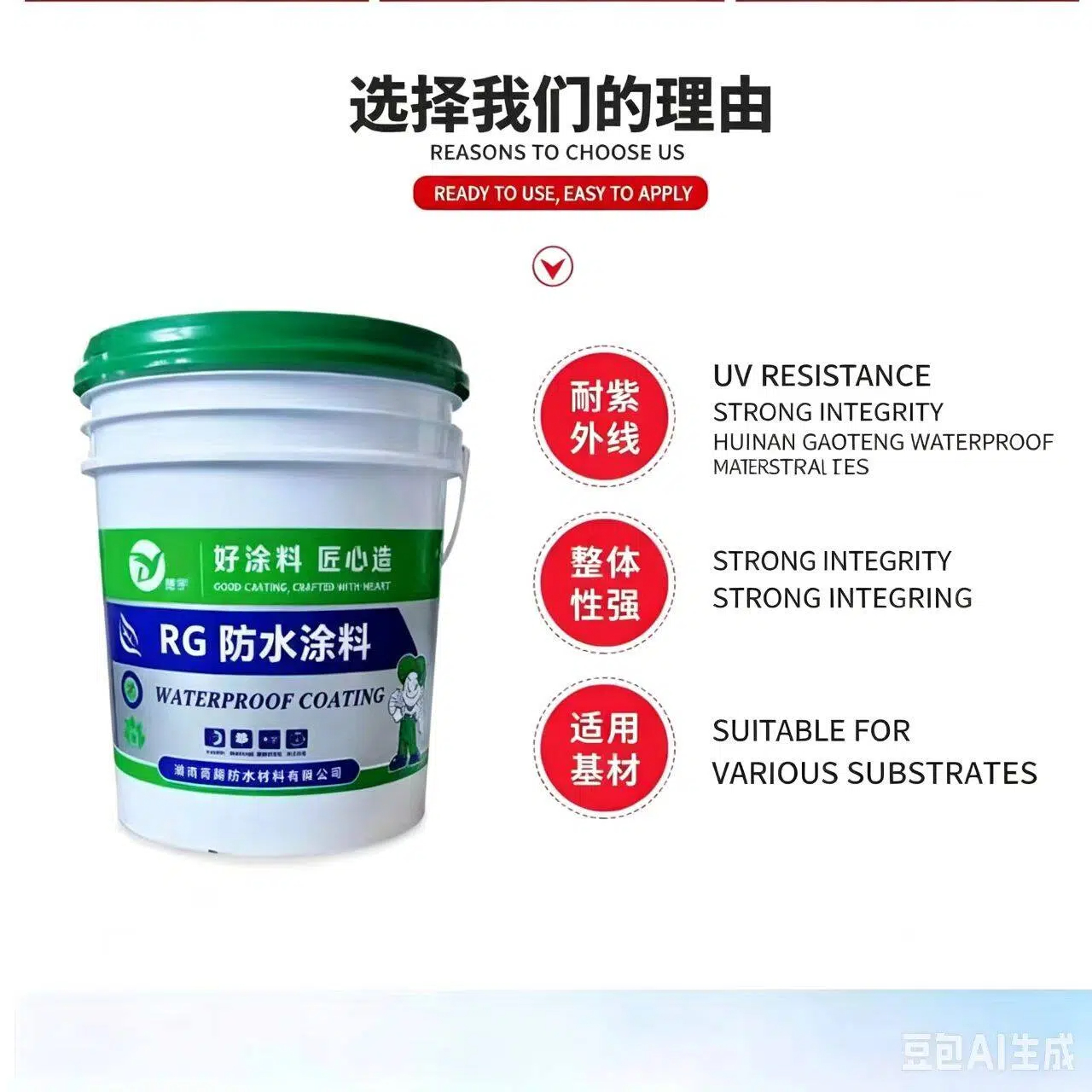
Liquid waterproof coatings in this category are typically used where a continuous, joint-free film is needed over irregular shapes. Typical scenarios include:
- Roofs: exposed concrete roofs, parapets, and detail areas around drains and penetrations.
- Wet areas: kitchens, bathrooms, and balconies where tiling will follow.
- Basements and pools: negative or positive side waterproofing depending on the product chemistry.
- Repair and renovation: re-coating aged surfaces or reinforcing cracks and joints, often combined with a reinforcement fabric.
For large flat roofs or below-grade structural waterproofing, a coating is sometimes paired with a waterproof membrane such as an SBS or self-adhesive membrane. The coating handles complex detailing while the membrane covers broad areas.
Buyer decision table
| Project condition | Material option to consider | What to confirm before inquiry | Notes |
|---|---|---|---|
| Interior wet areas, tile finish to follow | Polymer cement-based (JS) or K11 waterproof mortar | Substrate type, bond with tile adhesive, coats required | Rigid or flexible grade depends on movement expected |
| Exposed roof needing flexibility | Acrylic elastic or polyurethane coating | UV exposure, elongation needed, top-coat requirement | Confirm whether it is a final exposed layer |
| Complex detailing with membranes | Polyurethane coating or non-curing rubber asphalt | Compatibility with the chosen membrane | Often used for joint reinforcement |
| Concrete structure, negative side | Cement-based crystalline coating | Concrete condition, active water pressure | Works within the concrete matrix |
How to choose the right specification
For coatings, the key variables are chemistry (acrylic, polyurethane, cement-based), single or double component, coverage rate per coat, number of coats, and total dry film thickness. Confirm these against your project requirement rather than assuming a standard figure.
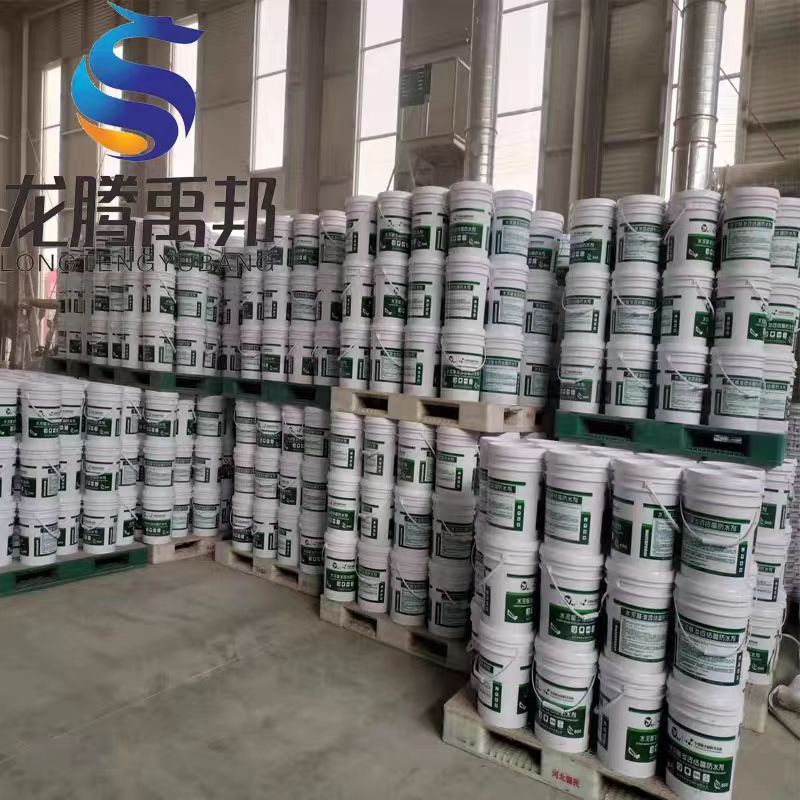
Also confirm whether reinforcement fabric is required at joints and corners, the curing time between coats, and the compatibility with your top finish. For export orders, clarify packing (pail size or bag weight), pallet configuration, total quantity, shelf life, and destination port so the supplier can advise on transport and storage conditions. Climate at the site matters too: high temperature, humidity, and application season affect curing.
Questions to prepare before requesting a quotation
- What is the substrate (concrete, screed, metal, old coating) and its condition?
- Is the application exposed to UV and weather, or will it be covered?
- What total area and dry film thickness do you need?
- Do you have an existing brand specification or data sheet to match?
- Single or double component preferred, and what application method (brush, roller, spray)?
- What packing size, order quantity, and destination port apply?
- What is your required delivery timeline and storage condition at site?
Common mistakes and selection risks
A frequent error is matching only by product name or code without checking chemistry and application conditions. Two coatings may share a similar reference yet differ in solids content, flexibility, or suitable substrate. Another risk is underestimating coats and thickness, which changes the real cost per square metre and the coverage you receive from each pail.
Buyers also sometimes apply an interior-grade coating on an exposed roof, where UV and thermal movement demand a different product. Always confirm whether a coating is intended as a final exposed layer or needs protection. When in doubt, ask for the data sheet and describe the site conditions clearly.
Getting product selection support
If you are comparing a Pentens waterproofing T100 type product with other options, the fastest way to get an accurate answer is to share your substrate, application scenario, required thickness, quantity, and destination port. From there a comparable acrylic, polyurethane, or cement-based coating can be proposed and confirmed against your specification. Reach out with these details and our team can help match a product to your project.