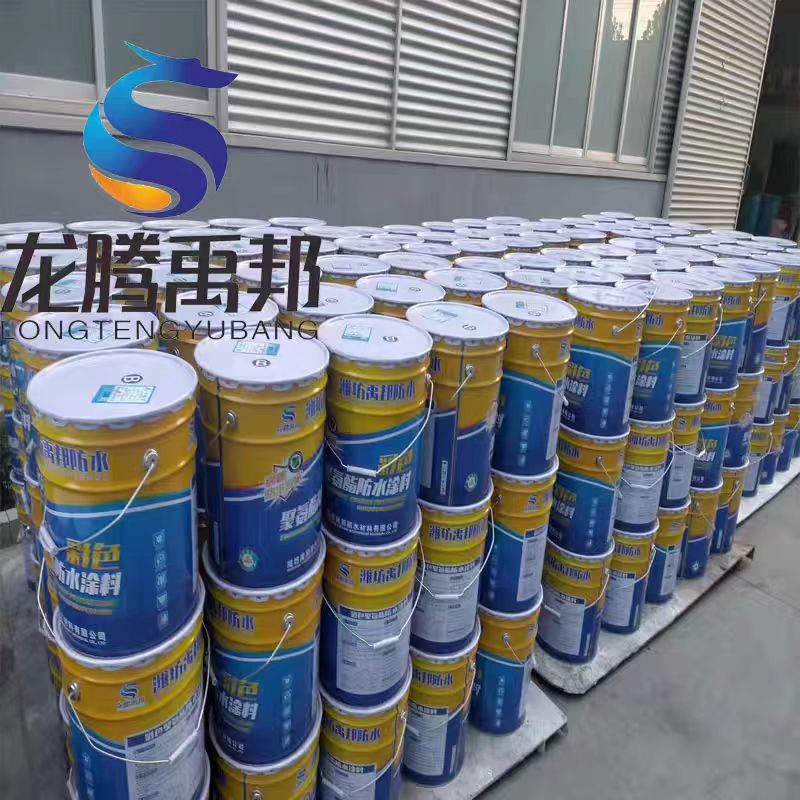
This guide is written for waterproofing contractors, procurement engineers, distributors, and project buyers who are comparing polyurethane waterproofing options for tenders or repeat orders. It focuses on the practical decisions you face: which product suits your substrate, what to confirm before you request a quotation, and how to avoid mismatched specifications.
Polyurethane waterproofing is a liquid-applied coating that cures into a continuous elastic film. Because it is applied by roller, brush, or trowel, it handles complex shapes that sheet membranes struggle with. That flexibility makes it common in wet rooms, roofs, and detailing work, but it also means specification details matter more than a simple product name.
Buyer intent behind "polyurethane waterproofing"
When buyers search for polyurethane waterproofing, they are usually trying to decide between a liquid coating and a sheet system such as a bitumen membrane or PVC membrane, or they need a coating for areas where a self-adhesive membrane cannot easily follow the shape. Some buyers want a full waterproof coating layer; others want a joint and detail reinforcement product used alongside roofing waterproofing membranes.
The keyword also hides a component question. Single-component polyurethane cures with moisture and is easier to apply on site. Two-component polyurethane is mixed before use and is often selected for larger or more demanding areas. The right choice depends on your labour skill, application method, and project size, so it should be confirmed against your actual scope.
Common application scenarios
Polyurethane coatings are chosen where a continuous, seamless-feeling film and good detailing are important. Typical uses include:
- Kitchens and bathrooms: waterproofing under tiles, around drains, and at wall-floor junctions.
- Roofs: both new work and repair, especially on roofs with many penetrations, upstands, or irregular geometry.
- Basements: as a coating layer where surface conditions allow, sometimes combined with cementitious systems.
- Swimming pools and water features: where a flexible film that follows curves is preferred.
- Irregular structures and detailing: pipe collars, corners, and transitions that sheet membranes cannot wrap easily.
- Joint reinforcement: used with bitumen membrane or other sheet systems to seal difficult overlaps.
For large flat exposed roofs, buyers often compare polyurethane coating against SBS membrane, APP membrane, PVC, TPO, or EPDM membrane systems. The best answer depends on climate, exposure, budget, and installation crew, so treat these as options to evaluate rather than fixed rules.
Buyer decision table
| Project condition | Material option | What to confirm before inquiry | Notes |
|---|---|---|---|
| Bathrooms, balconies, small wet areas | Single-component polyurethane coating | Substrate type, area, tile bonding requirement | Often used under tile; confirm compatibility with adhesive |
| Roofs with many penetrations or curves | Two-component polyurethane coating | Total area, exposure, required film thickness | Liquid film follows complex shapes without seams |
| Large flat exposed roof | PVC, TPO, or SBS membrane | Climate, foot traffic, fixing method | Sheet systems may be more efficient over big open areas |
| Detail sealing alongside membranes | Polyurethane coating or butyl tape | Which membrane it must bond to | Confirm adhesion and combined system approach |
| Cold or hot climate roofing | SBS (cold) or APP/modified bitumen (hot) | Destination climate, exposure | Match binder to temperature range |
How to choose specifications
Polyurethane waterproofing is specified differently from sheet membranes because it is measured by coverage and cured film, not roll size. When preparing an inquiry, clarify these points:
- Component type: single-component (moisture cure) or two-component (mixed on site).
- Required dry film thickness: the number of coats and total thickness should match the project specification.
- Coverage and consumption: confirm expected consumption per square metre based on substrate and thickness.
- Substrate: concrete, screed, metal, or existing waterproofing all affect priming and adhesion.
- Reinforcement: some details use a reinforcing fabric embedded in the coating; confirm if this is needed.
- Application method: roller, brush, or trowel, and whether skilled labour is available.
- Packing: pail size and units per pallet affect freight and handling.
- Quantity and destination port: needed for accurate quotation, packing, and lead time.
If you are unsure whether a coating or a membrane fits better, share your drawings or scope so the right combination can be recommended.
Questions to prepare before requesting a quotation
- What is the total waterproofing area and the substrate material?
- Is the surface exposed, covered, or under tiles?
- Do you need single-component or two-component polyurethane?
- What dry film thickness or number of coats does your specification require?
- Is the coating for a full waterproof layer, detailing, or combined with a membrane?
- What is the climate and average temperature at the site?
- What quantity, packing, and destination port apply to this order?
- Do you require any specific local specification or documentation?
Common mistakes and selection risks
A frequent error is choosing polyurethane coating for a very large open roof where a sheet membrane would install faster and more consistently. Another is applying too few coats, which leaves the cured film below the intended thickness. Substrate preparation is often underestimated: dust, moisture, or missing primer can weaken adhesion.
Mixing errors also cause problems with two-component products, so the ratio and mixing time should follow the technical data. Finally, buyers sometimes ignore compatibility when combining a coating with a bitumen membrane or other layer. Always confirm that the products in one system work together before ordering.
Get product selection support
If you are still comparing polyurethane waterproofing against membrane systems, or you are not sure which component type and thickness fit your project, send us your substrate, area, exposure, and destination details. We can help you match the right coating or combined system and prepare a clear quotation based on your actual scope.