This guide is intended for waterproofing contractors, procurement engineers, distributors, and project buyers in Singapore who are comparing liquid-applied membranes and want to understand where PU waterproofing coating fits. If you are sourcing materials for roofs, wet rooms, basements, or complex structures with many penetrations, this article will help you formulate a clearer inquiry and avoid ordering the wrong specification.
Polyurethane (PU) coating is a liquid-applied system that cures into a continuous elastic film. Because it can be brushed, rolled, or sprayed, it conforms to irregular shapes without laps. This makes it particularly useful in situations where sheet membranes are difficult to detail. This guide focuses on selection logic and communication for export markets rather than promising specific performance figures.
FAQ
Is single-component or two-component PU coating better for my project?
It depends on the scale and site conditions. Single-component products are convenient for smaller areas and repair work as they require no mixing. Two-component products are often chosen for larger or thicker applications where controlled curing and higher build are needed. Confirm your project area, thickness target, and available labour before deciding.
Can PU waterproofing coating be applied on damp or green concrete?
Many PU systems require a dry, cured substrate and good adhesion conditions; moisture can cause bubbling or poor bonding. Substrate moisture tolerance varies by product, so confirm the required substrate condition and any primer requirements for Singapore’s climate and your project schedule.
How much coating do I need per square metre?
Consumption depends on the target dry film thickness, substrate roughness, and number of coats. Instead of assuming a single figure, provide your area, desired thickness, and substrate type so consumption can be estimated accurately for your project.
How is PU coating packed for export?
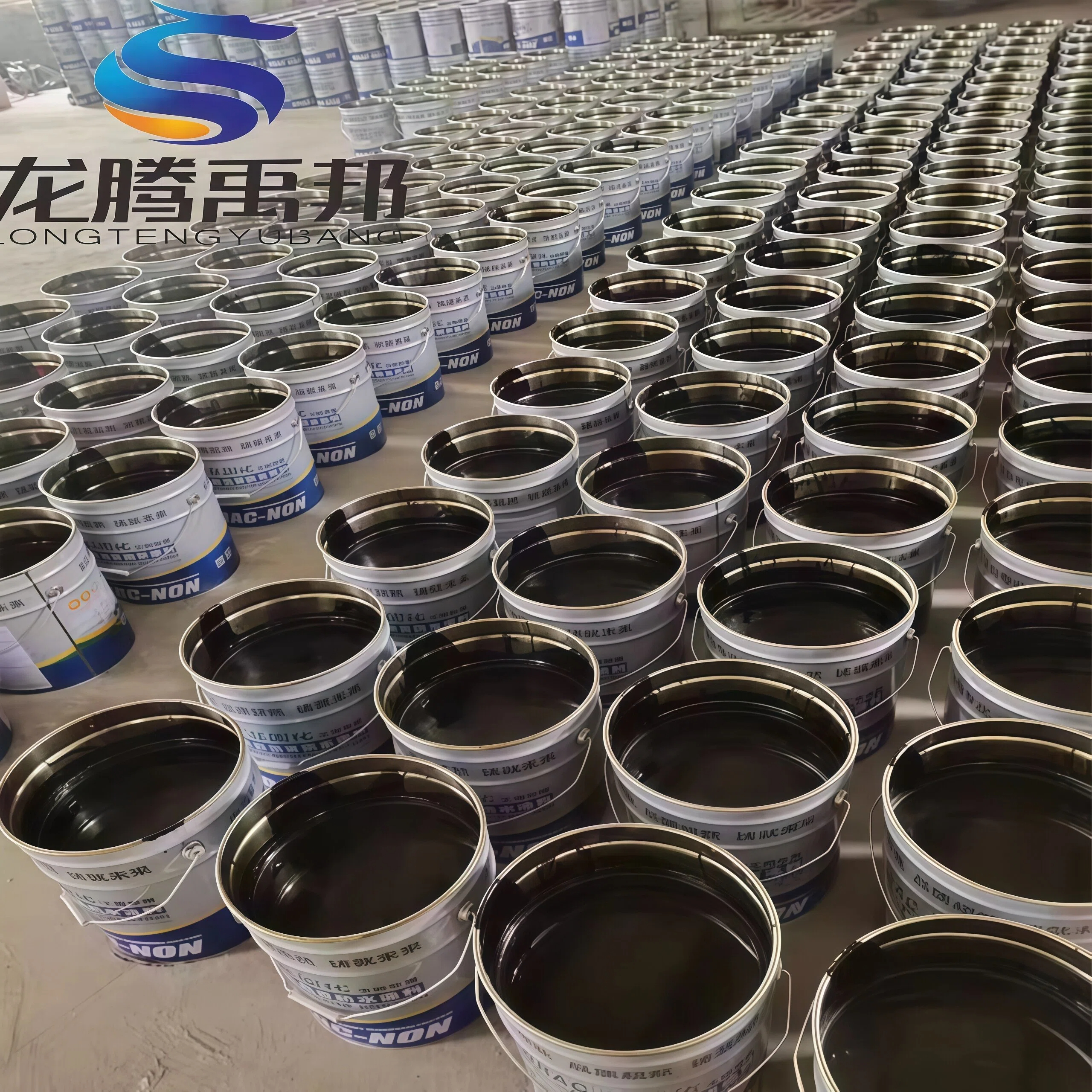
PU coating is typically supplied in pails or drums, with packing size and pallet configuration depending on quantity and destination. Confirm net weight per unit, units per pallet, and container loading with your supplier, along with any shelf-life and storage temperature requirements relevant to Singapore’s shipping routes.
Can I use PU coating together with a sheet membrane?
Yes, liquid coatings are often used to reinforce joints, penetrations, and detailing around a membrane system. Confirm compatibility between the coating and membrane before combining products to ensure proper bonding of the two layers.
Does PU coating need protection after curing?
For trafficked or exposed areas, a protective screed, tiles, or a topcoat may be recommended to guard against mechanical damage and UV exposure. Requirements depend on whether the surface is exposed or covered, so confirm the intended finish for your application.