This guide is written for importers, waterproofing contractors, procurement engineers, and distributors who are comparing PU waterproofing options for a specific project or catalogue. If you are deciding between a liquid-applied polyurethane coating and a sheet membrane, or trying to write a purchase specification that a supplier can quote accurately, the sections below will help you narrow the decision.
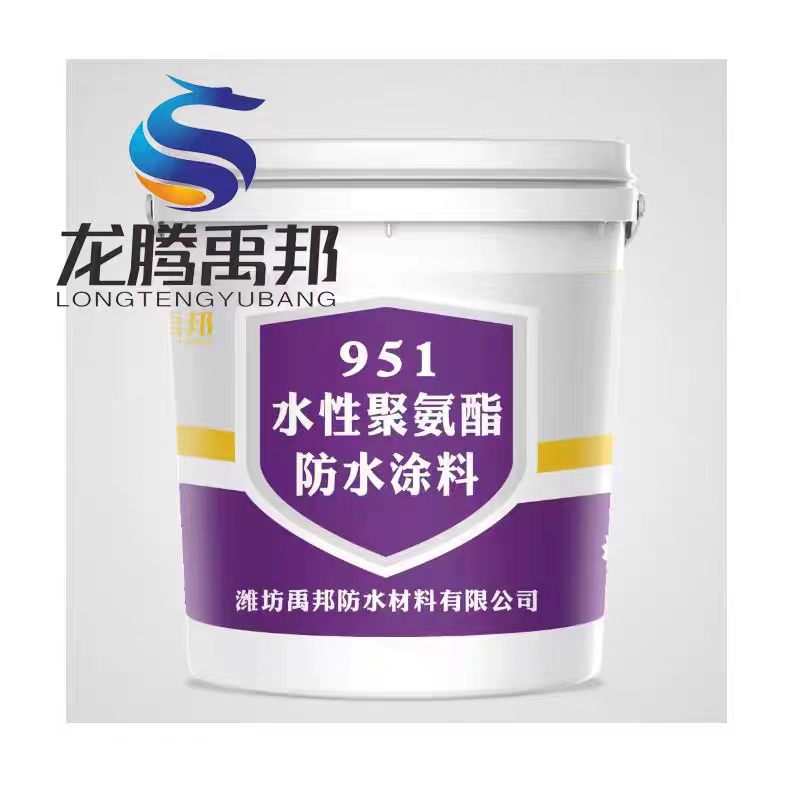
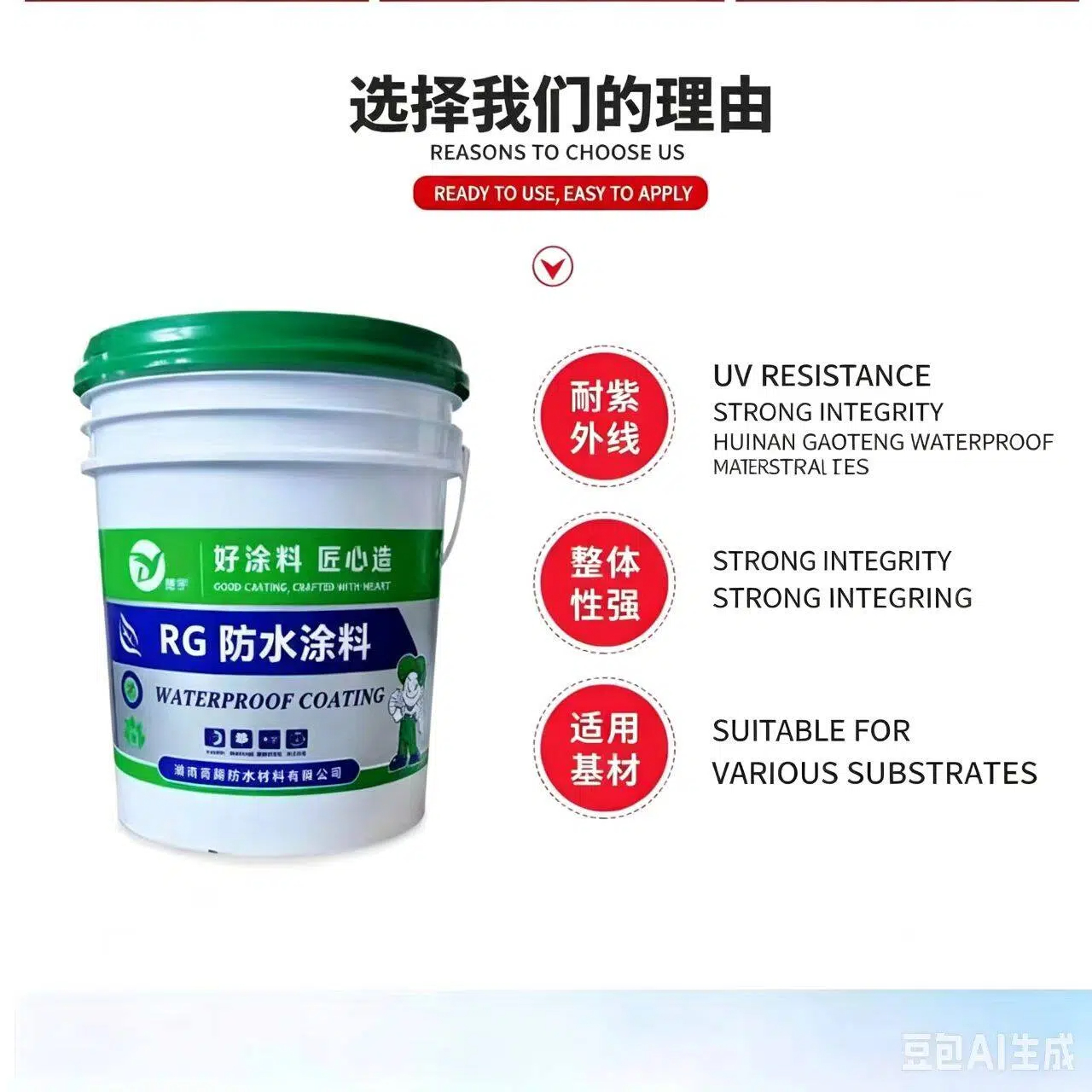
PU waterproofing refers to polyurethane-based liquid coatings that cure into a continuous elastic film. Because it is applied wet and forms no laps, it is often used on irregular structures, wet-area details, and surfaces where a fully bonded finish matters. It is not the only choice for every job, so the goal here is to match project conditions to the right product and the right questions.
Understanding the buyer intent behind "PU waterproofing"
Buyers searching for PU waterproofing usually want one of a few things: a liquid coating for detailed or complex areas, a repair material for old surfaces, or a coating that can be combined with a waterproof membrane at joints and penetrations. Some are comparing PU against acrylic elastic coating, cement-based (JS) coating, or bitumen membrane systems.
Polyurethane coatings are valued for elasticity and their ability to coat around pipes, drains, and corners without seams. They are commonly specified for kitchens, bathrooms, basements, roofs, pools, and irregular concrete structures. Whether a single-component or two-component product suits your project depends on substrate, climate, film thickness, and how the material will be applied on site.
Common application scenarios
PU waterproofing coating is flexible in where it can be used, but each scenario has its own priorities:
- Bathrooms, kitchens, and balconies: continuous film around drains and pipe penetrations where sheet membranes are hard to detail.
- Roofs: exposed or protected roofs, and areas with many upstands, parapets, and outlets.
- Basements and foundations: positive-side coating, often combined with reinforcement at construction joints.
- Swimming pools and water features: curved or irregular surfaces that need a jointless finish.
- Joint and detail reinforcement: used alongside a bitumen membrane, SBS membrane, or self-adhesive membrane to seal terminations and complex areas.
- Renovation and repair: recoating aged surfaces where tearing off an old system is not practical.
For metal roofs, colour steel tile overlaps, and localized cracks, a self-adhesive membrane or butyl tape is often more practical than a full liquid coating, so confirm the substrate before deciding.
Buyer decision table
| Project condition | Material option | What to confirm before inquiry | Notes |
|---|---|---|---|
| Bathroom, kitchen, small wet areas | Single/two-component polyurethane coating | Area in m², substrate type, required dry film thickness | Good for detailing around pipes and floor drains |
| Roof with many details and upstands | PU waterproofing coating | Exposure, slope, expected traffic, topcoat needs | Confirm whether a protective or reflective topcoat is required |
| Basement positive side | PU coating or cement-based crystalline coating | Water table, positive/negative side, substrate moisture | May need joint reinforcement at construction joints |
| Large flat roof, high volume | Bitumen membrane or PVC/TPO membrane | Roof area, insulation, fixing method | Sheet systems can be faster on large open areas |
| Joint sealing with membranes | PU coating or non-curing rubber asphalt coating | Membrane type, joint width, application temperature | Used as reinforcement, not standalone on large areas |
How to choose specifications
Once the material family is decided, specifications drive both performance and price. When preparing a PU waterproofing enquiry, be ready to discuss:
- Component type: single-component (ready to use) versus two-component (mixed on site), which affects labour and open time.
- Dry film thickness: the target thickness should follow your project specification and application scenario, applied in one or more coats.
- Reinforcement: whether a reinforcing fabric is required at joints, corners, or across cracks.
- Application method: brush, roller, trowel, or spray, since this affects packaging and coverage per coat.
- Substrate and primer: concrete, screed, metal, or existing coating, and whether a primer is needed.
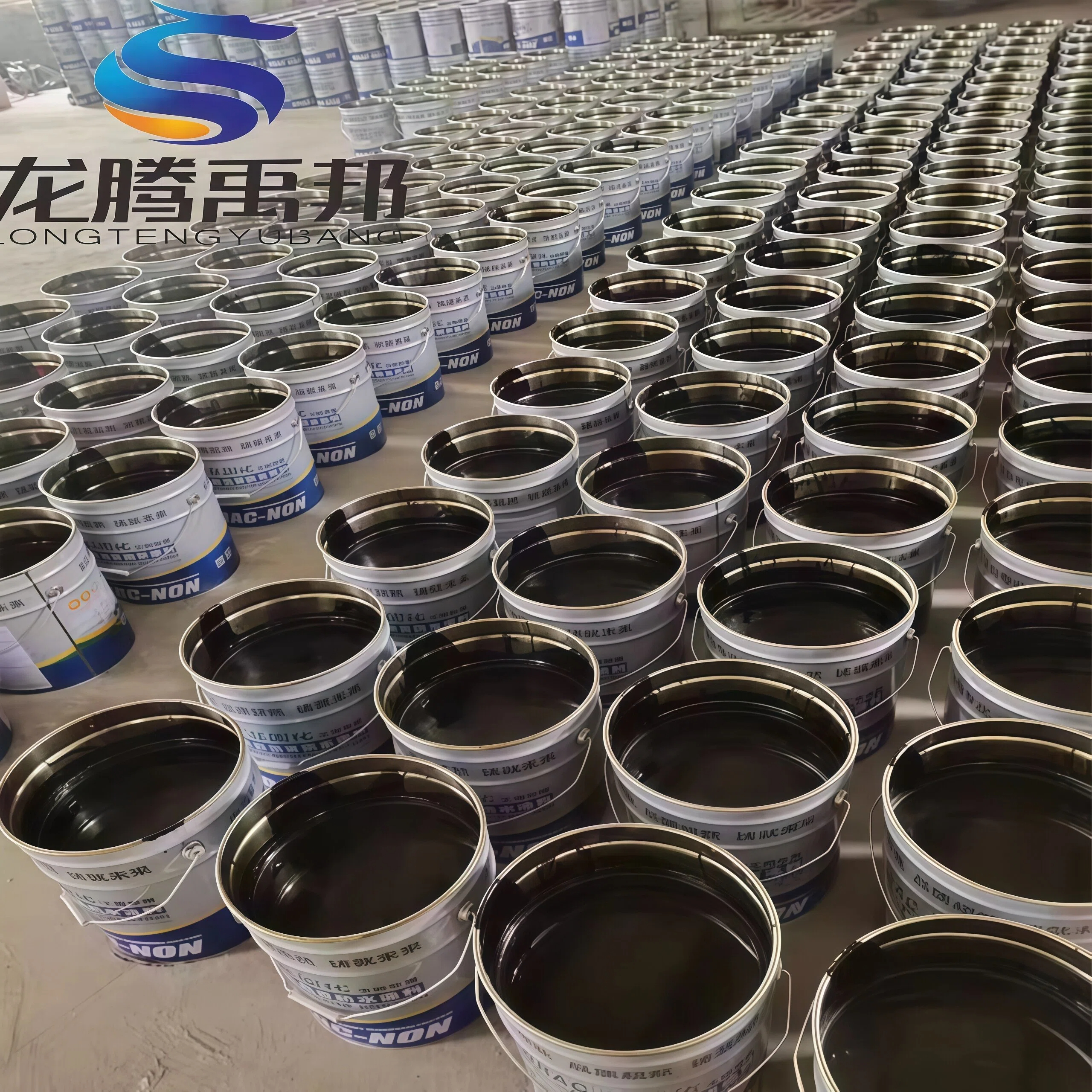
- Packing: pail size, units per pallet, and total weight for container loading.
- Quantity and destination port: so the supplier can advise on lead time, packaging, and shipment.
Coverage and coat count depend on substrate roughness and required thickness, so treat any coverage figure as an estimate to be confirmed for your surface and specification.
Questions to prepare before requesting a quotation
- What is the application area, and what is the substrate type and condition?
- Indoor, outdoor, exposed, or covered? What is the local climate at installation?
- Do you prefer single-component or two-component polyurethane, or are you open to advice?
- What dry film thickness or specification does your project require?
- Is reinforcement fabric or a primer part of your intended system?
- What total quantity do you need, and what is the destination port?
- Do you need matching detail products, such as a membrane or joint sealant, in the same shipment?
Common mistakes and selection risks
A few recurring issues cause returns, delays, or on-site failures:
- Skipping substrate checks: PU coatings need a clean, sound, and appropriately dry surface. Moisture and dust are common causes of poor adhesion.
- Applying too thin: using less material than the specification calls for reduces the intended film thickness.
- Ignoring the application environment: temperature and humidity affect curing, so confirm site conditions match the product's requirements.
- Using a liquid coating where a sheet is better: on very large flat roofs, a membrane may be more efficient. Match the method to the area.
- Vague enquiries: requesting a quote without area, substrate, thickness, and destination leads to inaccurate pricing and repeated back-and-forth.
Performance depends on correct product selection, surface preparation, and installation, so any claim about durability should be tied to your specification and confirmed for your conditions.
Getting the right selection support
The right PU waterproofing choice depends on your substrate, climate, film thickness, application method, and volume. If you share those details along with your destination port, we can help you compare a polyurethane coating against other options, suggest matching detail materials, and confirm packing for your shipment. Send your project information and we will help you build a clear specification before quoting.