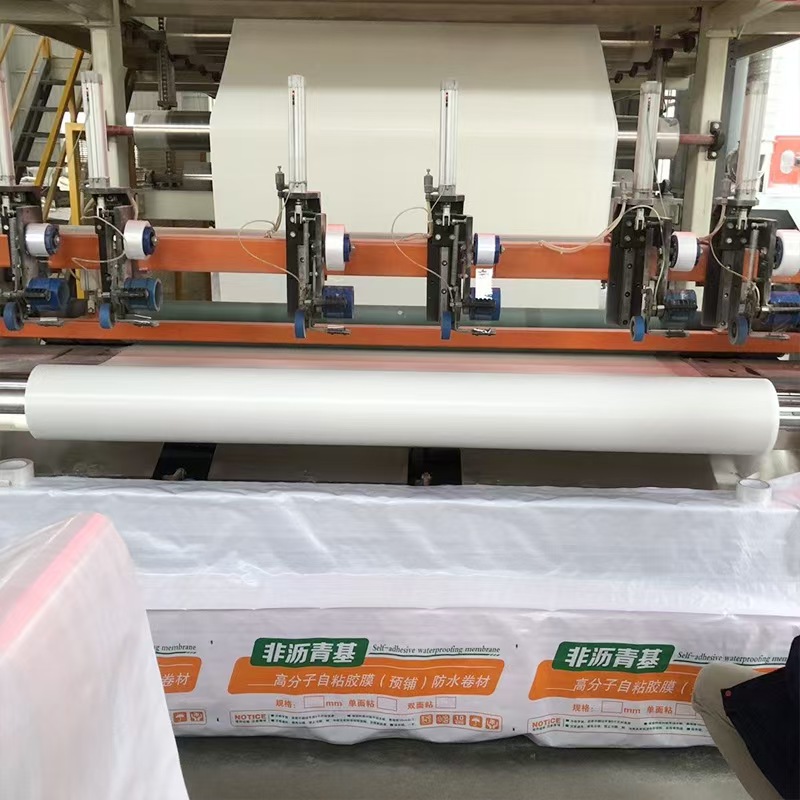
This guide is written for importers, waterproofing contractors, procurement engineers, and roofing companies who are comparing single-ply membranes and need to make a confident purchasing or specification decision. If you are weighing a PVC waterproofing membrane against other systems, or trying to define the right thickness and width for a project, the points below should help you frame your inquiry.
Instead of general marketing claims, we focus on the practical questions that affect price, lead time, and installation success. Where a detail depends on your project, we say so clearly, because the correct answer usually depends on substrate, climate, and local specification.
Understanding the buyer intent behind "pvc waterproofing membrane"
When buyers search for a PVC waterproofing membrane, they are usually looking for a thermoplastic single-ply membrane that can be hot-air welded at the seams and used on exposed roofs, water pools, or below-grade structures. The search often signals one of a few needs: comparing PVC against TPO, EPDM, or bitumen membrane; confirming whether a reinforced or non-reinforced sheet is required; or preparing a bill of materials for a specific roofing or basement project.
PVC membrane is a flexible synthetic sheet based on polyvinyl chloride, commonly welded at overlaps to form continuous coverage. Buyers typically want to know which grade fits their application, what accessories are needed, and how to package and ship efficiently to their destination port. Clarifying these points early makes quotations faster and more accurate.
Common application scenarios
PVC waterproof membrane is used across several building and infrastructure situations. Matching the scenario to the correct membrane type reduces the risk of installation problems.
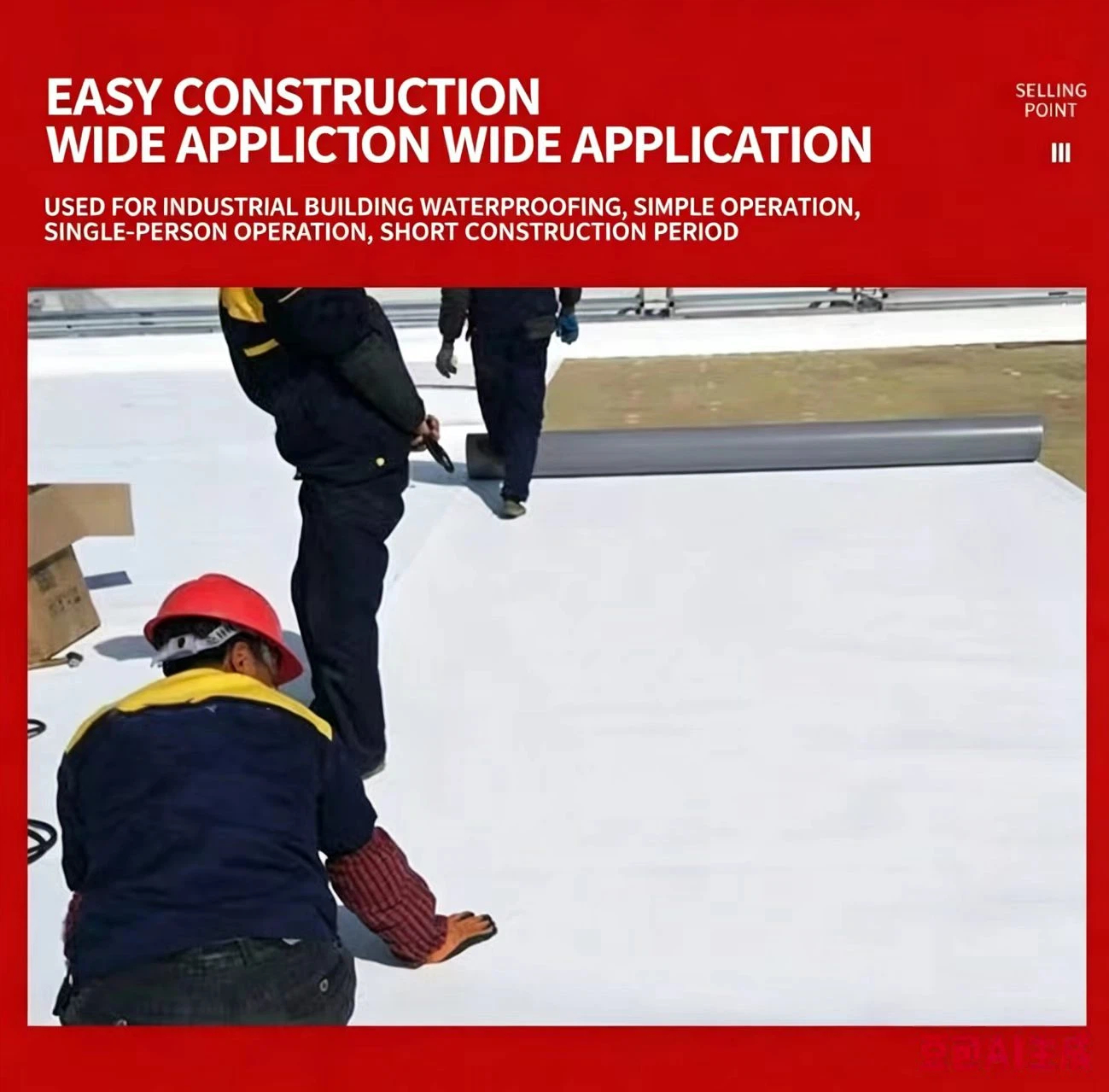
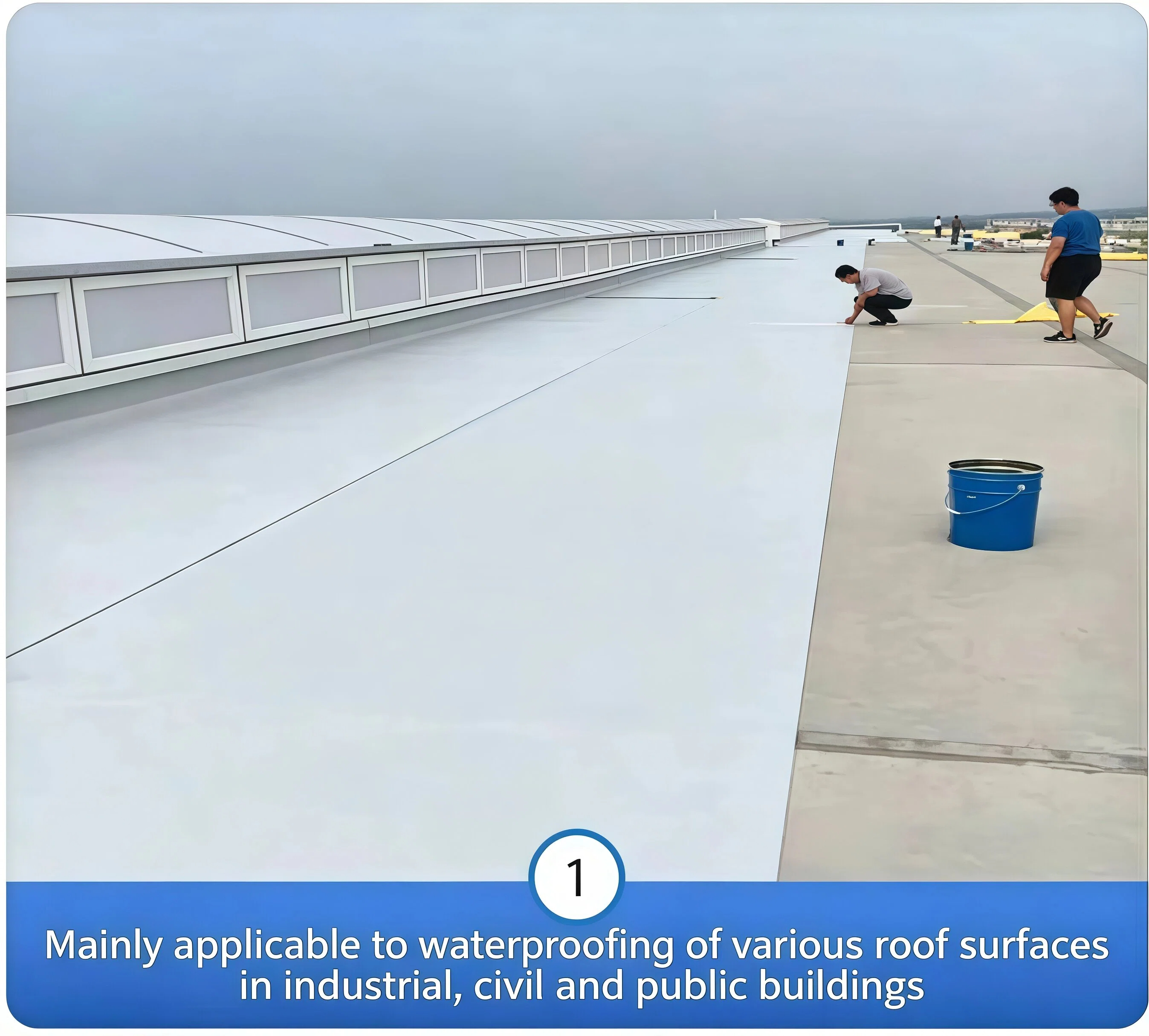
- Exposed roofing: Flat or low-slope roofs where the membrane stays visible and is mechanically fixed or adhered. Reinforced grades are commonly specified here.
- Basement and below-grade walls: Areas requiring continuous coverage and detailing at penetrations and joints.
- Water pools and containment: Reservoirs and tanks where welded seams and chemical resistance matter.
- Municipal pipe corridors and tunnels: Utility structures needing durable, weldable sheets.
- Chemical or corrosive environments: Where resistance to certain media is a selection factor; the specific media should always be confirmed against the material.
For metal roof repair or overlap sealing, a self-adhesive membrane or butyl tape is often more suitable than a welded PVC sheet, so define the substrate before choosing.
Buyer decision table
| Project condition | Material option | What to confirm before inquiry | Notes |
|---|---|---|---|
| Exposed flat roof, mechanically fixed | Reinforced PVC membrane | Thickness, roll size, fixing method, insulation type | Reinforcement helps dimensional stability under fixing |
| Water pool or tank lining | PVC membrane, welded seams | Water contact requirements, seam detailing, thickness | Welding equipment and trained crew needed |
| Corrosive or chemical exposure | PVC membrane | Exact chemical media and concentration | Compatibility must be verified for each medium |
| Basement below-grade | PVC or pre-applied self-adhesive membrane | Positive or negative side, groundwater conditions | Detailing at joints is critical |
| All-climate exposed roof, alternative to PVC | TPO or EPDM membrane | Climate, UV exposure, project spec | Compare weldability and elongation needs |
How to choose specifications
Getting the specification right avoids re-quoting and shipping the wrong product. Consider the following when defining your PVC membrane order:
- Thickness: Selected according to project requirement and local specification. Confirm the target value rather than assuming a standard.
- Reinforcement: Polyester-reinforced or glass-fiber grades differ from homogeneous sheets. Choose based on fixing method and dimensional stability needs.
- Roll width and length: Affect the number of seams and site handling. Confirm what fits your labour and logistics.
- Surface finish and colour: Some projects require specific colours or a signal layer; state this in the inquiry.
- Installation method: Mechanically fixed, fully adhered, or loose-laid ballasted. This changes the accessories and possibly the grade.
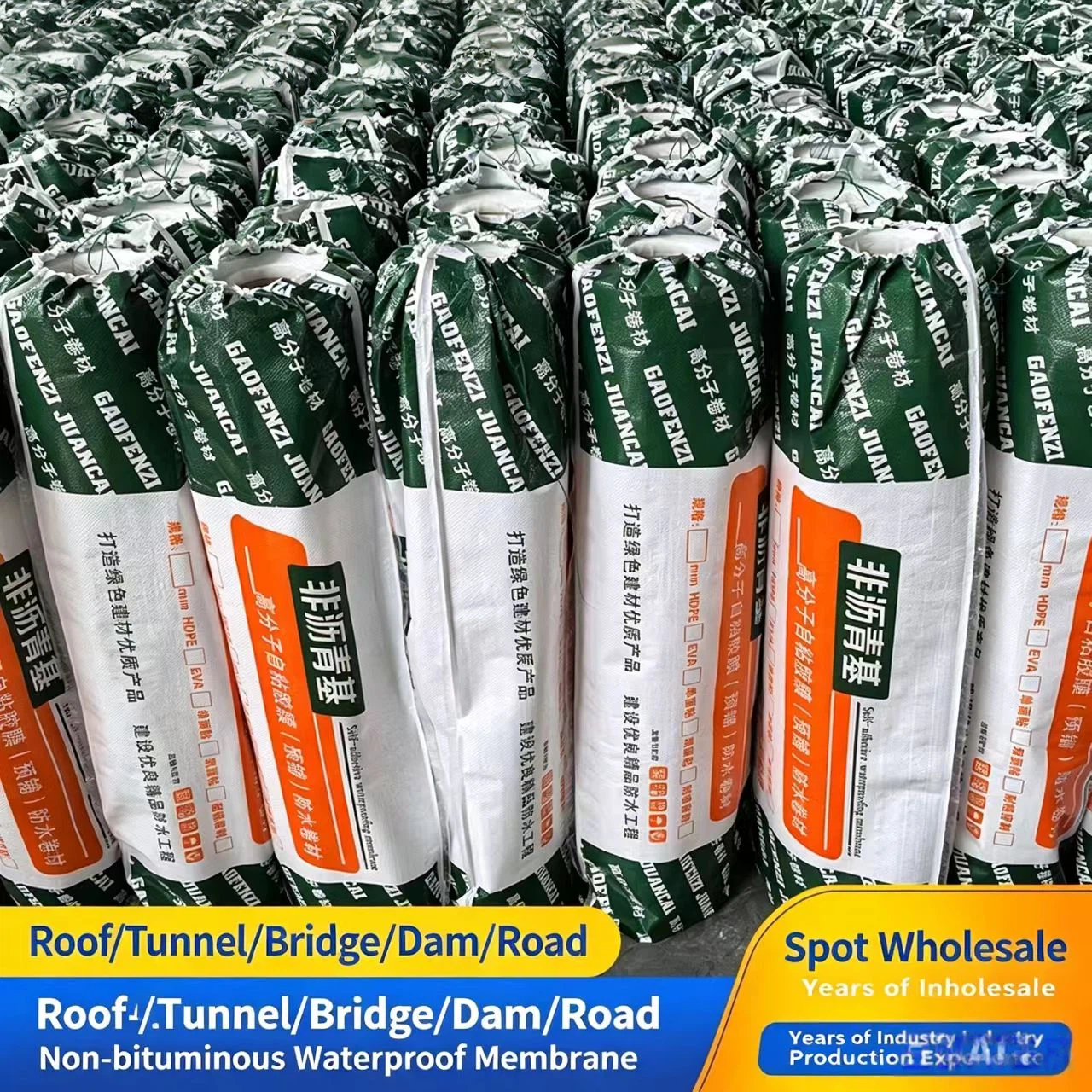
- Packing and quantity: Rolls per pallet, container loading, and total square metres. Provide your estimated volume.
- Destination port: Needed for freight and lead-time planning.
If you are unsure whether PVC, TPO, or EPDM suits your climate and exposure, share the project details so a suitable option can be recommended.
Questions to prepare before requesting a quotation
- What is the application: roof, basement, pool, tunnel, or other?
- What thickness and roll size are required by your specification?
- Do you need reinforced or non-reinforced membrane?
- What installation method will the contractor use?
- What total quantity in square metres do you expect?
- What is your destination port and preferred packing?
- Are there any chemical, UV, or temperature exposure conditions to consider?
Common mistakes and selection risks
A few recurring issues cause delays or performance problems:
- Ordering a membrane grade that does not match the fixing method, for example a non-reinforced sheet where mechanical fixing is planned.
- Assuming a standard thickness instead of confirming the project specification.
- Overlooking seam welding equipment and crew skill, which are essential for PVC systems.
- Ignoring compatibility with specific chemicals; general corrosion resistance does not cover every medium.
- Not confirming detailing materials for penetrations, corners, and terminations, which are common leak points.
Getting the right product selected for your project
Choosing a PVC waterproofing membrane is easier when the project conditions are clear. If you can share substrate, climate, installation method, thickness, quantity, and destination port, our team can help match a suitable membrane grade and confirm packing and lead time. Reach out with your project details and we will support the selection rather than push a single product.