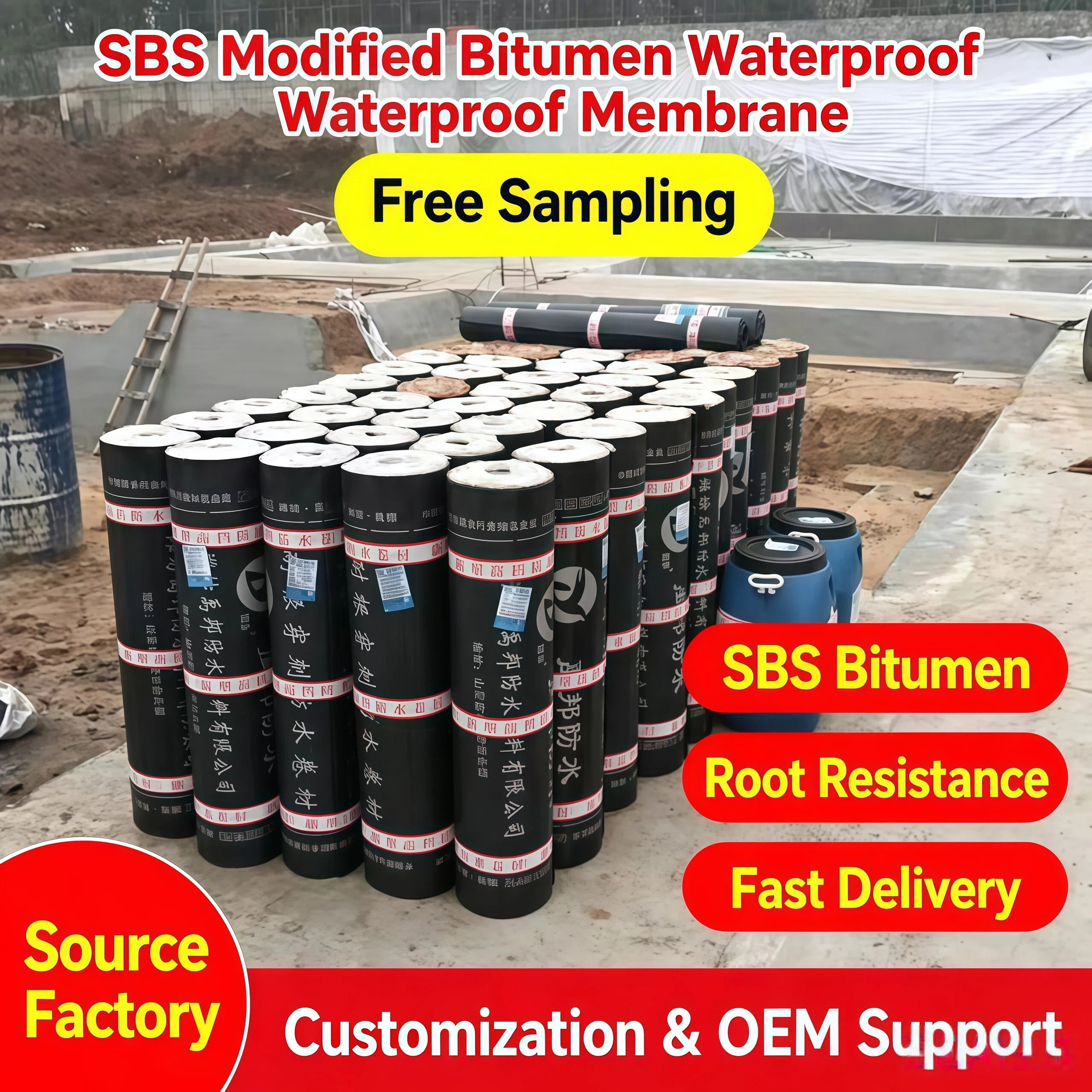
This guide is written for importers, waterproofing contractors, procurement engineers, and roofing companies in Singapore who need to specify or purchase a roof waterproof membrane for actual projects. If you are comparing bitumen membranes against thermoplastic or synthetic rubber systems, and want to send a clear enquiry instead of a vague one, the sections below will assist you.
The aim is to help you narrow down options based on climate, substrate, exposure, and installation method, so the quotation you receive matches your site’s actual requirements.
Understanding the buyer intent behind "roof waterproof membrane"
When buyers search for a roof waterproof membrane, they usually fall into one of three groups. Some are looking for a specific product family, such as SBS membrane, APP membrane, self-adhesive membrane, or PVC/TPO/EPDM membrane. Others are still deciding which category fits their roofing waterproofing project. A third group is sourcing for repair or renovation work on existing roofs.
The term is broad, so the right answer depends on details only the buyer knows: is the roof exposed or covered, what is the substrate, what is the climate at the destination, and how will the membrane be installed? A useful quotation starts with those facts, not with a single "best" product.
Common application scenarios for roof membranes
Different roofs place different demands on a waterproof membrane. Matching the scenario to the product category avoids most sourcing mistakes.
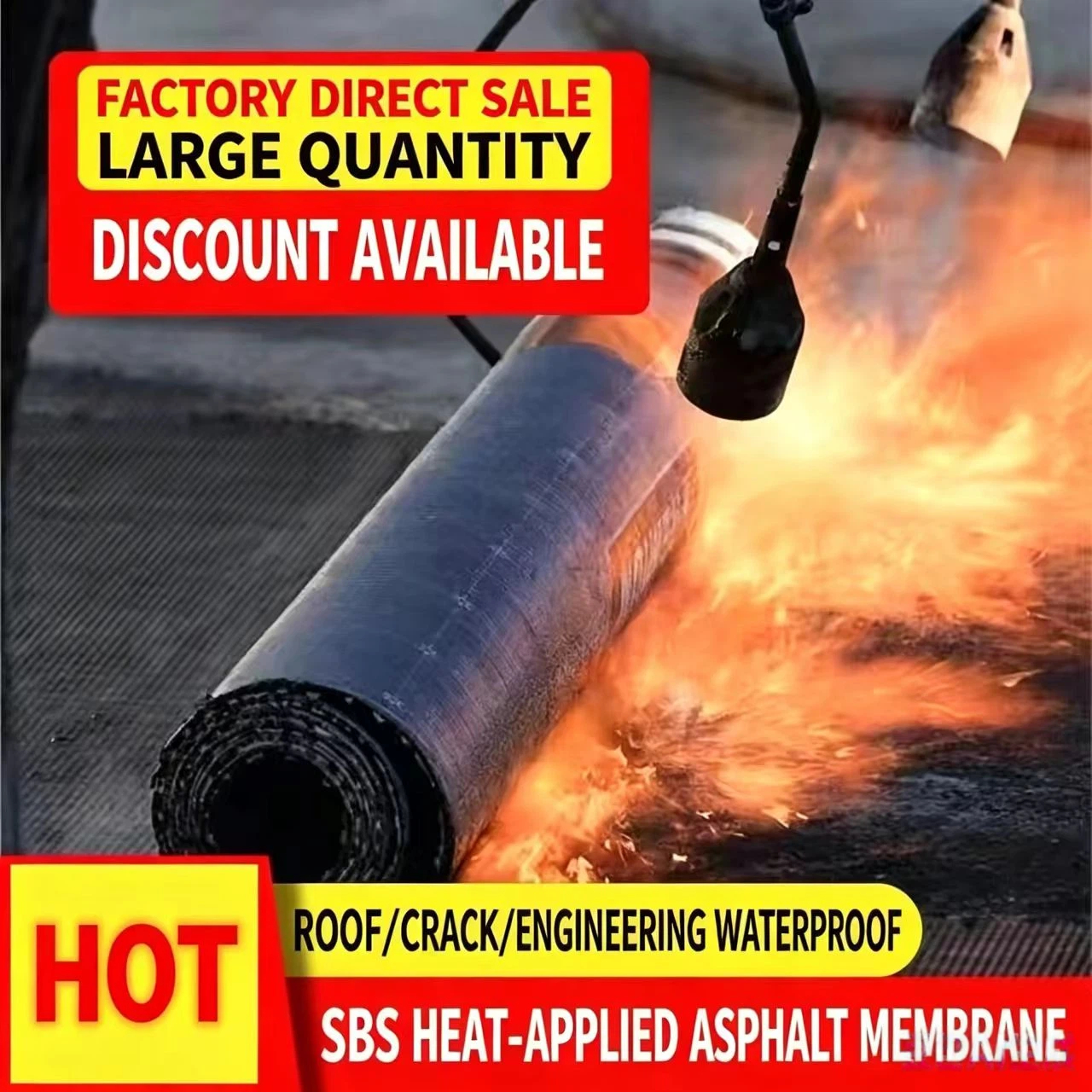
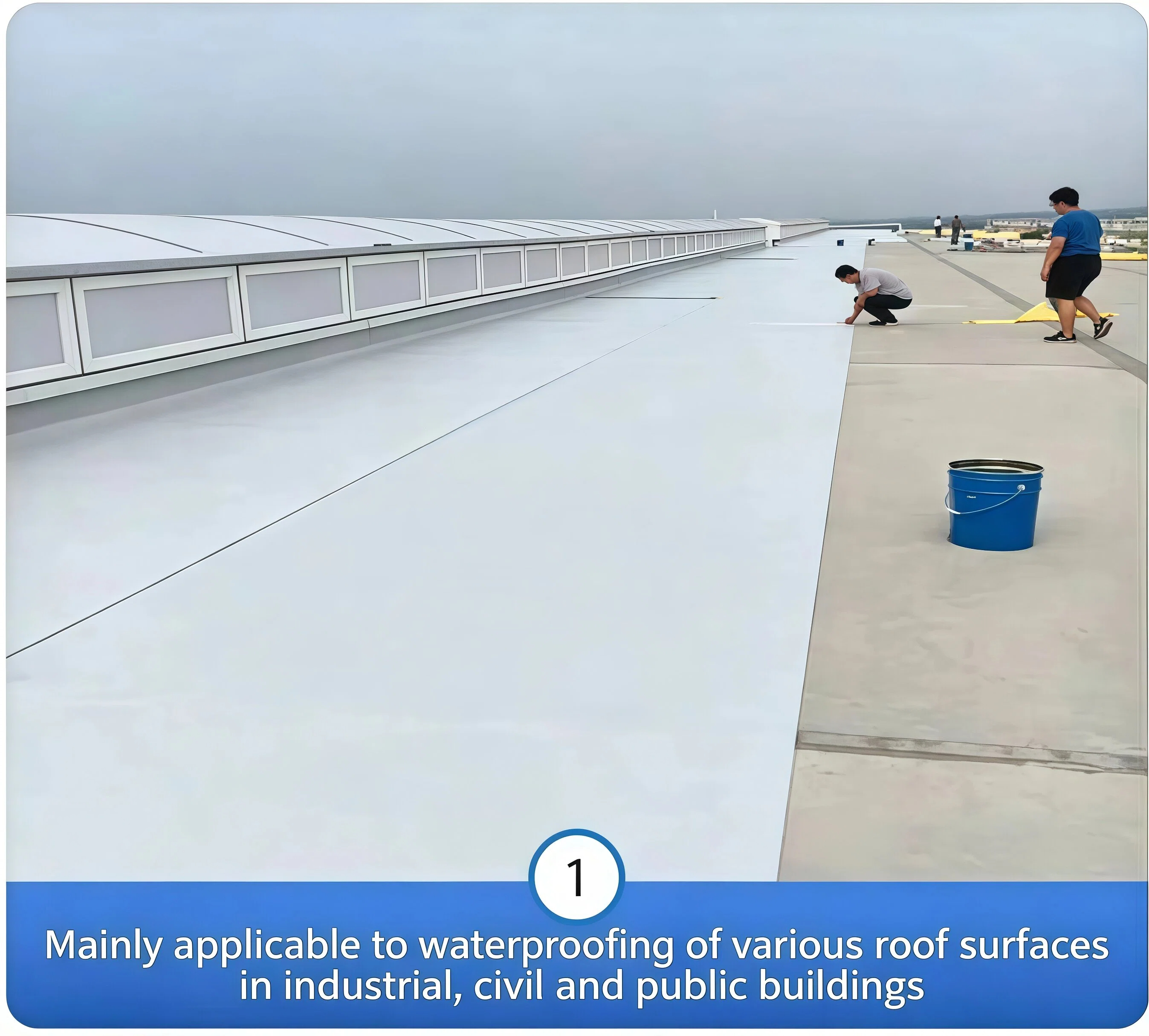
- Exposed concrete roofs: Often use torch-applied bitumen membranes or exposed synthetic membranes such as PVC or TPO, depending on climate and UV exposure.
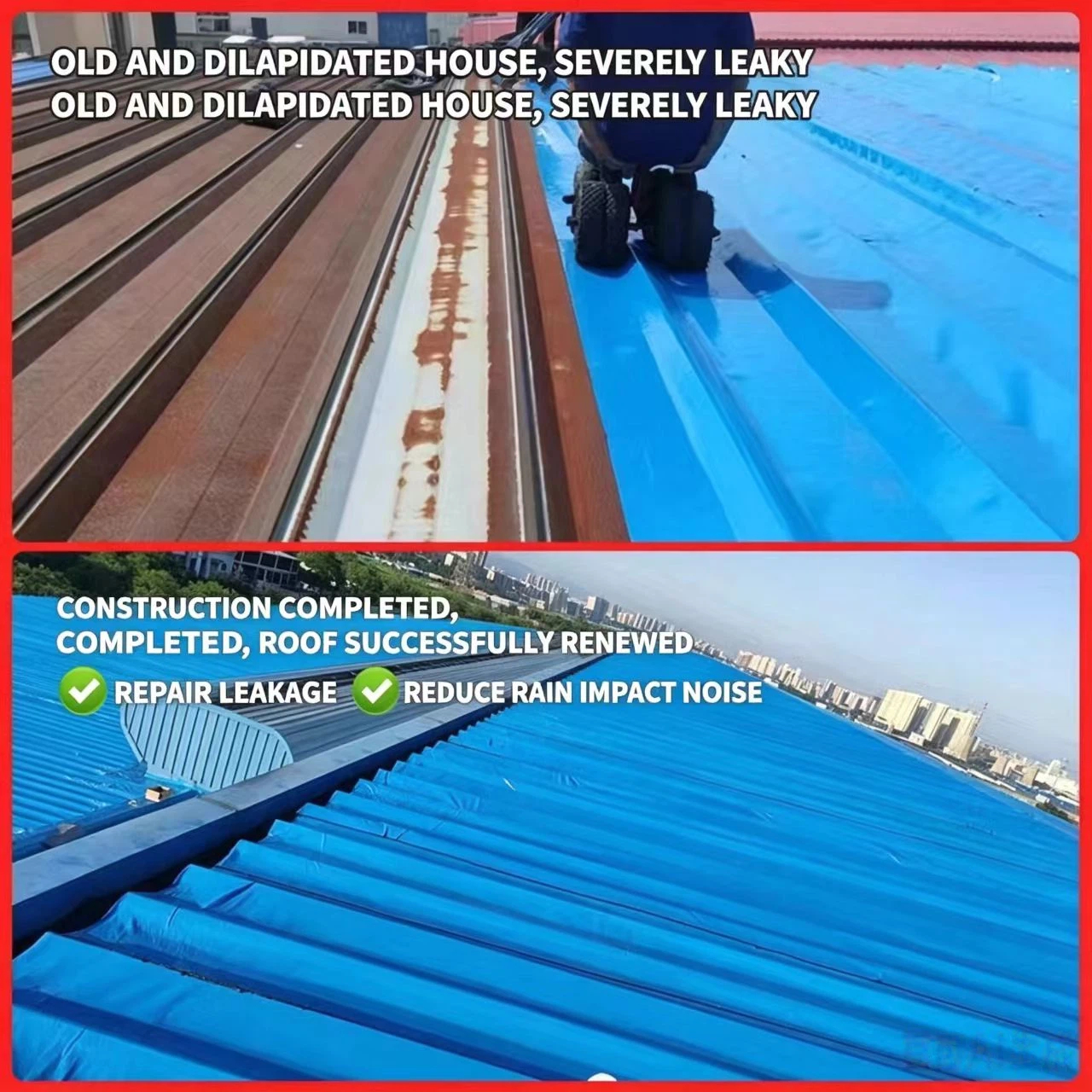
- Metal and colour steel tile roofs: Frequently addressed with self-adhesive membranes made for metal substrates, plus tape for overlaps and pipe openings.
- Covered or ballasted roofs: May use SBS membranes or other systems where UV exposure is limited.
- Photovoltaic and large factory roofs: Often use thermoplastic membranes suited to wide areas and hot-air welding.
- Roof repair and renovation: May combine liquid waterproof coatings, sealing tape, and self-adhesive membranes over existing surfaces.
The same site can call for more than one product, for example a membrane over the field and a coating or tape at details.
Buyer decision table
| Project condition | Material option | What to confirm before enquiry | Notes |
|---|---|---|---|
| Exposed concrete roof, hot climate | APP-type modified bitumen membrane or exposed synthetic membrane | Substrate, thickness, surface finish, UV exposure | High-temperature performance depends on formulation; confirm for your region. |
| Exposed roof, cold climate | SBS modified bitumen membrane | Thickness, reinforcement, installation method | SBS is commonly chosen for low-temperature flexibility; verify against local specification. |
| Metal / colour steel tile roof | Self-adhesive membrane for metal substrates plus butyl tape | Roof type (new or old), overlap detail, surface preparation | Metal roofs need products intended for that substrate. |
| Large factory or PV roof | TPO or PVC membrane | Area, welding method, thickness, reinforcement | Thermoplastic systems suit welded seams over wide areas. |
| Where open flame is not allowed | Self-adhesive modified bitumen membrane | Substrate, primer, ambient temperature | Cold-applied options avoid torching on site. |
| Roof repair / detailing | Waterproof coating or sealing tape | Existing surface condition, crack width | Often used together with a field membrane. |
How to choose specifications
Once the category is clear, the specification decides the price and performance you will receive. Confirm these points before requesting a quotation:
- Thickness: Membranes come in different thicknesses; the required value should follow your project specification or local standard.
- Roll width and length: Affects coverage per roll, waste, and labour.
- Surface finish: Sand, film, mineral, or foil surfaces suit different exposure and installation needs.
- Reinforcement: Polyester or fibreglass carriers behave differently under stress and temperature.
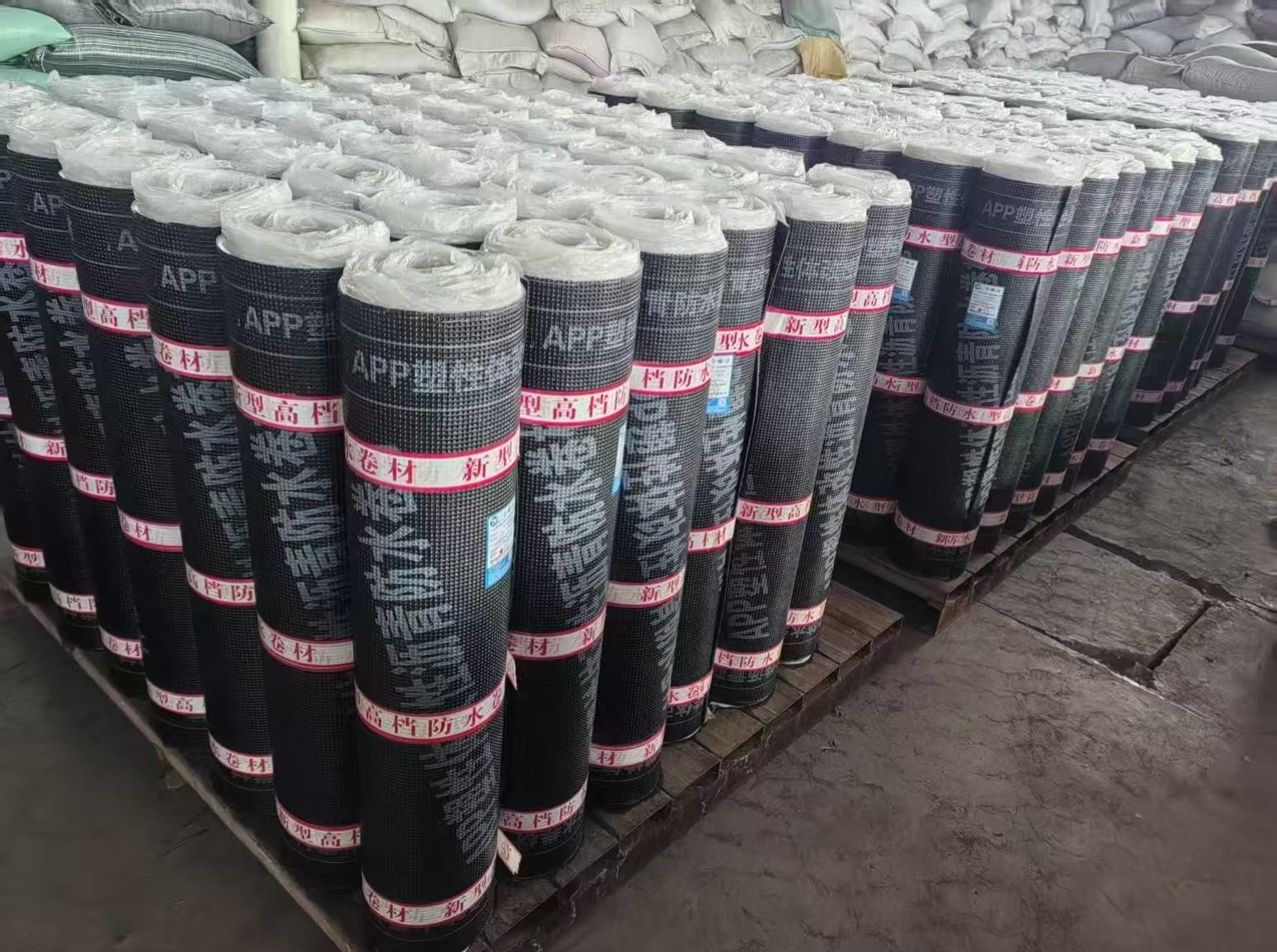
- Installation method: Torch, hot-air weld, self-adhesive, or mechanically fastened.
- Packing: Rolls per pallet, pallet size, and container loading.
- Quantity and destination port: Needed for accurate freight and lead-time estimates.
Where any of these depend on site conditions, it is better to state your requirement and let the supplier confirm the suitable specification.
Questions to prepare before requesting a quotation
- Is the roof exposed to sunlight, covered, or ballasted?
- What is the substrate: concrete, metal, existing membrane, or another material?
- What is the climate at the project site, especially peak summer and winter temperatures?
- Which installation method can your crew use on site?
- What thickness and roll size does your specification require?
- What is the total area or estimated quantity in square metres?
- What is the destination port and preferred packing?
- Are there local standards or approvals the material must meet?
Sending these details in the first message usually produces a faster, more accurate offer.
Common mistakes and selection risks
A few recurring errors cause problems in roofing waterproofing projects:
- Choosing by price alone: A thinner or under-reinforced membrane may not suit the exposure or climate.
- Ignoring the substrate: A membrane made for concrete may not be right for a metal roof, and vice versa.
- Overlooking installation method: Specifying a torch-applied product where open flame is restricted creates site problems.
- Skipping detailing: Field membranes still need proper treatment at seams, penetrations, and upstands, often with tape or coating.
- Assuming one product fits all roofs: Different projects in the same portfolio may need different systems.
Getting product selection support
Choosing a roof waterproof membrane is easier when the material is matched to your substrate, climate, and installation method rather than picked randomly from a catalogue. If you share your project conditions and target quantity, we can help you compare suitable options and confirm the specification before you commit to an order. Reach out with your roof details and destination, and we will help you shortlist the right system.