This guide is written for waterproofing contractors, procurement engineers, roofing companies, and distributors who need to source a roof waterproof sheet for a specific project or for stock. It focuses on how to match a membrane type to your roof condition, climate, and installation method, so your inquiry is clear and your quotation is accurate.
Instead of pushing a single product, it explains the main sheet types used in roofing waterproofing and what details you should confirm before you contact a supplier. The goal is to help you avoid ordering the wrong thickness, width, or surface finish for your site.
Understanding the buyer intent behind "roof waterproof sheet"
The term roof waterproof sheet is broad. It can refer to a bitumen membrane, a self-adhesive membrane, or a single-ply plastic or rubber sheet such as PVC, TPO, or EPDM. When buyers search this phrase, they usually want one of three things: a waterproof layer for a new roof, a repair material for an ageing roof, or a comparison to decide which membrane fits their budget and climate.
Because roofing waterproofing depends heavily on substrate and exposure, there is no universal answer. A hot climate exposed roof, a cold region roof, and a metal colour steel tile roof each favour different materials. Clarifying your real intent first makes supplier communication faster and reduces the chance of a mismatch.
Common application scenarios for roof waterproofing
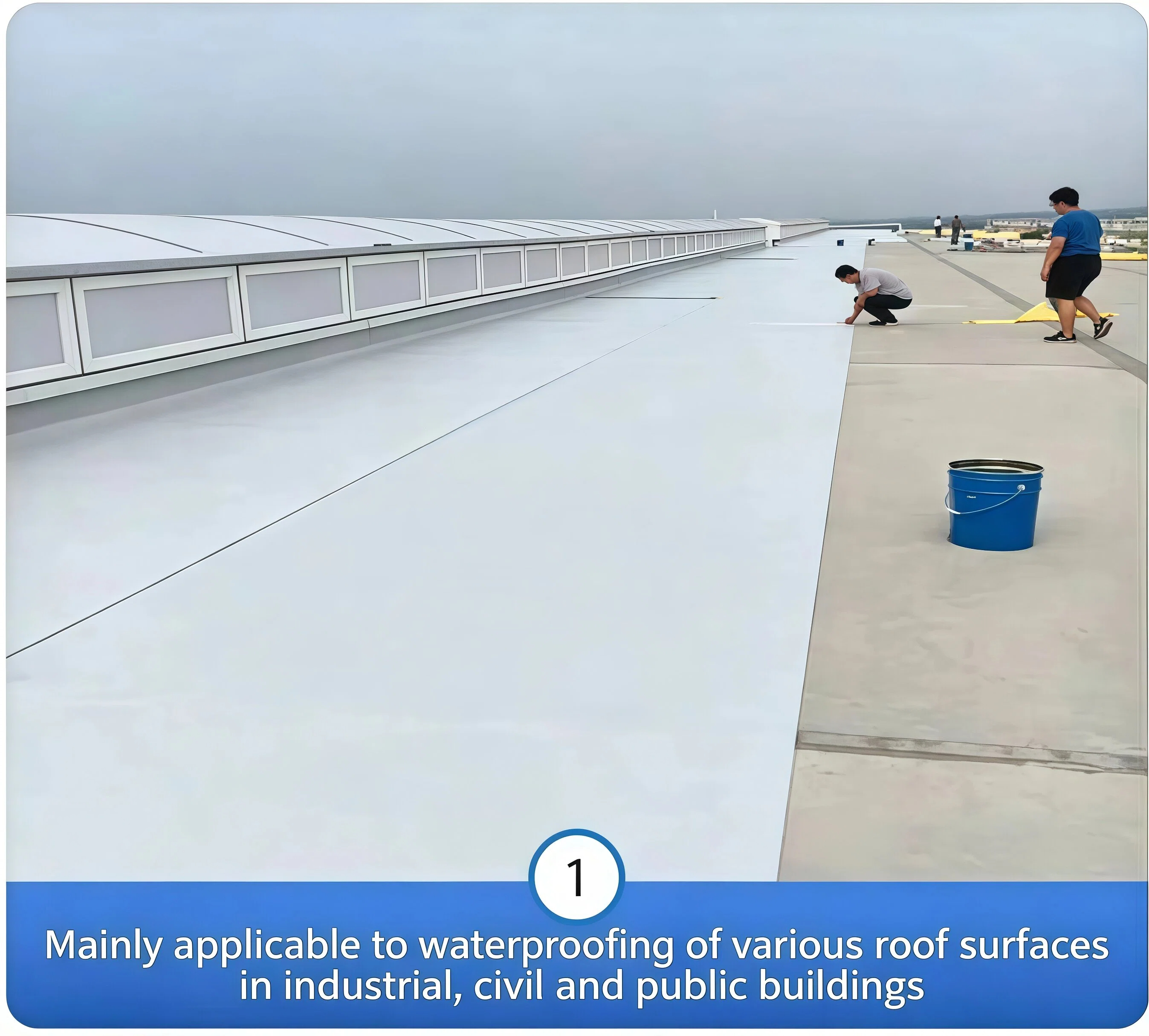
Different roofs call for different sheet solutions. Below are typical scenarios where a waterproof membrane or coating is specified.
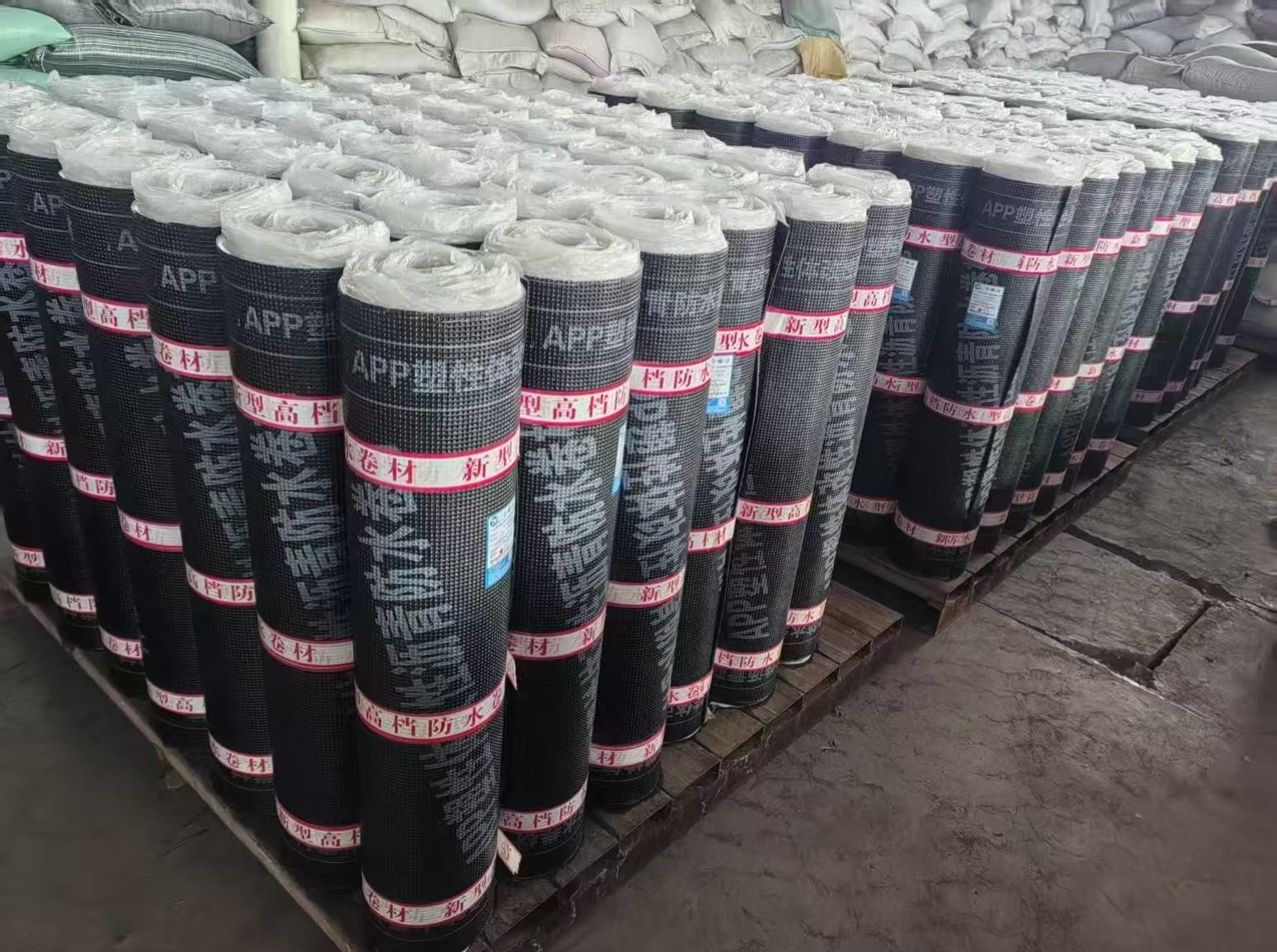
- Exposed concrete roofs: Often use modified bitumen membrane, SBS or APP membrane, or single-ply PVC/TPO/EPDM depending on climate and finish requirements.
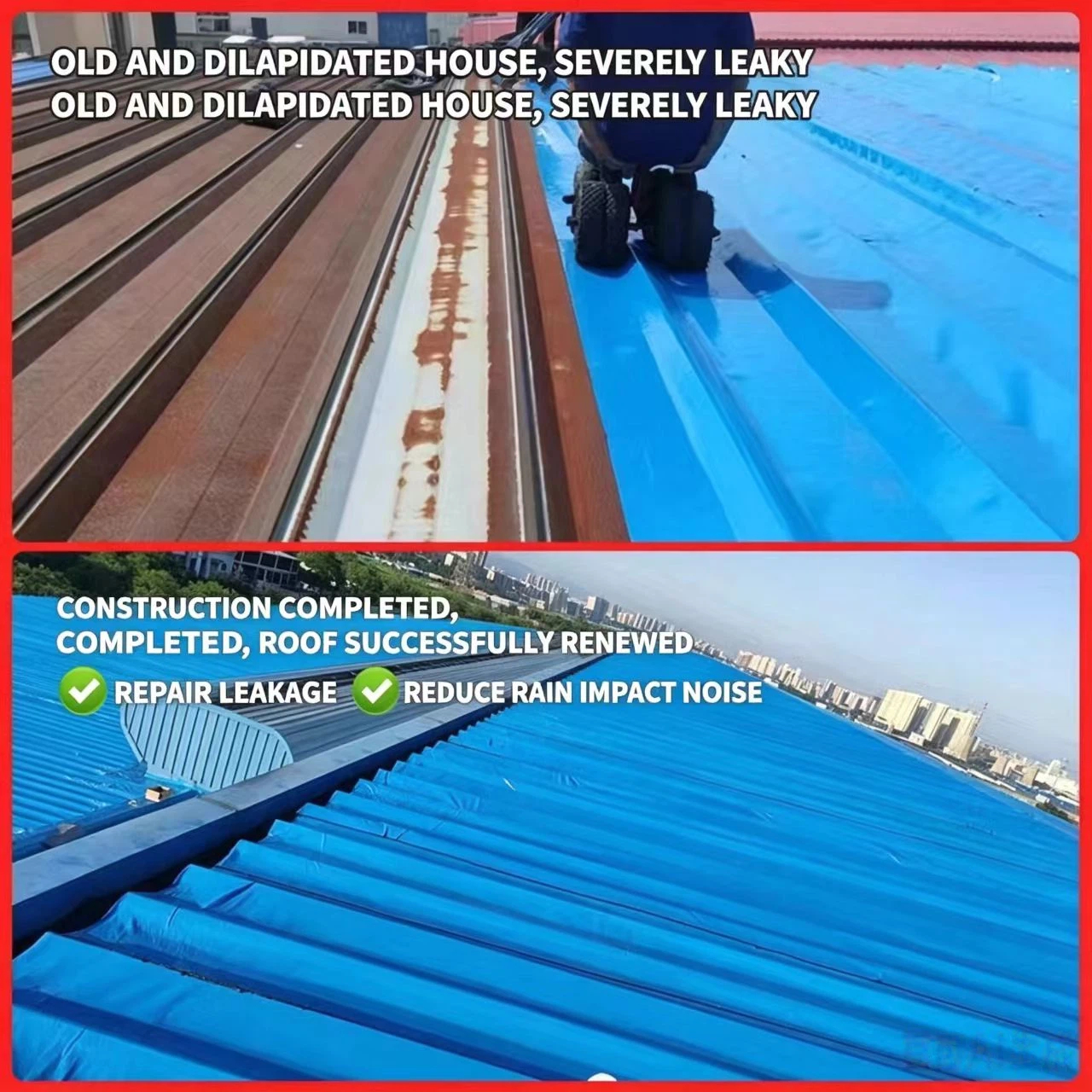
- Metal and colour steel tile roofs: Self-adhesive membranes designed for metal substrates, or reflective coatings, are commonly used for new roofs and repair.
- Non-exposed or covered roofs: Bitumen membrane systems are frequently applied where a protection layer or screed will be added.
- Roof repair and renovation: Self-adhesive membrane, waterproof coating, or butyl tape for localised joints, cracks, and overlaps.
- Photovoltaic and large factory roofs: Single-ply membranes and reflective coatings are often considered for wide, exposed areas.
The correct choice should be confirmed against your substrate, roof slope, expected foot traffic, and whether the surface stays exposed to UV.
Roof waterproof sheet decision table
| Project condition | Material option | What to confirm before inquiry | Notes |
|---|---|---|---|
| Hot climate exposed concrete roof | APP modified bitumen membrane | Thickness, surface finish, roll size | Often chosen for high-temperature regions; confirm local practice. |
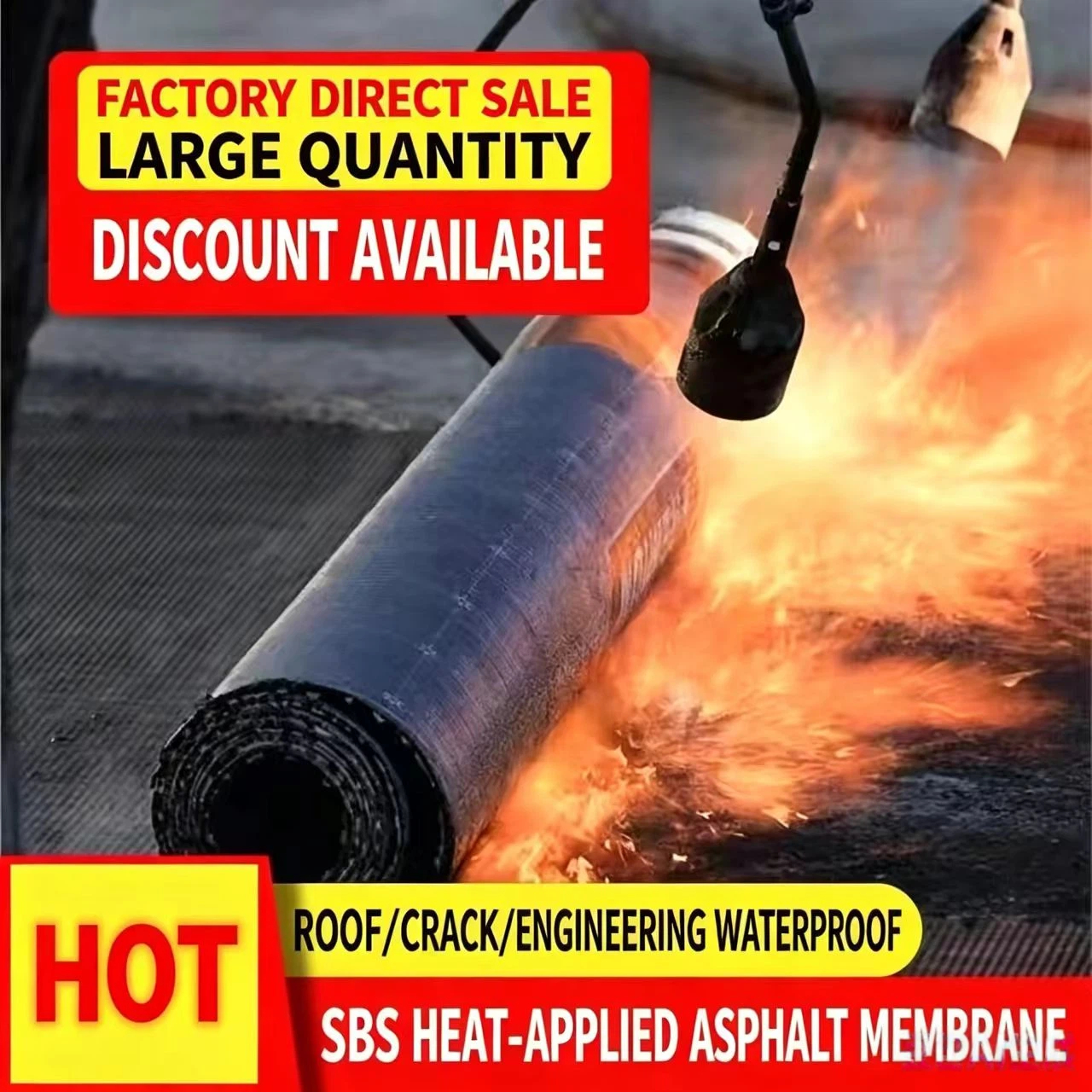
| Cold climate roof | SBS modified bitumen membrane | Thickness, exposed or covered, flexibility needs | SBS is commonly used where low-temperature flexibility matters. |
| Metal / colour steel tile roof | Self-adhesive membrane for metal substrate | Substrate condition, overlap width, tile profile | Designed for adhesion to metal; verify old vs new roof. |
| Wide exposed or PV roof | PVC, TPO, or EPDM membrane | Thickness, reinforcement, seam method | Single-ply systems suit large areas; confirm welding vs adhesive. |
| Repair, joints, cracks | Butyl tape or waterproof coating | Crack width, surface prep, coverage | Best for localised areas rather than full-roof replacement. |
How to choose specifications
Once the material type is decided, specifications determine the final price and suitability. Confirm these points with your technical team before requesting an offer:
- Thickness: Membrane thickness affects durability and cost. It should match your project specification, not just the lowest available option.
- Roll width and length: Standard sizes vary by product. Larger widths can reduce seams but must suit site handling.
- Surface finish: Bitumen membranes may have mineral, sand, or film surfaces depending on exposure and coverage layer.
- Reinforcement: Polyester or fibreglass carriers behave differently; confirm what your design requires.
- Installation method: Torch-applied, self-adhesive, hot-air welded, or mechanically fixed. This affects labour and safety on site.
- Packing: Rolls per pallet, pallet dimensions, and container loading should be confirmed for your quantity and destination port.
- Quantity: Provide total area and any waste factor so the supplier can advise on rolls and packing.
Questions to prepare before requesting a quotation
- What is the roof substrate (concrete, metal, existing membrane)?
- Will the roof stay exposed to UV or be covered by a protection layer?
- What is the local climate: hot, cold, or high humidity?
- Which installation method can your site crew perform safely?
- What thickness and surface finish does your project specification require?
- What is the total area and required quantity?
- What is the destination port and preferred packing?
- Are there local standards or approvals your project must meet?
Common mistakes and selection risks
A few recurring errors cause project delays and disputes. Ordering by price alone often leads to a thickness or surface finish that does not match the design. Choosing a torch-applied membrane where open flame is restricted creates safety and compliance problems. Using a full-roof material for what is really a repair job wastes budget, while using only tape for a large exposed area risks early failure.
Another common risk is ignoring climate. A membrane suited to hot regions may not perform the same way in cold conditions, and single-ply systems require correct seaming to work as designed. When in doubt, confirm the intended use with the supplier rather than assuming compatibility.
Get product selection support
If you are still comparing options, share your roof type, climate, installation method, and quantity, and our team can help narrow down a suitable roof waterproof sheet and confirm the specifications for your project. Clear input on substrate, thickness, packing, and destination port will lead to a faster and more accurate quotation.