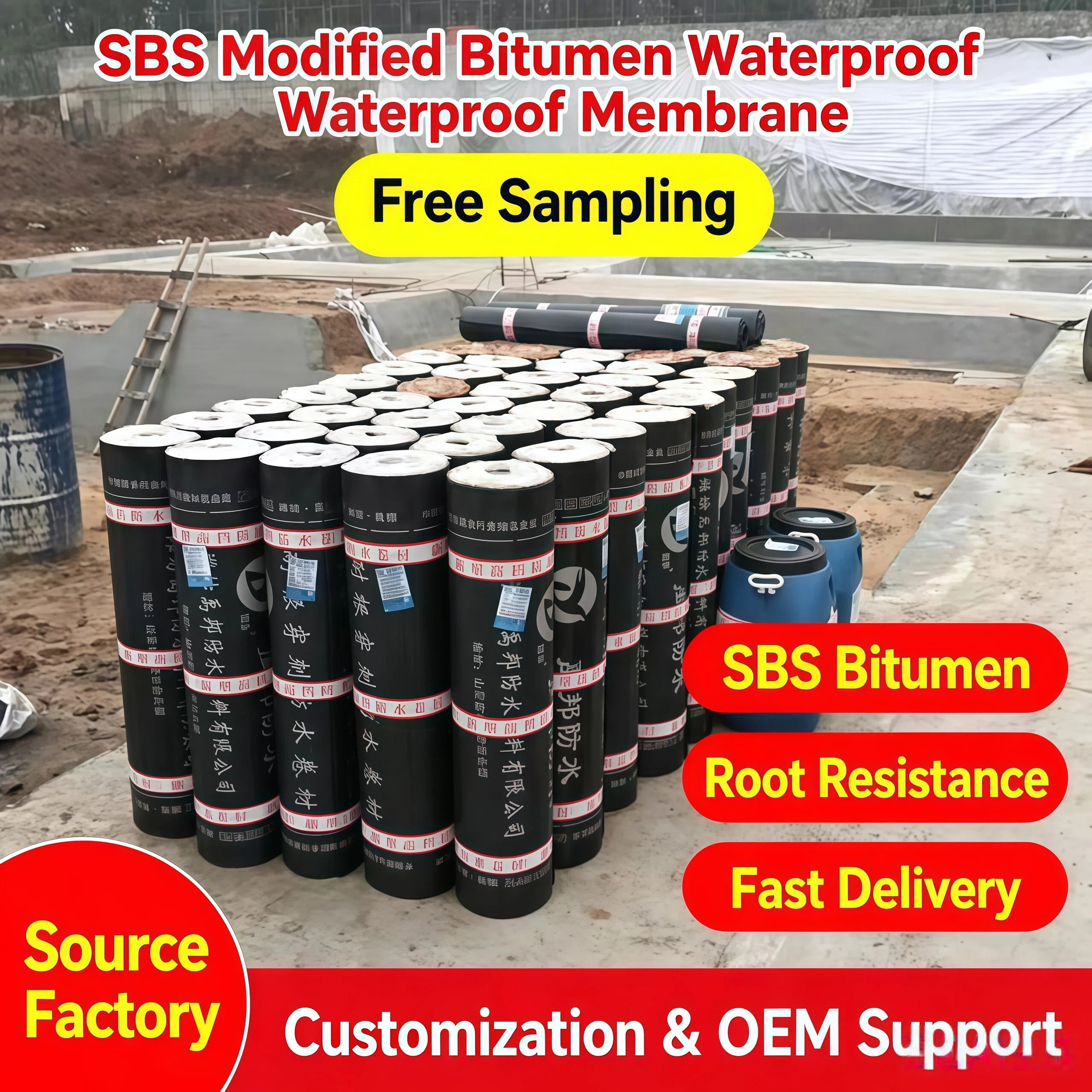
This guide is written for contractors, procurement engineers, distributors, and project buyers in Singapore who need to source a roof waterproof sheet for new construction or repair work. If you are comparing membrane types, sorting out thickness and packing, or preparing an inquiry to send to suppliers, the goal here is to help you ask the right questions before money changes hands.
A roof waterproof sheet is not a single product. It covers several material families, each suited to different roof substrates, climates, and installation methods. Choosing correctly depends on your project conditions, not on which product sounds strongest in a catalogue.
Understanding the buyer intent behind "roof waterproof sheet"
When buyers search for a roof waterproof sheet, they usually mean a roll-format waterproof membrane that covers the roof surface as a continuous layer. This is different from a liquid waterproof coating, though the two are often used together at joints and details.
The intent is normally one of three things: sourcing sheets for a new roofing waterproofing project, finding a repair material for an existing roof, or comparing membrane options before writing a specification. The right answer changes with substrate (concrete, metal, or old membrane), exposure (exposed or covered), and local climate. A flat roof in Singapore’s tropical climate and a cold-region flat roof rarely take the same product.
Common application scenarios for roof waterproofing
Roof waterproof sheets are used across a wide range of projects. Matching the sheet to the scenario avoids most early failures.
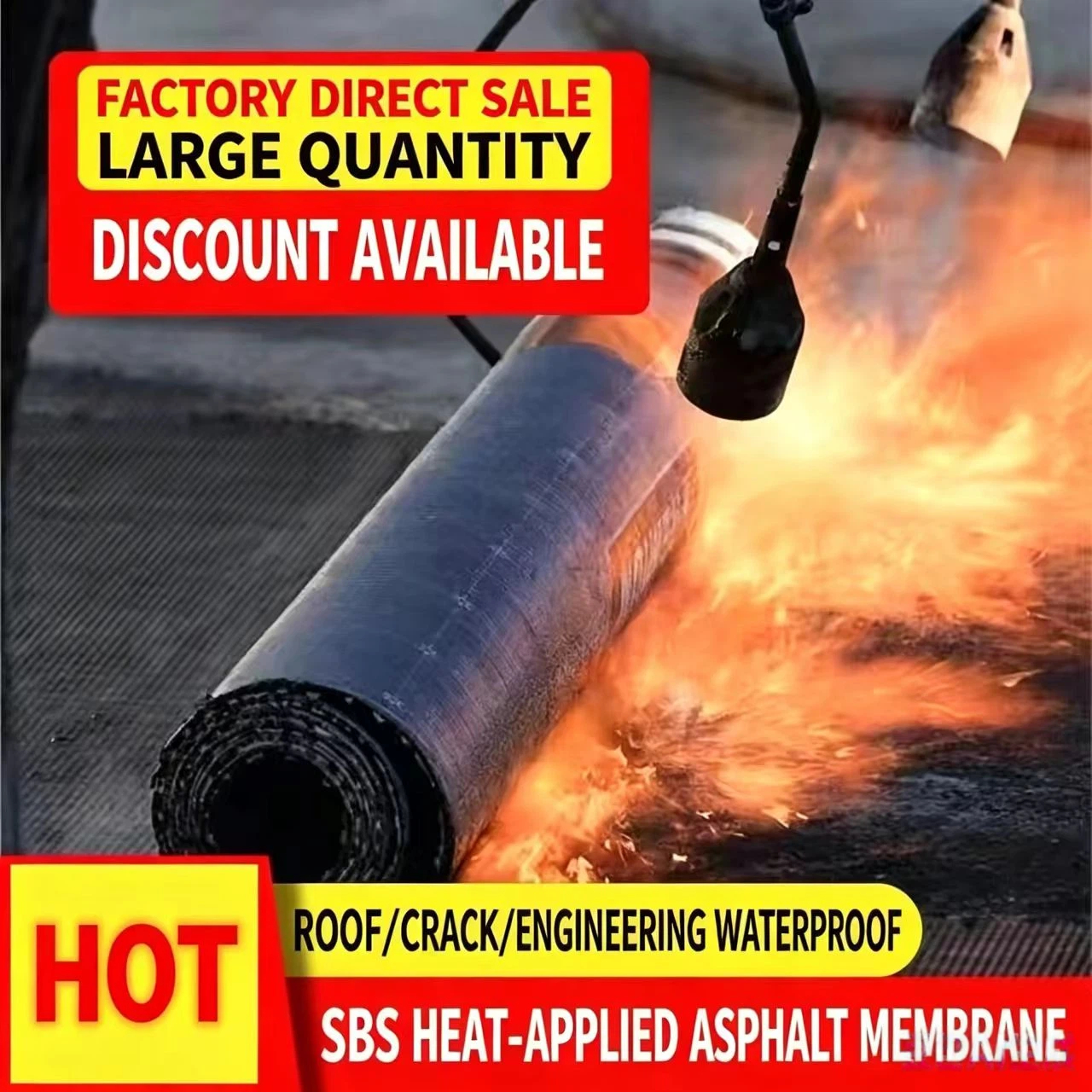
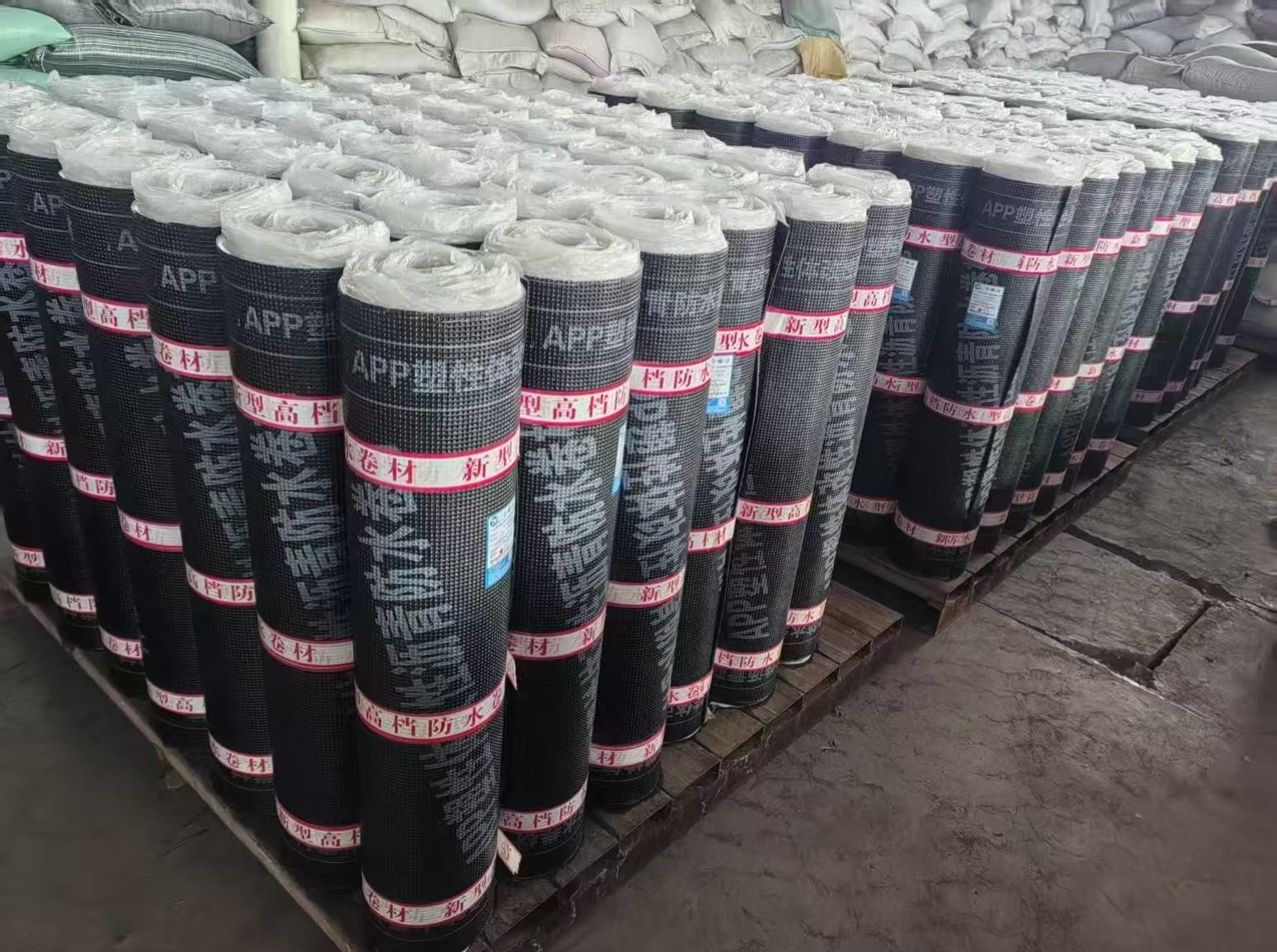
- Exposed concrete flat roofs: Often use bitumen membrane (SBS or APP type) or single-ply membranes such as PVC or TPO, depending on climate and design life expectations.
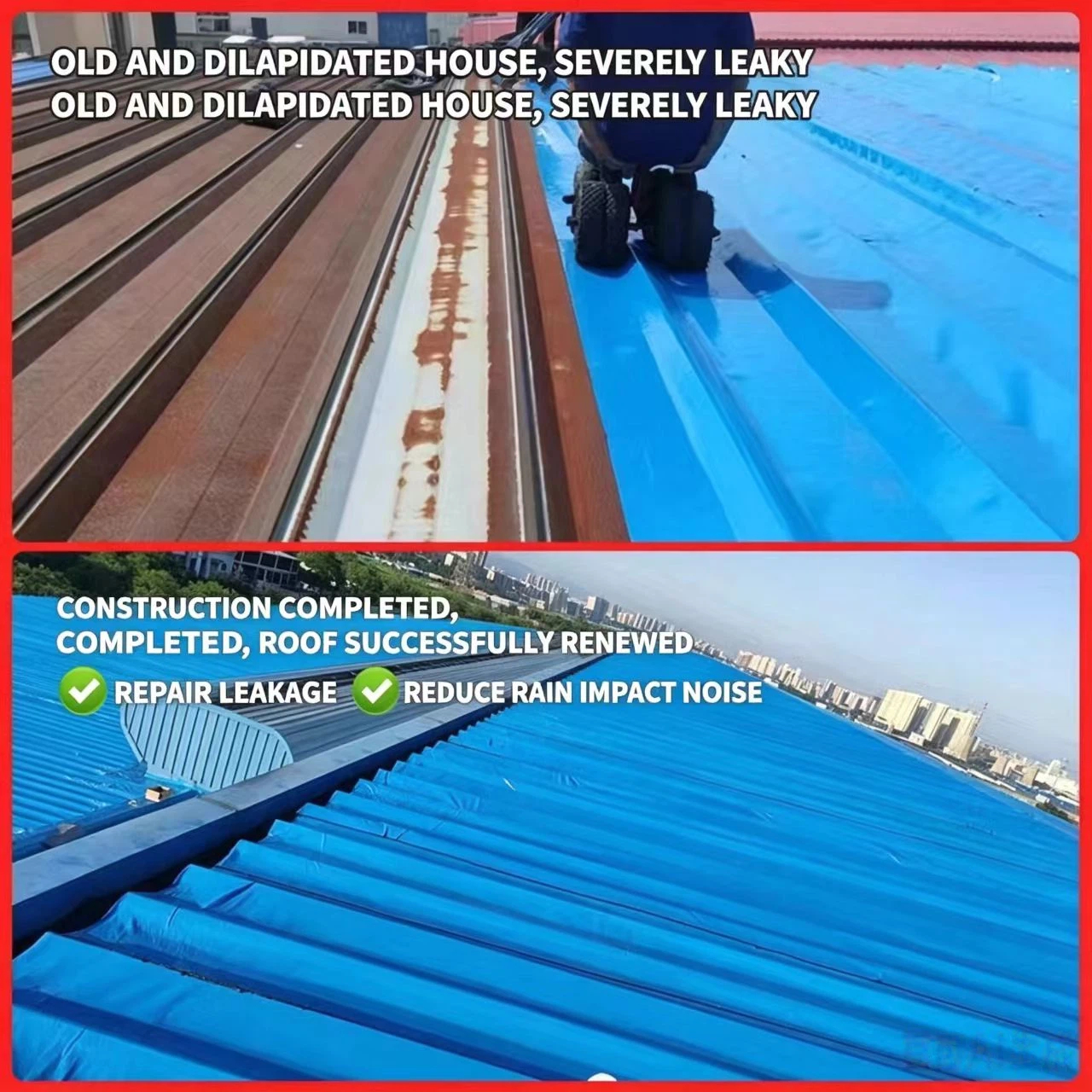
- Metal and colour steel tile roofs: Self-adhesive membranes made for metal substrates are common for new roofs and renovation of old ones.
- Covered or ballasted roofs: Bitumen membrane systems are frequently specified when the sheet will not be permanently exposed to UV.
- Repair and local sealing: Cracks, overlaps, pipe penetrations, and skylight edges are often handled with self-adhesive tape or reinforcement coatings alongside the main sheet.
- Hot regions: Reflective or heat-tolerant systems may be preferred; the exact choice should be confirmed against surface temperature and exposure.
The same membrane families also serve basement waterproofing, tunnels, and bridges, but roof selection has its own priorities around UV exposure, foot traffic, and thermal movement.
Roof waterproof sheet decision table
| Project condition | Material option | What to confirm before inquiry | Notes |
|---|---|---|---|
| Exposed concrete roof, hot climate (e.g. Singapore) | APP-type bitumen membrane or single-ply PVC/TPO | Surface finish, thickness, exposure period, roof slope | Confirm UV exposure and expected surface temperature. |
| Exposed concrete roof, cold climate | SBS modified bitumen membrane | Thickness, reinforcement carrier, low-temperature flexibility need | SBS is often chosen where cold flexibility matters. |
| Metal / colour steel tile roof | Self-adhesive membrane for metal substrates | Substrate condition, cleaning method, overlap detail | Adhesion depends on a clean, dry, primed surface. |
| Flat roof, no open flame allowed | Self-adhesive modified bitumen membrane | Ambient temperature at install, primer requirement | Useful where torching is restricted. |
| Repair of cracks and joints | Butyl self-adhesive tape or reinforcement coating | Crack width, existing surface type | Usually a supplement, not a full roof system. |
How to choose specifications
Once you have narrowed the material family, the specification details decide price, logistics, and installation quality. Confirm these points with your engineer and supplier:
- Thickness: Membranes are sold in different thicknesses. Thickness should match project specification and expected exposure, not be chosen only on price.
- Roll width and length: Affects overlap waste, labour speed, and how many rolls fill a container.
- Surface finish: Sanded, film, mineral, or foil surfaces suit different exposure and top-layer conditions.
- Reinforcement: Polyester or fibreglass carriers behave differently under movement and stress; confirm what your design needs.
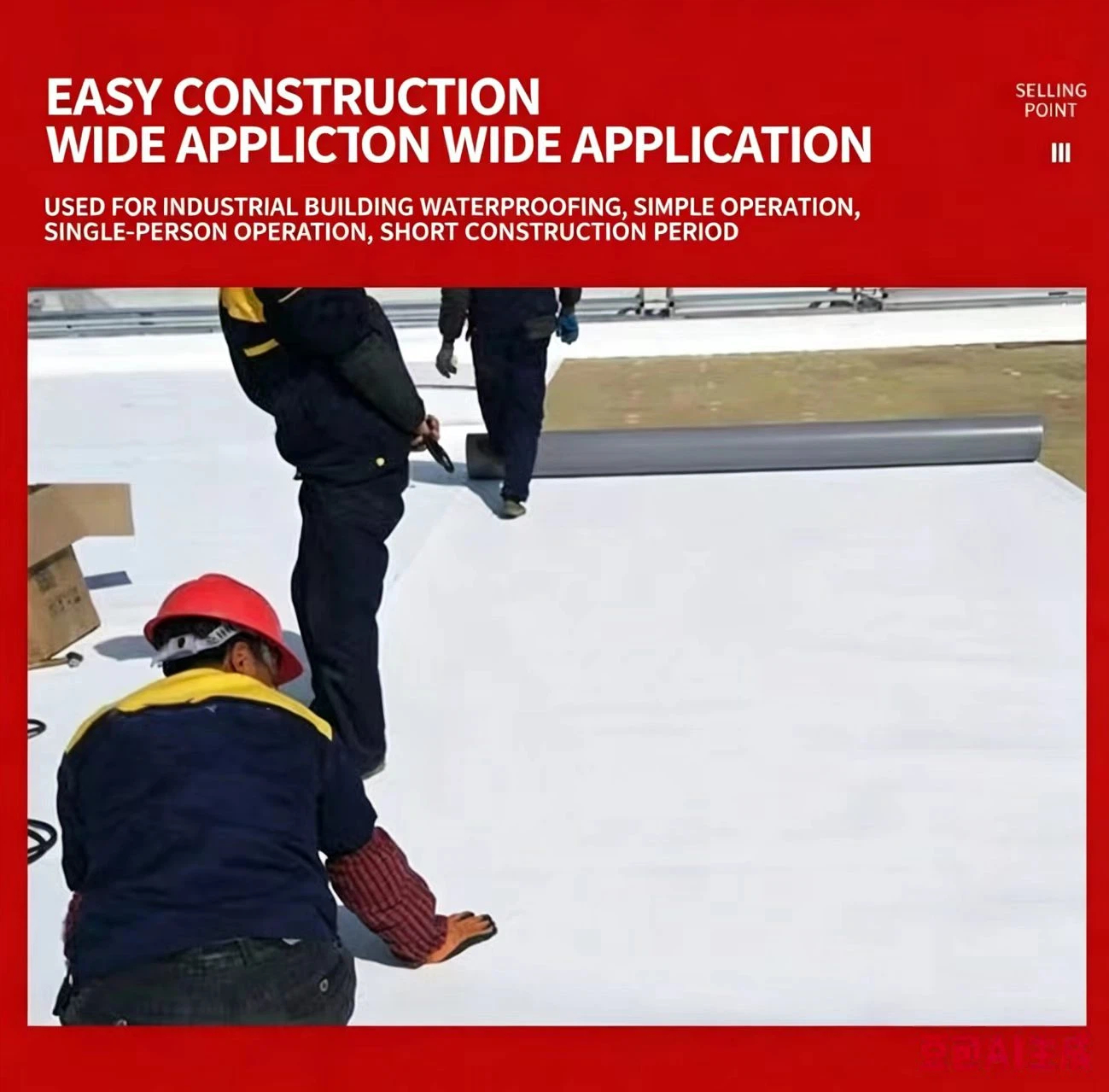
- Installation method: Torch-applied, self-adhesive, hot-air welded, or mechanically fixed. This must match site conditions and local labour skills.
- Packing: Rolls per pallet, pallet dimensions, and container loading affect freight cost per square metre.
- Quantity and destination port: Provide total area, tolerance for extra, and destination port so suppliers can quote accurate freight and lead time.
Questions to prepare before requesting a quotation
- What is the roof substrate: concrete, metal, or existing membrane?
- Will the sheet be permanently exposed, or covered by another layer?
- What is the local climate and expected roof surface temperature?
- What thickness and total square metres do you need?
- What installation method is allowed on site (open flame, self-adhesive, welded)?
- Do you have a local specification or standard the material must meet?
- What is the destination port and required delivery time?
- Do you need matching primers, tapes, or coatings for details and joints?
Common mistakes and selection risks
Several avoidable errors show up repeatedly in roof waterproofing procurement:
- Choosing by price per roll instead of price per square metre: Different widths and thicknesses make roll price misleading.
- Ignoring the substrate: A membrane designed for metal roofs behaves differently on concrete, and adhesion can fail if the surface is wrong.
- Overlooking UV exposure: A sheet intended to be covered may not perform when left exposed. Confirm the exposure condition.
- Mismatching installation method to site skills: Torch-applied systems need trained crews; self-adhesive systems need clean, dry surfaces and suitable temperatures.
- Forgetting detailing materials: Corners, penetrations, and overlaps often need tape or reinforcement coating, which should be quoted together.
Getting product selection support
The right roof waterproof sheet depends on your substrate, climate, exposure, and installation method. Rather than picking a product from a name alone, share your roof type, area, thickness target, and destination port, and ask for a specification recommendation. That way the material, packing, and logistics are matched to your actual project before you commit to an order.