This guide is written for importers, waterproofing contractors, procurement engineers, and distributors who are comparing a rubberized membrane against other waterproofing options. If you are trying to decide what to specify for a roof, basement, or repair project and what information a supplier needs from you, this article should help you move faster.
The term rubberized membrane is used loosely across the market, so a clear inquiry matters more than the label itself. Below we explain the intent behind the keyword, where these materials are used, and how to prepare a request that returns an accurate quotation.
What buyers usually mean by "rubberized membrane"
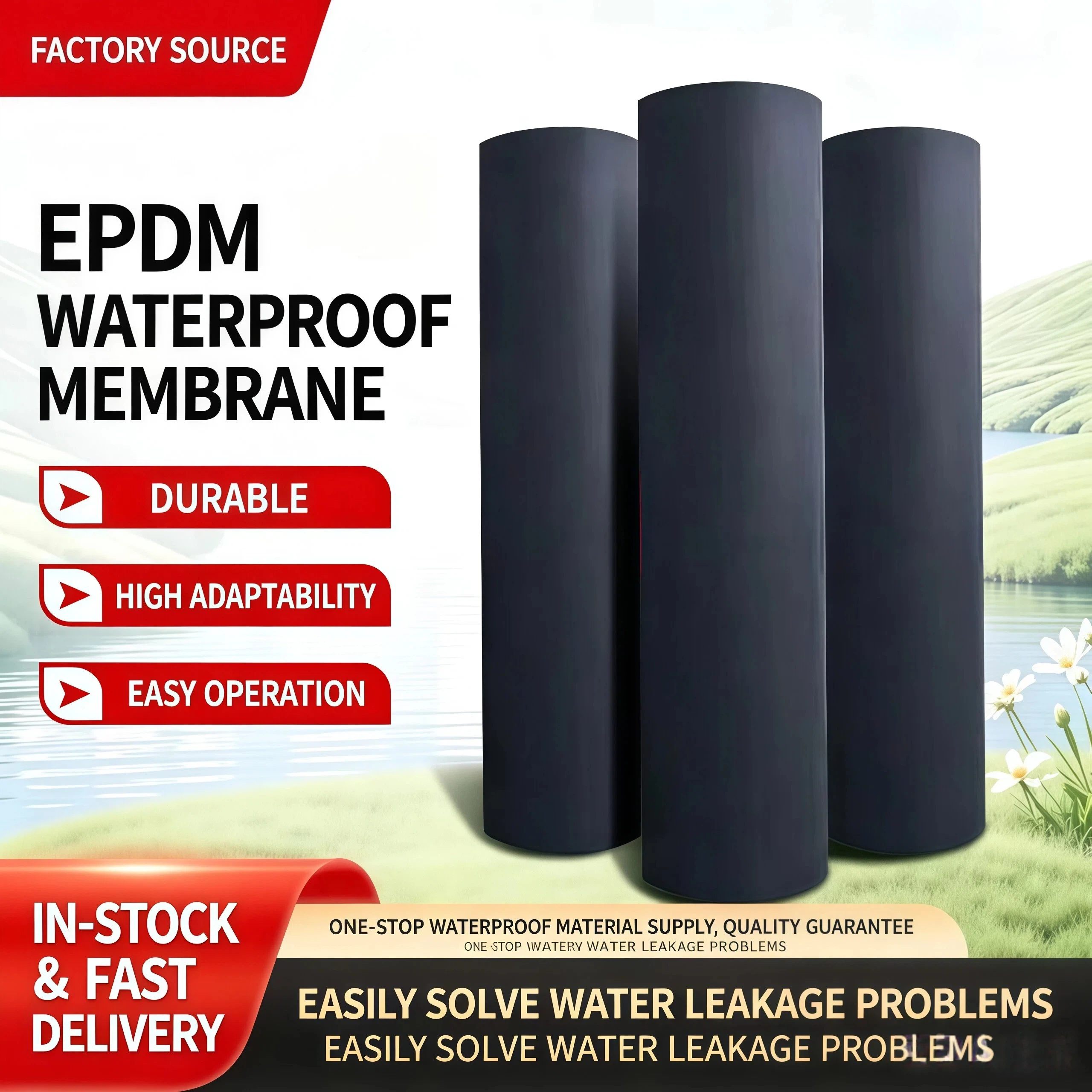
When buyers search for a rubberized membrane, they are usually looking for one of several things: a flexible sheet with rubber-modified performance, a self-adhesive membrane that bonds without open flame, or a synthetic rubber sheet such as EPDM. The word "rubberized" points to elasticity and crack-bridging behaviour rather than a single fixed product.
Because of this, two suppliers can quote very different products under the same name. Some may offer a rubber-modified bitumen membrane, others an EPDM sheet, and others a self-adhesive membrane with a rubberised compound. The practical step is to describe your project condition and required properties, then let the technical team match the closest option. Confirm the exact material type, thickness, and installation method before comparing prices.
Common application scenarios
Rubberized and rubber-modified membranes are used across many project types. The right choice depends on exposure, substrate, and climate.
- Flat and low-slope roofs: Exposed roofing waterproofing where flexibility and movement tolerance matter.
- Basements and underground walls: Structures needing continuous coverage, sometimes with pre-applied or self-adhesive membrane systems.
- Tunnels and municipal works: Projects with movement joints and long service demands.
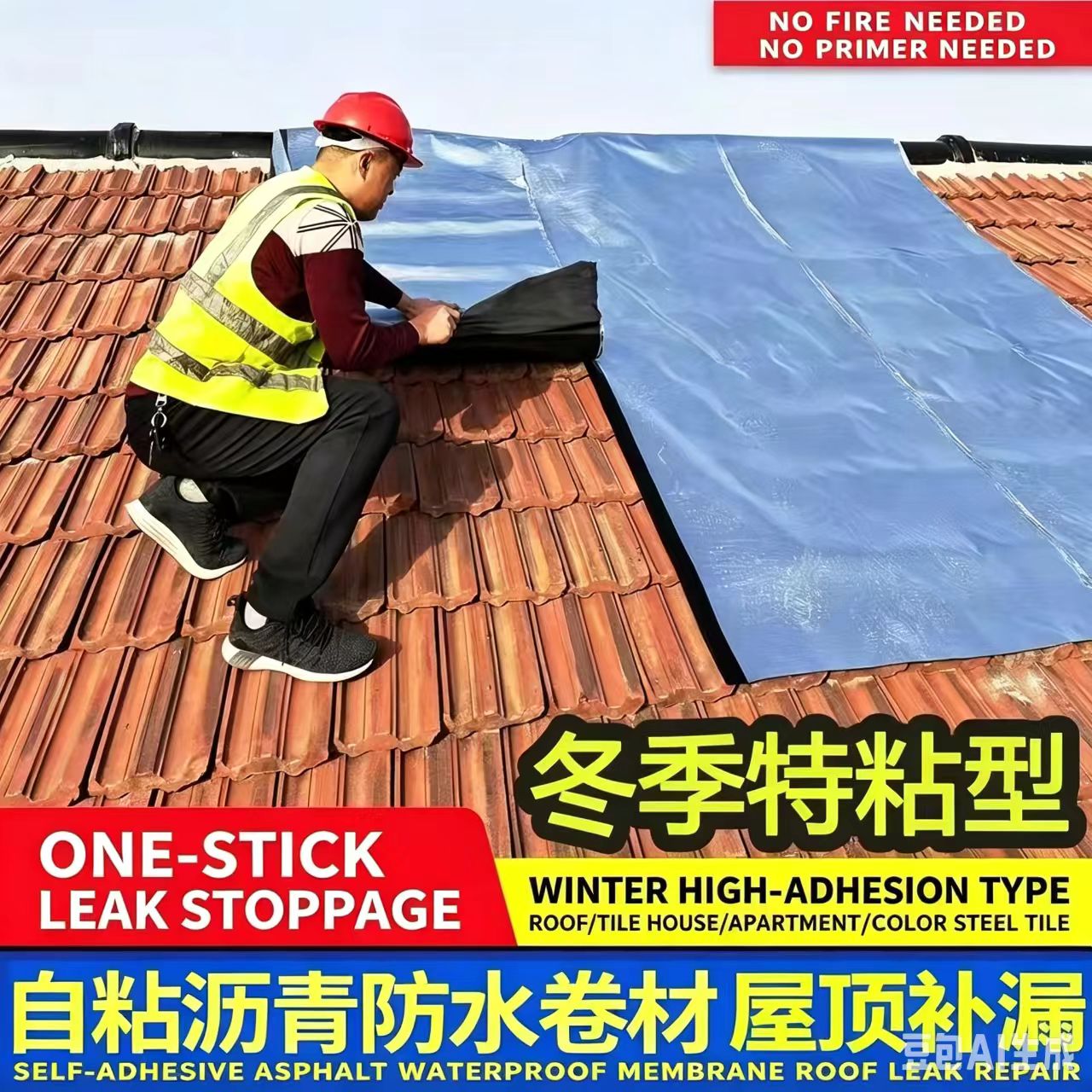
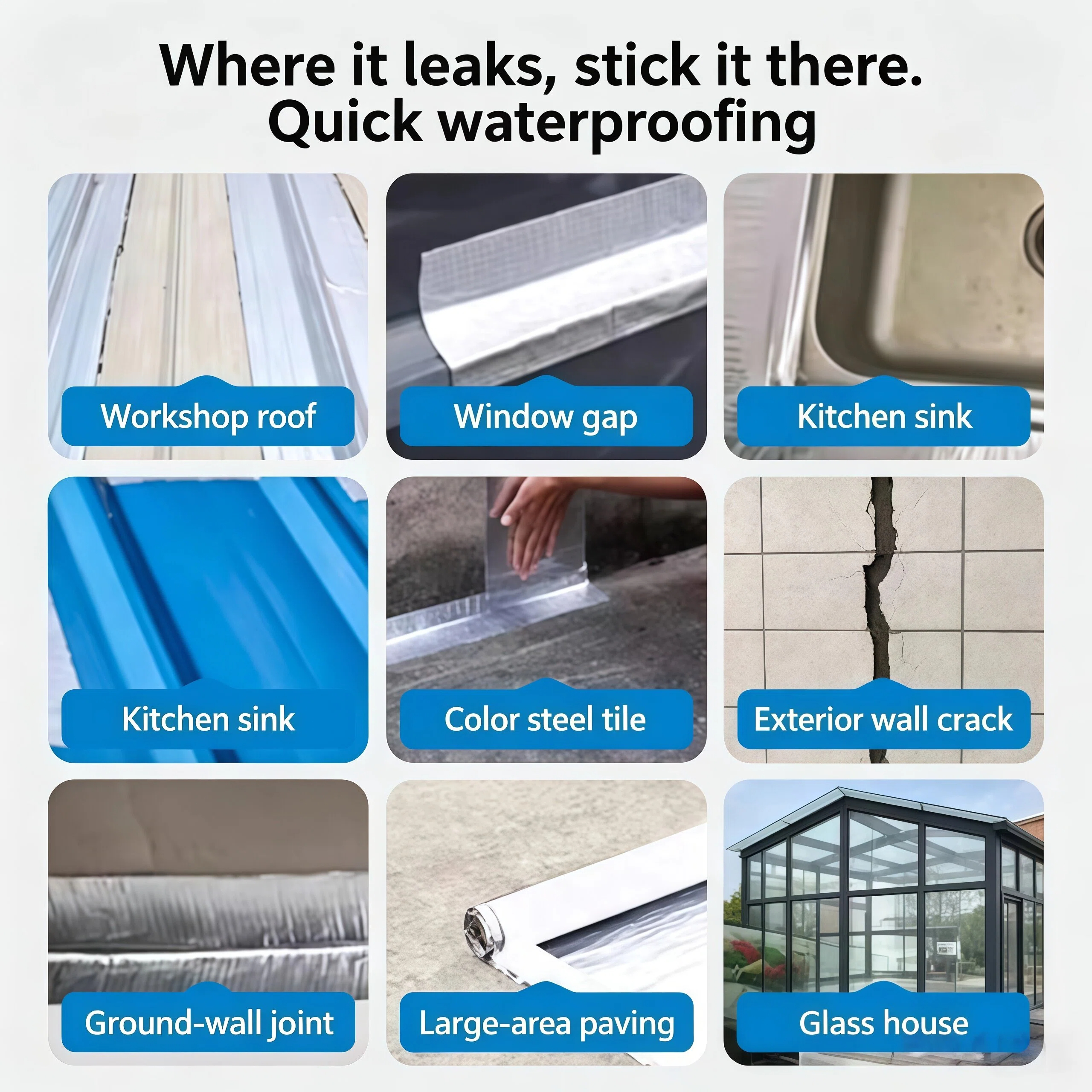
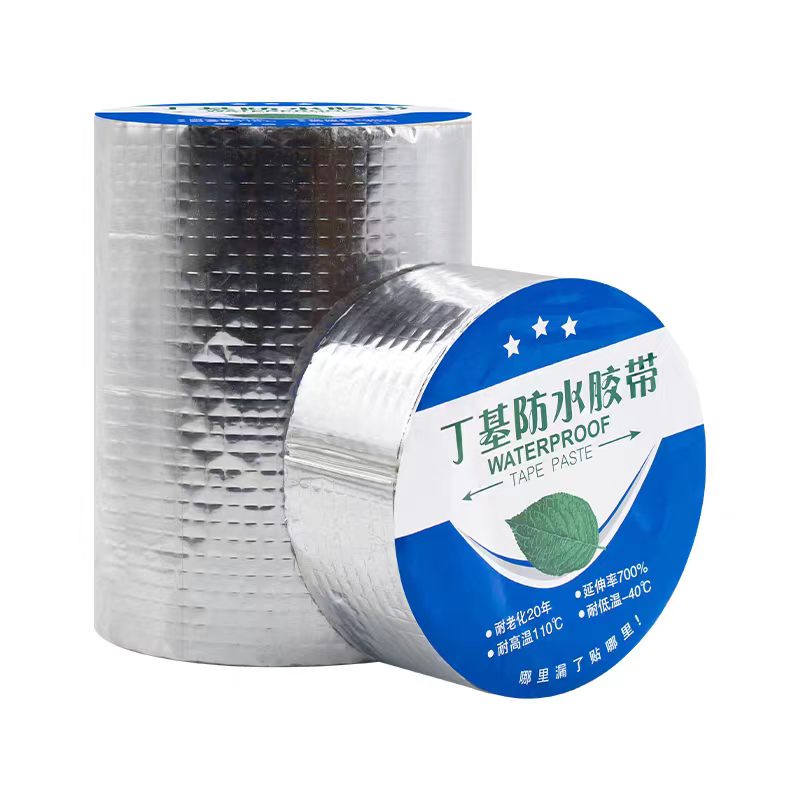
- Metal and colour steel roofs: Self-adhesive membrane or tape for overlaps, seams, and repair.
- Repair and renovation: Sealing cracks, pipe penetrations, and old membrane failures with self-adhesive or rubberised products.
Buyer decision table
| Project condition | Material option | What to confirm before inquiry | Notes |
|---|---|---|---|
| Exposed roof, high UV, hot climate | EPDM membrane or PVC/TPO membrane | Substrate, slope, thickness, exposure | Confirm whether the roof stays exposed or gets covered |
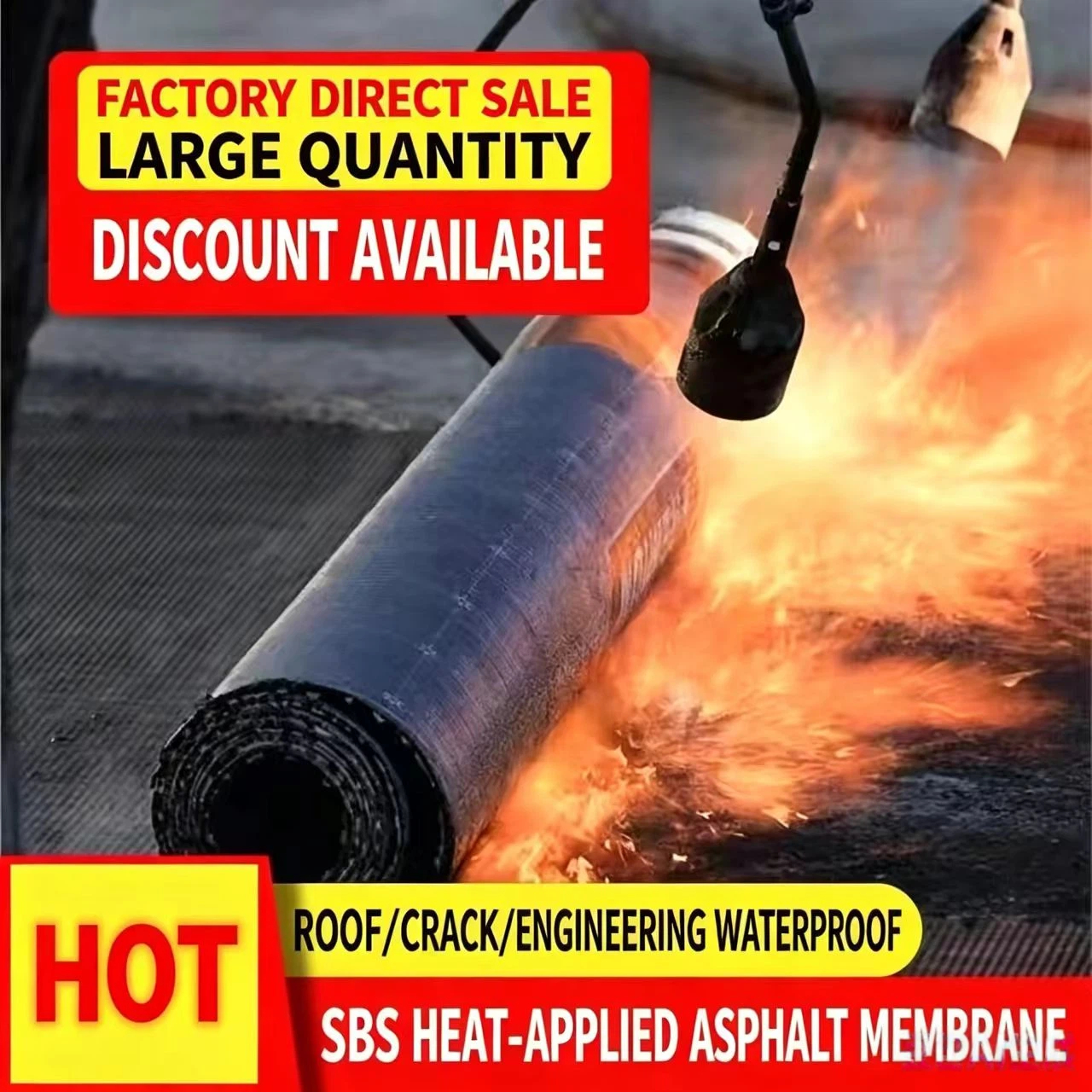
| Cold-region roofing or basement | SBS modified bitumen membrane | Thickness, surface finish, installation method | Torch or self-adhesive application should be defined |
| No open flame allowed | Self-adhesive modified bitumen membrane | Substrate condition, primer, ambient temperature | Surface must be clean and dry for adhesion |
| Metal / colour steel roof repair | Self-adhesive membrane for colour steel or butyl tape | Seam width, panel type, repair area | Tape suits localised joints; membrane suits larger areas |
| Underground pre-applied system | Pre-applied anti-adhesive self-adhesive membrane | Concrete pour sequence, water table | Designed to bond to poured concrete |
How to choose specifications
Specification details drive both performance and price, so define them early. Depending on the product family, the following may apply:
- Thickness: Often the first variable a supplier needs. Confirm the value required by your local specification.
- Roll width and length: Affects coverage, waste, and freight volume.
- Surface finish: For bitumen membranes this may include sand, mineral, or film finishes; confirm the intended exposure.
- Reinforcement: Polyester or glass fibre carriers behave differently under stress and movement.
- Installation method: Torch, self-adhesive, mechanically fixed, or fully bonded changes the product and accessories.
- Packing and quantity: Pallet configuration and container loading affect cost per unit.
- Destination port: Needed for accurate freight and lead-time estimates.
If any of these depend on the design, note that they should be confirmed against your project drawings and local standards rather than assumed.
Questions to prepare before requesting a quotation
- What is the application area: roof, basement, tunnel, metal roof, or repair?
- Will the membrane be exposed or covered after installation?
- What substrate will it be applied to: concrete, metal, or existing membrane?
- What thickness and roll size does your specification require?
- Which installation method is planned, and is open flame allowed?
- What is the total quantity, packing preference, and destination port?
- Are there local certification or specification requirements to match?
Common mistakes and selection risks
The most frequent issue is comparing prices for products that are not actually the same type. A rubberized bitumen membrane and an EPDM sheet may both be called "rubberized," but they install differently and suit different conditions.
Other risks include ignoring the installation method when budgeting, overlooking substrate preparation for self-adhesive products, and specifying a thickness without checking the local requirement. Freight can also surprise buyers if roll size and packing are not confirmed before shipment. Clarify these points in writing to avoid mismatched deliveries.
Getting the right product selected
If you are unsure which rubberized membrane suits your project, share the application, substrate, exposure, thickness, quantity, and destination port. Our technical team can then recommend a suitable option and confirm packing and lead time. A clear inquiry usually leads to a faster and more accurate quotation.