This guide is written for importers, waterproofing contractors, procurement engineers, and distributors who need to buy a sheet membrane for a specific project and want to avoid ordering the wrong material. If you are comparing bitumen membrane, PVC, TPO, EPDM, or self-adhesive membrane options and are not sure which one fits your substrate and climate, the sections below explain how to narrow the choice.
The aim is not to declare one product best. It is to help you match a membrane to the project condition, then prepare accurate information so a supplier can quote something you can actually install and pass inspection with.
What buyers usually mean when they search for sheet membrane
The term sheet membrane covers roll-form waterproofing products supplied in defined widths, lengths, and thicknesses. It is different from a liquid waterproof coating, which is applied wet and cures on site. Buyers using this keyword are typically deciding between membrane families, or confirming that a roll product is suitable for roofing waterproofing, basement waterproofing, or a repair job.
In practice, the search intent falls into a few groups. Some buyers want a general comparison before selecting a type. Others already know they need a bitumen membrane or a polymer membrane and want specification and packing details. A third group is sourcing for a tender and needs to confirm the material matches a local specification. Knowing which group you are in helps you ask the right questions.
Common application scenarios for sheet membrane
Different projects push you toward different membrane families. The typical scenarios include:
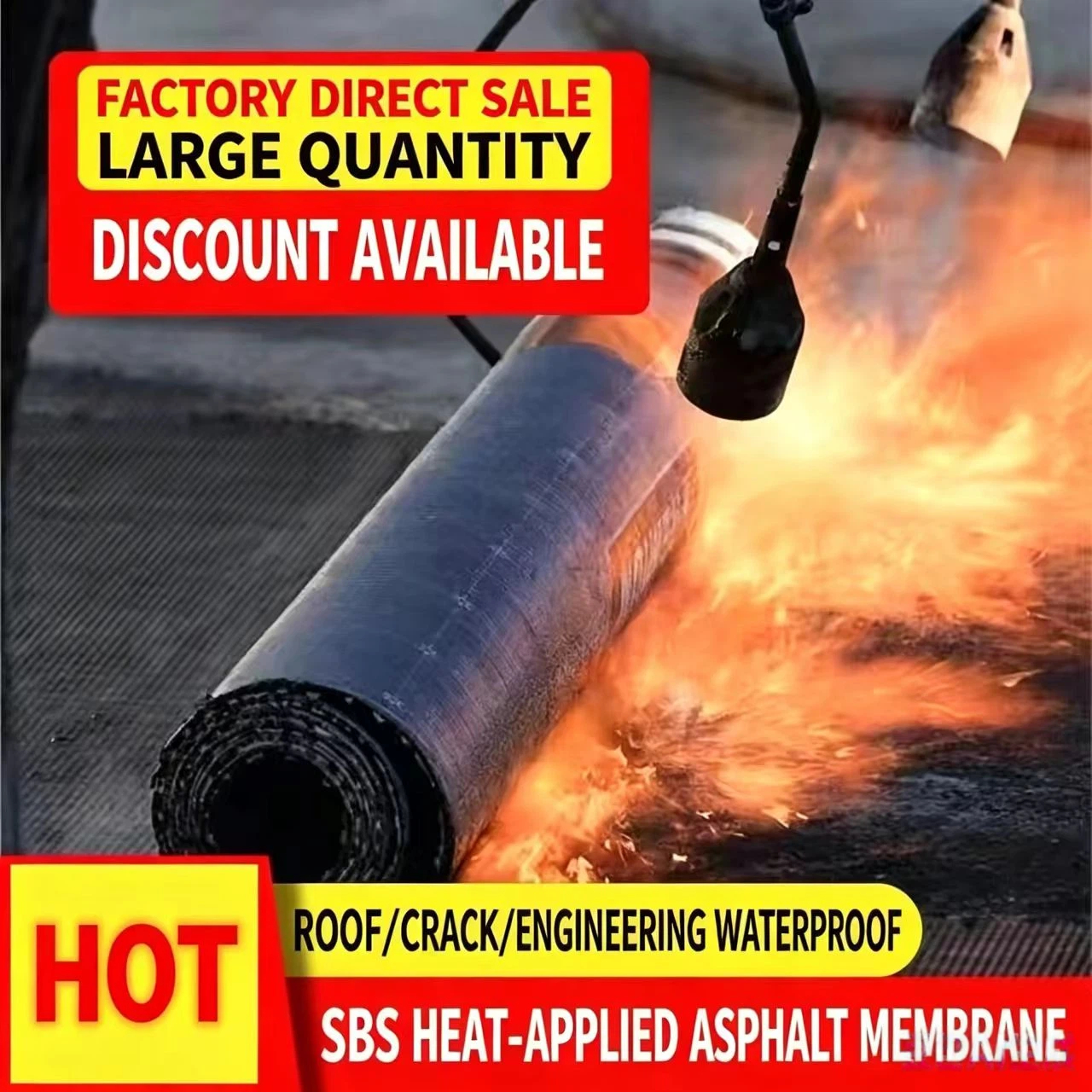
- Exposed roofs: Often use APP membrane, SBS membrane, or single-ply PVC/TPO/EPDM membrane, depending on climate and whether the surface stays exposed to UV.
- Basements and underground structures: Frequently use self-adhesive membrane or pre-applied anti-adhesive membrane bonded to structural concrete.
- Tunnels, bridges, and municipal infrastructure: May use modified bitumen membrane or single-ply polymer membrane, subject to the design and local specification.
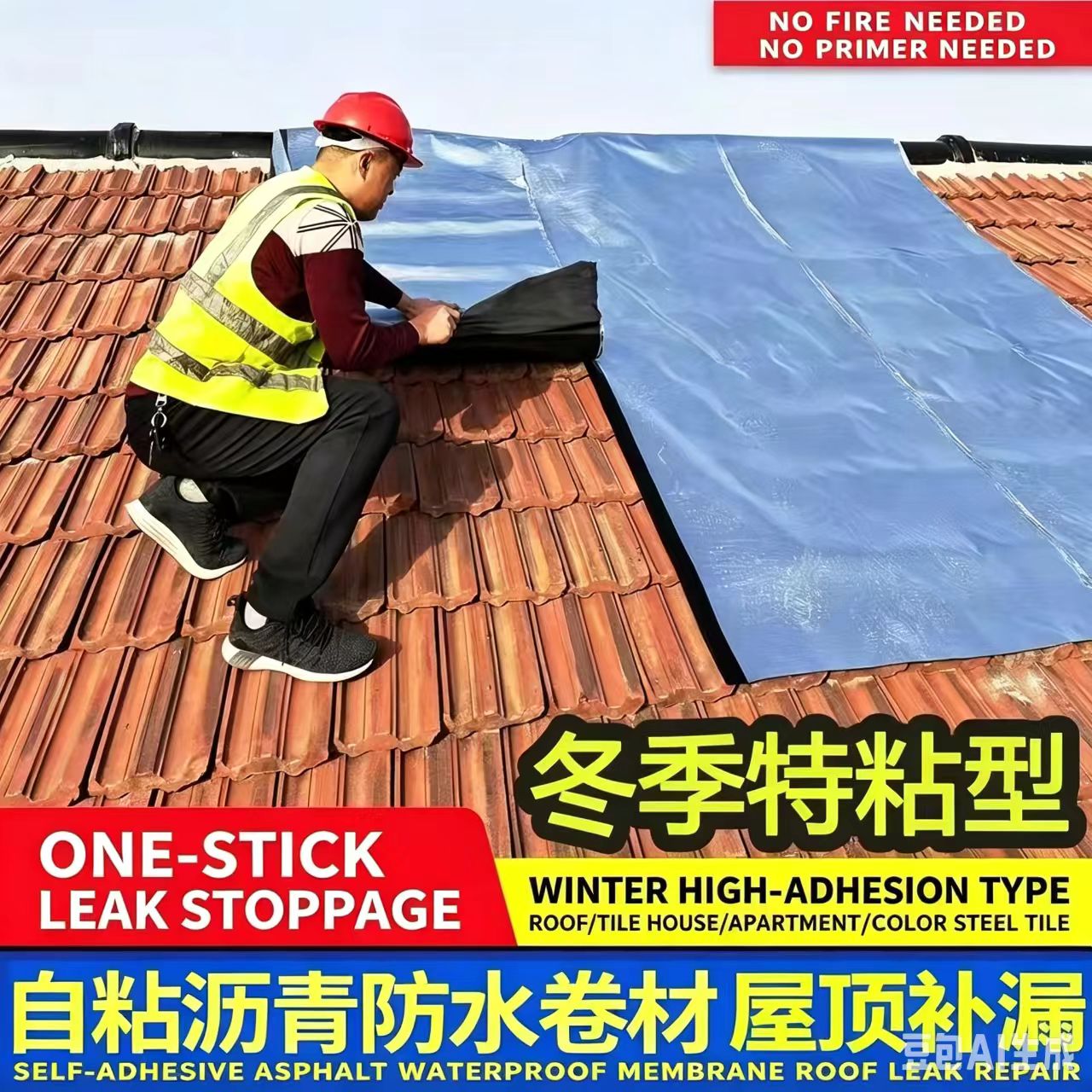
- Metal and colour steel roofs: Often use a self-adhesive membrane made for metal substrates, or localised sealing tape at overlaps and fasteners.
- Repair and renovation work: May combine a membrane with a coating for joint reinforcement, or use a self-adhesive product where open-flame torching is not allowed.
The same building can use more than one membrane type in different zones. Confirm each area separately rather than assuming one product covers the whole project.
Sheet membrane buyer decision table
| Project condition | Material option | What to confirm before inquiry | Notes |
|---|---|---|---|
| Exposed roof, hot climate | APP-type modified bitumen membrane | Thickness, surface finish, roof exposure | Heat resistance and UV exposure matter; confirm details for your region. |
| Exposed roof, cold climate | SBS modified bitumen membrane | Thickness, reinforcement, low-temperature needs | Cold flexibility is a common selection factor. |
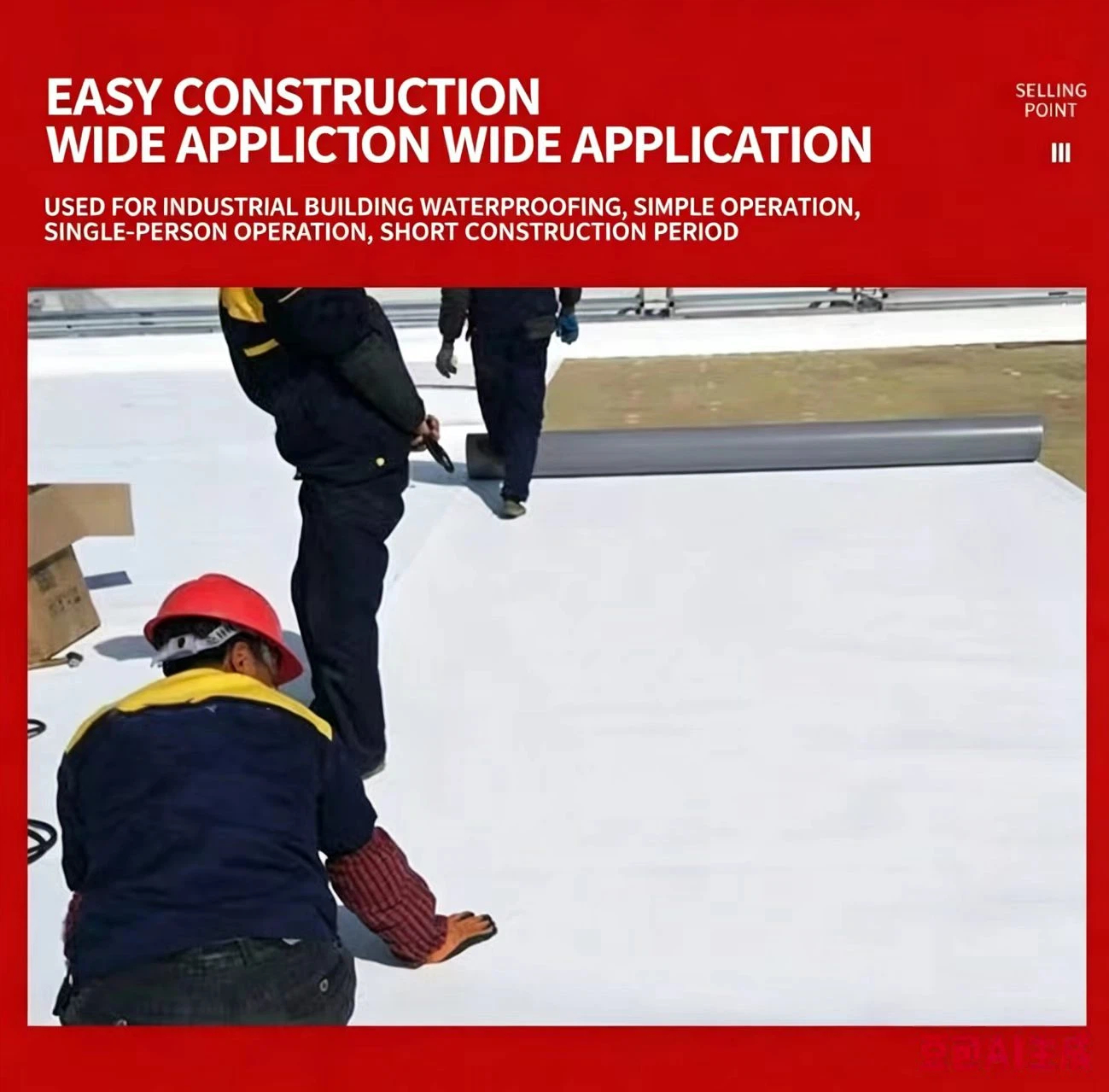
| Exposed or PV roof, single-ply preference | PVC, TPO, or EPDM membrane | Thickness, width, welding vs. adhesive method | Single-ply membranes differ in seam method and chemical exposure. |
| Basement, structural concrete | Self-adhesive or pre-applied membrane | Positive/negative side, substrate prep, wet or dry conditions | Pre-applied type is used for specific construction sequences. |
| Metal / colour steel roof | Self-adhesive membrane for metal substrates | Substrate type, overlap detailing, existing corrosion | Localised tape may be needed at fasteners and laps. |
| No open flame allowed | Self-adhesive modified bitumen membrane | Site conditions, temperature, adhesion needs | Useful where torch application is restricted. |
How to choose the right specification
Once the membrane family is set, the specification details decide whether the material is practical to ship and install. Confirm the following with your engineer or the site team:
- Thickness: Often the single most important variable. It should match the design or local specification, not just the lowest available option.
- Roll width and length: Affects labour, waste, and overlap count. Wider rolls can speed up large flat areas.
- Surface finish: Mineral, film, sand, or foil-faced surfaces suit different exposure and bonding conditions.
- Reinforcement: Polyester or fibreglass reinforcement changes strength and dimensional behaviour in bitumen membranes.
- Installation method: Torch-applied, self-adhesive, hot-air welded, or mechanically fixed. This must match site capability and safety rules.
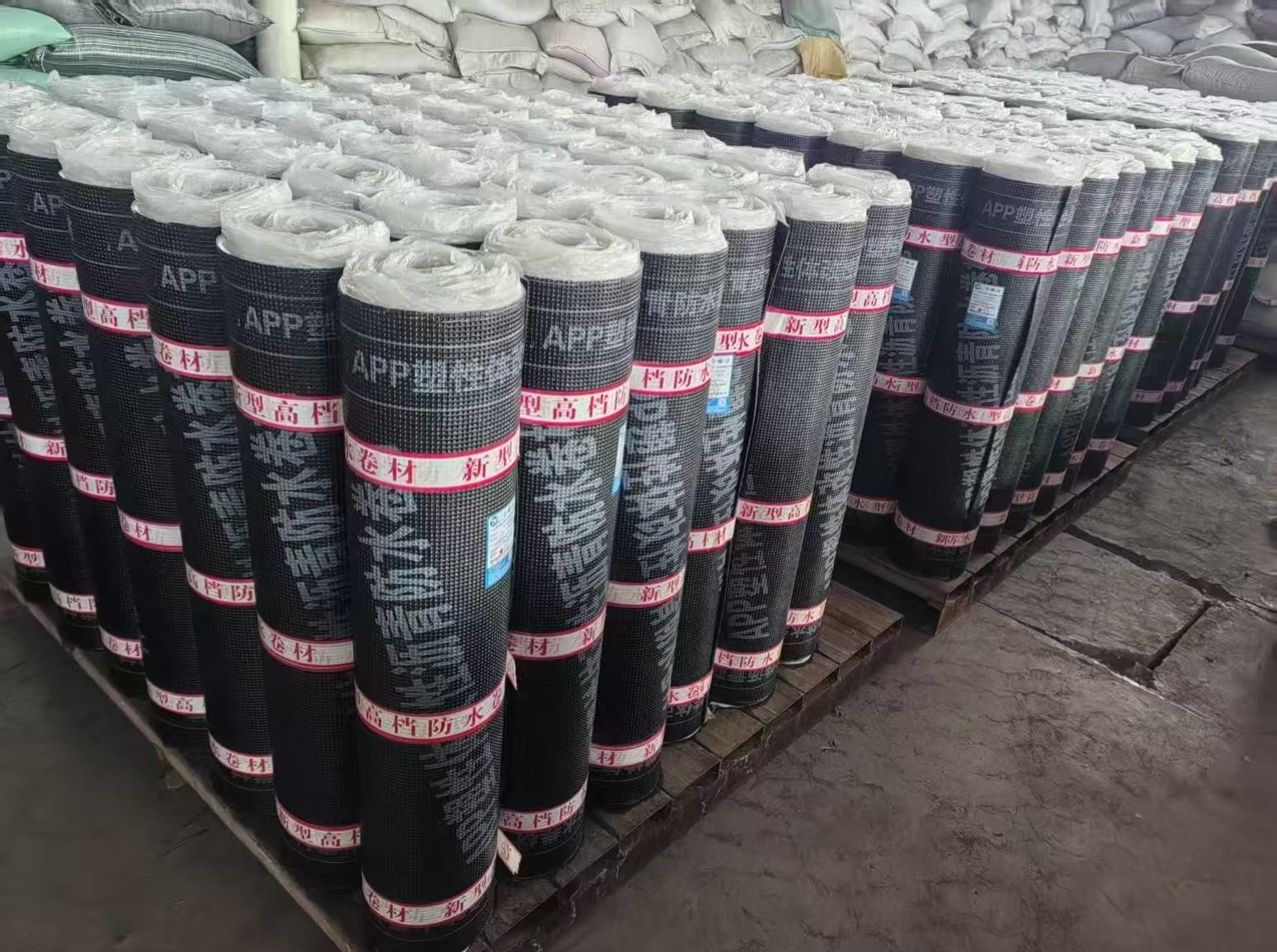
- Packing: Rolls per pallet, protection, and labelling requirements for your destination.
- Quantity and destination port: Needed for accurate freight and lead-time planning.
If any of these depend on the project, state that clearly in your enquiry so the supplier does not guess.
Questions to prepare before requesting a quotation
- What is the application area: roof, basement, tunnel, metal roof, or repair?
- What substrate will the membrane bond to, and what is its condition?
- Will the surface stay exposed to sunlight, or be covered?
- What thickness and reinforcement does your specification require?
- Which installation method can your site actually perform?
- What total quantity do you need, and by when?
- What is the destination port and any packing or labelling requirement?
- Are there local standards or approvals the material must meet?
Common mistakes and selection risks
A few recurring issues cause rejected shipments or failed installations:
- Choosing by price alone and receiving a thinner membrane than the design requires.
- Ordering a torch-applied membrane for a site where open flame is not permitted.
- Assuming one membrane type suits every zone of a building.
- Ignoring substrate condition, especially on old or corroded metal roofs.
- Not confirming seam or welding method for single-ply membranes before purchase.
- Overlooking climate; a membrane suited to hot regions may behave differently in cold conditions.
Most of these are avoidable by confirming substrate, thickness, climate, and installation method before ordering.
Get help matching the membrane to your project
If you are still deciding between bitumen membrane, single-ply membrane, or a self-adhesive membrane, send the application details, substrate, thickness, quantity, and destination port. With that information, our team can recommend a suitable specification and explain the trade-offs, so you order a sheet membrane that fits the job rather than one that only looks right on paper.