This article is written for importers, waterproofing contractors, procurement engineers, and distributors who are researching Sika bituminous waterproofing and comparable bitumen membrane options for roofing, basement, and infrastructure projects. If you are trying to match a brand reference to a technical specification, or comparing bituminous products from different suppliers, this guide explains what actually drives the decision.
Rather than focusing on a single brand name, the practical task for most buyers is to define the correct bitumen membrane type, thickness, and construction method for the project, then source a material that meets that specification. Below we break down the buyer intent, application scenarios, and the questions you should settle before contacting any manufacturer.
Understanding the buyer intent behind Sika bituminous waterproofing
When buyers search for a specific brand plus "bituminous waterproofing," they usually fall into one of a few groups. Some have a project specification that names a brand and need an equivalent product that meets the same technical description. Others are comparing bituminous membrane systems generally and using a well-known name as a reference point. A third group is looking for repair or supply of an existing bitumen membrane system already installed on site.
In all three cases, the real requirement is a bitumen membrane defined by its modifier type, reinforcement, thickness, and surface finish. Brand names help set a quality expectation, but the membrane still has to be selected against substrate, climate, and installation method. When you request a quotation, describing the technical specification clearly will get you a more accurate offer than a brand name alone.
Common application scenarios for bituminous membranes
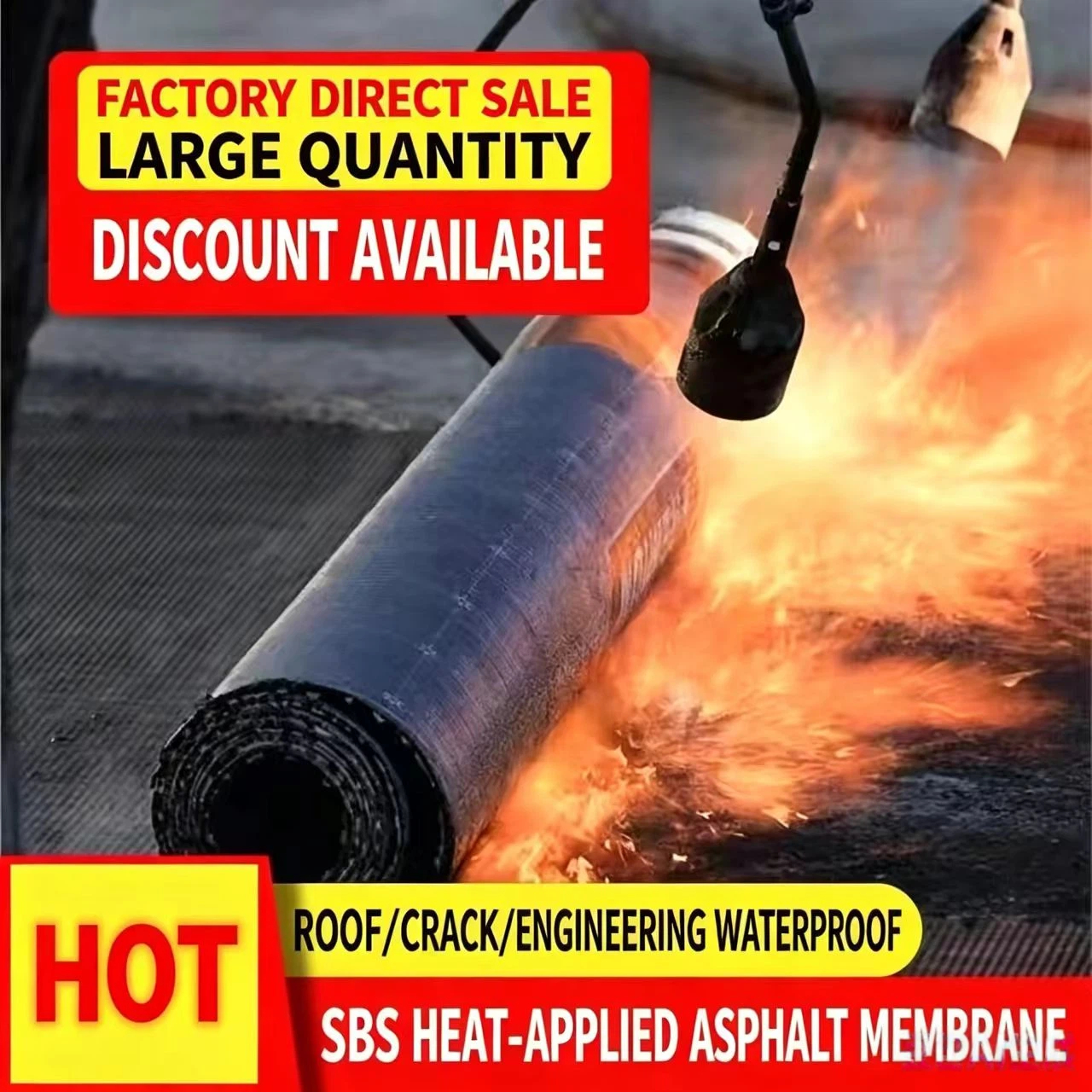
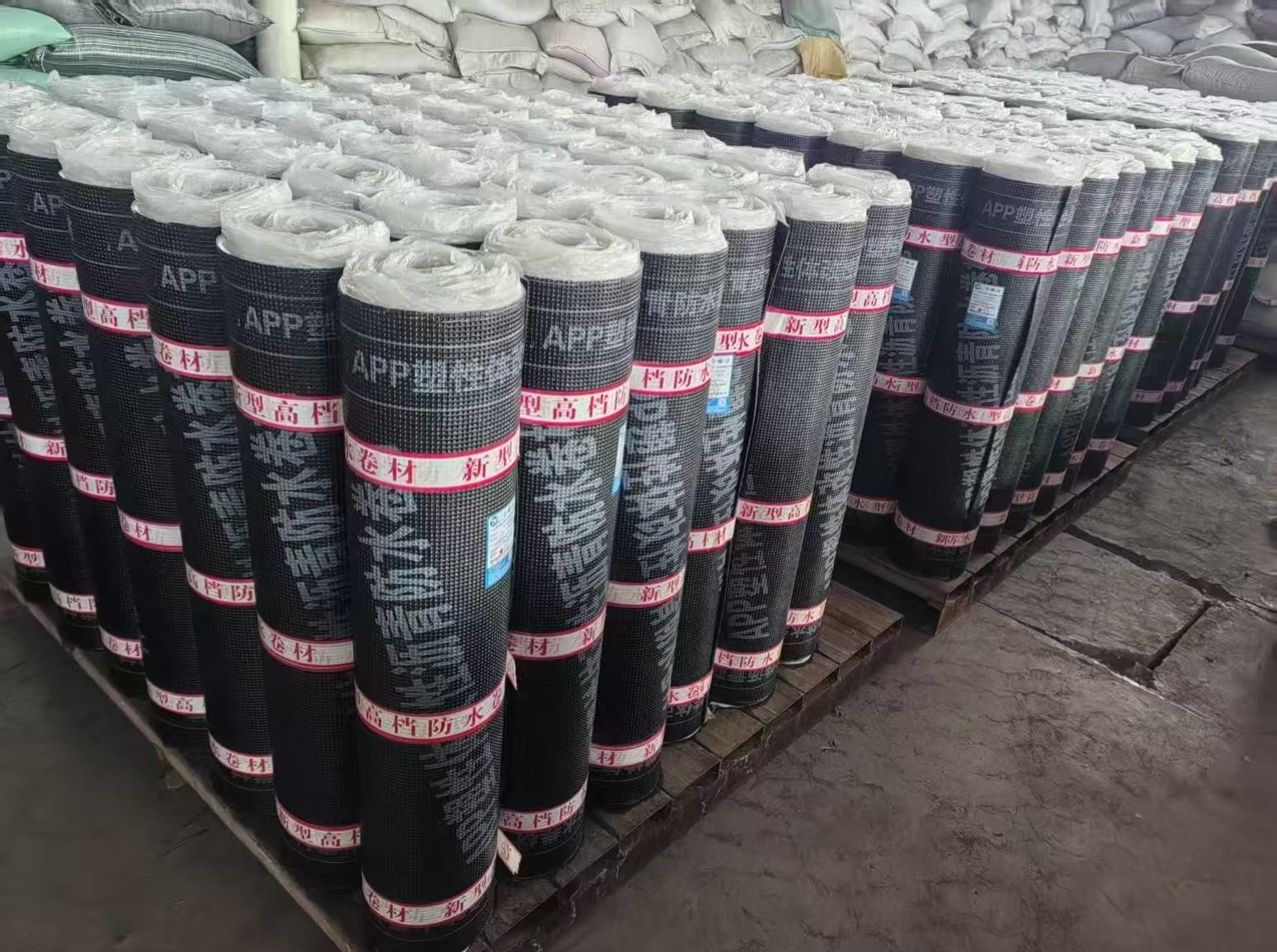
Bituminous waterproofing, including SBS membrane and APP membrane, is widely used across building and civil works. Typical uses include:
- Flat and exposed roofs: torch-applied or self-adhesive bitumen membrane, often with mineral or metallic surface finish for UV exposure.
- Basements and underground structures: membranes applied to floors and walls, sometimes in pre-applied anti-adhesive configurations for below-grade concrete.
- Tunnels, bridges, and municipal infrastructure: heavy-duty bitumen membranes where mechanical durability and long-term performance matter.
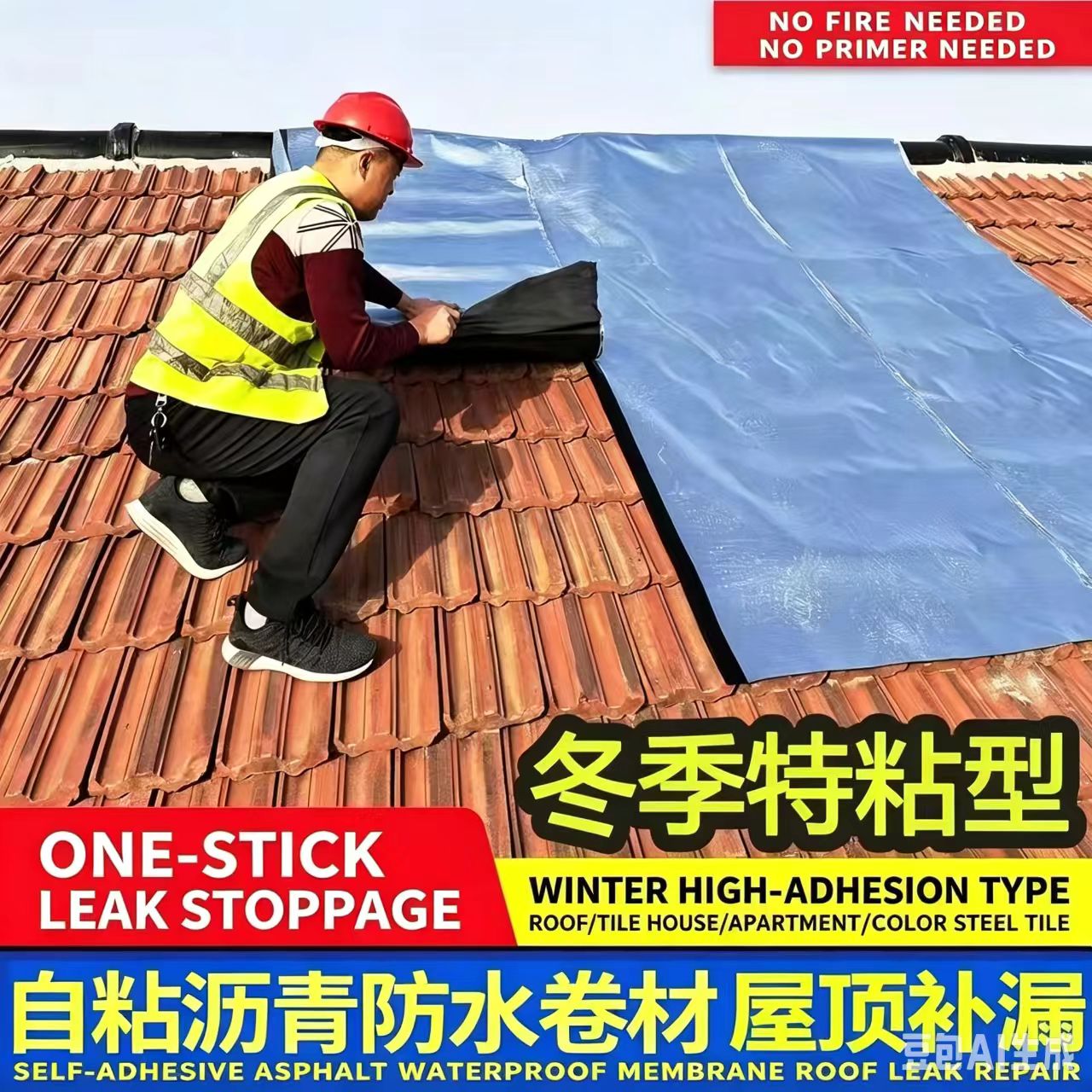
- Repair and renovation: self-adhesive membranes and non-curing coatings used where open-flame work is restricted or where old surfaces need overlay.
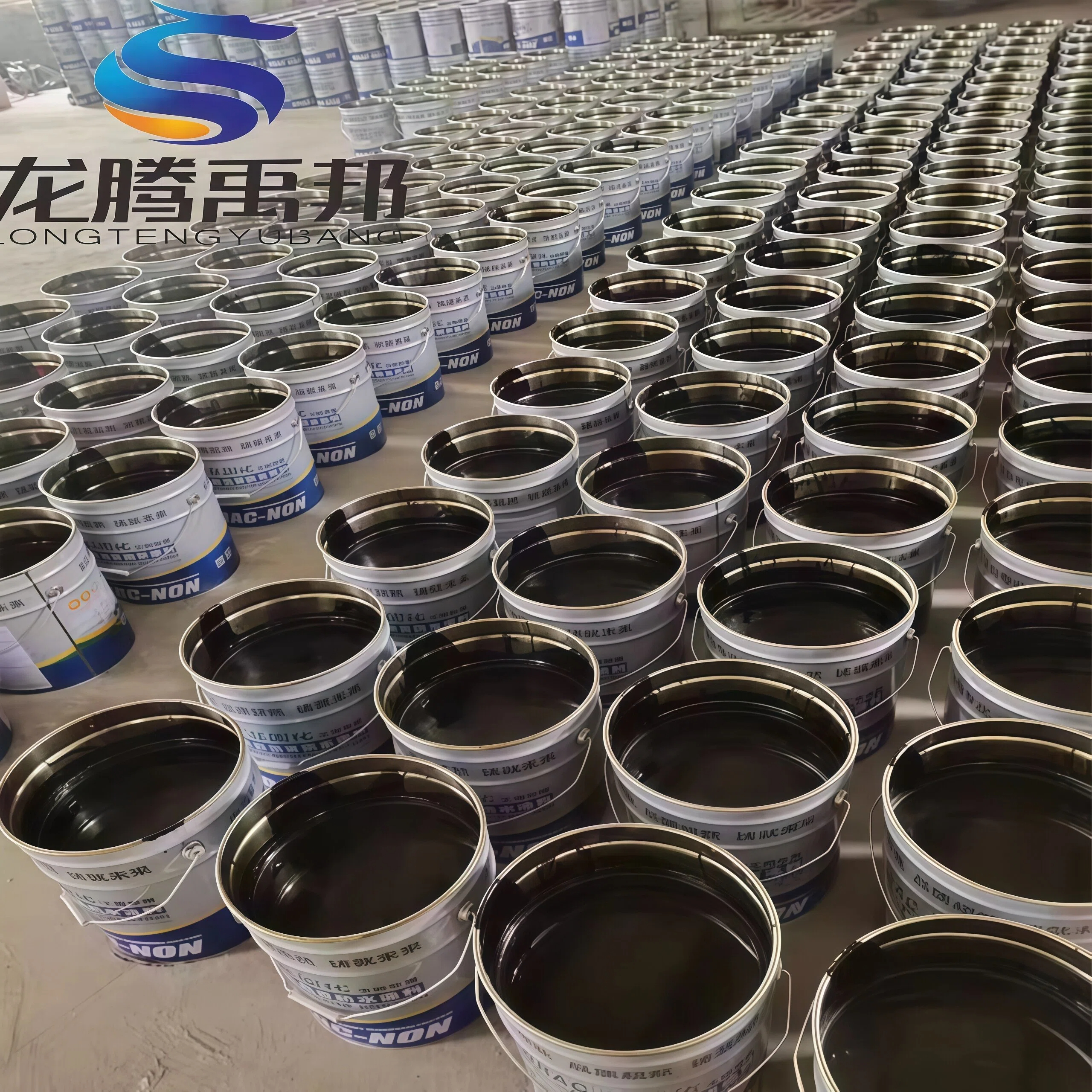
- Detail and joint reinforcement: self-adhesive tapes and non-curing rubber asphalt coatings for cracks, laps, and pipe penetrations.
Climate strongly influences the choice. Hot regions often favour APP-modified or heat-stable systems, while cold regions typically use SBS-modified membranes for low-temperature flexibility. The correct choice should be confirmed against your local specification and site conditions.
Buyer decision table
| Project condition | Material option | What to confirm before inquiry | Notes |
|---|---|---|---|
| Exposed roof in hot climate | APP or modified bitumen membrane with mineral surface | Thickness, surface finish, roll size, expected temperature range | Surface finish affects UV resistance and appearance |
| Roof or structure in cold climate | SBS modified bitumen membrane | Low-temperature flexibility requirement, thickness, application method | SBS is often specified for cold flexibility |
| Basement floor and walls | Self-adhesive or pre-applied anti-adhesive bitumen membrane | Positive or negative side, groundwater condition, substrate | Pre-applied types suit cast-against concrete |
| Renovation where flame is not allowed | Self-adhesive modified bitumen membrane | Existing substrate condition, primer needs, ambient temperature | Avoids open-flame torching |
| Cracks, laps, penetrations | Butyl tape or non-curing rubber asphalt coating | Gap width, substrate material, exposure | Used with membranes, not as a standalone roof system |
How to choose the right specification
Once the membrane type is settled, the specification details determine cost, logistics, and site performance. When preparing an inquiry, consider the following:
- Thickness: commonly specified by project requirements; heavier structures and below-grade work often call for thicker membranes.
- Reinforcement: polyester and fibreglass carriers behave differently in terms of strength and dimensional stability. Confirm what the specification requires.
- Surface finish: sanded, film, mineral, or metallic surfaces are selected based on exposure and whether the membrane is a base or cap sheet.
- Roll width and length: affects coverage, waste, and labour. Confirm the standard roll size available.
- Installation method: torch-on, self-adhesive, or hot-mopped systems change both product choice and site requirements.
- Packing: rolls per pallet, pallet dimensions, and container loading affect freight and handling.
- Quantity and destination port: total order volume and destination influence lead time, packing, and shipping arrangement.
Where a project involves multiple areas, such as a roof plus basement, you may need more than one membrane type. Coatings such as polyurethane or non-curing rubber asphalt are often used alongside membranes for detailing and reinforcement.
Questions to prepare before requesting a quotation
- What is the application area? Roof, basement, tunnel, bridge, or repair?
- Is the surface exposed or covered after installation?
- What thickness and reinforcement does your specification require?
- Which installation method is planned: torch-applied, self-adhesive, or hot-applied?
- What is the climate at the project site, especially temperature extremes?
- What total quantity do you need, and by when?
- What is the destination port, and do you need specific packing?
- Do you have a reference specification or brand equivalent to match?
Providing these details lets a supplier confirm whether a standard product fits or whether adjustments are needed. It also avoids delays caused by unclear technical requirements.
Common mistakes and selection risks
A frequent error is selecting a membrane by brand or price alone without matching the modifier type to the climate. Using an APP-oriented product in a very cold region, or the reverse, can affect flexibility and application. Another risk is ignoring the substrate: pre-applied membranes, self-adhesive systems, and torch-applied membranes each require different surface preparation.
Buyers also sometimes overlook detailing. Even a correctly chosen membrane can leak at laps, penetrations, and upstands if joints and reinforcement are not addressed with suitable tapes or coatings. Finally, confirm roll size and packing before ordering, since these directly affect coverage calculations and container loading. When a specification names a specific brand, ask the supplier to match the technical description rather than assuming products are identical.
Getting product selection support
If you are comparing bituminous waterproofing options or trying to match an existing specification, the most efficient step is to share your project conditions and required specification. As a waterproofing materials manufacturer, Shandong Yubang New Waterproof Materials Co., Ltd. can help you identify a suitable bitumen membrane or complementary coating based on substrate, climate, thickness, and packing needs, and confirm what is available for your destination.