This guide is written for importers, waterproofing contractors, procurement engineers, and distributors who are searching for a Sika waterproofing membrane and want to understand how brand-name products compare with equivalent membranes from other manufacturers. The goal is to help you match the right membrane type to your project, not to promote a single label.
If you are sourcing for roofing waterproofing, basement waterproofing, tunnels, or metal roof repair, the more useful question is often "what membrane specification does my project need?" rather than "which brand appears most in search results." Below we break down buyer intent, application scenarios, and the details you should confirm before sending an inquiry.
Understanding the buyer intent behind "sika waterproofing membrane"
When buyers search for a Sika waterproofing membrane, they usually fall into one of a few groups. Some are following a project specification that names a specific brand. Others are researching a well-known name as a reference point before comparing prices and lead times from multiple suppliers. A third group simply uses the brand as shorthand for "a reliable waterproof membrane" and is open to equivalent products.
Knowing which group you belong to changes your sourcing approach. If a tender document specifies a named brand and product code, substitutions may need approval from the project engineer. If you have flexibility, you can request comparable membrane types from other manufacturers based on material family, thickness, and installation method. Either way, the technical requirements matter more than the label on the roll.
Common application scenarios for waterproof membranes
Different projects call for different membrane families. A membrane that performs well on an exposed roof may not be the right choice for a pre-applied basement floor. Common scenarios include:
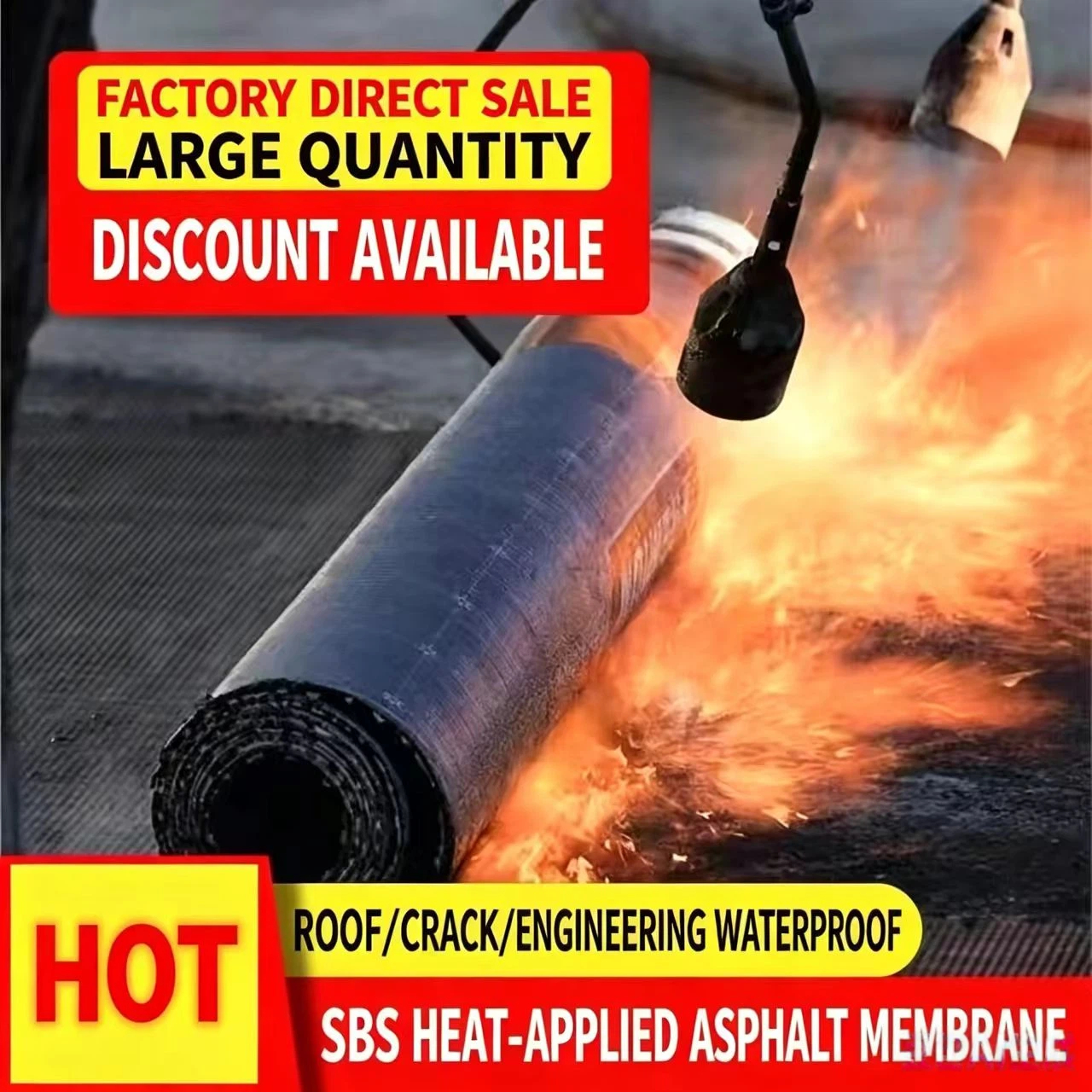
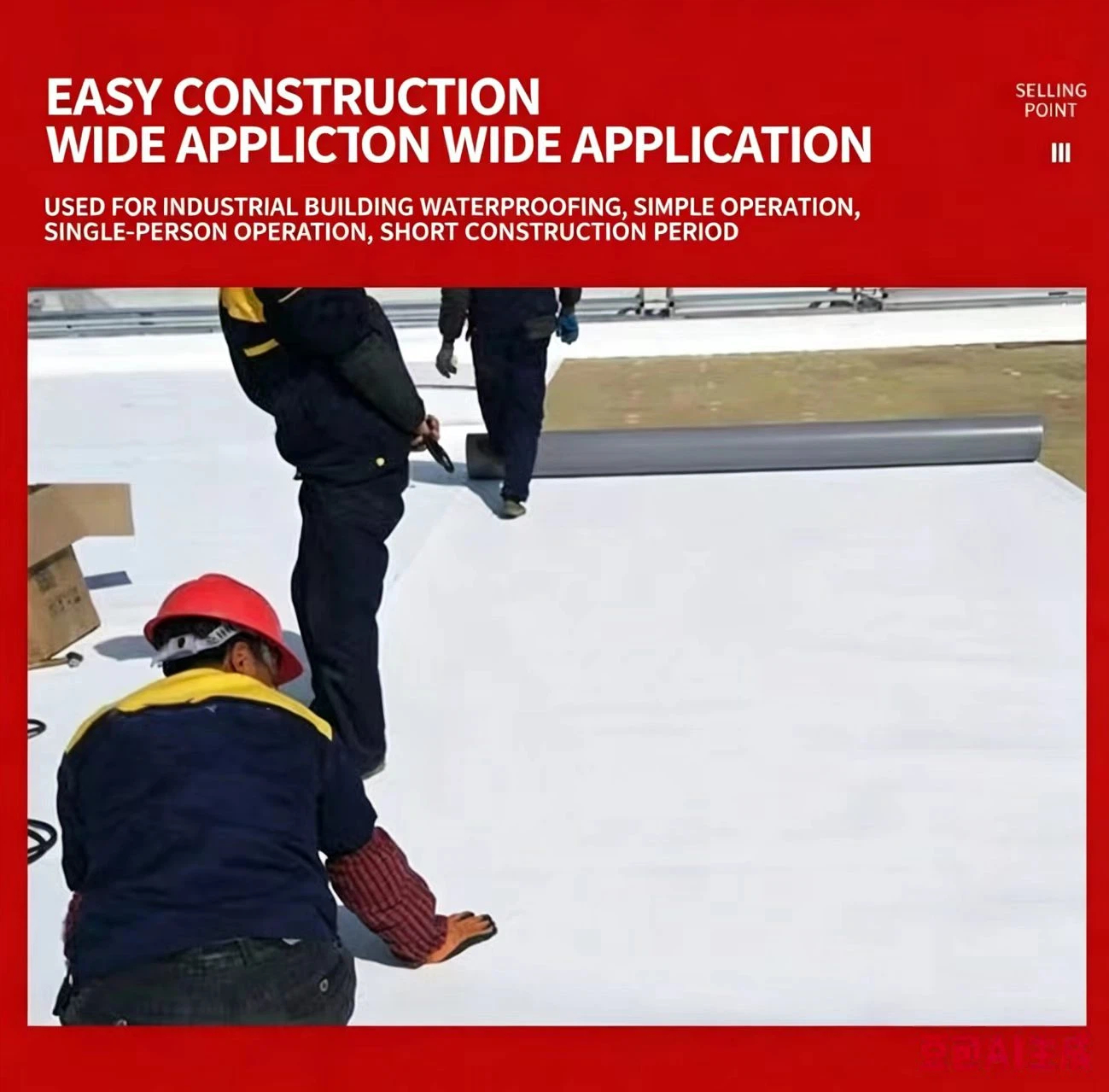
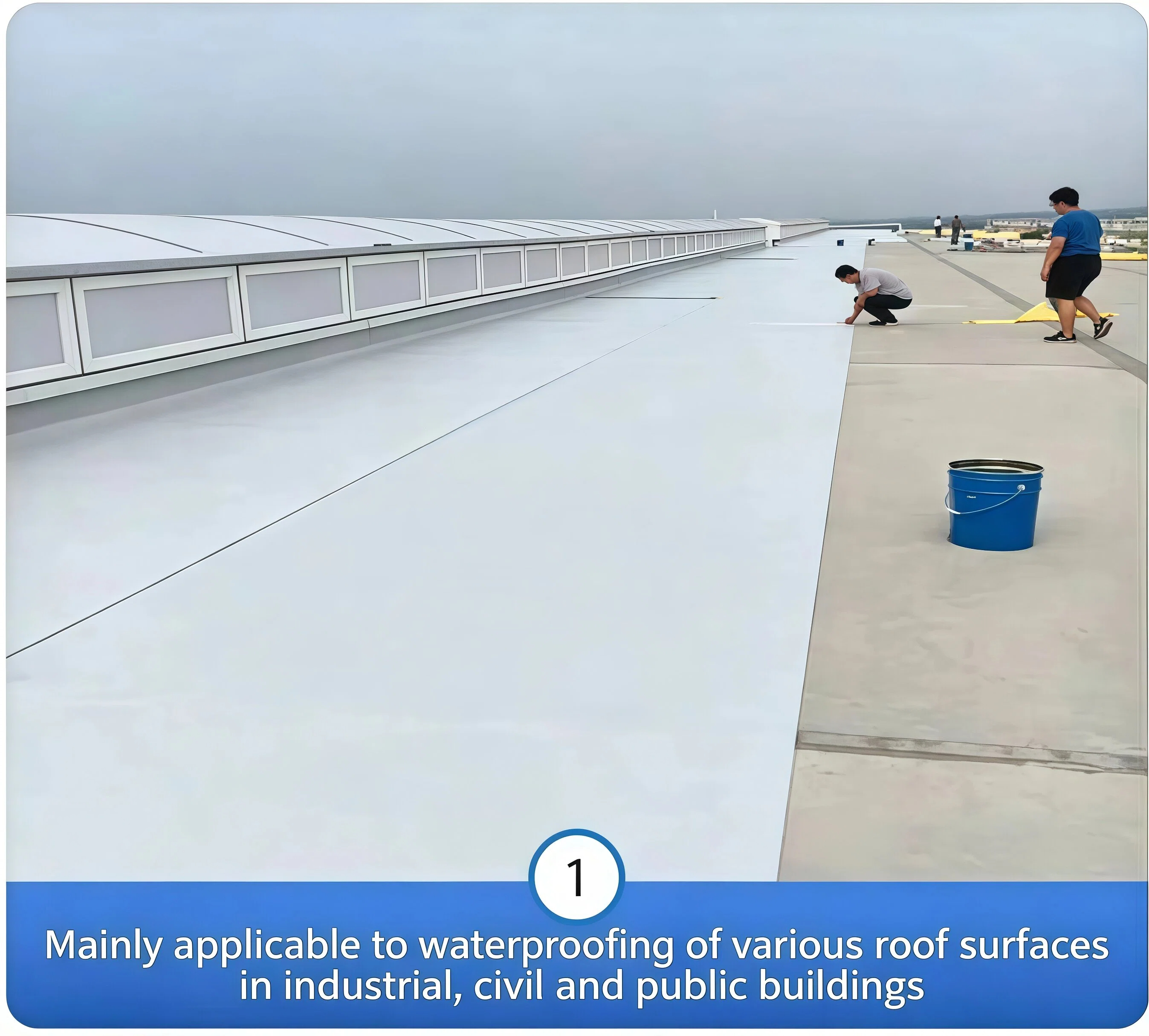
- Exposed and covered roofs: often served by SBS membrane, APP-style modified bitumen membrane, PVC, or TPO membrane depending on climate and finish.
- Basement floors and walls: frequently use pre-applied anti-adhesive self-adhesive membrane or bitumen membrane systems.
- Tunnels, bridges, and municipal infrastructure: commonly specify bitumen membrane or reinforced polymer membranes.
- Metal and colour steel roofs: repair and renovation typically use self-adhesive membrane designed for metal substrates or butyl sealing tape at overlaps.
- Water pools, corrosive, and chemical environments: PVC, TPO, or EPDM membranes are often considered.
The correct choice depends on substrate, exposure, climate, and how the membrane will be installed. Always confirm these factors before selecting a material family.
Buyer decision table
| Project condition | Material option | What to confirm before inquiry | Notes |
|---|---|---|---|
| Exposed roof in hot climate | Modified bitumen membrane or reflective coating system | Thickness, surface finish, UV exposure | Surface protection matters for long exposure |
| Cold-region roofing | SBS modified bitumen membrane | Thickness, flexibility at low temperature | Installation method should suit site conditions |
| Basement floor, pre-applied | Pre-applied anti-adhesive self-adhesive membrane | Substrate prep, overlap detail | Bonds to poured concrete |
| Metal / colour steel roof repair | Self-adhesive membrane for metal or butyl tape | Substrate condition, existing coating | Local repair vs full re-cover |
| Chemical or exposed industrial roof | PVC or TPO membrane | Chemical exposure, welding method | Confirm compatibility with substrate |
How to choose the right specification
Once you know the material family, the specification details determine performance and price. For bitumen membrane, confirm thickness, reinforcement type, and surface finish. For thermoplastic membranes like PVC and TPO, confirm thickness, reinforcement, and roll size. Key points to align on include:
- Thickness: should match the project specification and exposure conditions.
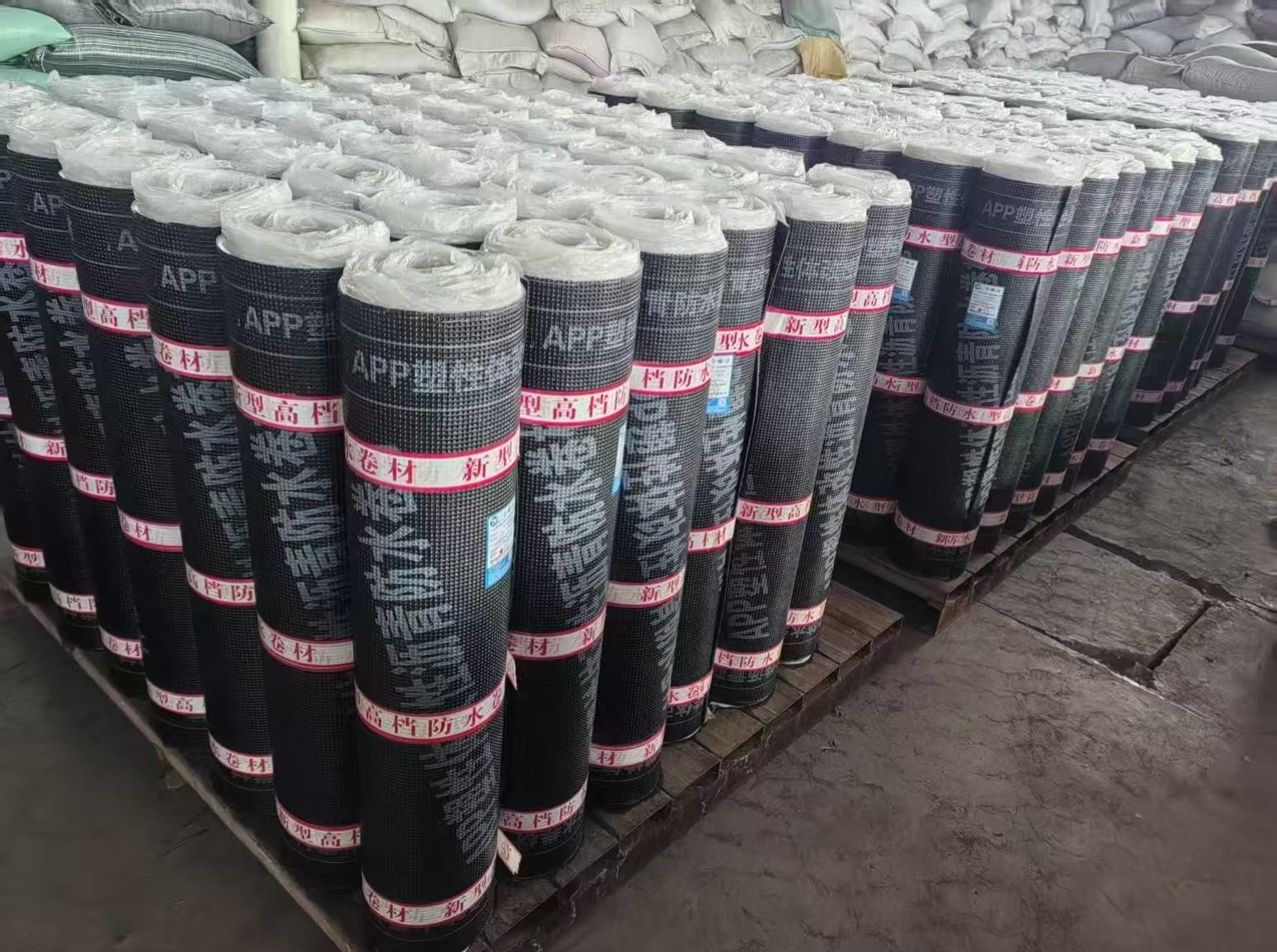
- Roll width and length: affects labour, waste, and shipping volume.
- Surface finish and reinforcement: mineral, film, polyester, or fabric-backed options vary by use.
- Installation method: torch-applied, self-adhesive, hot-air welded, or loose-laid.
- Packing, quantity, and destination port: influence pricing, palletising, and container loading.
If any of these depend on your local specification, confirm them with your project engineer before requesting a formal quotation.
Questions to prepare before requesting a quotation
- What is the application: roof, basement, tunnel, pool, or metal roof?
- Is the surface exposed or covered after installation?
- What thickness and roll dimensions does the specification require?
- What installation method will be used on site?
- Is a specific brand mandated by the tender, or are equivalents acceptable?
- What is the required quantity and your destination port?
- Do you need matching accessories such as sealing tape or reinforcement coatings?
Common mistakes and selection risks
A frequent error is choosing a membrane by brand name alone without checking whether the material family suits the substrate and climate. Another risk is ordering a thickness that does not match the specification, which can cause rejection during inspection. Buyers sometimes overlook installation method: a torch-applied membrane requires different site conditions than a self-adhesive one. Finally, ignoring packing and container loading can raise freight costs and delay delivery. Confirm compatibility of any accessory products, such as non-curing coatings used for joint reinforcement, with the main membrane before ordering.
Getting selection support
Whether your project names a Sika waterproofing membrane or leaves room for equivalents, the safest path is to match material family, thickness, and installation method to your actual site conditions. If you are unsure which membrane fits your roof, basement, or repair project, share your application details and specification so a suitable option and packing plan can be prepared for your inquiry.