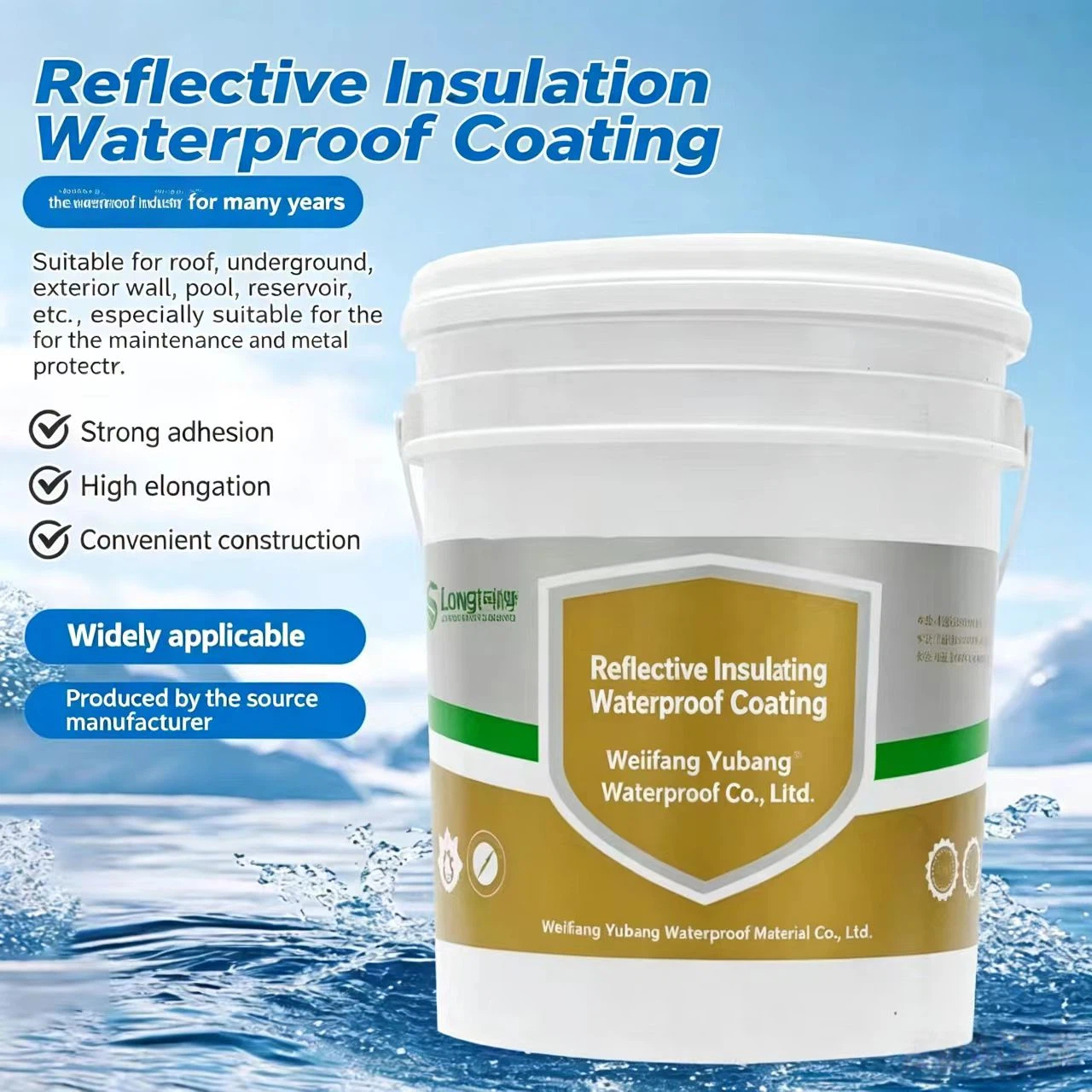
This guide is written for importers, roofing contractors, and procurement engineers who are researching SikaCoat 300 Cool and comparable reflective thermal insulation waterproof coatings for exposed roofs in hot regions. If you are sourcing a white or light-coloured roof coating that reduces surface heat while providing a waterproof film, this article helps you understand the product category, what to confirm, and how to prepare a clear inquiry.
SikaCoat 300 Cool is a specific branded product from another manufacturer. We do not sell it and cannot state its exact formulation, coverage, or performance numbers. What we can do is explain the reflective coating category it belongs to, so you can compare options and request the right specification from any supplier.
Buyer intent behind "sikacoat 300 cool"
Most buyers searching this keyword fall into a few groups. Some are trying to confirm technical data for a specification already written into a project. Others are comparing reflective roof coatings and want a functional equivalent for a metal roof, concrete roof, or storage facility. A third group is looking for a cost-competitive supply source for repeat volume orders.
The common thread is a need for a liquid-applied waterproof coating with a reflective, light-coloured finish intended to lower roof surface temperature. That points to the reflective thermal insulation coating category, sometimes described as acrylic elastic coatings when flexibility and crack bridging matter. The right choice depends on substrate, climate, existing waterproofing, and how the coating is applied.
Common application scenarios
Reflective and elastic coatings in this category are commonly used in the following situations:
- Exposed concrete roofs in hot climates, where heat gain and UV exposure are the main concerns.
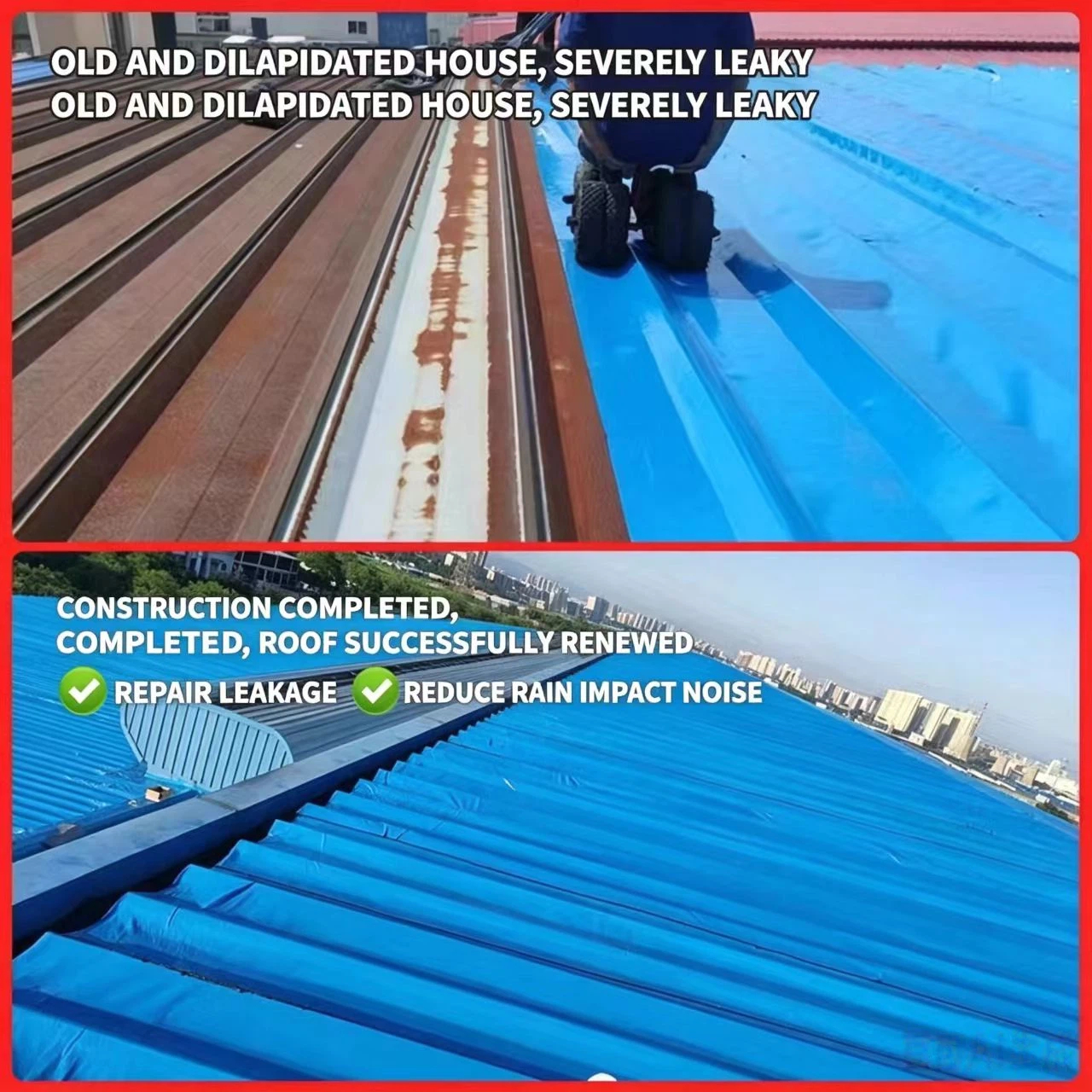
- Metal and colour steel tile roofs on factories, warehouses, and logistics buildings, often to reduce interior temperature.
- Storage tanks, grain depots, and process buildings where surface temperature affects stored contents.
- Repair and renovation of aged roof coatings or minor surface cracks, where a liquid coating is easier than a full membrane replacement.
For heavy structural waterproofing on basements or tunnels, a coating alone is usually not enough. Those projects typically combine a bitumen membrane or self-adhesive membrane with a coating for joint reinforcement.
Buyer decision table
| Project condition | Material option | What to confirm before inquiry | Notes |
|---|---|---|---|
| Hot-climate exposed roof, heat reduction priority | Reflective thermal insulation waterproof coating | Substrate type, roof area, existing coating, required colour | Reflectivity and cooling depend on finish and application; confirm expectations by project. |
| Roof with movement and hairline cracks | Acrylic elastic waterproof coating | Crack width, substrate condition, dry film thickness target | Elastic film can bridge minor cracks; large joints need reinforcement. |
| Metal or colour steel tile roof | Reflective coating or self-adhesive membrane for colour steel tiles | Overlap and fastener detailing, roof slope, corrosion state | Coating and membrane are sometimes combined at seams. |
| Full roof waterproofing on concrete | Membrane system with coating reinforcement | Waterproofing class, exposure, local specification | Coating alone may not satisfy structural waterproofing requirements. |
How to choose specifications
Liquid-applied coatings are specified differently from membranes, but several points still need to be defined before a quotation is meaningful:
- Dry film thickness and coverage: Coating consumption per square metre depends on substrate roughness and number of coats. Confirm target thickness.
- Surface finish and colour: Reflective performance is linked to a light or white finish. State the colour you need.
- Reinforcement: Some coating systems use a fabric or fleece at joints and details. Clarify whether reinforcement is required.
- Component type: Single-component coatings are simpler for site application; other systems may be two-component.
- Packing: Pail size, weight per unit, pallet configuration, and shelf life all affect shipping and storage.
- Quantity and destination port: Total volume and the destination port influence packing, lead time, and freight planning.
Because reflective and cooling behaviour depends on the finished film, application method, and local climate, treat any performance expectation as something to confirm against your project rather than assume from a product name.
Questions to prepare before requesting a quotation
- What is the substrate: concrete, metal, existing coating, or membrane?
- What is the total roof area, and how many coats are planned?
- Is the priority heat reduction, waterproofing, or both?
- What colour and finish do you require?
- Is the roof exposed permanently, or will it be covered later?
- What is your destination port and required delivery timing?
- Do you need matching primer, reinforcement fabric, or joint sealing products?
Common mistakes and selection risks
A frequent error is treating a reflective coating as a full replacement for a waterproofing membrane on a demanding structure. Coatings perform best on sound substrates and at correct thickness. Applying too thin a film, or skipping surface preparation, reduces both waterproofing and cooling function.
Another risk is assuming all products marketed as "cool" coatings behave identically. Formulations, solids content, and finishes vary between manufacturers, so a functional equivalent should be evaluated by specification, not by name alone. Finally, confirm compatibility when overcoating an existing coating or membrane, since adhesion issues can appear later.
Get help choosing the right coating
If you are comparing SikaCoat 300 Cool with other reflective or elastic roof coatings, share your substrate, roof area, climate, and destination port. We can suggest a suitable reflective thermal insulation coating or an acrylic elastic coating from our range, and help you define thickness, packing, and quantity for a clear quotation. Reach out with your project details and we will support the selection process.