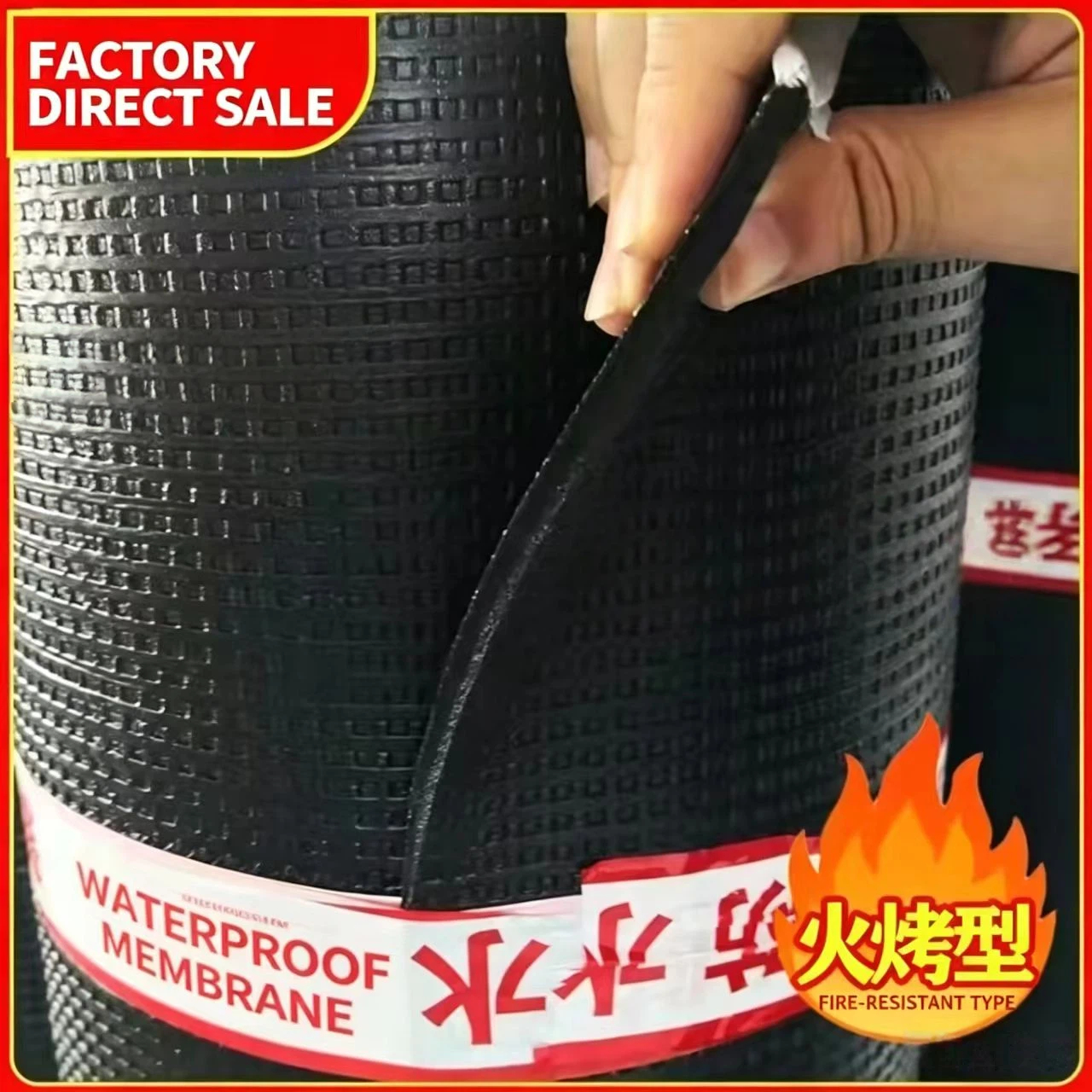
This guide is written for contractors, procurement engineers, distributors, and project buyers who are sourcing torch on membrane for roofing or below-grade work and need to specify it correctly before sending an inquiry. If you are comparing torch-applied bitumen products against self-adhesive or single-ply systems, this article explains the practical differences that affect price, application, and shipping.
The aim is to help you match the membrane to your project conditions, not to push one product. Final selection always depends on substrate, climate, thickness, and the local specification on your project.
What buyers usually mean when they search for torch on membrane
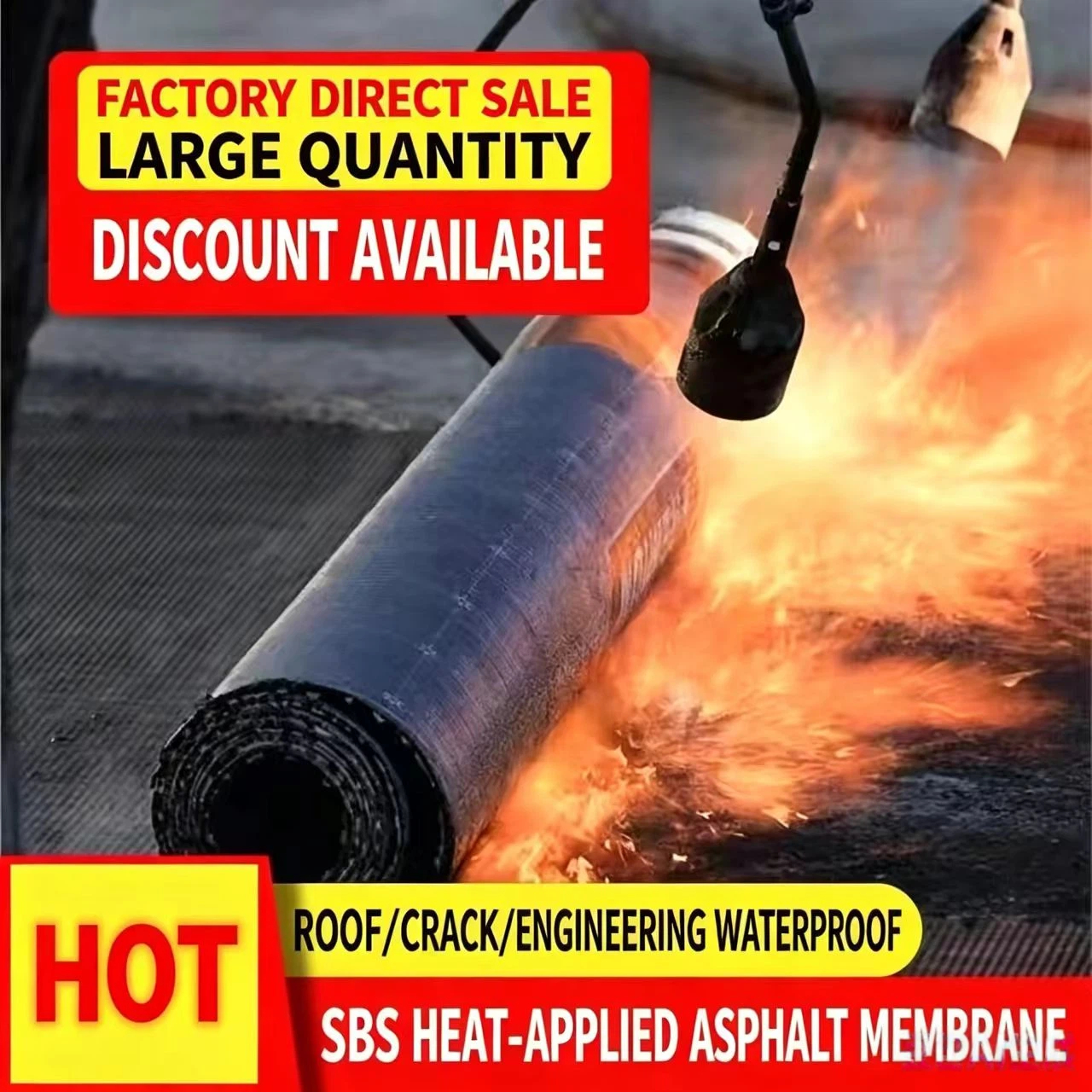
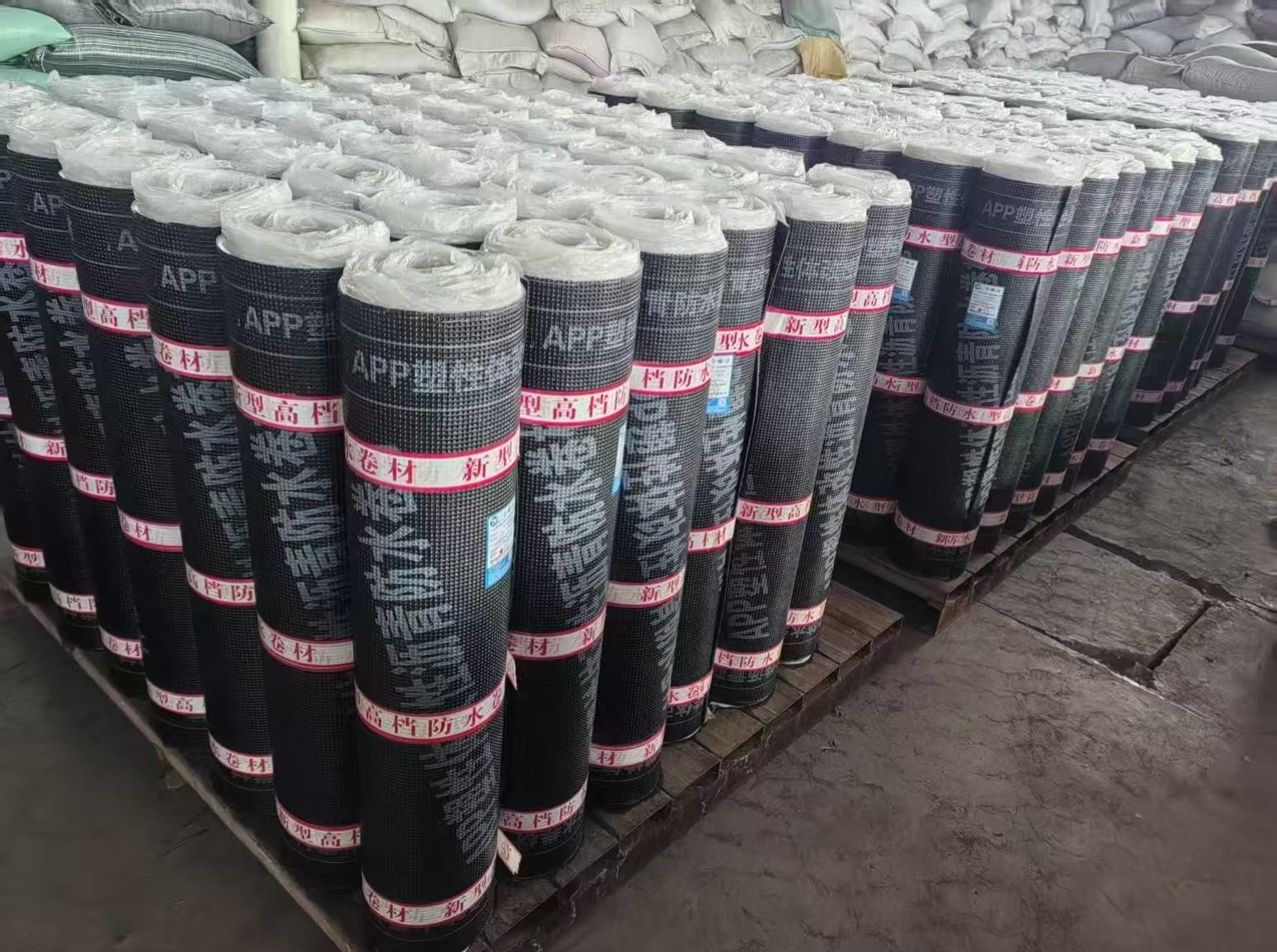
"Torch on membrane" almost always refers to a modified bitumen membrane that is bonded to the substrate by heating the underside with an open flame (torch) until the bitumen melts and adheres. Buyers using this term are normally looking for one of two families: SBS modified bitumen membrane, common in cold and temperate climates, or APP modified bitumen membrane, common in hot regions because of its higher softening point.
The intent behind the search is usually practical: the buyer has decided on a torch-applied bitumen system and now needs to confirm reinforcement type, thickness, surface finish, and supply terms. Some buyers also search this phrase to compare torch-applied installation against self-adhesive membrane, which avoids open flame on site. If open-flame work is restricted on your project, that comparison matters early.
Common application scenarios
Torch on bitumen membrane is widely used across several scenarios. Understanding where it fits helps you choose the right surface finish and thickness.
- Exposed flat and low-slope roofs: Often specified with a mineral or granule top surface for UV protection. Surface finish should be confirmed for exposed use.
- Concealed roofing waterproofing under screed or pavers: Plain or sanded surface membranes are common here.
- Basement waterproofing and foundation walls: Used as a tanking layer, often in two layers, with attention to detailing at joints and penetrations.
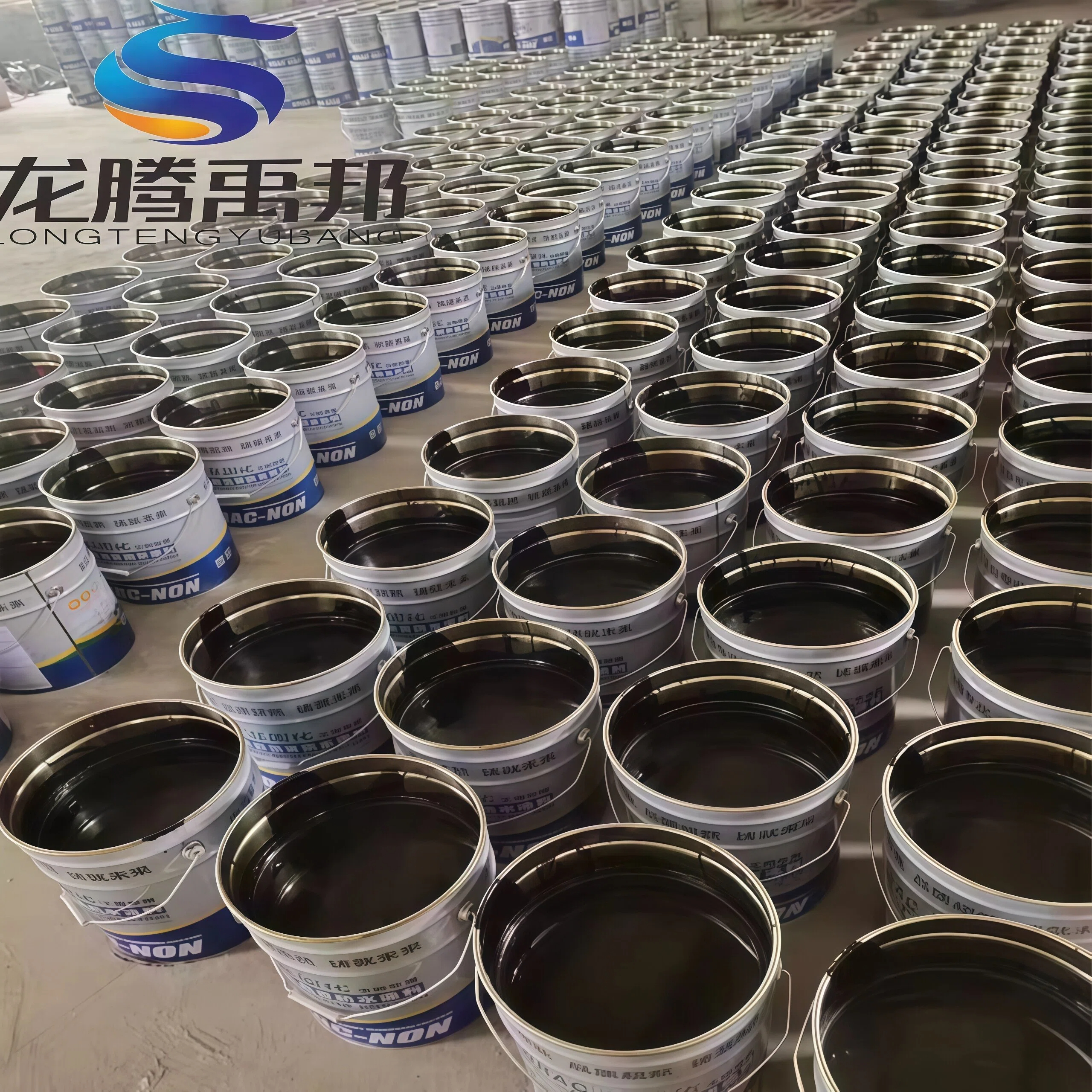
- Tunnels, bridges, and municipal infrastructure: Heavy-duty bitumen membrane is frequently used, sometimes with non-curing coatings at joints for reinforcement.
- Repair and renovation: Torch-applied layers can overlay sound existing substrates, though substrate condition must be checked.
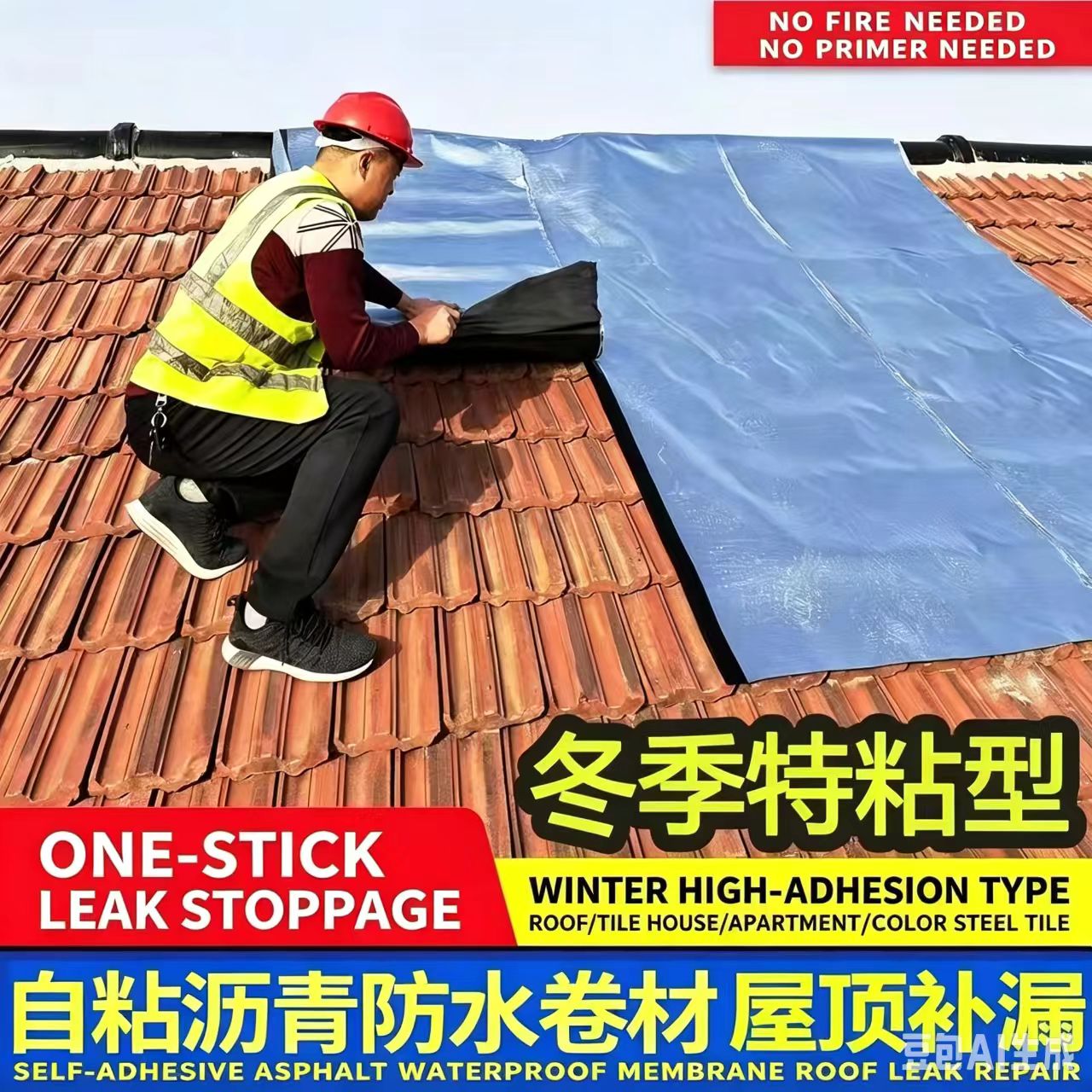
For metal roofs and colour steel tiles, torch application is generally not the preferred method; self-adhesive membrane for metal substrates is more common. Confirm the substrate before assuming torch-on is suitable.
Buyer decision table
| Project condition | Material option | What to confirm before inquiry | Notes |
|---|---|---|---|
| Cold or temperate climate roof | SBS modified bitumen membrane (torch on) | Thickness, reinforcement (polyester/fibreglass), surface finish | SBS stays flexible at lower temperatures |
| Hot, high-temperature region roof | APP modified bitumen membrane (torch on) | Softening point need, surface finish for UV exposure | APP suits high heat; confirm by climate |
| Exposed roof needing UV protection | Mineral/granule-surfaced bitumen membrane | Granule colour, top layer specification | Top layer protects bitumen from sunlight |
| Basement / below-grade tanking | Modified bitumen membrane, often two layers | Number of layers, detailing at joints | Substrate prep and lap sealing are critical |
| Open flame not allowed on site | Self-adhesive modified bitumen membrane | Surface temperature, primer requirement | Avoids torch use; confirm site rules |
How to choose specifications
Once the membrane family is decided, the technical details determine performance and price. Confirm the following with your supplier:
- Thickness: Commonly available in several thicknesses. Thicker membranes are often specified for below-grade and heavy-traffic exposure, but follow your project specification.
- Reinforcement (carrier): Polyester carriers offer higher elongation and puncture resistance; fibreglass carriers offer dimensional stability. The choice depends on the application.
- Surface finish: Mineral/granule for exposed UV protection, sanded or film for concealed and overlaid systems.
- Roll width and length: Affects coverage calculation, waste, and labour. Confirm roll dimensions before estimating quantity.
- Installation method: Torch application requires trained labour and clear site safety conditions. Confirm whether open flame is permitted.
- Packing and quantity: Rolls per pallet, pallet weight, and container loading affect freight. Provide your destination port for accurate logistics.
Because performance figures depend on the exact product and project specification, request the technical data sheet for the specific membrane you are quoting rather than relying on general descriptions.
Questions to prepare before requesting a quotation
- What is the substrate (concrete, screed, existing membrane, metal)?
- Is the application exposed or concealed?
- What is the project climate, especially peak summer and winter temperatures?
- Is open-flame torch work permitted on the site?
- What thickness and reinforcement does the local specification require?
- What surface finish do you need, and is granule colour relevant?
- What total quantity (square metres) and how many shipments?
- What is your destination port and preferred packing?
Common mistakes and selection risks
A frequent error is choosing the membrane family without considering climate. APP and SBS behave differently across temperature ranges, so the wrong choice can shorten field performance. Another risk is ordering an exposed roof without a protective surface finish, which leaves the bitumen vulnerable to UV.
On below-grade work, underestimating layer count and joint detailing leads to leak risk at laps and penetrations. Some buyers also order torch-on membrane for sites where open flame is restricted; in that case a self-adhesive option should be considered instead. Finally, calculating quantity without confirming roll width and overlap allowance often causes shortages on site.
Get selection support before you order
If you are unsure whether SBS or APP torch on membrane fits your project, or whether a self-adhesive alternative is safer for your site conditions, share your substrate, climate, thickness requirement, and destination port. With those details we can recommend a suitable specification and provide the matching technical data sheet so your procurement decision is based on the right product, not a guess.