This guide is written for waterproofing contractors, procurement engineers, distributors, and project buyers who are comparing torch on membrane waterproofing for roofs, basements, tunnels, bridges, and general civil construction. It focuses on the decisions that actually affect performance and cost: material type, thickness, surface finish, and how to communicate clearly when requesting a quotation from a supplier.
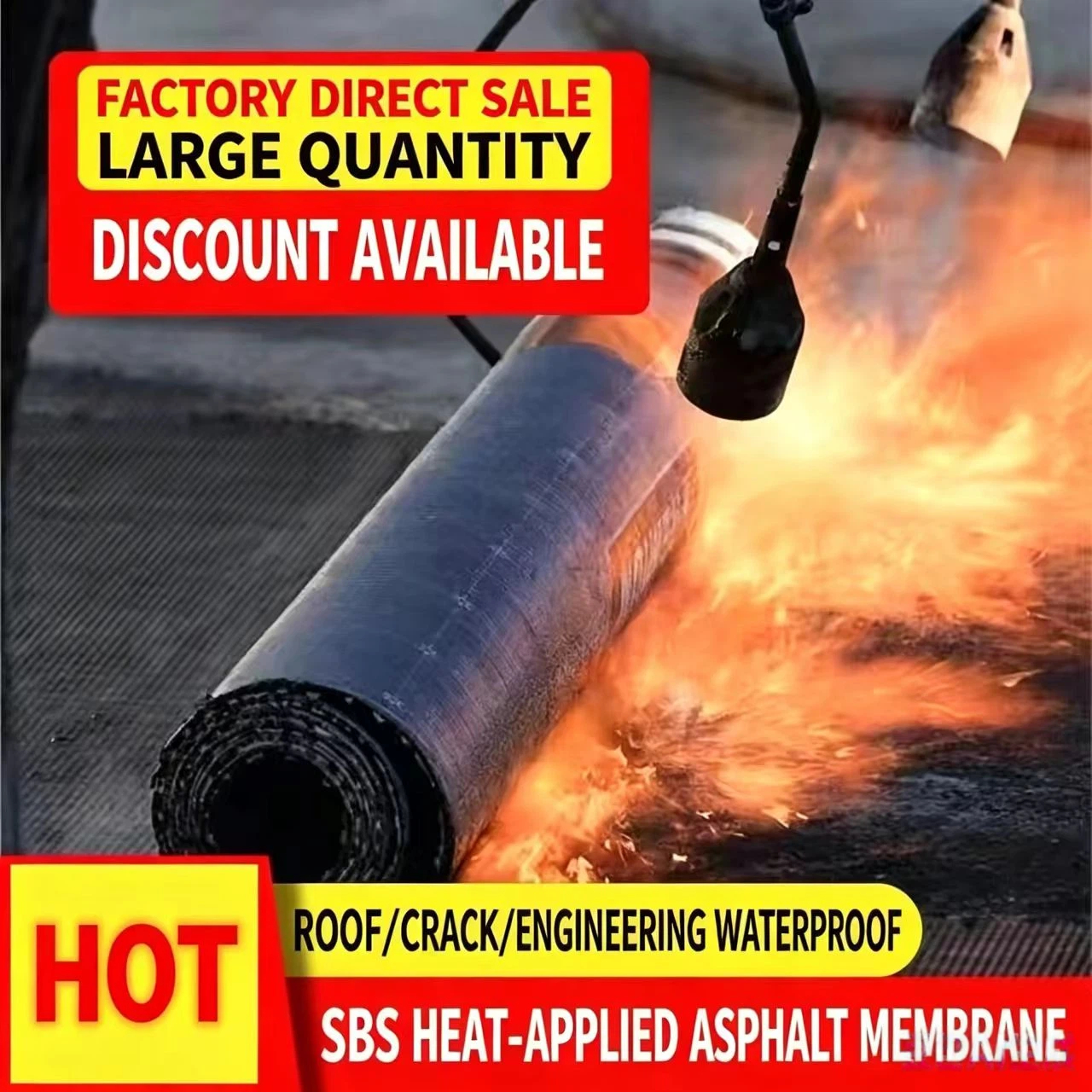
Torch on membrane, sometimes called torch-applied bitumen membrane, is a heat-welded waterproofing system where a flame softens the underside of the roll so it bonds to the substrate. It remains one of the most common methods for large-area roofing waterproofing and below-grade work, but the right membrane depends on climate, substrate, and whether open flame is even allowed on site.
Understanding the buyer intent behind torch on membrane waterproofing
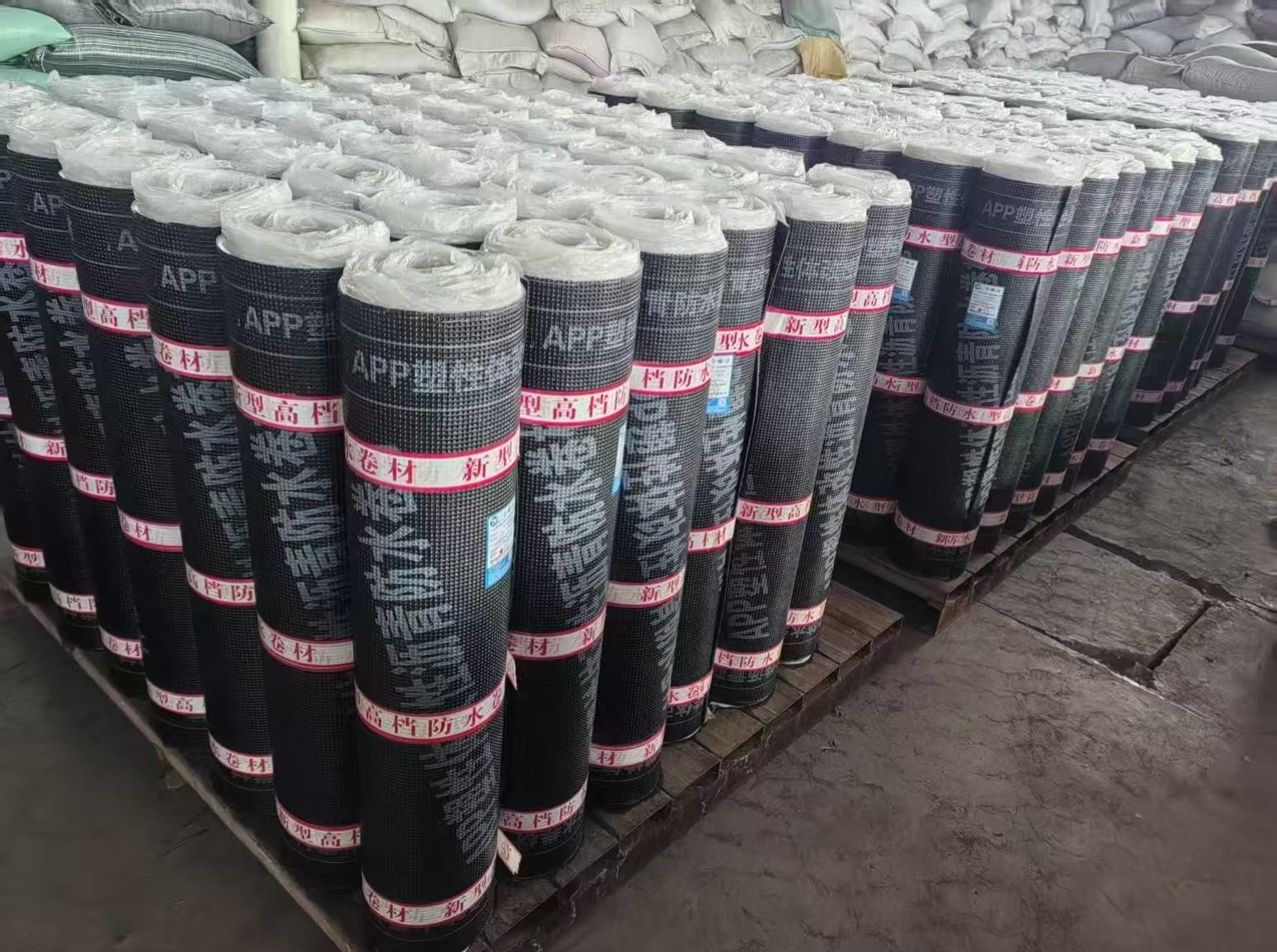
When buyers search for torch on membrane waterproofing, they are usually deciding between bitumen membrane systems and clarifying which modifier suits their climate. In practice this means choosing between APP membrane and SBS membrane, confirming thickness and reinforcement, and checking whether flame application is safe for the project. Some buyers are also comparing torch-applied systems against self-adhesive membrane options where open flame is restricted.
If you are sourcing for export, the intent also includes packing, roll dimensions, container loading, and destination port logistics. A clear inquiry that states these points will get a faster and more accurate response.
Common application scenarios
Torch on bitumen membranes are used across many project types. The suitable product often changes with temperature and exposure.
- Exposed and concealed roofs: Common for concrete roof decks in both civil and industrial buildings. Mineral-surfaced rolls are often used for exposed layers.
- Basement and below-grade walls: Used for tanking and structural waterproofing, frequently combined with reinforcement at joints.
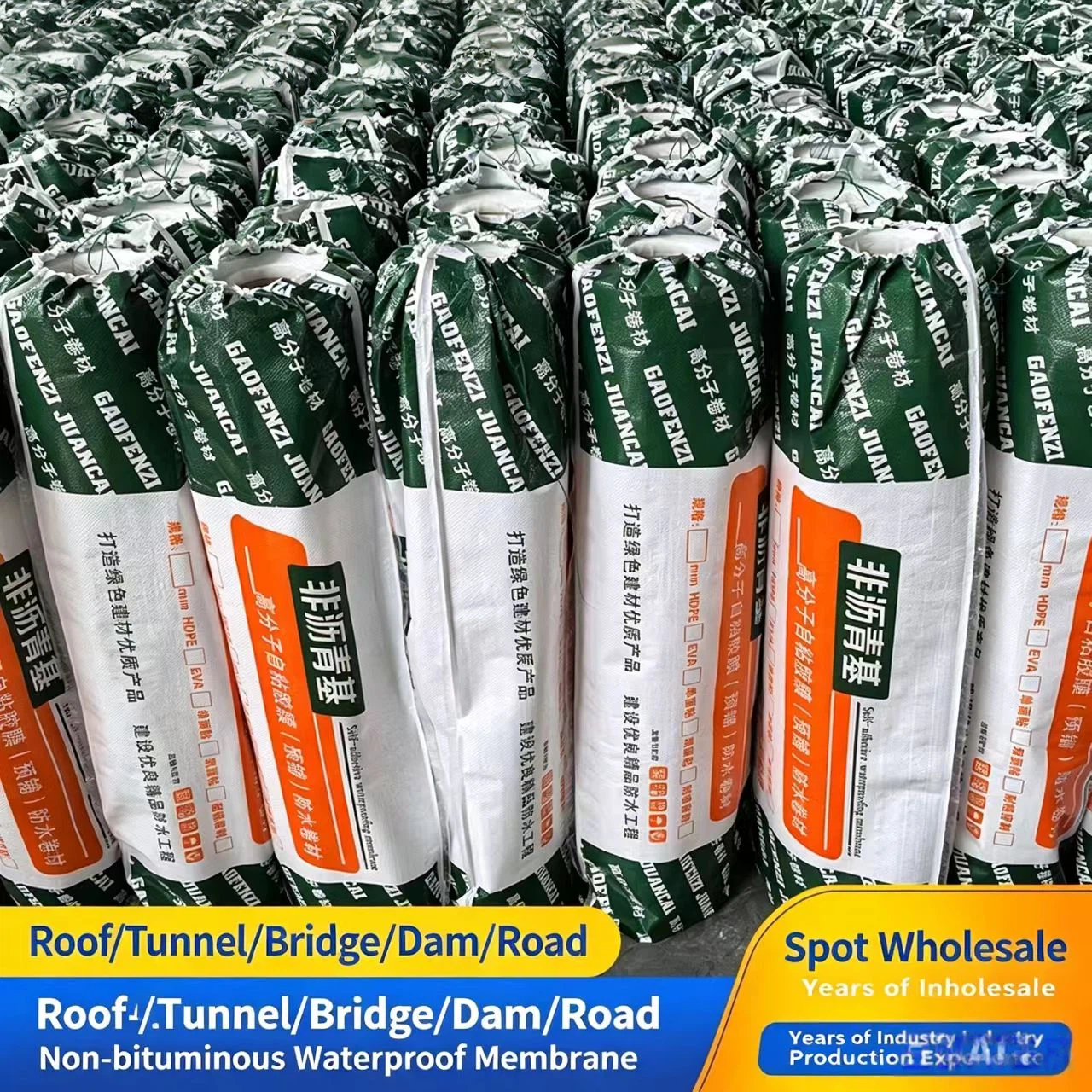
- Tunnels and bridges: Selected for durability under mechanical and structural stress.
- Municipal and infrastructure work: Used where large continuous areas need reliable roofing waterproofing.
- Repair and renovation: Applied over prepared existing surfaces when the substrate can accept flame bonding.
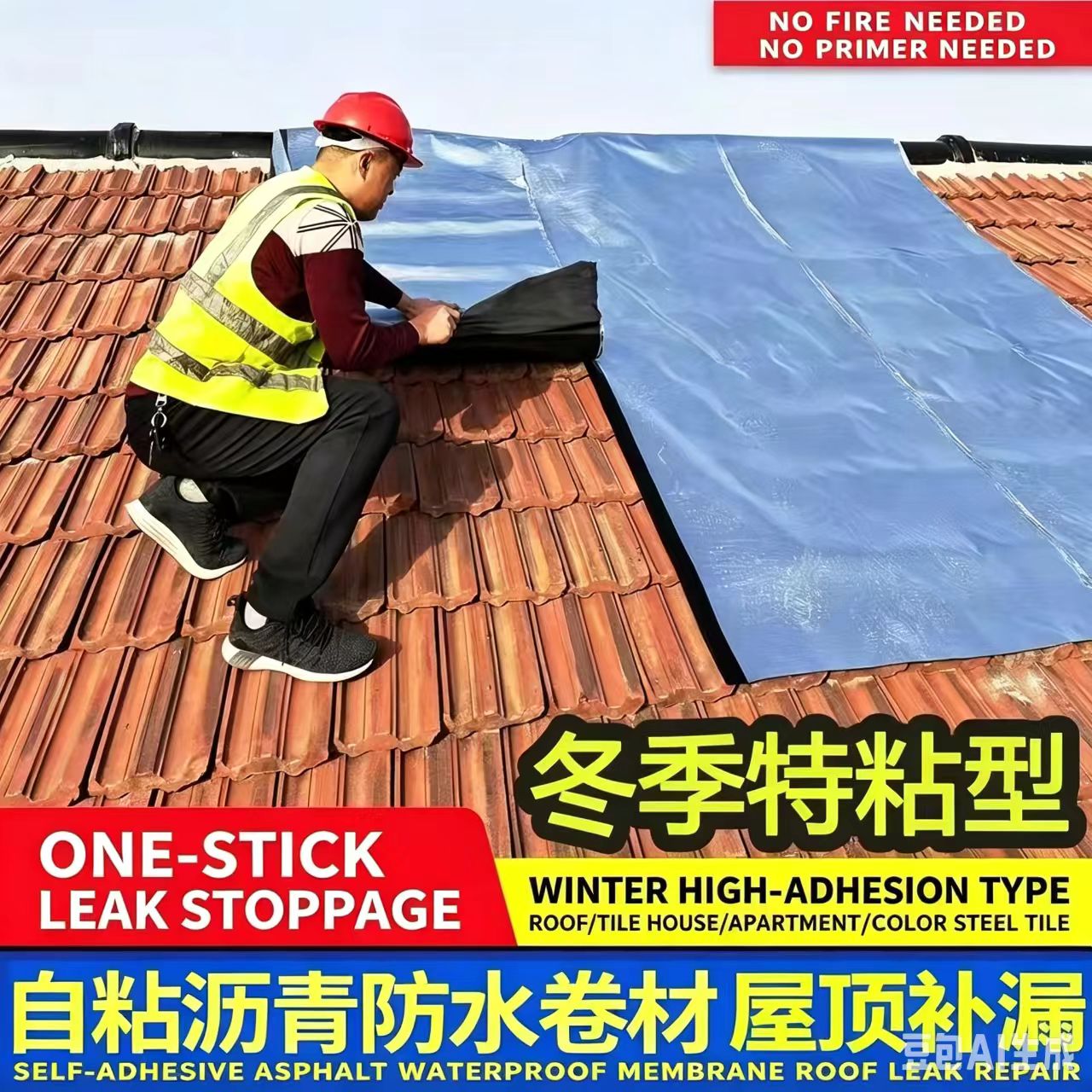
For metal roofs or sites where open flame is not permitted, a self-adhesive membrane is usually more appropriate than a torch-applied system. Confirm site fire rules before selecting.
Buyer decision table
| Project condition | Material option | What to confirm before inquiry | Notes |
|---|---|---|---|
| Hot or high-temperature climate, exposed roof | APP modified bitumen membrane | Thickness, surface finish, roll size | APP is often selected for heat resistance; confirm by local specification |
| Cold region, roof or basement | SBS modified bitumen membrane | Thickness, low-temperature flexibility requirement | SBS is often chosen for cold flexibility; verify against project climate |
| Open flame not allowed on site | Self-adhesive modified bitumen membrane | Substrate condition, primer need | Alternative to torch-applied where flame is restricted |
| Metal / color steel tile roof | Self-adhesive membrane for metal substrates | Substrate type, overlap detailing | Torch application is generally unsuitable on thin metal |
| Below-grade pre-applied work | Pre-applied anti-adhesive membrane | Construction sequence, structure type | For specific underground methods; confirm installation plan |
How to choose specifications
Once the membrane type is decided, the specification details determine both performance and price. Confirm the following with your supplier:
- Thickness: Commonly specified in millimetres. The required value depends on layer count and project standard.
- Roll width and length: Affects coverage per roll and installation labour.
- Surface finish: Mineral-surfaced, sand-surfaced, or film. Exposed layers often use mineral surfacing.
- Reinforcement: Polyester or fibreglass carriers behave differently under stress and heat; clarify which the project requires.
- Installation method: Confirm torch-applied is intended, or switch to self-adhesive if flame is not allowed.
- Packing and quantity: Rolls per pallet, pallets per container, and total order volume.
- Destination port: Needed for freight and delivery planning.
Because thickness, reinforcement, and surfacing options vary, these should always be confirmed against your local specification rather than assumed.
Questions to prepare before requesting a quotation
- What is the application area: roof, basement, tunnel, bridge, or repair?
- What is the site climate, hot or cold, and is the surface exposed or covered?
- Is open flame permitted on site, or is a self-adhesive option needed?
- What thickness and reinforcement type does your project specify?
- What surface finish do you need for each layer?
- What total quantity, packing, and destination port apply to this order?
Common mistakes and selection risks
A few recurring issues cause problems in torch on membrane projects:
- Ignoring climate when choosing APP vs SBS: The wrong modifier can behave poorly in extreme heat or cold.
- Specifying torch application on unsuitable substrates: Thin metal and some renovation surfaces are not safe for open flame.
- Underestimating detailing: Joints, upstands, and penetrations often need extra reinforcement or a compatible coating.
- Ordering without confirming thickness and reinforcement: These affect both cost and long-term reliability.
- Overlooking packing and port details: Missing logistics information delays accurate quotations.
Getting the right product selection support
Torch on membrane waterproofing works well when the material, thickness, and application method match the project. If you share your application area, climate, thickness requirement, quantity, and destination port, our team can help you compare APP membrane, SBS membrane, or a self-adhesive alternative and prepare a suitable quotation. Reach out with your project details for tailored selection support.