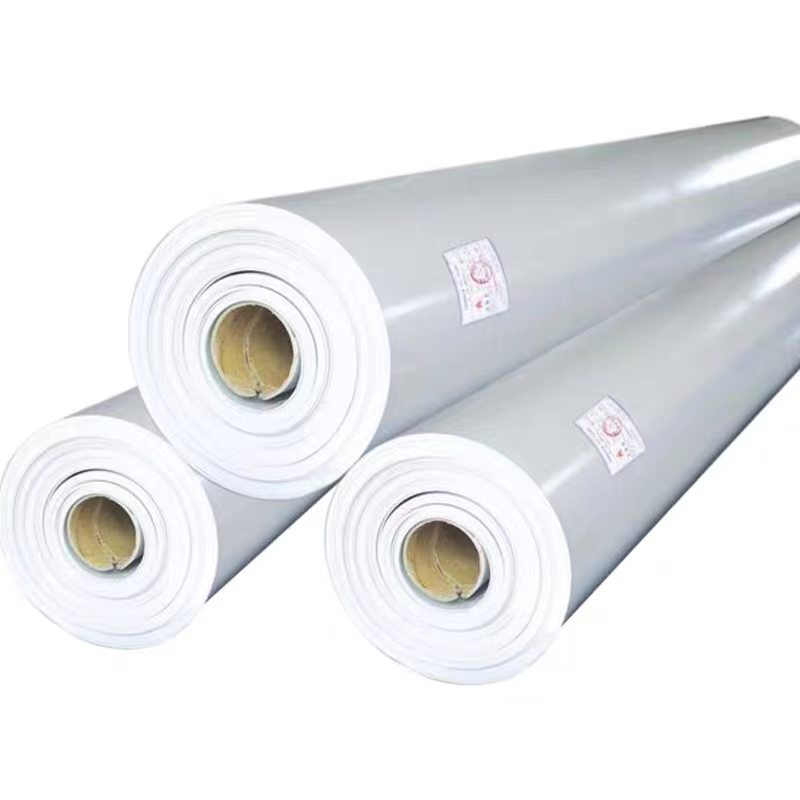
This article is written for contractors, procurement engineers, distributors, and roofing companies who are comparing single-ply membrane options and want to understand where TPO waterproofing fits. It focuses on the practical decisions you face before sending an inquiry: which specification to request, how it compares with other membranes, and what project details a supplier needs to quote accurately.
If you are sourcing a thermoplastic polyolefin membrane for exposed roofs, photovoltaic installations, or large factory buildings, the goal here is to help you match the material to your substrate, climate, and installation method rather than order the wrong roll and discover the mismatch on site.
Understanding the buyer intent behind "TPO waterproofing"
People searching for TPO waterproofing usually fall into a few groups. Some are contractors selecting between TPO, PVC, and EPDM for an exposed roof. Others are procurement teams building a bill of materials and need packing and container data. A third group handles photovoltaic or metal-roof projects where the membrane must coexist with mounting systems and reflective surfaces.
In most cases the intent is comparison and specification, not general education. Buyers want to know what thickness to order, whether the membrane is reinforced, how welding works on site, and what to confirm before requesting a quotation. This guide is structured around those questions.
Common application scenarios for TPO membrane
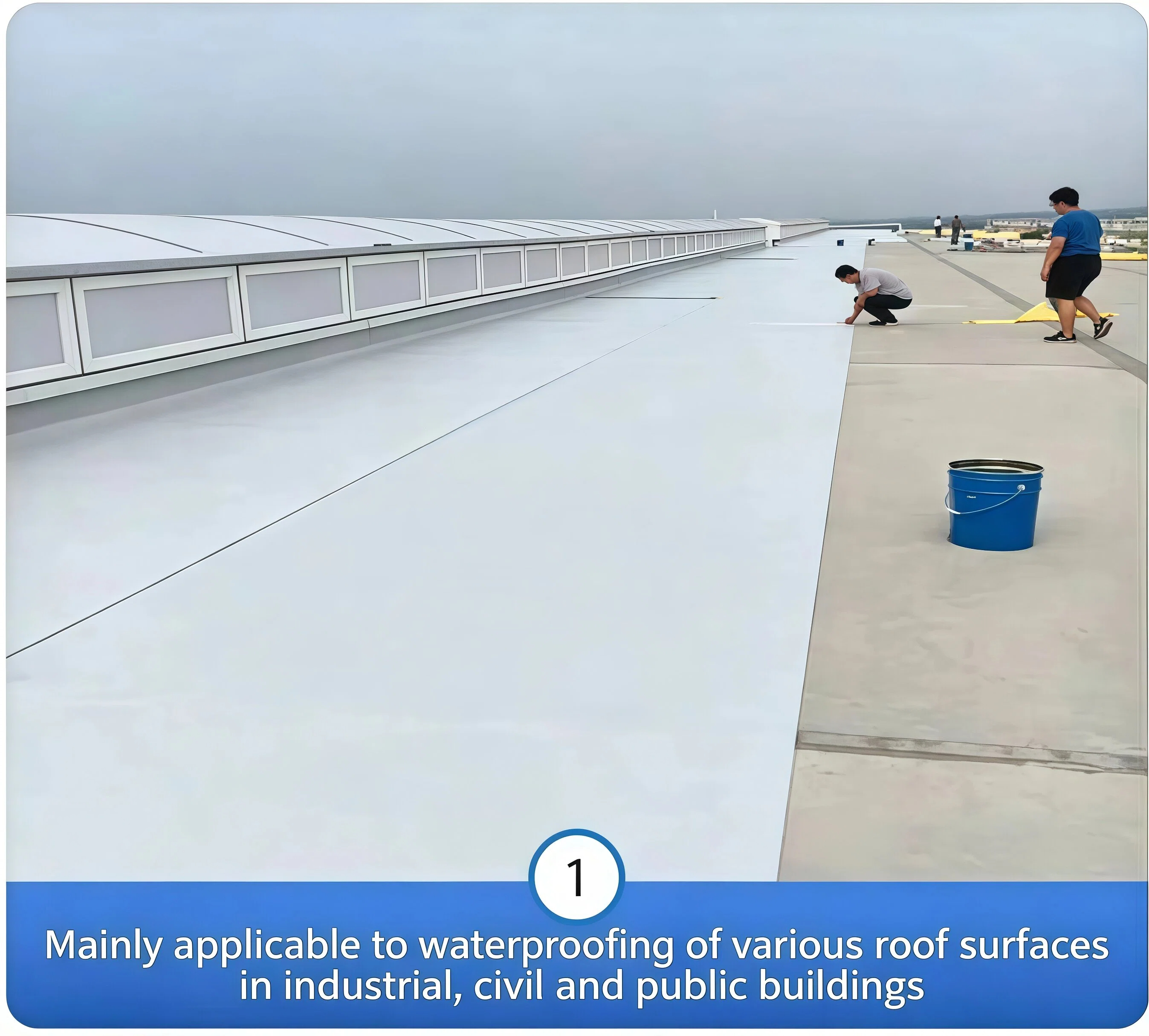
TPO thermoplastic polyolefin membrane is generally selected for exposed applications where the surface stays visible and heat-welded seams are practical. Typical scenarios include:
- Exposed flat and low-slope roofs on commercial and industrial buildings.
- Photovoltaic (PV) roofs where a light-coloured, exposed surface supports rooftop solar layouts.
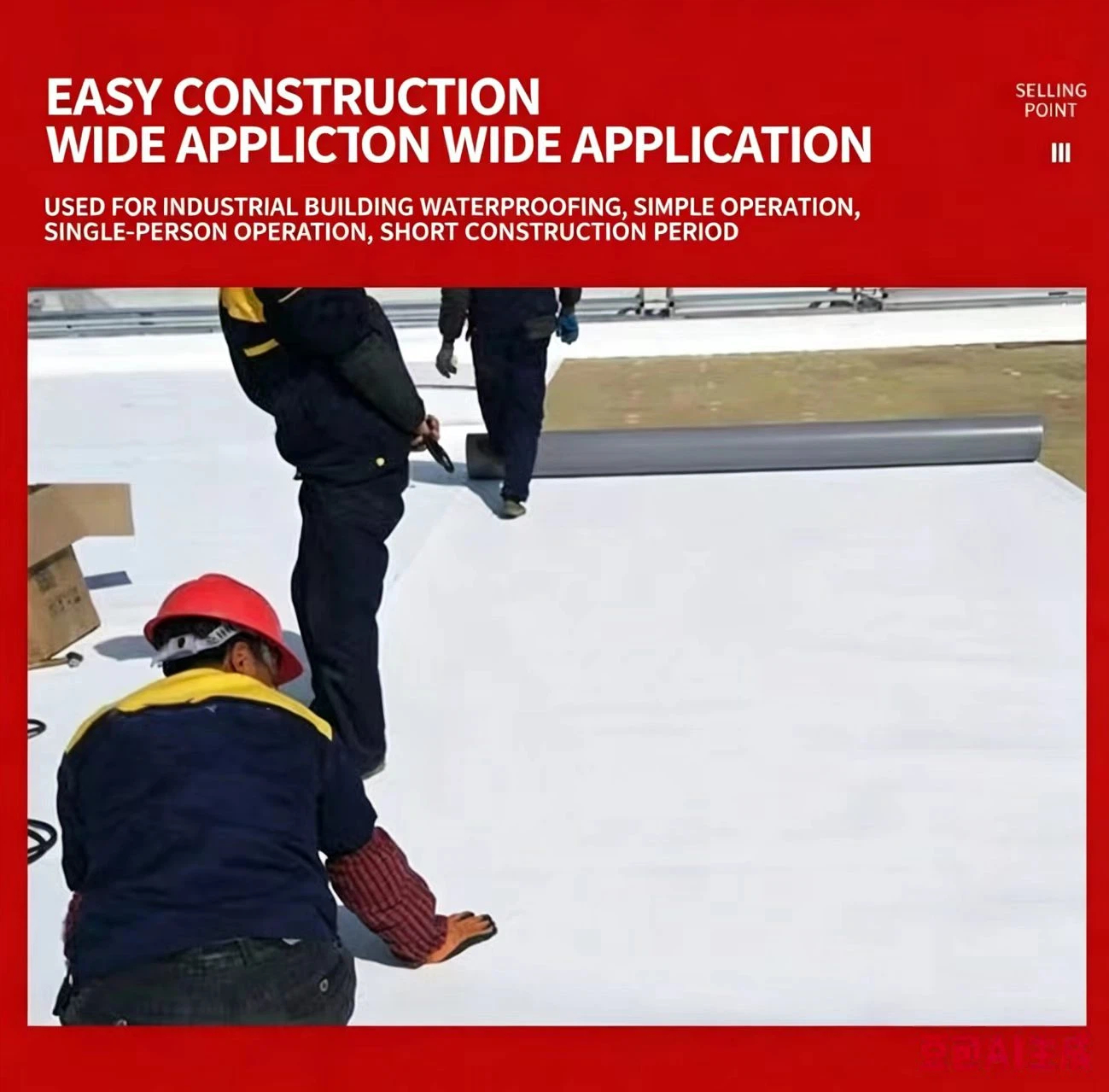
- Large factories and warehouses needing wide sheets and fast mechanical or welded installation.
- Municipal pipe corridors and basements where a single-ply system is specified.
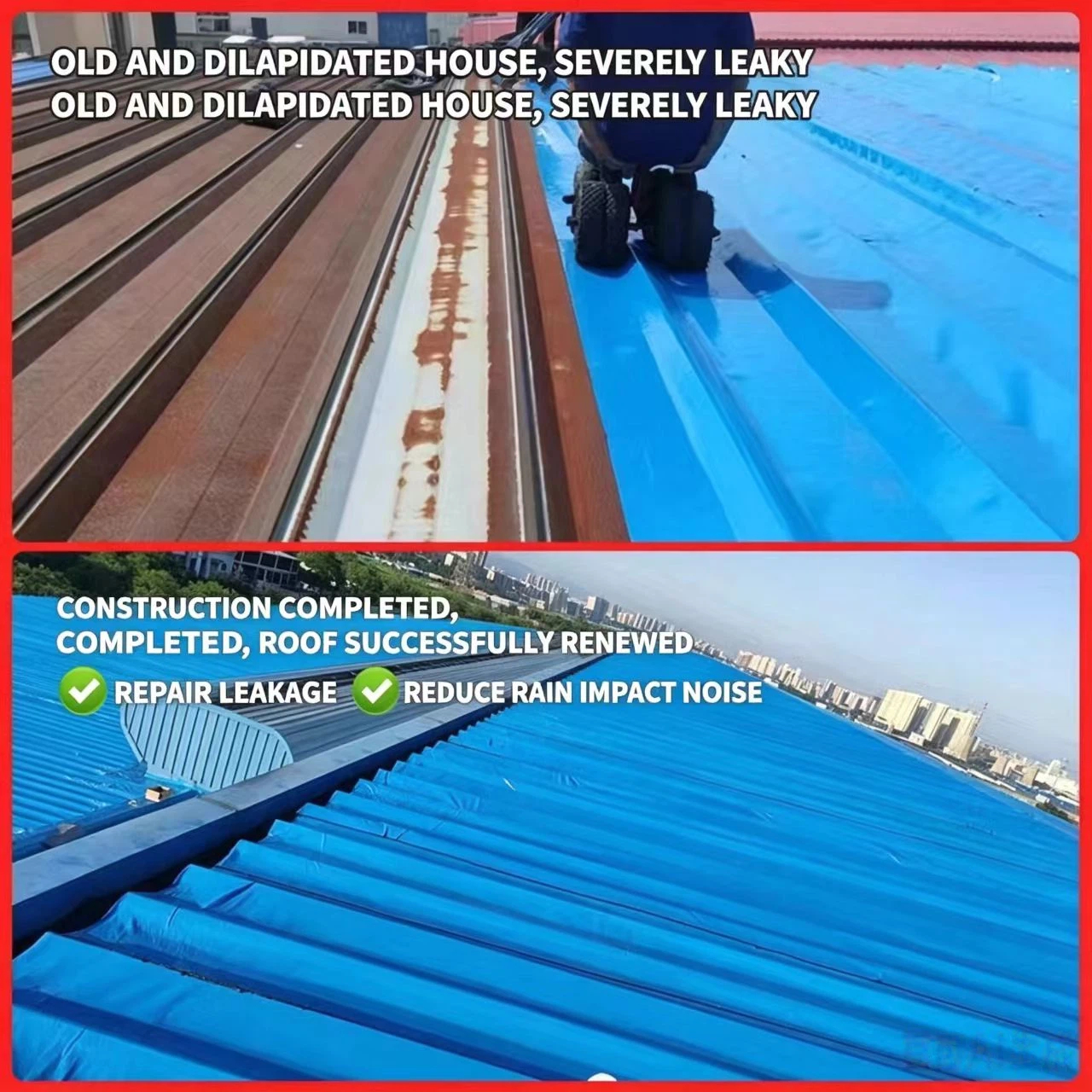
For metal or colour-steel roofs, a self-adhesive membrane designed for metal substrates is often more appropriate, and for cold-climate bituminous systems an SBS membrane may be specified instead. TPO is chosen when heat-welded thermoplastic seams and an exposed finish suit the design. The correct choice always depends on substrate, climate, and the project's own specification.
Buyer decision table
| Project condition | Material option to consider | What to confirm before inquiry | Notes |
|---|---|---|---|
| Exposed flat commercial roof | TPO membrane | Thickness, reinforcement type, roll size, fixing method | Heat-welded seams need trained applicators and welding equipment |
| Rooftop photovoltaic system | TPO membrane, light surface | Surface colour, layout under PV mounts, walkway needs | Coordinate membrane layout with mounting hardware |
| Metal / colour-steel roof repair | Self-adhesive membrane for colour steel tiles | Substrate condition, overlap detailing | TPO may not be the simplest option on profiled metal |
| Basement / pre-applied underground | TPO or pre-applied self-adhesive membrane | Positive or negative side, water table, detailing | Confirm system against local spec |
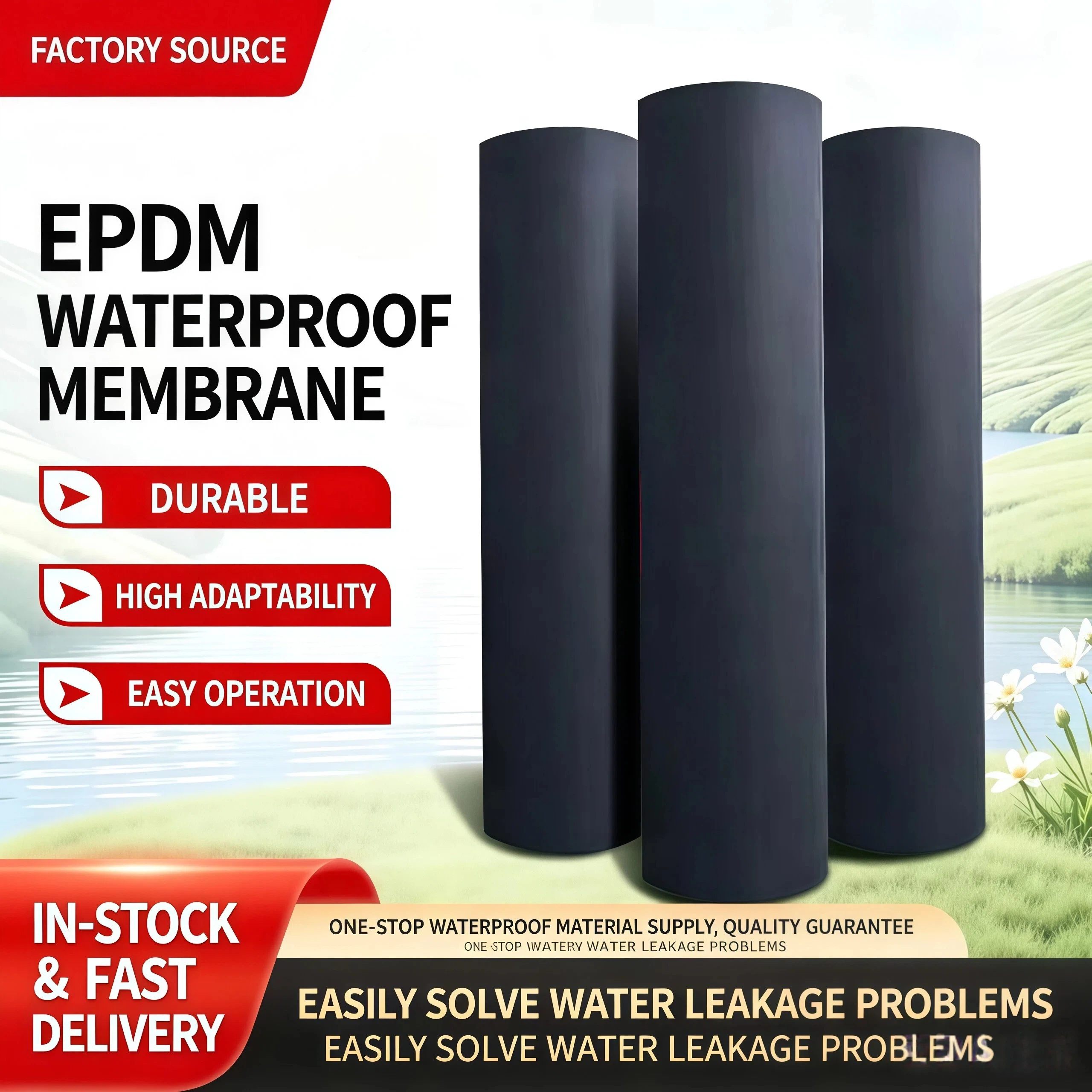
| Chemical or corrosive exposure | PVC or EPDM membrane | Chemical type and exposure duration | Verify material compatibility with the substance on site |
How to choose TPO specifications
Once TPO is the right family, the specification decides whether the delivered product actually fits your project. Confirm the following:
- Thickness: Membrane thickness should match the exposure and traffic expected on the roof. Discuss the intended use so the supplier can suggest a suitable range.
- Reinforcement: TPO can be supplied with different internal reinforcement layers. State whether the sheet will be mechanically fastened, adhered, or ballasted, as this affects the reinforcement you need.
- Roll width and length: Wider rolls reduce seams on large areas but are heavier to handle. Balance labour and detailing against roll size.
- Surface finish and colour: Light or reflective surfaces are common for exposed and PV roofs. Confirm the finish you expect.
- Installation method: Heat welding, mechanical fastening, and adhesive systems each imply different accessories and detailing.
- Packing and quantity: Ask how rolls are packed per pallet and per container, and share your total area so quantities and container loading can be planned.
- Destination port: Provide the port so freight and packing can be confirmed. Long transit and high heat may influence how goods should be packed.
Questions to prepare before requesting a quotation
- What is the total waterproofing area and roof type (flat, low-slope, PV, basement)?
- Is the membrane exposed or covered, and what is the substrate?
- What thickness and reinforcement does your project specification require, if any?
- Which installation method will the applicator use on site?
- What roll width and surface colour do you prefer?
- What is the required quantity, packing preference, and destination port?
- Do you need matching accessories such as sealing tape or joint reinforcement?
Common mistakes and selection risks
A few recurring issues cause problems on TPO projects:
- Ordering by name only. "TPO" without thickness, reinforcement, and roll size is not a complete order. Missing details lead to mismatched deliveries.
- Ignoring the installation method. Heat-welded systems need suitable equipment and trained labour. If your crew is not set up for welding, discuss this early.
- Mixing incompatible products. Detailing at penetrations and overlaps should use compatible sealing materials. Confirm accessory compatibility rather than assuming.
- Applying TPO where another membrane fits better. Profiled metal roofs, cold-region bituminous systems, and certain chemical exposures may call for a different membrane. Match the material to the condition.
- Underestimating logistics. Roll weight, pallet count, and container loading affect cost and handling. Clarify packing before confirming an order.
Getting the right TPO specification
Choosing TPO waterproofing is less about the name and more about matching thickness, reinforcement, surface, and installation method to your specific roof or underground project. If you share your application, substrate, climate, quantity, and destination port, our team can help you shortlist a suitable specification and explain how it compares with PVC, EPDM, or bituminous alternatives. Reach out for product selection support before you finalise your bill of materials.