This guide is written for importers, roofing contractors, procurement engineers, and distributors who need to select a reliable roofing waterproofing system for buildings, factories, or infrastructure projects. It focuses on how to match a product to real site conditions rather than promoting a single material.
Choosing a water proof membrane roof involves more than picking a name. Climate, substrate, whether the roof stays exposed, and installation method all affect which membrane is suitable. The sections below help you narrow the options and prepare a clear inquiry.
Understanding the Buyer Intent Behind This Keyword
When someone searches for a water proof membrane roof, they usually want to compare membrane options and understand what to specify. Some buyers are sourcing for a new building, others for renovation or leak repair. Intent typically falls into a few groups: comparing bitumen membrane versus polymer sheets such as PVC, TPO, or EPDM; understanding self-adhesive versus torch-applied installation; and confirming what specifications to request before an inquiry.
A useful article for this audience should support a specification decision. The right choice depends on your roof structure, local temperature range, exposure to UV and chemicals, and how the crew will install it. There is no single correct membrane for every roof.
Common Application Scenarios
Roofing membrane selection often changes with the building type and region.
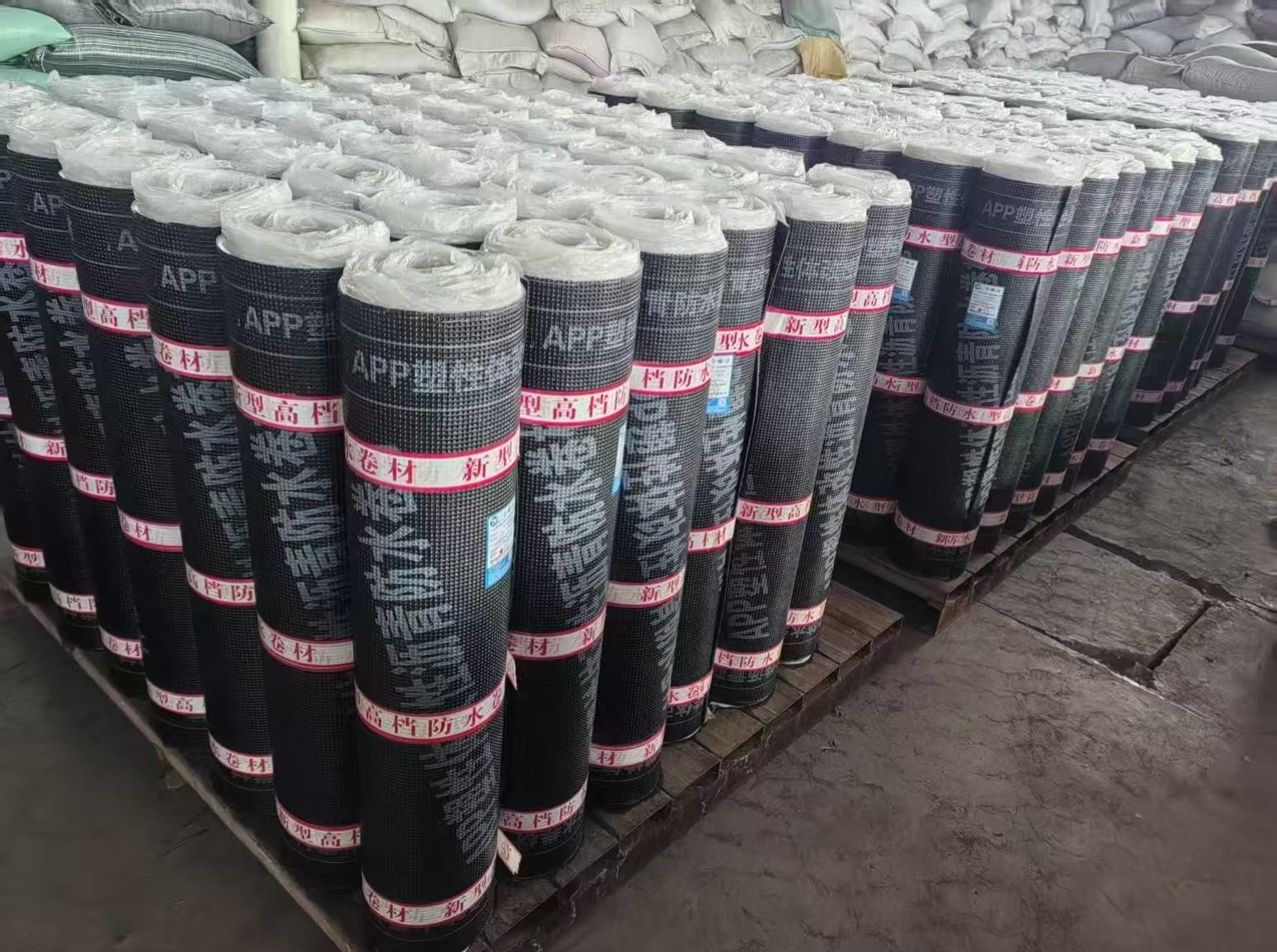
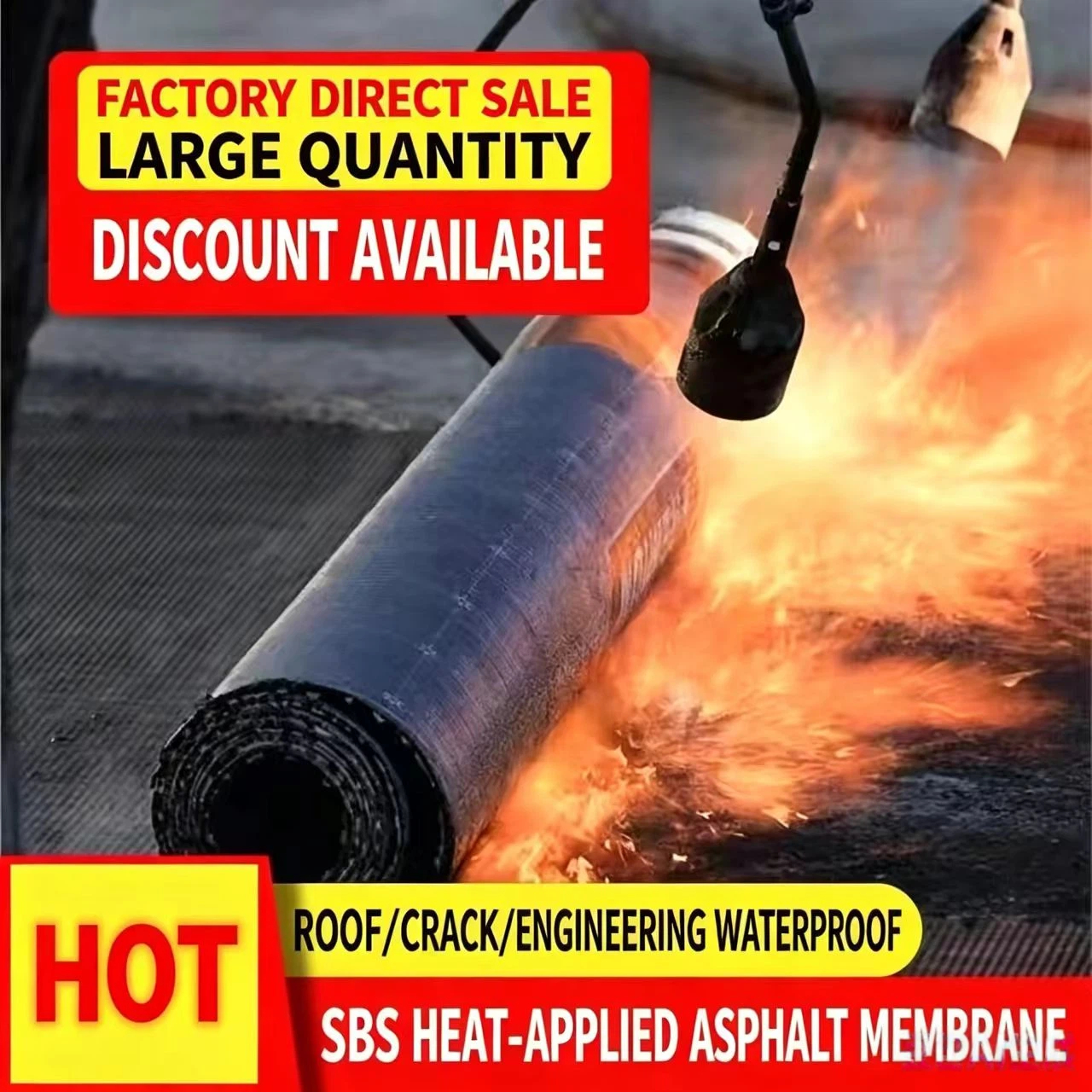
- Flat concrete roofs: Often use bitumen membrane such as SBS or APP, or single-ply sheets like PVC and TPO for exposed conditions.
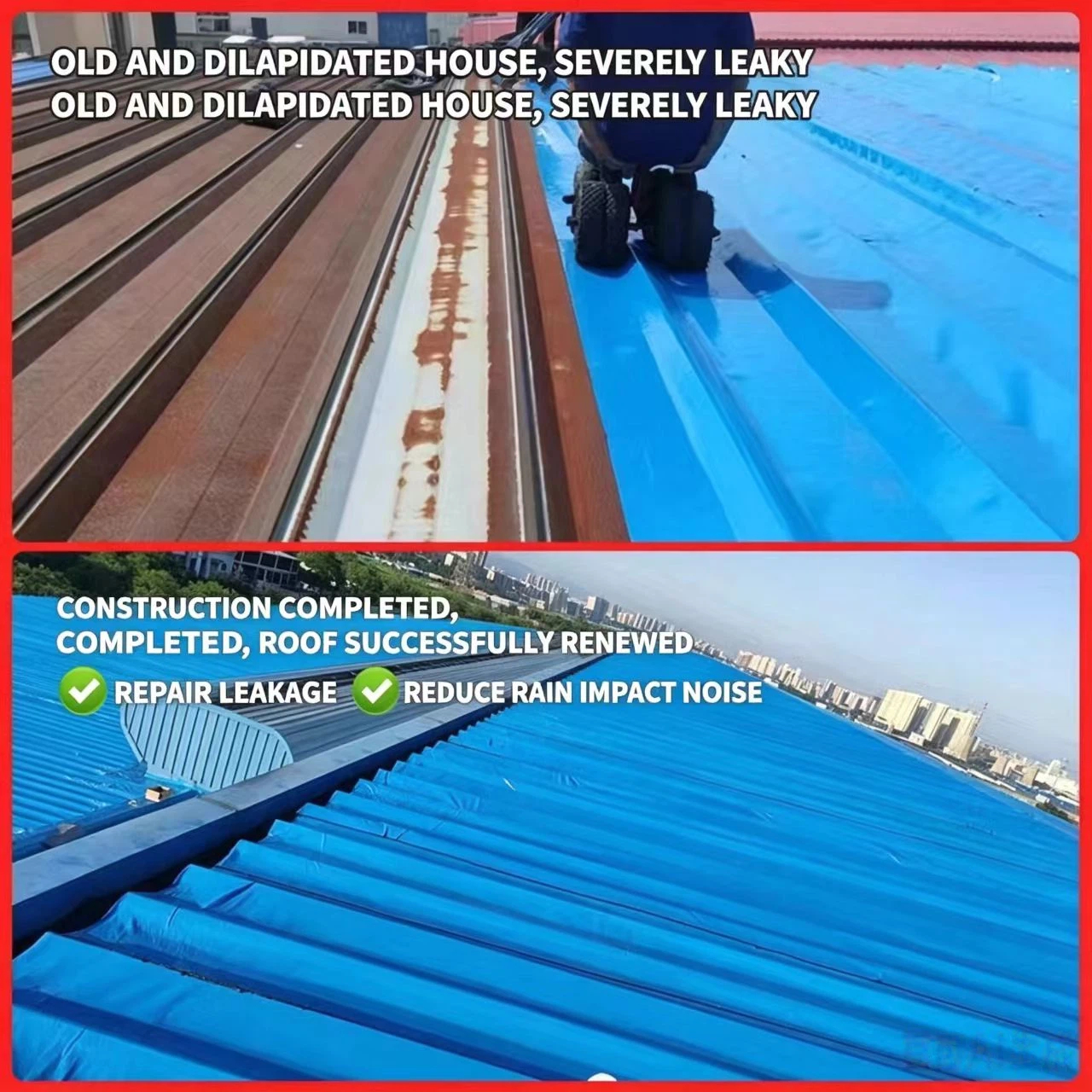
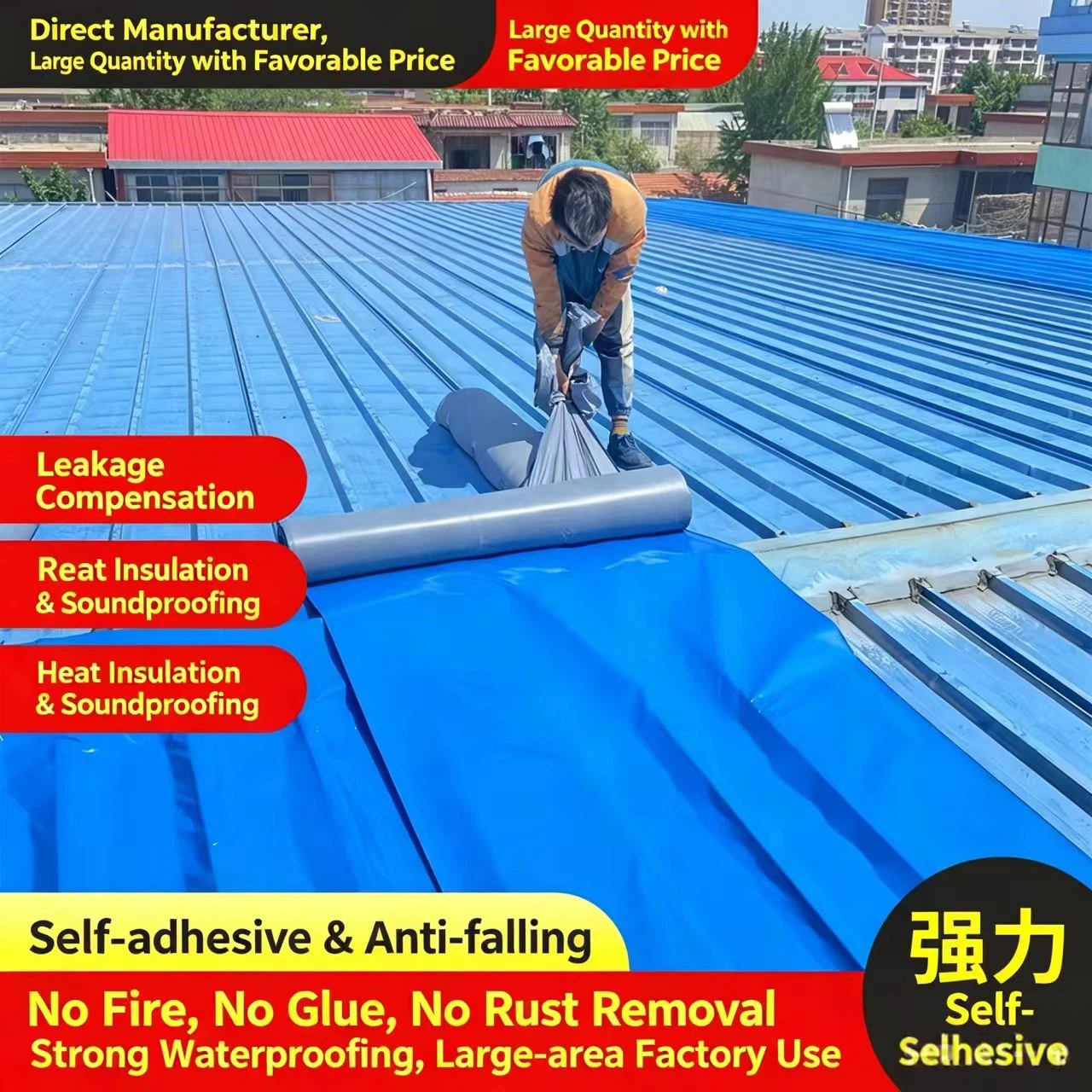
- Metal and colour steel tile roofs: Frequently repaired or upgraded with self-adhesive membrane designed for metal substrates, or sealed at overlaps with butyl tape.
- Hot climate roofs: May consider reflective thermal insulation coatings alongside a membrane to reduce surface heat.
- Renovation and repair: Self-adhesive membrane or liquid coatings can be practical where open-flame work is restricted.
Roofing is one use case among many. The same product families are also common in basement waterproofing, tunnels, and bridges, but roof exposure to sun and weather is a key factor to confirm.
Buyer Decision Table
| Project condition | Material option to consider | What to confirm before inquiry | Notes |
|---|---|---|---|
| Exposed flat roof, hot region | APP modified bitumen membrane or reflective coating over membrane | Surface finish, thickness, UV exposure duration | Confirm whether the surface stays exposed or gets covered |
| Exposed roof, cold region | SBS modified bitumen membrane | Low-temperature flexibility requirement, thickness | SBS is often chosen where winter flexibility matters |
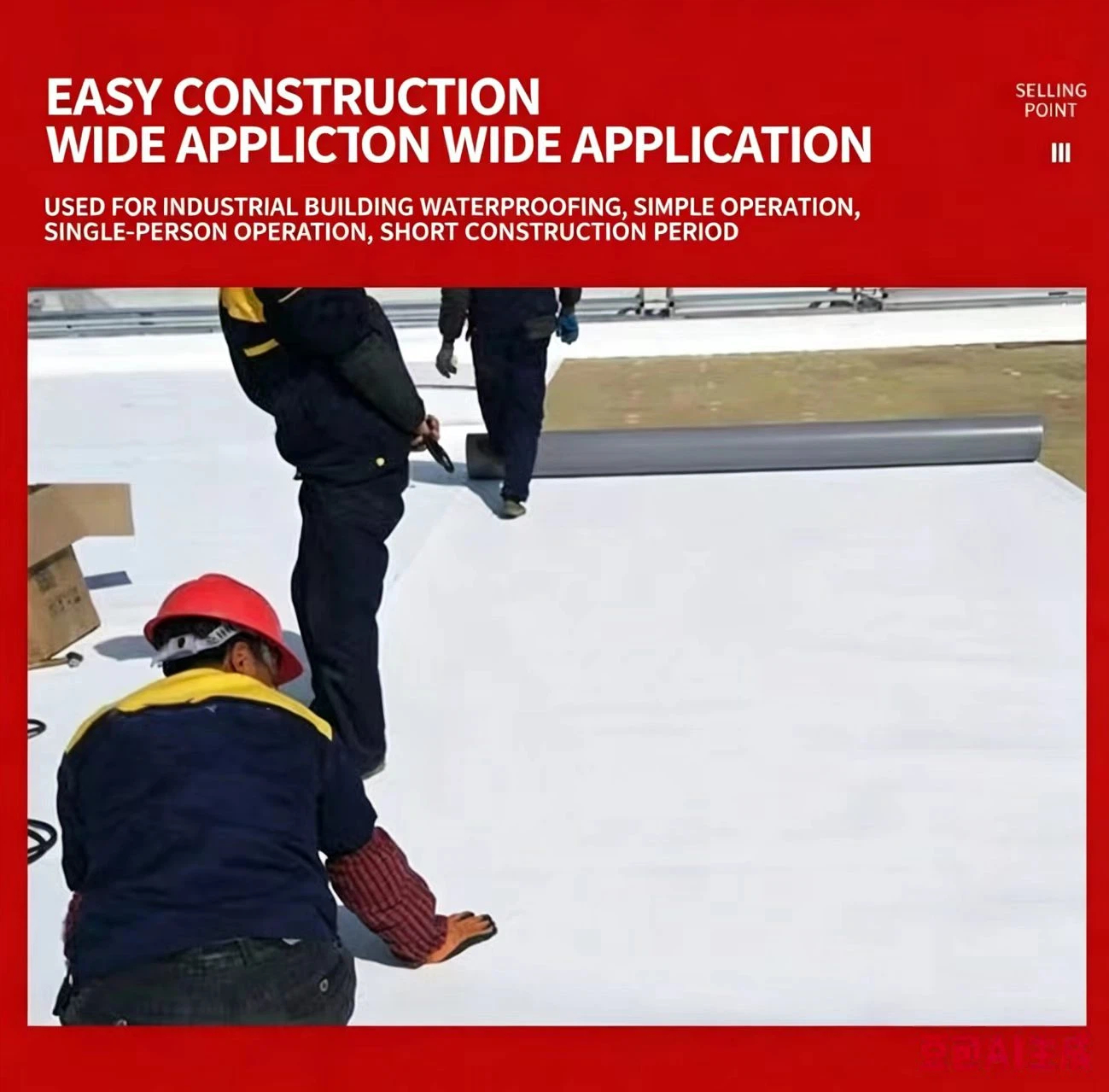
| Large exposed roof or PV roof | PVC or TPO single-ply membrane | Roll width, welding method, reinforcement | Confirm chemical or corrosion exposure if present |
| Metal / colour steel tile roof | Self-adhesive membrane for metal substrates | Substrate condition, overlap detailing | Butyl tape can seal seams and openings |
| Repair with no open flame allowed | Self-adhesive bitumen membrane or liquid coating | Existing surface, adhesion conditions | Confirm whether surface is clean and dry |
How to Choose the Right Specifications
Once the material family is clear, specification details determine the final quotation.
- Thickness: Bitumen membranes are often supplied in common thickness ranges; single-ply sheets in millimetre ratings. Confirm the required thickness for your project spec.
- Roll width and length: Affects labour, waste, and overlap. Larger widths can reduce seams on big roofs.
- Surface finish: Sand, film, mineral, or reinforced fabric surfaces suit different exposure conditions.
- Reinforcement: Polyester or fibreglass carriers change strength and behaviour. Confirm what your specification requires.
- Installation method: Torch-applied, self-adhesive, hot-air welded, or mechanically fixed. This should match your crew's capability and site restrictions.
- Packing and quantity: Rolls per pallet and container loading affect shipping. Provide expected order volume.
- Destination port: Needed for accurate freight and lead-time estimates.
Questions to Prepare Before Requesting a Quotation
- What is the roof type and substrate (concrete, metal, existing membrane)?
- Will the roof surface remain exposed or be covered?
- What is the local temperature range and UV exposure?
- What thickness and reinforcement does your specification require?
- Which installation method will your crew use?
- What roll size and surface finish do you prefer?
- What is the estimated quantity and destination port?
- Are there fire, chemical, or local code requirements to confirm?
Common Mistakes and Selection Risks
Several avoidable issues appear in roofing membrane sourcing.
- Choosing a membrane without confirming whether the roof stays exposed to UV.
- Ignoring climate: a product suited to hot regions may not match cold-region flexibility needs, and vice versa.
- Specifying torch application where open-flame work is restricted on site.
- Overlooking seam and detail sealing at penetrations and overlaps.
- Requesting a quote without thickness, quantity, or destination, which delays accurate pricing.
- Assuming one membrane fits both roof and specialised areas without confirming the substrate.
Getting Product Selection Support
The best roofing membrane is the one that matches your substrate, climate, exposure, and installation method. If you share your roof type, project conditions, required thickness, quantity, and destination port, our team can help narrow the suitable options and prepare a clear specification for quotation. Reach out with your project details and we will assist with product selection support.