This guide is for importers, waterproofing contractors, procurement engineers, and distributors who need to select a water proofing membrane for a specific project rather than a generic catalog item. If you are comparing bitumen membrane against PVC, TPO, or EPDM, or trying to decide between a self-adhesive membrane and a torch-applied system, the aim here is to help you narrow the options before you send an inquiry.
Membrane selection is rarely about one product being better than another. It depends on substrate, climate, whether the surface is exposed, the installation method available on site, and how the material will be packed and shipped to your destination port. The sections below organise those variables so your quotation request is clear and comparable.
Understanding the buyer intent behind "water proofing membrane"
When buyers search for a water proofing membrane, they usually fall into one of a few groups. Some need a full roofing waterproofing or basement waterproofing solution and are comparing membrane families. Others already know the system and want a supplier for a specific type, such as SBS membrane, APP membrane, or a PVC/TPO/EPDM membrane. A third group is looking for repair material for an existing roof or joint.
Because the term is broad, a good supplier response starts by asking about the project, not by quoting the cheapest roll. The right membrane for an exposed roof in a hot climate may differ from the right choice for an underground structure. Confirming these details early avoids re-quoting and shipping the wrong specification.
Common application scenarios
Different structures place different demands on a waterproof membrane. The following scenarios cover most export enquiries:
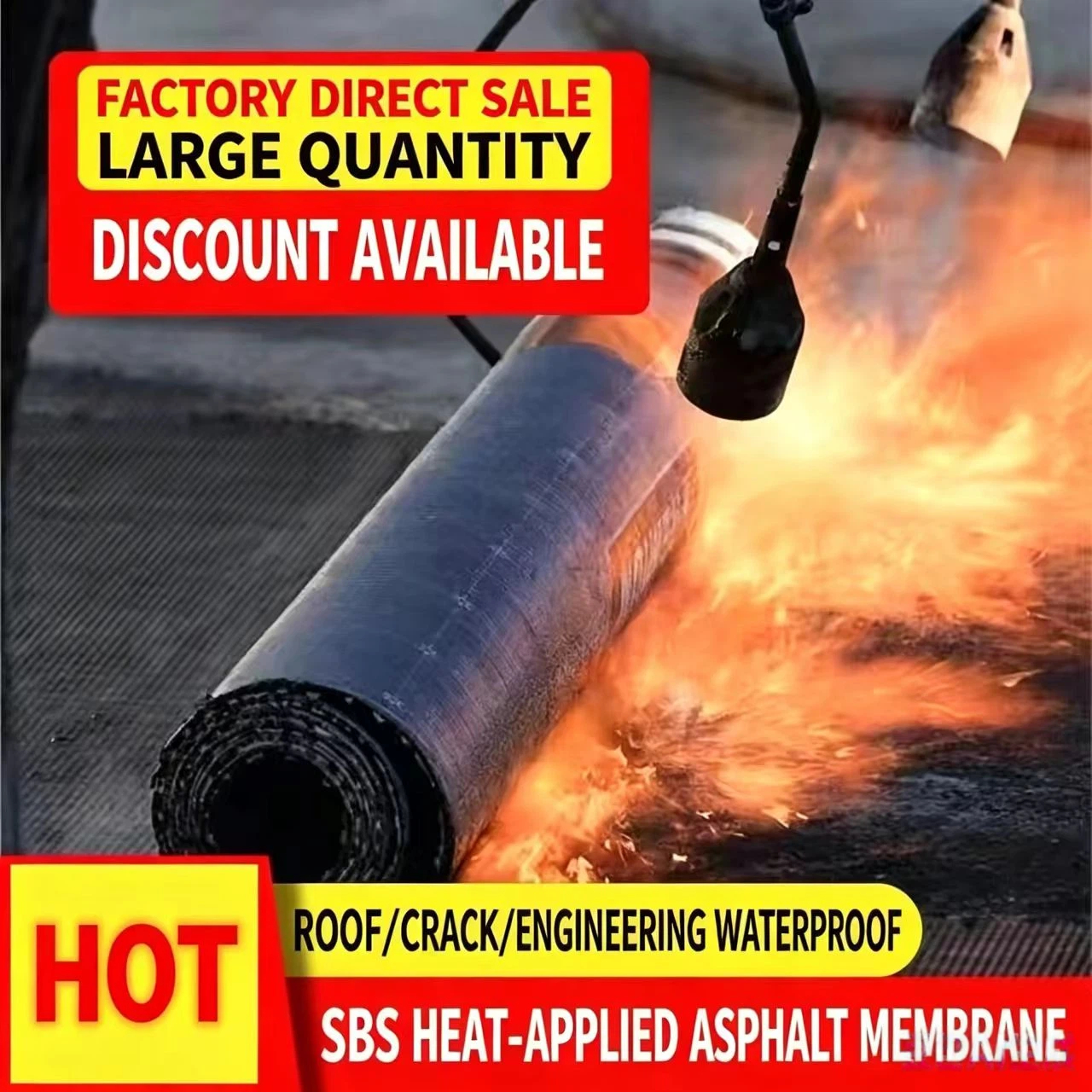
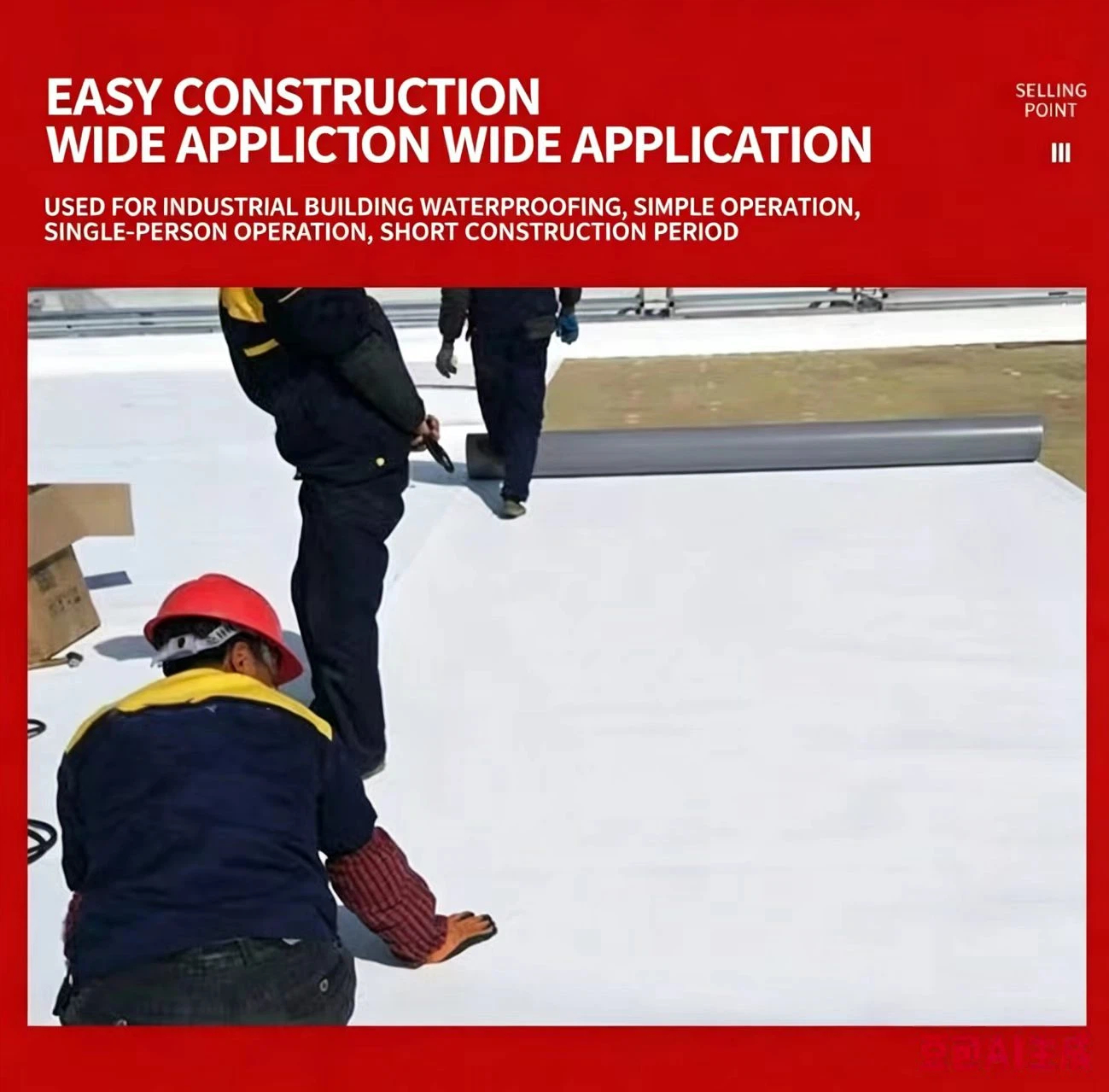
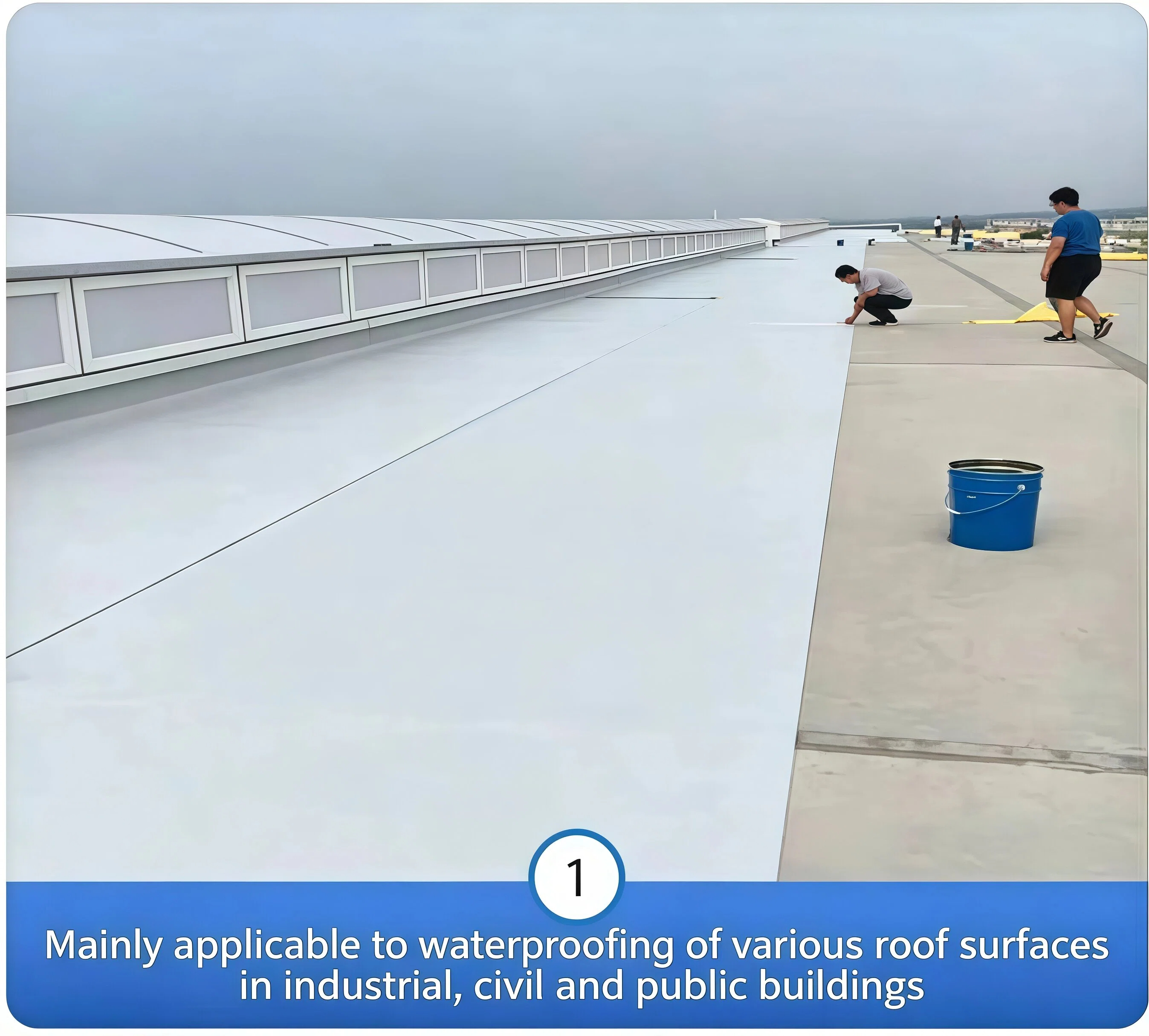
- Exposed and non-exposed roofs: Bitumen membrane (SBS or APP) is common for civil and industrial roofs. PVC and TPO membrane are widely used for large exposed roofs and photovoltaic installations.
- Basements and underground structures: Pre-applied anti-adhesive self-adhesive membrane, SBS membrane, or crystalline coatings are used on floors and side walls.
- Tunnels, bridges, and municipal infrastructure: Modified bitumen and EPDM membrane are frequently specified where durability and movement tolerance matter.
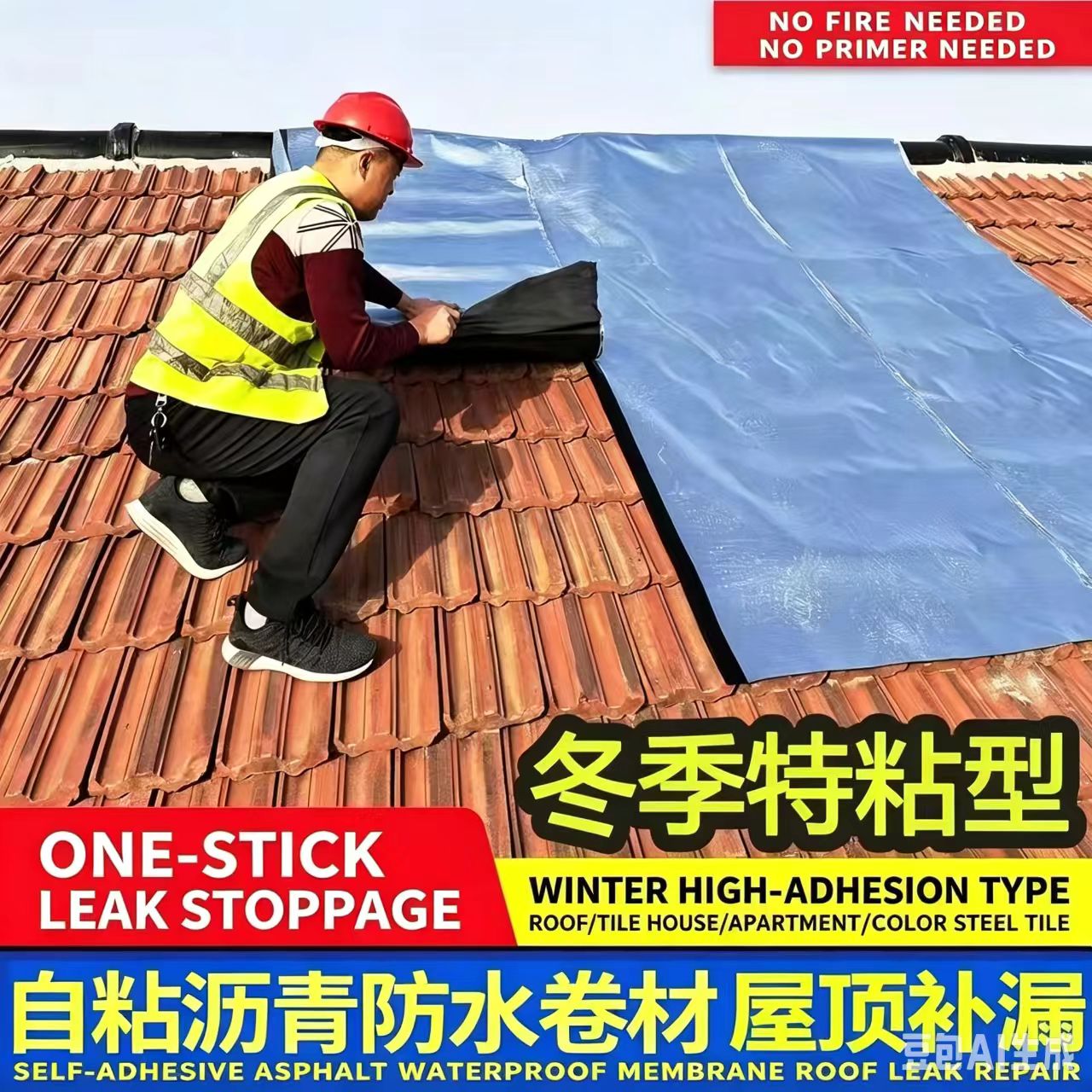
- Metal and colour steel roofs: Polymer self-adhesive membrane designed for metal substrates, plus butyl tape for overlaps and pipe openings.
- Repair and renovation: Self-adhesive membrane, butyl tape, and waterproof coatings are used for cracks, seepage, and old roof refurbishment.
Buyer decision table
| Project condition | Material option | What to confirm before inquiry | Notes |
|---|---|---|---|
| Exposed roof, hot climate | APP modified bitumen membrane or reflective coating over membrane | Thickness, surface finish, roof slope | Confirm UV exposure and expected surface temperature range. |
| Exposed roof, cold climate | SBS modified bitumen membrane | Thickness, low-temperature flexibility requirement | SBS is often chosen for colder regions; confirm local specification. |
| Large exposed or PV roof | PVC or TPO membrane | Thickness, reinforcement, weld method | Mechanically fastened or fully adhered depends on site. |
| Basement floor and walls | Pre-applied self-adhesive membrane or crystalline coating | Positive/negative side, water table conditions | Pre-applied types suit specific construction sequences. |
| Metal / colour steel roof | Polymer self-adhesive membrane for metal, butyl tape | Substrate type, overlap detailing | Confirm new build versus renovation. |
| Joint sealing and repair | Non-curing rubber asphalt coating, butyl tape | Gap width, existing membrane type | Often used with a membrane, not as a standalone system. |
How to choose specifications
Once the membrane family is decided, specification details determine price, performance fit, and shipping. Confirm the following where relevant:
- Thickness: Bitumen membranes are often specified by mm; polymer sheets like PVC, TPO, and EPDM by mm as well. Thickness affects both durability and quantity per container.
- Roll width and length: Standard rolls vary by product. Confirm dimensions to calculate coverage and packing.
- Surface finish: Mineral, sand, film, or foil surfacing changes suitability for exposed use.
- Reinforcement: Polyester or fibreglass carriers in bitumen membranes, and reinforcement in polymer sheets, affect strength.
- Installation method: Torch-applied, self-adhesive, hot-air welded, or mechanically fastened. Match this to on-site capability.
- Packing and quantity: Confirm rolls per pallet, pallets per container, and total order volume.
- Destination port: Needed for freight and lead-time estimates.
Questions to prepare before requesting a quotation
- What is the structure type and location (roof, basement, tunnel, metal roof)?
- Is the surface exposed or covered after installation?
- What is the climate at the project site?
- What membrane type or thickness does your specification require, if any?
- What installation method will be used on site?
- What is the estimated area or total quantity in square metres or rolls?
- What is your destination port and preferred packing?
- Are there local standards or certifications the material must meet?
Common mistakes and selection risks
A few recurring issues lead to rework and disputes:
- Choosing by price alone: A thinner or lower-grade membrane may not match the intended service condition.
- Ignoring installation capability: Ordering a torch-applied membrane when the crew is set up for self-adhesive, or vice versa.
- Overlooking climate: Selecting a product without confirming low-temperature or high-temperature behaviour for the site.
- Skipping detailing materials: Membranes need compatible tapes, coatings, or sealing for joints and penetrations.
- Unclear specifications in the inquiry: Missing thickness, width, or quantity leads to repeated quoting and delays.
Getting help with product selection
If you are unsure which water proofing membrane fits your project, share the structure type, climate, installation method, and quantity, and our team can suggest suitable options and confirm specifications, packing, and shipping details. The goal is to match the material to the project so the delivered product performs as intended on site.