This guide is written for importers, waterproofing contractors, procurement engineers, and distributors who need to specify a reliable waterproof layer for a building or infrastructure project. It focuses on how to match materials to real site conditions and how to prepare a clear inquiry so quotations come back accurate the first time.
Whether you are sourcing for roofing waterproofing, basement waterproofing, or localized repair work, the goal here is to help you compare options and confirm the right details before you commit to an order.
What buyers really mean by "waterproof layer"
The term waterproof layer covers any material system that forms a continuous barrier against water. In practice, buyers searching this keyword are usually deciding between a sheet-based waterproof membrane and a liquid-applied waterproof coating, or planning a combination of both.
Some buyers want a single exposed roofing solution. Others need a hidden basement layer that stays protected under structural loads. The right choice depends on the substrate, the climate at the destination, the installation method available on site, and whether the surface will be exposed or covered. There is no universal "best" waterproof layer, only the option that fits your project condition.
Common application scenarios
Different projects place different demands on the waterproof layer. A few typical scenarios:
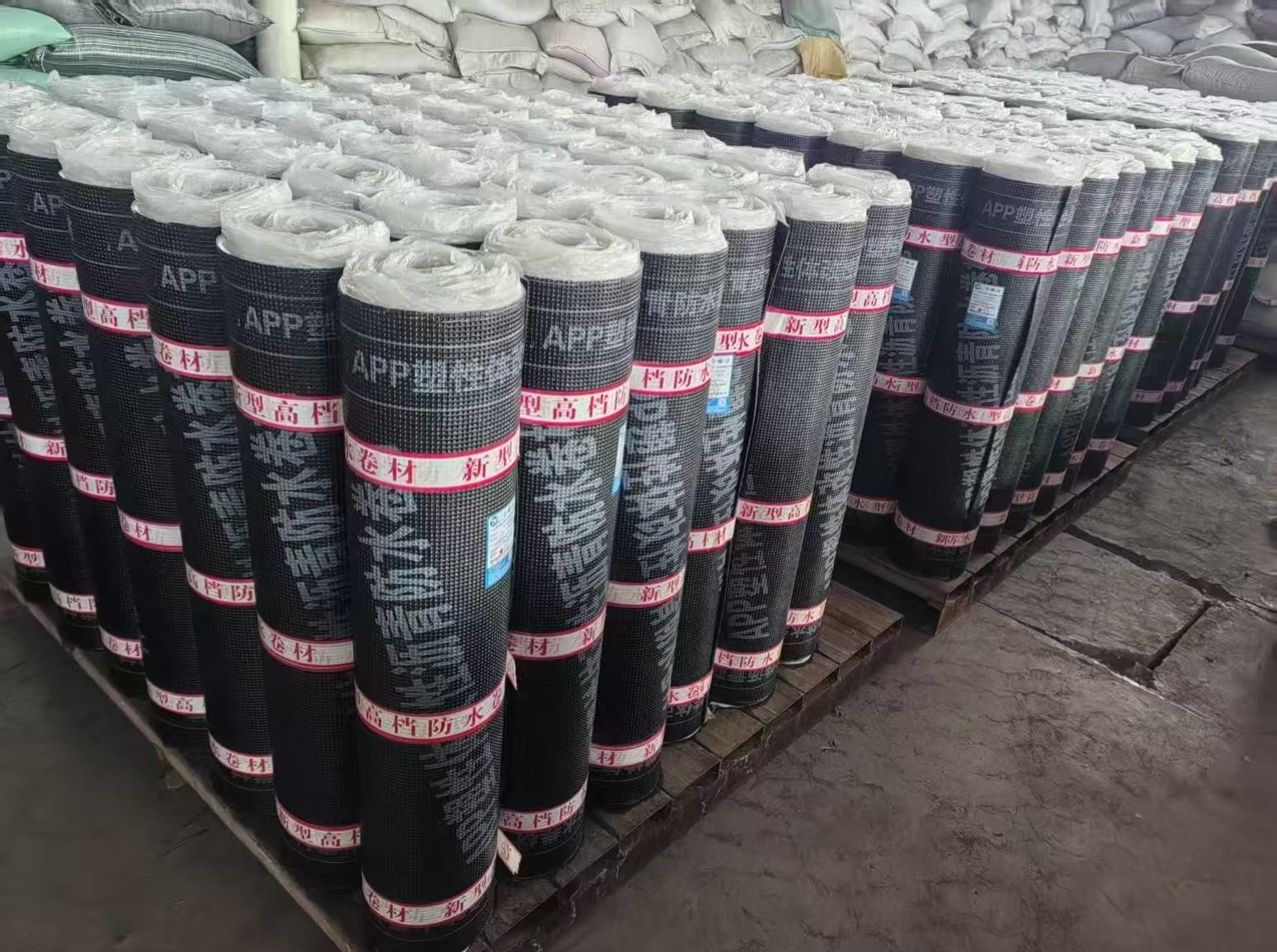
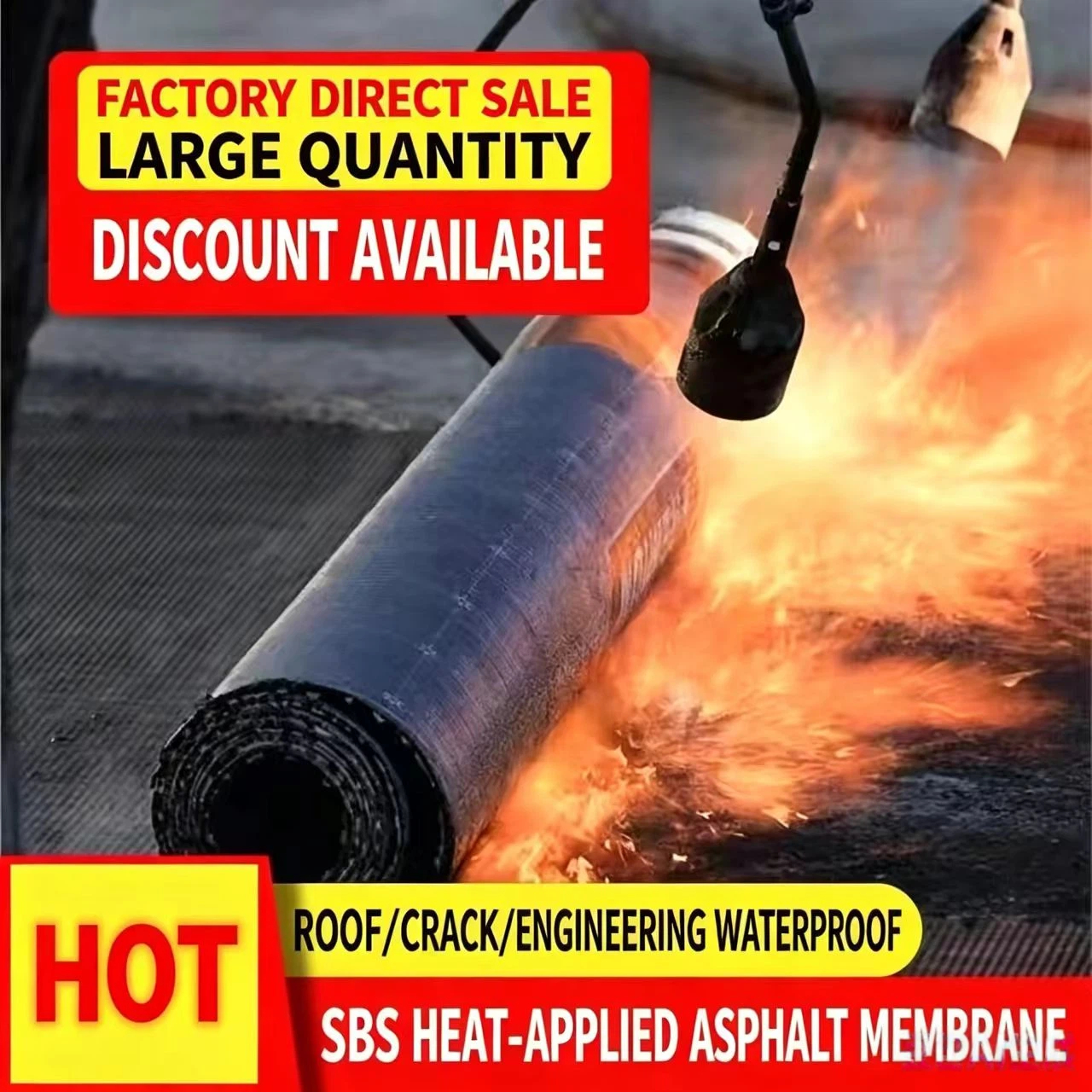
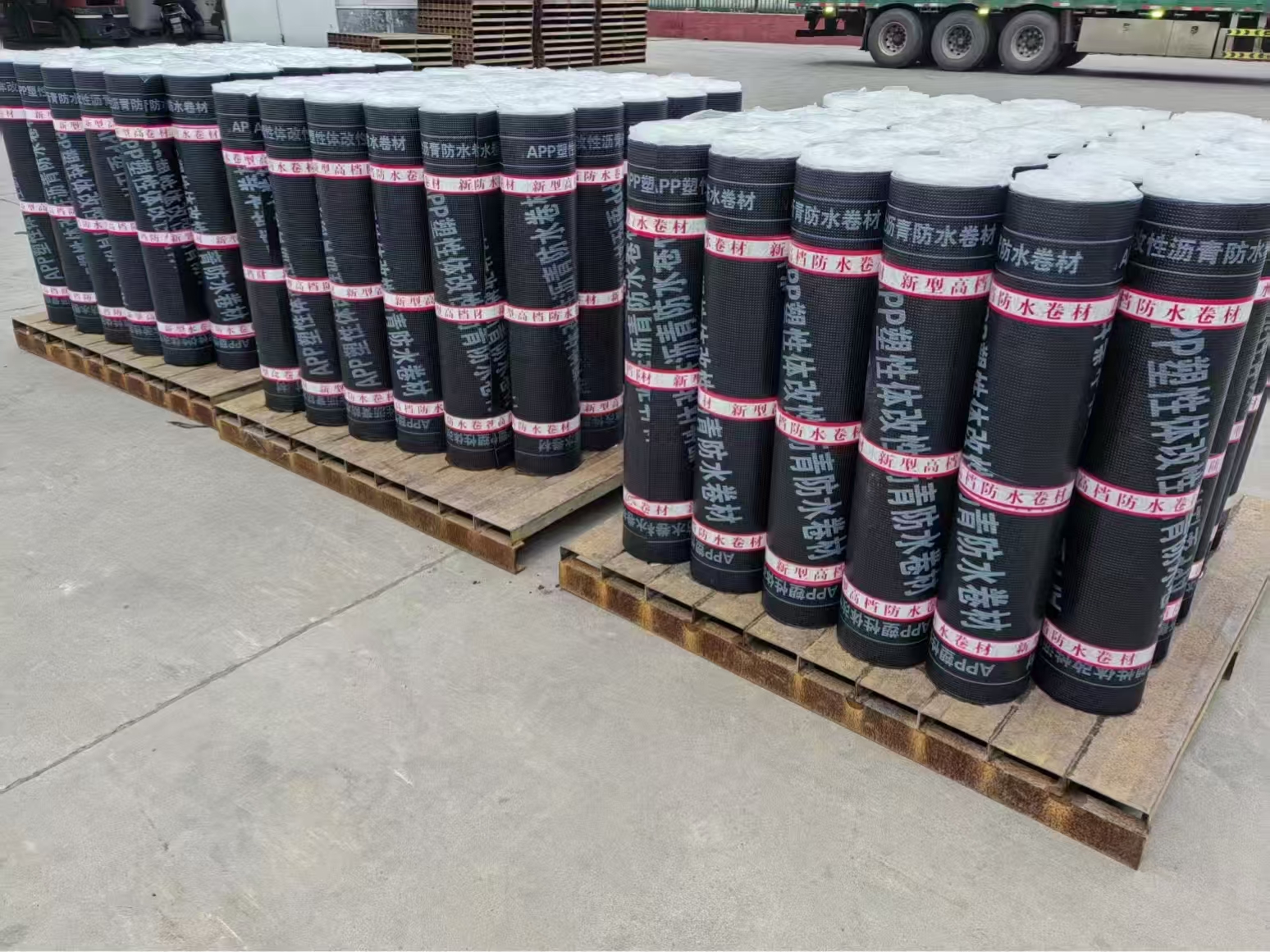
- Exposed roofs: Often use bitumen membrane such as APP membrane or SBS membrane, or single-ply PVC/TPO/EPDM membrane. Reflective coatings may be added in hot regions.
- Basements and underground structures: Pre-applied self-adhesive membrane, cement-based crystalline coatings, or polyurethane coatings, depending on positive- or negative-side application.
- Tunnels and municipal corridors: Membrane systems combined with non-curing sealants at joints.
- Metal and colour steel roofs: Self-adhesive membrane designed for metal substrates, plus butyl tape at overlaps and fasteners.
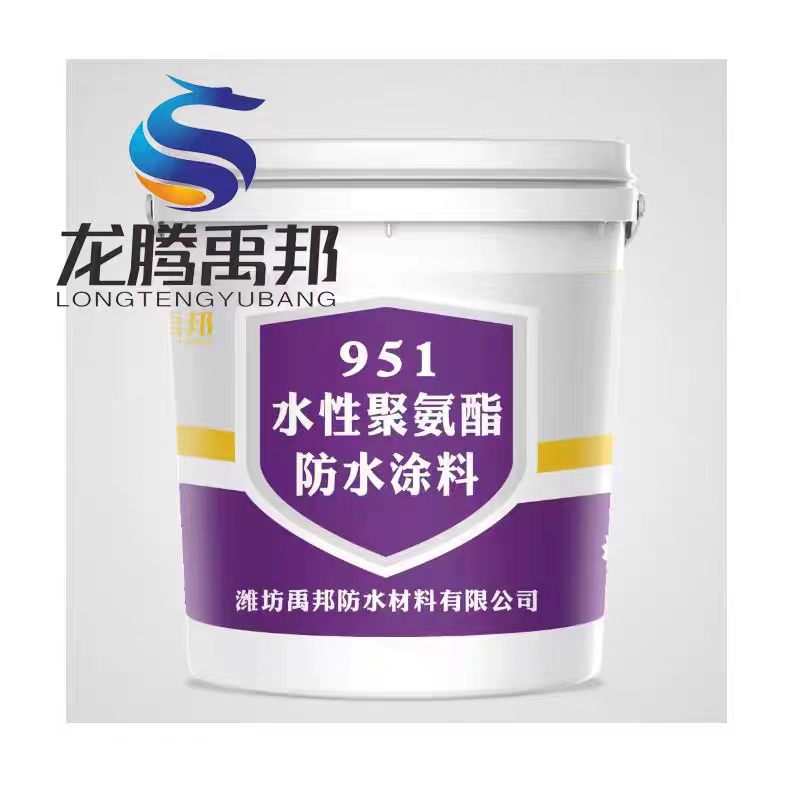
- Kitchens, bathrooms, and balconies: K11 waterproof mortar, JS coating, or polyurethane coating for small-scale wet areas.
- Repair and renovation: Acrylic elastic coating, self-adhesive membrane, or butyl tape for cracks and local sealing.
Buyer decision table
| Project condition | Material option | What to confirm before inquiry | Notes |
|---|---|---|---|
| Exposed roof, hot climate | APP/SBS bitumen membrane or reflective coating | Thickness, surface finish, UV exposure | Confirm whether a top layer or coating is needed |
| Exposed roof, cold climate | SBS modified bitumen membrane | Low-temperature flexibility, thickness | Installation method affects handling |
| Basement, pre-applied | Pre-applied anti-adhesive self-adhesive membrane | Substrate condition, bonding requirement | Designed to bond to poured concrete |
| Concrete structure, negative side | Cement-based crystalline coating | Concrete surface state, application side | Suitable for positive and negative sides |
| Metal / colour steel roof | Self-adhesive membrane for steel tiles + butyl tape | Panel profile, overlap detail | Verify substrate compatibility |
| Kitchen, bathroom, balcony | K11 mortar, JS coating, or PU coating | Wet area size, tile bonding | Common in residential fit-out |
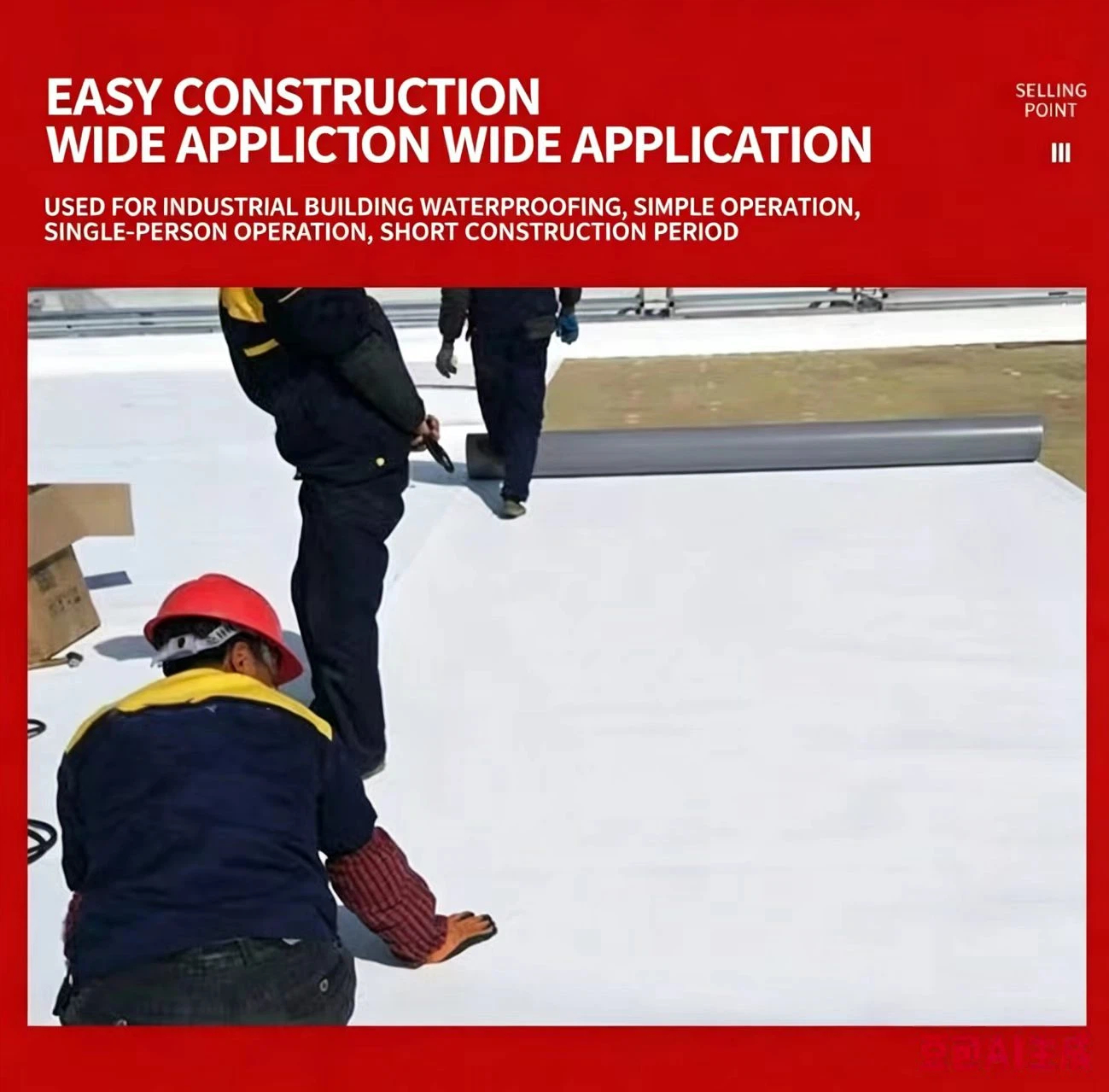
| Single-ply exposed roof | PVC, TPO, or EPDM membrane | Reinforcement, welding method | Requires trained installers |
How to choose specifications
Once the material category is clear, specifications determine the actual product. For membranes, confirm thickness, roll width and length, surface finish (mineral, film, or sand), reinforcement (polyester or fibreglass), and whether the product is self-adhesive or torch-applied. For coatings, confirm single or double component, coverage rate, and required number of coats.
Also plan logistics early. Packing format, pallet arrangement, total quantity, container loading, and destination port all affect the final quotation. If your project must meet a local specification, share that requirement so the correct grade can be matched. When any detail is uncertain, it is better to describe the site condition than to guess a value.
Questions to prepare before requesting a quotation
- What is the substrate: concrete, metal, or existing waterproofing?
- Will the waterproof layer be exposed or covered?
- What is the climate at the destination, especially temperature extremes?
- What thickness or coating coverage does your design require?
- Which installation method is available: torch, self-adhesive, mechanical fixing, or welding?
- What total quantity and roll or drum size do you need?
- What is the destination port and preferred packing?
- Are there local standards or specifications the material must satisfy?
Common mistakes and selection risks
A frequent error is ordering by price alone without matching the material to the installation method available on site. A torch-applied membrane is not useful where open flame is prohibited, and a single-ply membrane needs trained welders. Another risk is ignoring surface exposure: a layer meant to be covered may not perform well under long UV exposure.
Buyers also sometimes overlook joint and detail sealing. The field membrane may be correct, but leaks often start at pipe penetrations, overlaps, and corners, so plan reinforcement tape or non-curing sealant for those areas. Finally, confirm thickness and reinforcement in writing, since these directly affect handling, durability, and price.
Get product selection support
If you are still comparing a membrane against a coating, or unsure which specification suits your substrate and climate, share your project details and we can help match a suitable waterproof layer. Sending substrate type, exposure, thickness target, quantity, and destination port allows us to prepare a clear, accurate quotation for your project.