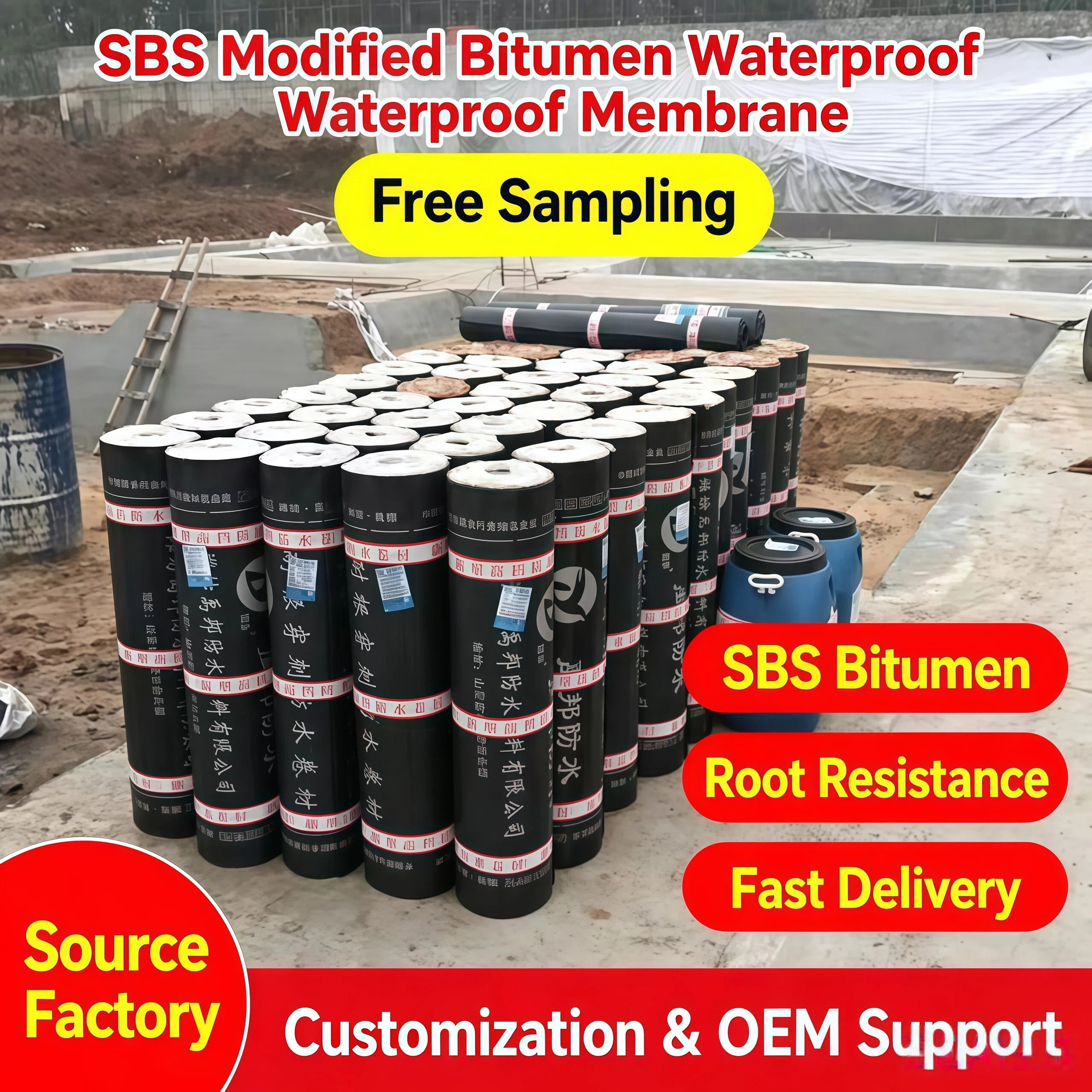
This guide is written for importers, waterproofing contractors, procurement engineers, and distributors in Singapore who need to select and buy a waterproof membrane sheet for a specific project or for stock. It focuses on the decisions that affect price, performance, and installation, so your inquiry to a manufacturer is clear from the start.
If you are choosing between bitumen membrane, self-adhesive membrane, or thermoplastic sheets such as PVC and TPO, the goal here is not to name one winner. It is to help you match the membrane to the substrate, climate, and application method, then confirm the details that a supplier needs to quote correctly.
Understanding the buyer intent behind "waterproof membrane sheet"
The phrase covers a wide product family. A buyer searching for a waterproof membrane sheet is usually at one of three stages: comparing membrane categories, sourcing a specific type for a known project, or looking for a supplier who can match a local specification and pack for export.
Because the term is broad, the first task is narrowing it down. A roofing waterproofing job in Singapore’s tropical climate, a basement waterproofing project below grade, and a metal roof repair each point to different membranes. The more precisely you define the application, the more useful a quotation becomes.
Common application scenarios
Membrane sheets are specified across many project types. The typical scenarios include:
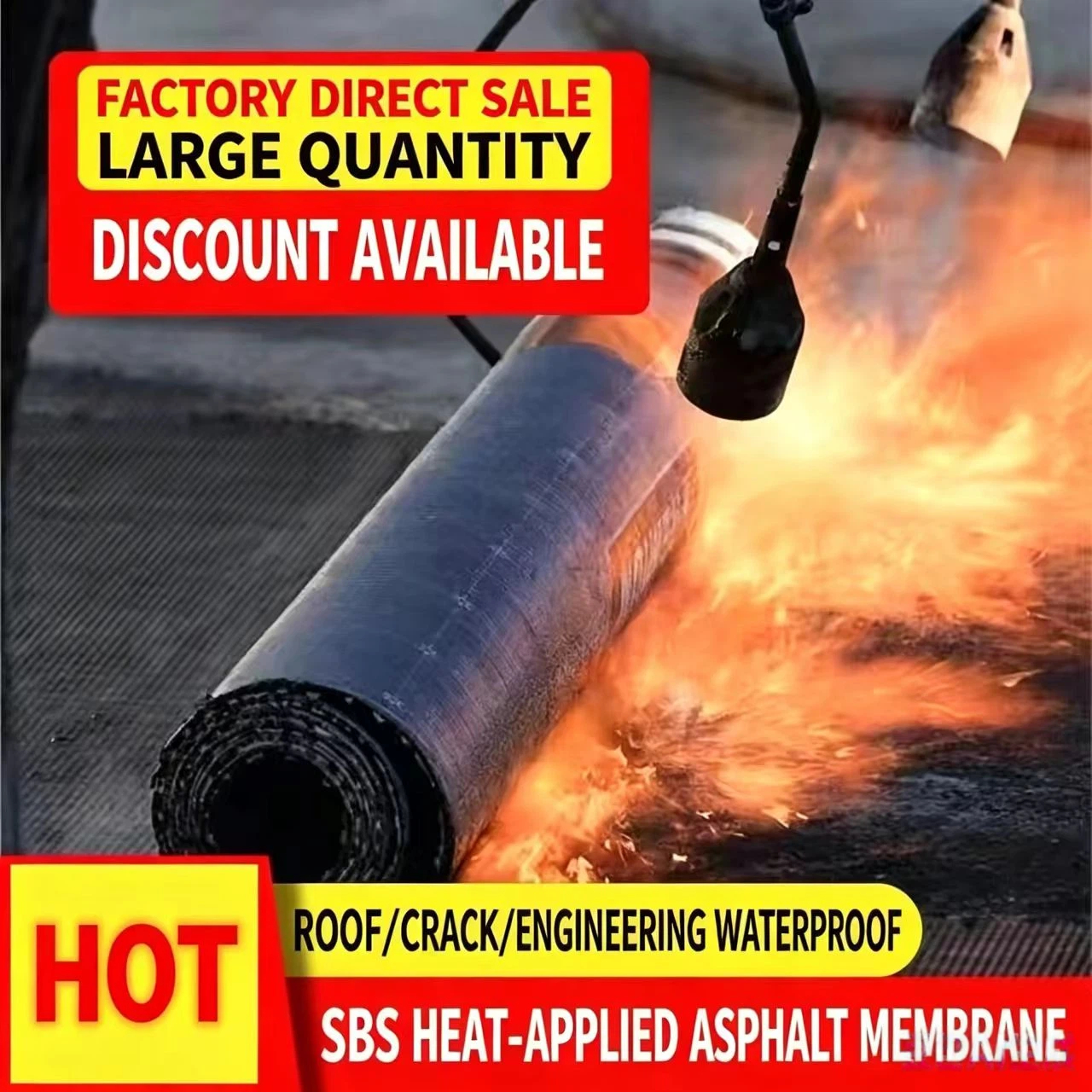
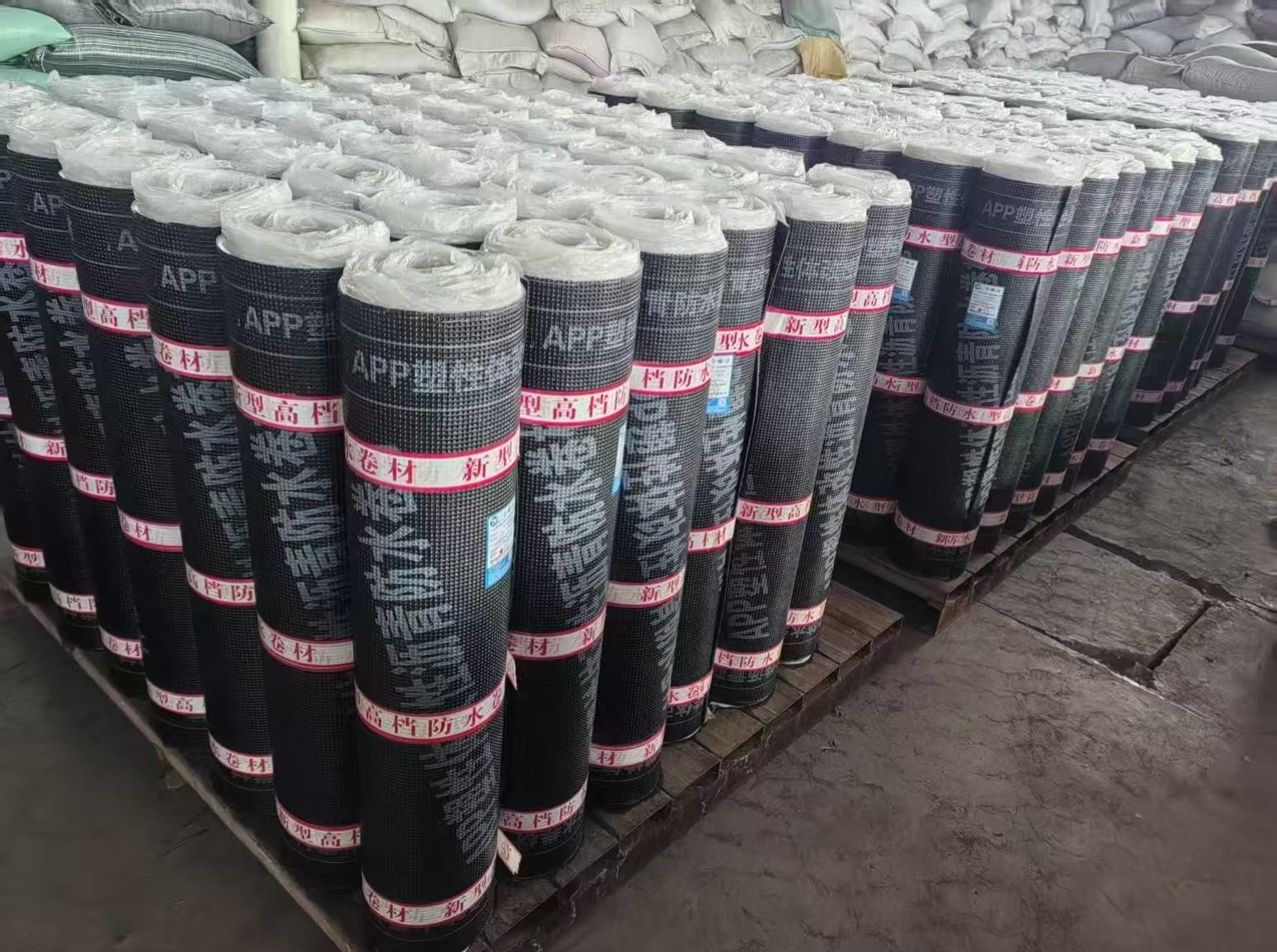
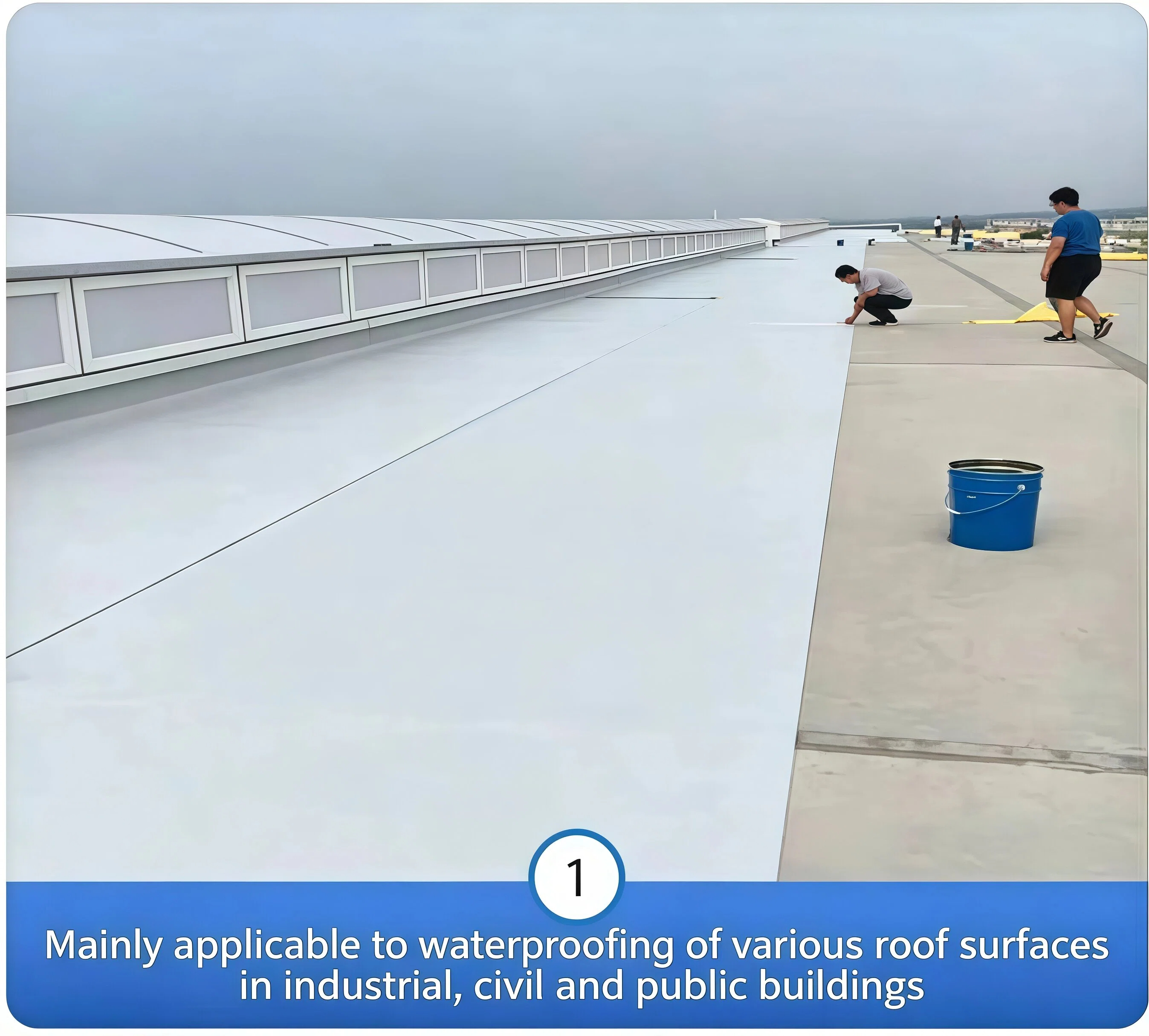
- Exposed and non-exposed roofs: SBS or APP modified bitumen membrane, PVC, TPO, or EPDM, depending on climate and whether the surface stays exposed.
- Basements and underground structures: pre-applied anti-adhesive self-adhesive membrane, SBS membrane, or thermoplastic sheets for floors and side walls.
- Tunnels, bridges, and municipal infrastructure: modified bitumen membrane and thermoplastic membranes selected for the substrate and construction sequence.
- Metal and colour steel tile roofs: polymer self-adhesive membrane made for metal substrates, plus butyl tape for laps and pipe openings.
- Repair and renovation: self-adhesive membrane where open-flame torching is not allowed, often combined with a waterproof coating for detailing.
Buyer decision table
| Project condition | Material option | What to confirm before inquiry | Notes |
|---|---|---|---|
| Exposed roof, hot climate | APP modified bitumen membrane or thermoplastic sheet | Surface finish, thickness, UV exposure, mechanical or fully bonded | Confirm whether the surface stays permanently exposed. |
| Exposed roof, cold climate | SBS modified bitumen membrane | Thickness, low-temperature flexibility requirement, installation method | SBS is often specified where temperatures drop. |
| Basement floor and walls | Pre-applied self-adhesive membrane or thermoplastic sheet | Positive or negative side, construction sequence, groundwater level | Pre-applied types suit specific pouring sequences. |
| Metal / colour steel tile roof | Polymer self-adhesive membrane for metal | Substrate type, roof slope, lap detailing, repair or new | Butyl tape may be added for laps and penetrations. |
| Chemical or corrosive environment | PVC or EPDM membrane | Chemical exposure, thickness, seam method | Chemical resistance depends on the specific exposure. |
How to choose specifications
Once the membrane category is decided, the specification decides the final price and how the product ships. Consider these points and confirm them with your supplier:
- Thickness: commonly the biggest cost driver. It should follow the local specification or the design requirement, not just the lowest option.
- Roll width and length: affects labour, overlap waste, and container loading.
- Surface finish: for bitumen membrane, options such as sand, film, or mineral finish depend on whether the surface is exposed.
- Reinforcement: polyester or fibreglass carriers behave differently; confirm what the project needs.
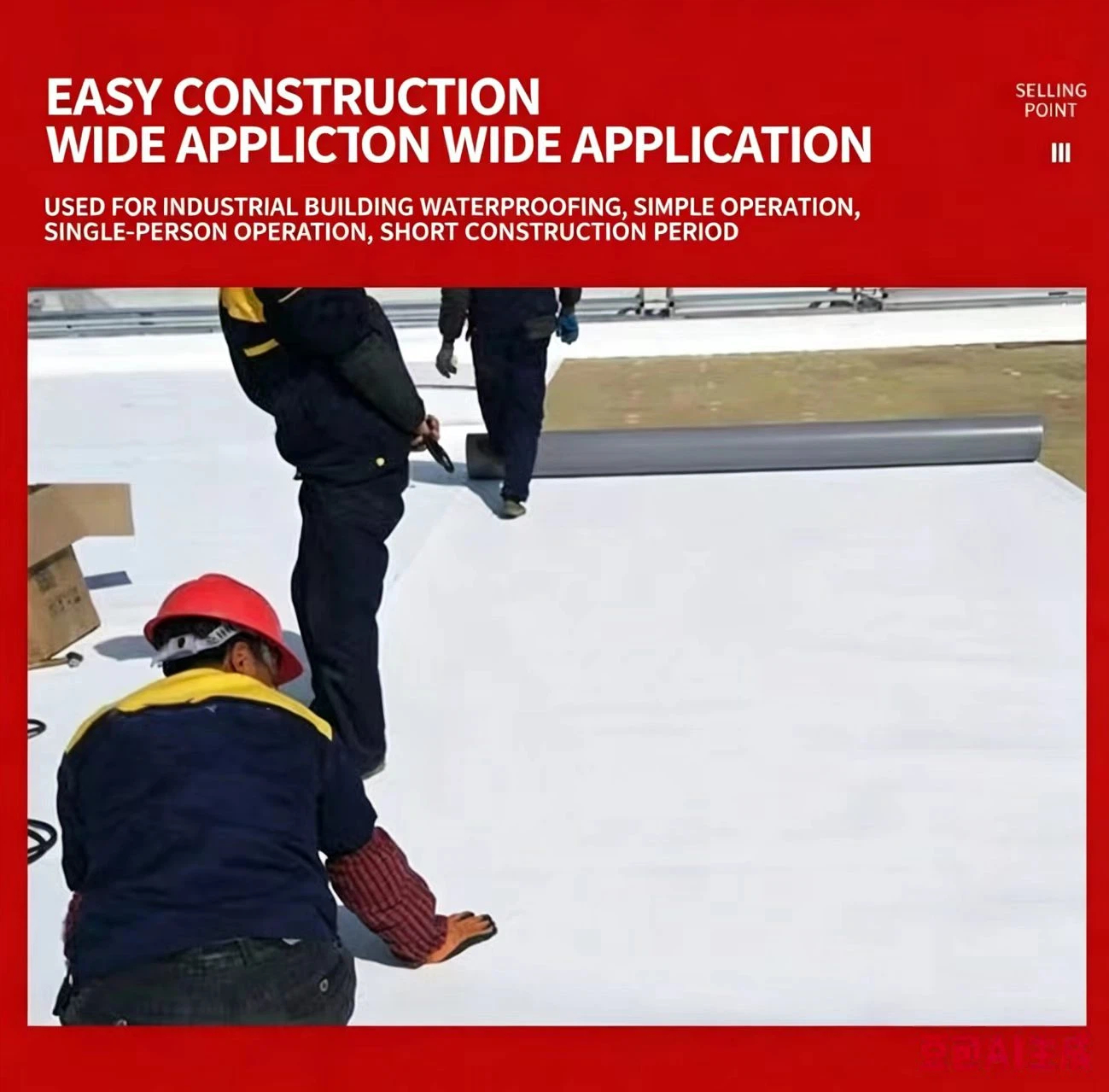
- Installation method: torch-applied, self-adhesive, mechanically fixed, or hot-air welded. This changes both the product and site requirements.
- Packing and quantity: rolls per pallet, pallet count per container, and total order volume.
- Destination port: needed for freight and lead-time planning.
Questions to prepare before requesting a quotation
- What is the application: roofing, basement, tunnel, metal roof, or repair?
- Is the surface exposed or covered after installation?
- What thickness and roll size does your specification require?
- Which installation method will the site use?
- What is the climate at the project location?
- What total quantity and how many containers are you planning?
- Which destination port should the quotation reference?
- Do you need the membrane to match a specific local standard? If so, please share it.
Common mistakes and selection risks
A frequent error is choosing a membrane by price alone without confirming thickness and reinforcement, then finding the product does not meet the project specification. Another is ordering an exposed-grade surface finish for a covered application, or the reverse.
Mismatching the installation method is also common. A torch-applied bitumen membrane is not suitable where open flame is restricted, and a self-adhesive membrane needs proper substrate preparation. For metal roofs, a general membrane may not bond the way a purpose-made self-adhesive membrane for metal substrates does. When in doubt, describe the site conditions and let the supplier confirm the match.
Getting the right selection support
The best outcome comes from sharing your project details early rather than asking only for a price. If you tell us the application, substrate, climate, installation method, quantity, and destination port, we can help you compare suitable waterproof membrane sheet options and confirm the specification before you commit. Reach out with your project data and we will help you narrow the choice.