This guide is written for contractors, procurement engineers, and distributors who need to waterproof vertical surfaces such as basement side walls, retaining walls, foundation walls, and exterior facades. Wall waterproofing behaves differently from flat roofing because of gravity, backfill pressure, and the difficulty of applying material to a vertical plane.
The aim here is to help you match the right material to your wall condition, then prepare a clear inquiry so a manufacturer can quote accurately. Final selection always depends on substrate, water table, climate, and local specification, so treat the recommendations below as a starting framework rather than a fixed rule.
Understanding the buyer intent behind "waterproof membrane wall"
When buyers search for a waterproof membrane wall solution, they are usually dealing with one of a few situations: a below-grade basement wall exposed to hydrostatic pressure, a retaining wall in contact with soil, or an above-grade exterior wall facing rain penetration and seepage. Each of these needs a different approach.
The key distinction is whether the wall is positive-side (waterproofing on the water-facing surface) or negative-side (waterproofing on the interior after water has already entered). It also matters whether the wall will be backfilled, whether construction happens before or after concrete pouring, and whether the finish is exposed to sunlight. Confirming these points early avoids specifying the wrong product family.
Common application scenarios for wall waterproofing
Vertical waterproofing appears across many project types. The most frequent scenarios include:
- Basement side walls: Often waterproofed with self-adhesive bitumen membrane or pre-applied membrane before backfilling.
- Retaining and foundation walls: Exposed to soil moisture and pressure, commonly treated with bitumen membrane plus a protection layer.
- Exterior facades and parapet walls: Where seepage and rain-driven water are the concern, coatings such as acrylic or silicone are often used.
- Utility corridors and tunnels: Vertical faces here may use PVC, EPDM, or pre-applied membrane depending on the structure.
- Repair of existing walls: Cementitious coatings or crystalline systems are common for negative-side treatment of seeping walls.
Buyer decision table for waterproof membrane wall projects
| Project condition | Material option | What to confirm before inquiry | Notes |
|---|---|---|---|
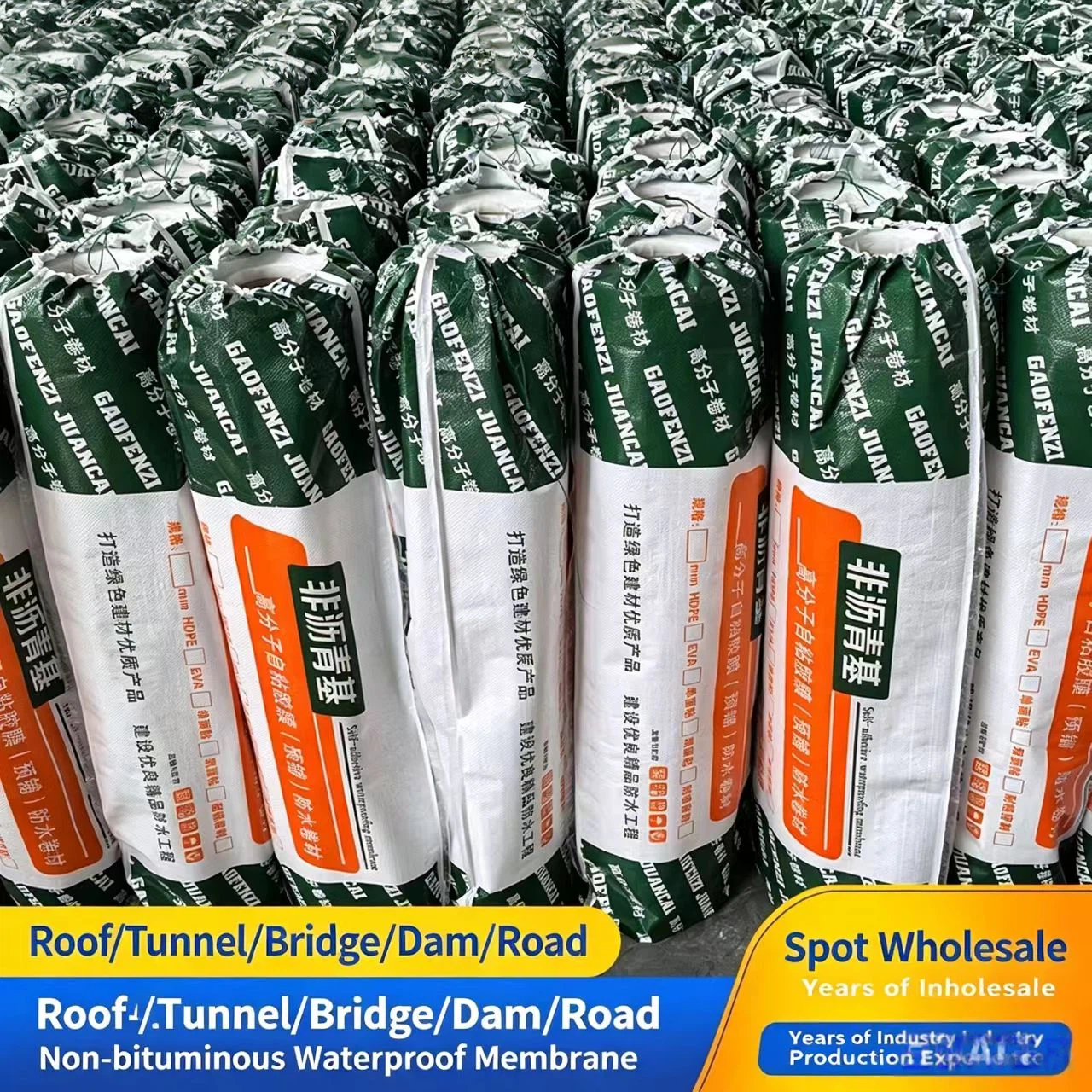
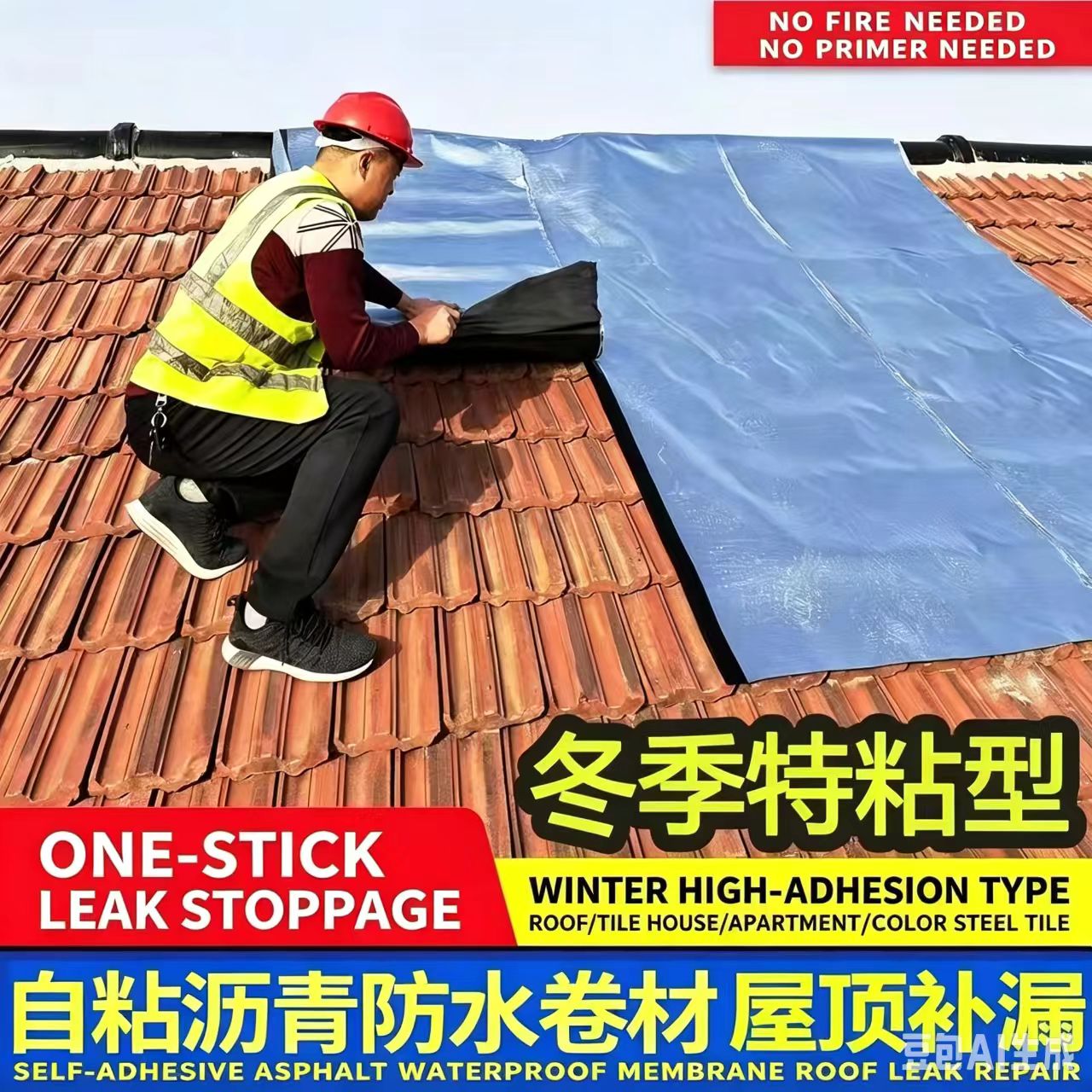
| Below-grade basement wall, backfilled | Self-adhesive modified bitumen membrane or pre-applied membrane | Water table, backfill timing, positive or negative side | Pre-applied types suit cast-against situations |
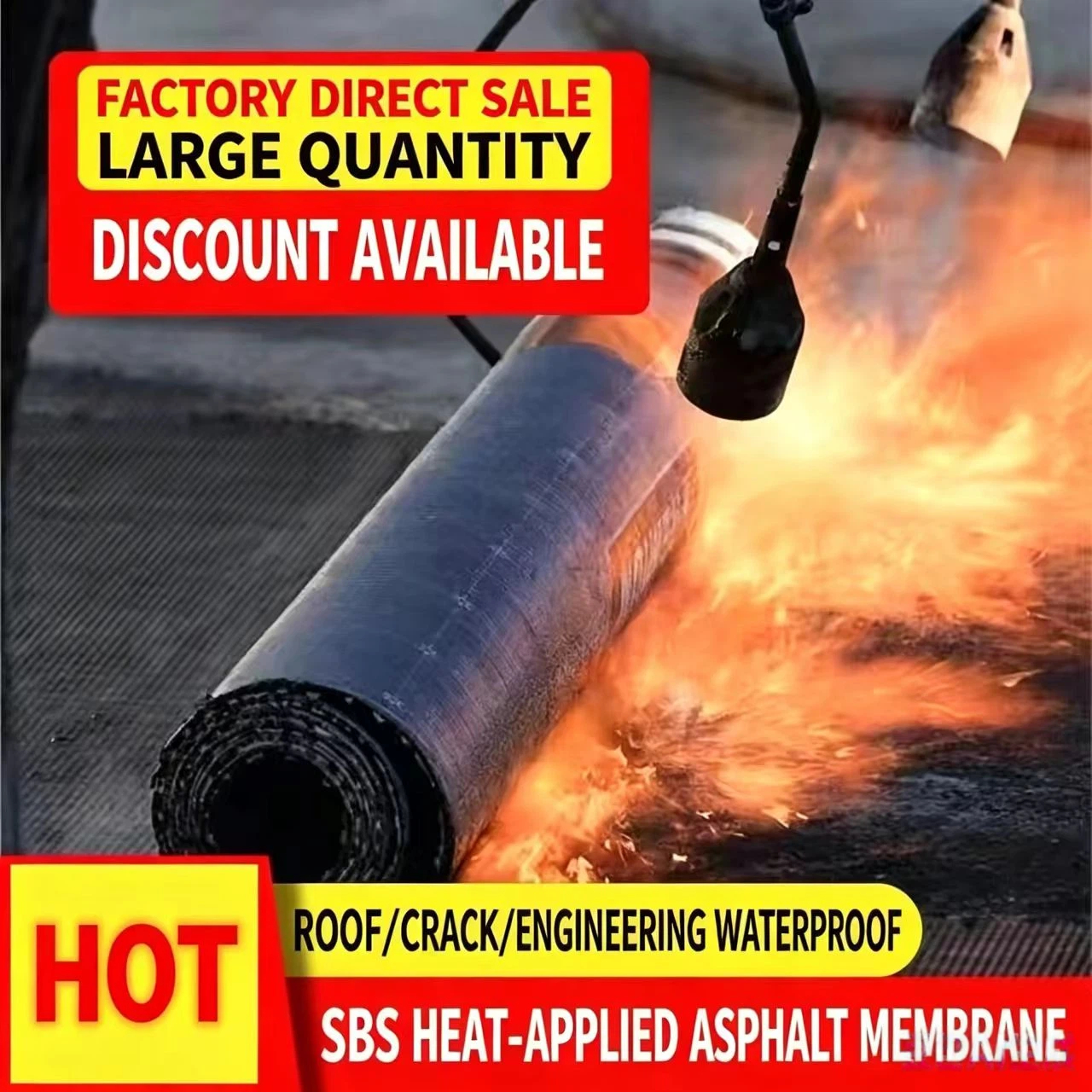
| Retaining wall in soil contact | SBS or APP bitumen membrane with protection board | Climate, substrate condition, mechanical protection | APP suits hot regions, SBS suits cold regions |
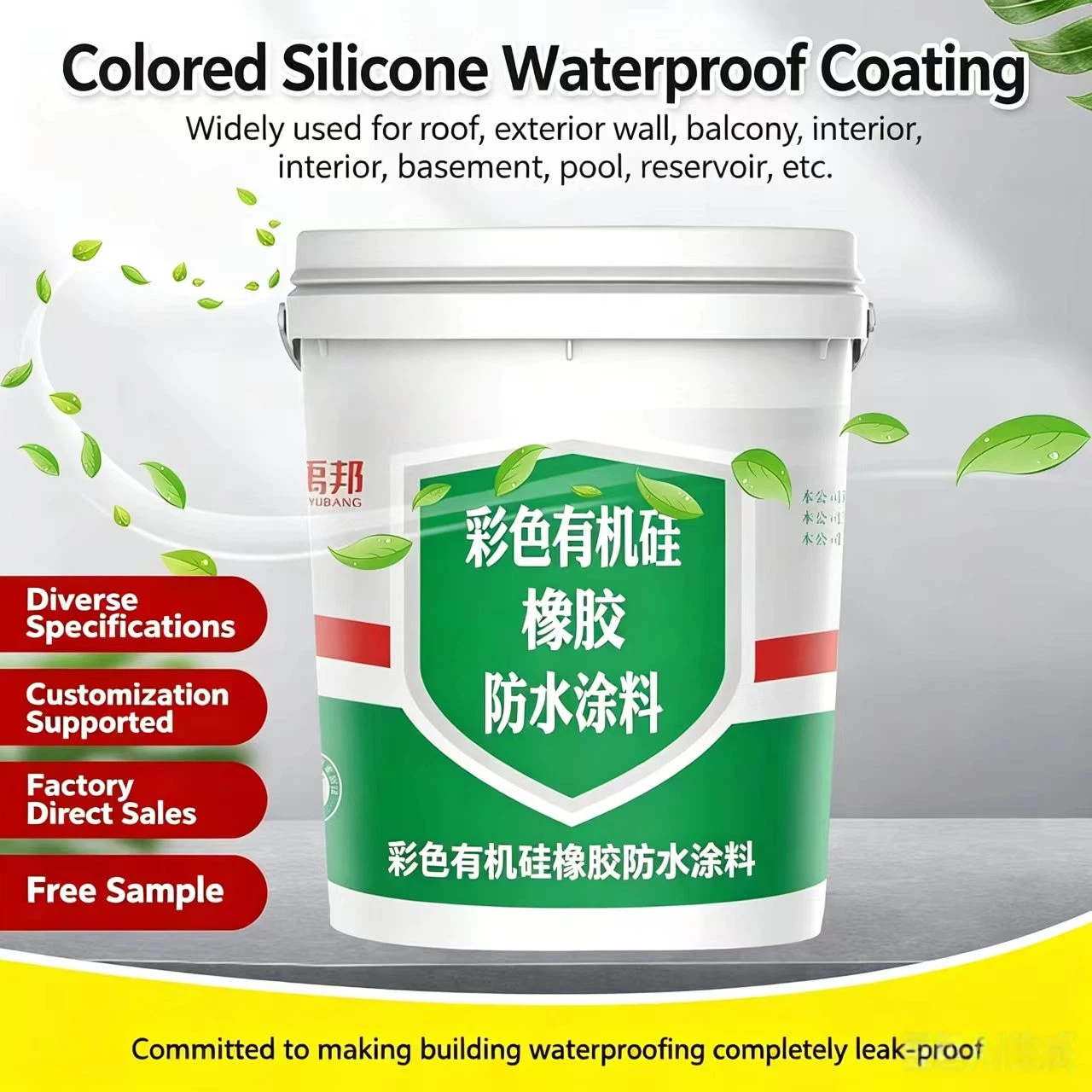
| Exterior facade with rain seepage | Silicone or acrylic elastic waterproof coating | Substrate porosity, exposure, colour preference | Coatings follow irregular surfaces easily |
| Seeping wall, interior repair | Cement-based crystalline or JS coating | Whether negative-side application is required | Crystalline works on positive and negative sides |
| Corrosive or chemical environment | PVC or EPDM membrane | Chemical exposure, seam method, thickness | Confirm compatibility for specific media |
How to choose specifications for wall membranes
Once the material family is decided, the technical specification defines whether the product suits your wall. Points to work through include:
- Thickness: Heavier membranes generally handle backfill abrasion better, but the required value depends on your local specification and water pressure.
- Roll width and length: Wider rolls reduce vertical seams, but handling on a wall must stay manageable for your crew.
- Surface finish: Sanded, film, or foil surfaces affect adhesion of protection layers and finishing coats.
- Reinforcement: Polyester or fibreglass carriers affect tensile behaviour and puncture resistance.
- Installation method: Torch-applied, self-adhesive, mechanically fixed, or pre-applied. On walls, self-adhesive and pre-applied systems are often preferred where open flame is restricted.
- Packing and quantity: Confirm rolls per pallet, total square metres, and container loading.
- Destination port: Needed for accurate freight and lead-time estimates.
For coatings used on facades, confirm coverage rate, number of coats, and drying conditions instead of roll dimensions.
Questions to prepare before requesting a quotation
- Is the wall above grade, below grade, or a retaining structure?
- Positive-side or negative-side waterproofing?
- Will the wall be backfilled, and how soon after application?
- What is the substrate: concrete, block, or existing coated surface?
- What is the climate at the site: hot, cold, or variable?
- Is open-flame torching allowed on the project?
- What total area and thickness does your specification require?
- What is the destination port and preferred packing?
Common mistakes and selection risks
A frequent error is applying a roof-oriented product to a wall without accounting for vertical adhesion and backfill stress. Membranes that slip or peel on a vertical face usually fail at seams and terminations, so termination detailing matters as much as the sheet itself.
Another risk is ignoring the water side. Negative-side pressure can push a positive-side coating off the substrate, so confirm which side the water comes from before choosing. Buyers also sometimes skip the protection layer before backfilling, which can puncture the membrane during compaction. Finally, mixing incompatible materials, such as certain coatings over certain membranes, can prevent proper bonding, so confirm compatibility when combining products.
Getting the right recommendation
Wall waterproofing depends heavily on site conditions, so the safest path is to share your project details and let a technical team match the material. If you can describe the wall type, water side, climate, and required quantity, we can help you shortlist a suitable membrane or coating and prepare a quotation based on real requirements rather than assumptions.