This guide is written for contractors, procurement engineers, and distributors who need to waterproof a concrete slab and want to compare material options before sending an inquiry. A slab can mean many things in practice: a suspended floor slab, a basement base slab, a podium deck over occupied space, a bridge deck, or a flat concrete roof. The correct material depends on which of these you are dealing with.
The aim here is to help you match a system to your project condition, avoid common specification errors, and prepare the information a supplier actually needs to quote accurately.
Understanding the buyer intent behind "waterproof slab"
When buyers search for a waterproof slab solution, they usually fall into one of a few groups. Some want to protect a structural concrete slab from water ingress that could corrode reinforcement. Others want to stop leakage into an occupied space below, such as a basement or car park. A third group is renovating an existing slab that already shows seepage or cracking.
Because a slab is horizontal and often takes foot traffic, backfill, or standing water, the waterproofing layer must resist ponding and, in some cases, mechanical load or protective screed above it. That is why the same keyword can point to a bitumen membrane, a self-adhesive membrane, a waterproof coating, or a crystalline treatment. Your position on the slab, positive side or negative side, and whether the surface stays exposed all change the answer.
Common application scenarios for slab waterproofing
Different slab conditions call for different approaches. A few typical cases:
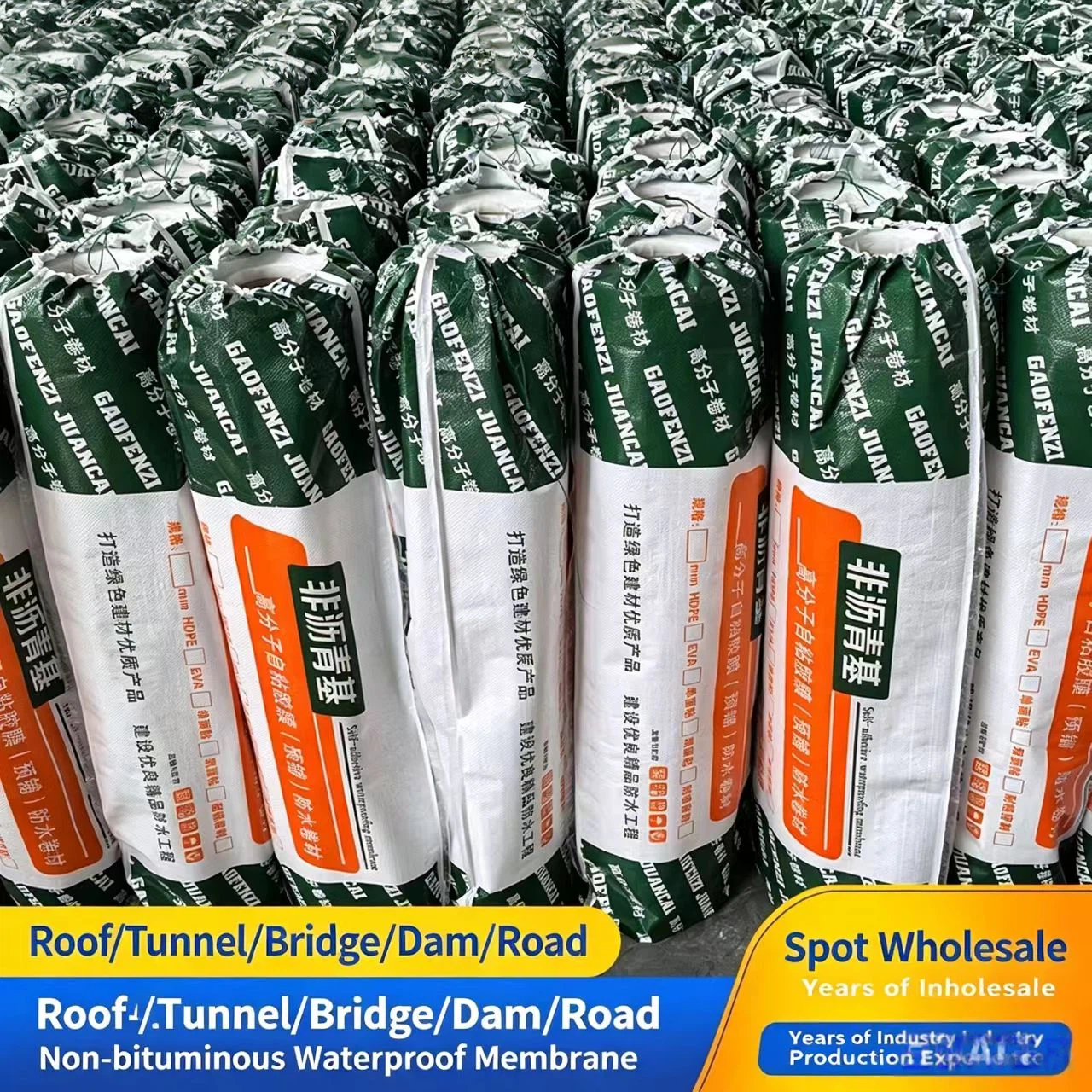
- Basement base slab and raft: Often needs a pre-applied membrane laid before the concrete is poured, so the waterproofing bonds to the slab and resists water tracking underneath.
- Suspended floor slab or podium deck: Usually receives a bonded membrane or liquid coating, then a protection layer and finishes on top.
- Flat concrete roof slab: Can use exposed membranes or coatings, where UV resistance and surface finish matter.
- Bridge deck and municipal slabs: Demand systems that tolerate movement, traffic loads, and temperature swings.
- Repair of an existing slab: May use liquid coatings, crystalline treatment, or localized tape and reinforcement at cracks and joints.
Wet rooms such as bathrooms and balconies are technically slabs too, but they are usually handled with cement-based or polyurethane coatings rather than sheet membranes.
Buyer decision table for waterproof slab systems
| Project condition | Material option | What to confirm before inquiry | Notes |
|---|---|---|---|
| Basement base slab, pre-poured | Pre-applied anti-adhesive self-adhesive membrane | Slab area, water table risk, lap detailing | Designed to bond to concrete cast against it |
| Podium or suspended deck, buried | SBS or self-adhesive modified bitumen membrane | Substrate condition, protection layer, climate | Non-exposed use is common under screed |
| Exposed flat roof slab | PVC, TPO, or EPDM membrane | Fixing method, UV exposure, roll size | Surface finish and detailing vary by type |
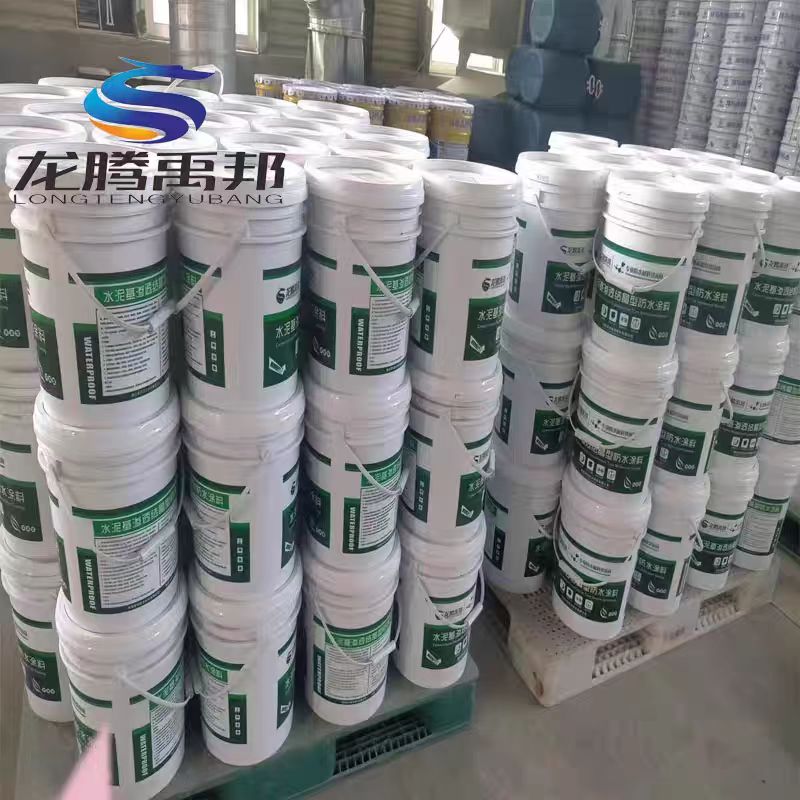
| Concrete slab, negative-side or damp | Cement-based crystalline coating | Concrete condition, positive or negative side | Penetrates concrete rather than forming a sheet |
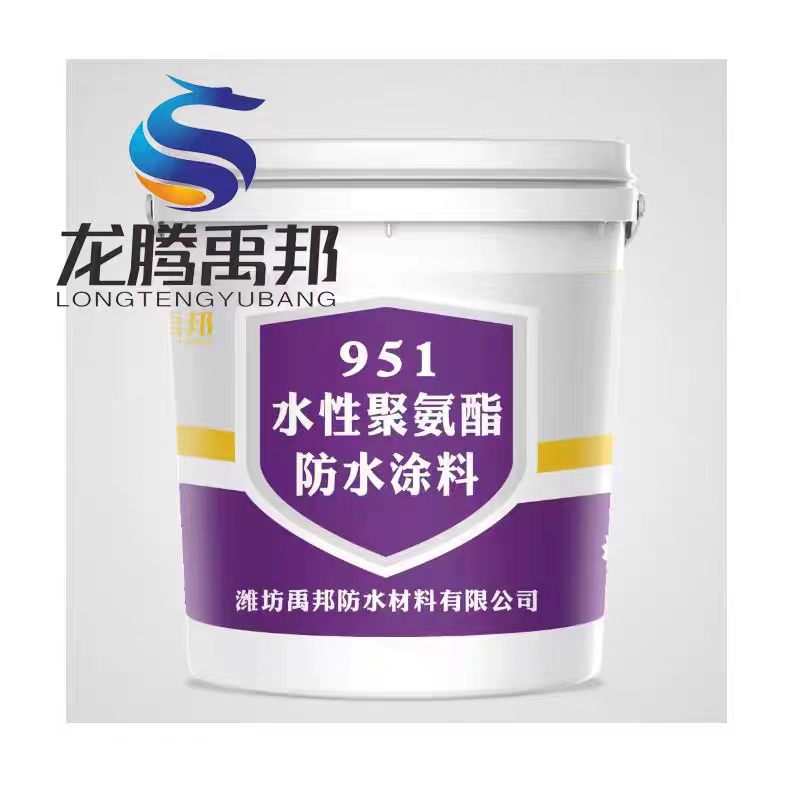
| Bathroom, balcony, small slab | Polyurethane, JS, or K11 coating | Area, tile bonding, joint reinforcement | Liquid coatings suit complex shapes |
| Slab crack and joint repair | Non-curing asphalt coating with membrane, or butyl tape | Crack width, movement, existing surface | Often combined with a main membrane |
This table is a starting point for discussion. Final selection should be confirmed against your drawings, substrate, and local specification.
How to choose the right specification
Once you have a material family in mind, the specification details decide performance and cost. For sheet membranes, confirm thickness, roll width and length, surface finish (for example sanded, film, or mineral for bitumen types), and whether reinforcement such as polyester or fiberglass carrier is required. For a slab under load, the protection layer and installation method matter as much as the membrane itself.
For liquid systems, the coating type, number of coats, and use of reinforcing fabric at joints affect the finished dry film. Pre-applied membranes for base slabs have their own lapping and bonding requirements that should be reviewed against the pour sequence.
On the commercial side, clarify quantity, packing, and destination port early. These influence loading, lead time, and freight, and they help a supplier recommend a realistic roll or drum size. Climate at the project site also matters: hot regions and cold regions can favour different bitumen modifications and application windows.
Questions to prepare before requesting a quotation
- What type of slab is it: base slab, suspended deck, roof, or repair area?
- Will the surface stay exposed, or be buried under screed, backfill, or tiles?
- What is the total area and estimated material quantity?
- Is the waterproofing applied positive side or negative side?
- What substrate condition do you have: new concrete, old surface, or cracked slab?
- What thickness or dry film does your specification require?
- What is the destination port and preferred packing?
- What is the site climate and expected application season?
Sending these details in your first message usually gets you a faster and more accurate response.
Common mistakes and selection risks
A frequent error is choosing a membrane or coating without confirming whether the slab is a positive-side or negative-side application, which can lead to a product that cannot handle the water pressure direction on that structure. Another is ignoring the protection layer on buried decks, so the membrane is damaged during backfilling or follow-on trades.
Buyers sometimes order by thickness alone, without checking reinforcement or surface finish, then find the roll does not suit the fixing method. On repairs, applying a coating over a dirty, wet, or loose surface is a common cause of early failure. Finally, mixing incompatible products, such as a coating and membrane that were never intended to work together, can undermine the whole system. When in doubt, confirm compatibility with the supplier.
Conclusion: get help matching the system to your slab
Waterproofing a slab is less about finding a single "best" product and more about matching the right system to your structure, exposure, and installation method. If you share your slab type, area, exposure, substrate condition, and destination port, our team can help narrow the options and suggest a specification suited to your project. Reach out with your drawings or a short project description and we will help you compare suitable materials before you commit to an order.