This guide is written for waterproofing contractors, procurement engineers, distributors, and project buyers in Singapore who are comparing torch on membrane options for roofing, basement, and civil construction work. If you are deciding between bitumen membrane grades, thicknesses, and surface finishes, this article explains how the choices connect to real site conditions.
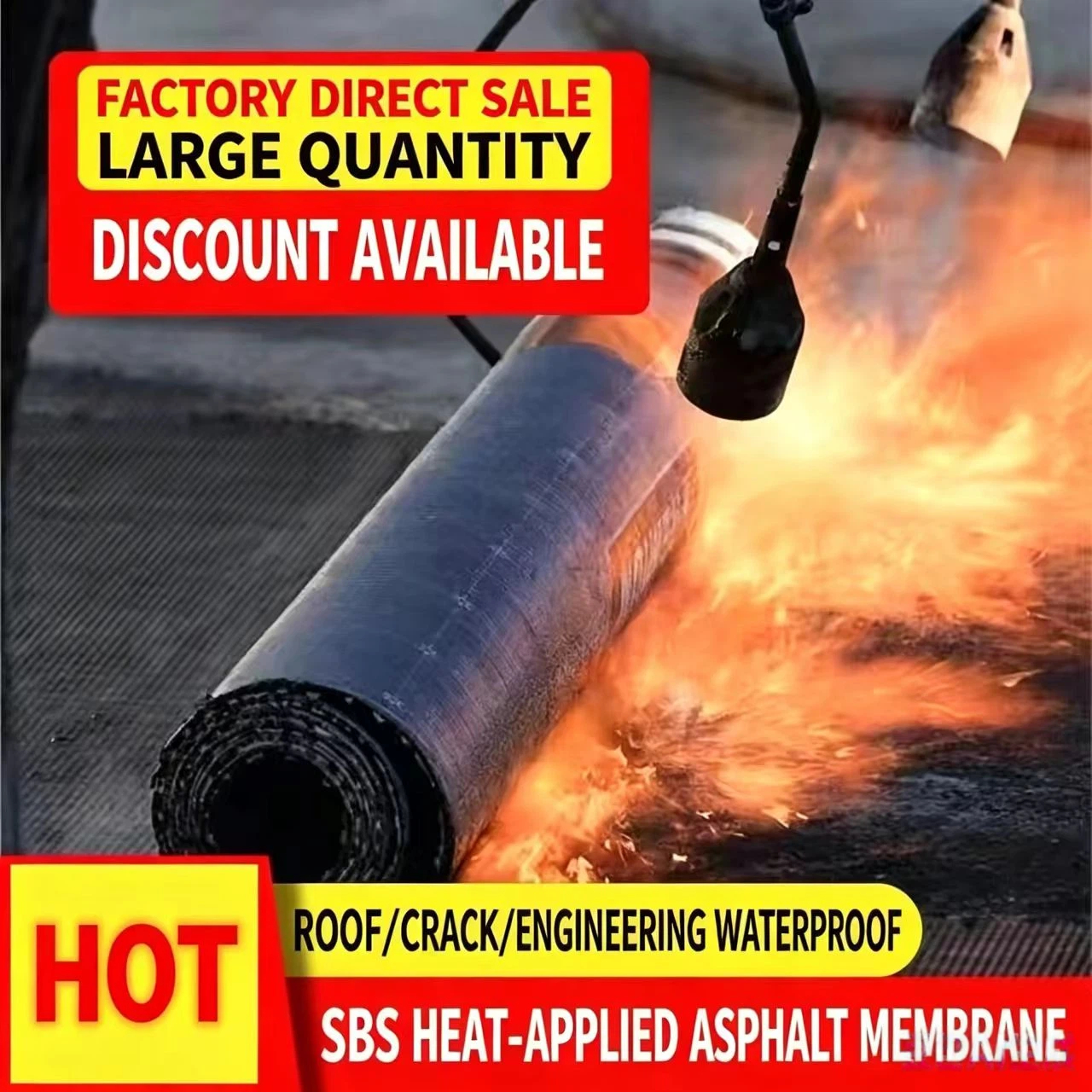
Torch on systems are widely used because they bond strongly to prepared substrates and can be installed on large flat areas efficiently. The trade-off is that they require open-flame application, trained crews, and attention to fire safety, so the right specification depends on your project rather than one universal answer.
Buyer Intent Behind "Waterproofing Torch On"
When buyers search for waterproofing torch on, they are usually not looking for a coating or a self-adhesive membrane. They want a heat-applied bitumen membrane that is melted at the base with a torch so it fuses to the deck and to overlaps. Behind that search, buyers typically need to confirm three things: which modification type suits Singapore’s tropical climate, what thickness and reinforcement the project specification calls for, and whether the membrane surface should be sand-finished, film-finished, or mineral-coated.
There are two common modified bitumen families for torch on work. SBS modified bitumen membrane stays flexible in colder conditions, which matters for regions with low winter temperatures or where the membrane may move with the structure. APP membrane tends to handle heat and UV exposure better in hot climates like Singapore. Selecting between them should be based on your destination climate and the specification, not on price alone.
Common Application Scenarios
Torch on bitumen membrane is used across many building and infrastructure projects in Singapore. Typical uses include:
- Flat and low-slope roofs: both exposed roofs with a mineral or reflective finish and covered systems under screed or ballast.
- Basements and foundations: waterproofing walls and slabs, often as part of a multi-layer system.
- Tunnels and bridges: where a durable, fully bonded membrane is needed on concrete decks.
- Municipal and civil construction: water-related structures and infrastructure that require reliable roofing waterproofing or below-grade protection.
- Repair and overlay work: re-covering aged bitumen roofs when the existing substrate is sound and compatible.
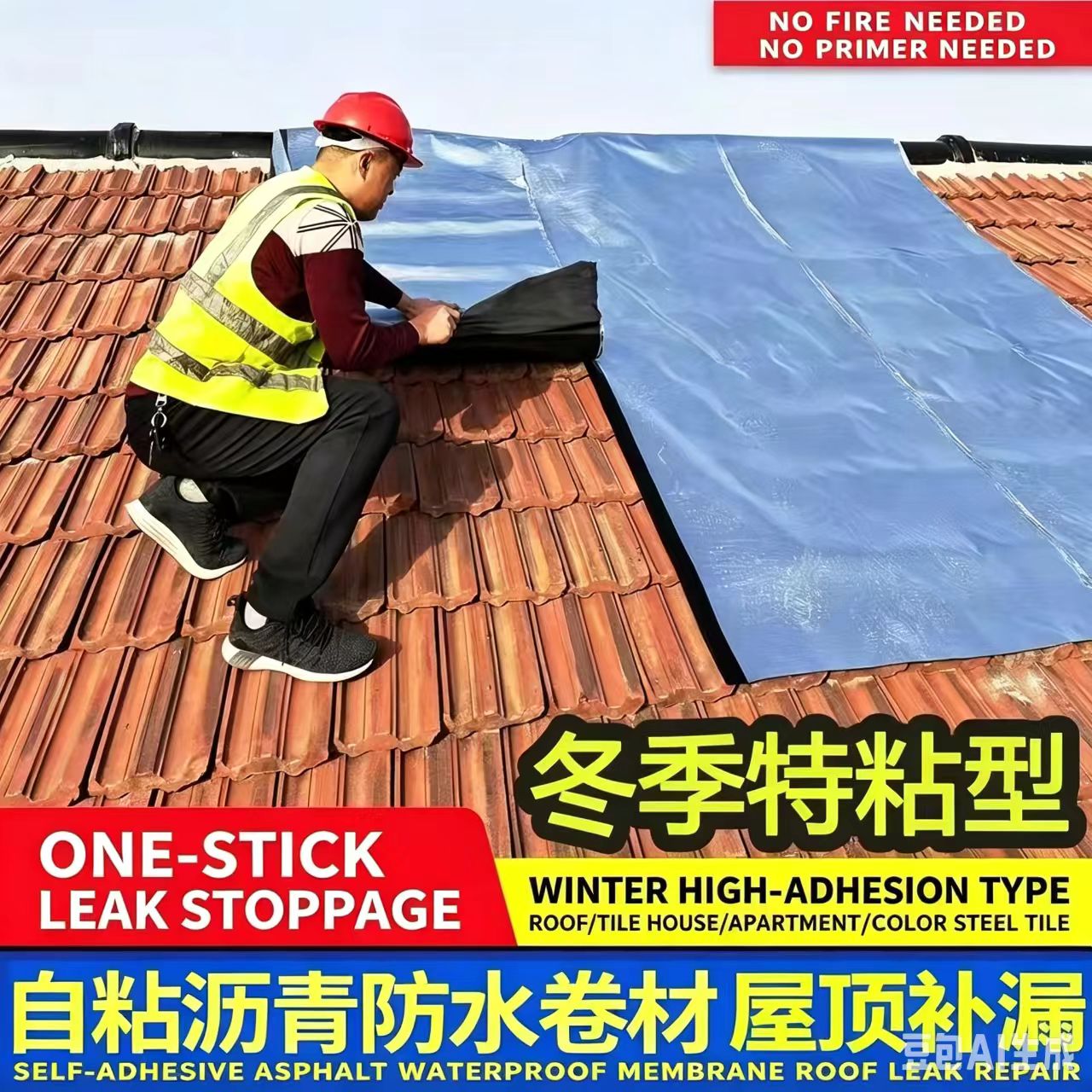
For details such as joints, penetrations, and internal corners, torch on sheets are often combined with reinforcing materials or a non-curing sealant to reduce leak risk at transitions. Metal roofs and lightweight decks are generally not suited to open-flame work; a self-adhesive membrane is usually the safer route there.
Buyer Decision Table
| Project condition | Material option | What to confirm before inquiry | Notes |
|---|---|---|---|
| Cold climate, structural movement expected | SBS modified bitumen membrane (torch on) | Thickness, reinforcement type, low-temperature flexibility needed | SBS stays flexible in lower temperatures |
| Hot climate, exposed roof | APP / modified bitumen membrane (torch on) | Surface finish, UV exposure, thickness | Often paired with a mineral or reflective top surface |
| Basement, tunnel, or bridge deck | SBS or modified bitumen membrane | Number of layers, substrate condition, positive/negative side | Usually a multi-layer bonded system |
| Metal or colour steel roof | Self-adhesive membrane (not torch on) | Substrate type, overlap detailing | Open flame is generally unsuitable on metal decks |
| Site where open flame is restricted | Self-adhesive modified bitumen membrane | Fire regulations, primer requirements | Avoids torching while keeping a bitumen system |
How to Choose Specifications
Once the membrane family is decided, the specification details drive both performance and quotation accuracy. Confirm the following where relevant:
- Thickness: commonly specified in millimetres. Heavier sheets are often used for exposed roofs and demanding substrates; the project drawings or local specification should guide the value.
- Roll width and length: affects coverage per roll, waste at edges, and handling on site.
- Surface finish: sand, film (for torching side identification), or mineral/coloured top surface for exposed use.
- Reinforcement: polyester or fibreglass carriers behave differently in tensile strength and dimensional stability; confirm which the specification requires.
- Installation method: confirm the system is intended for torch application and whether primer is required on the substrate.
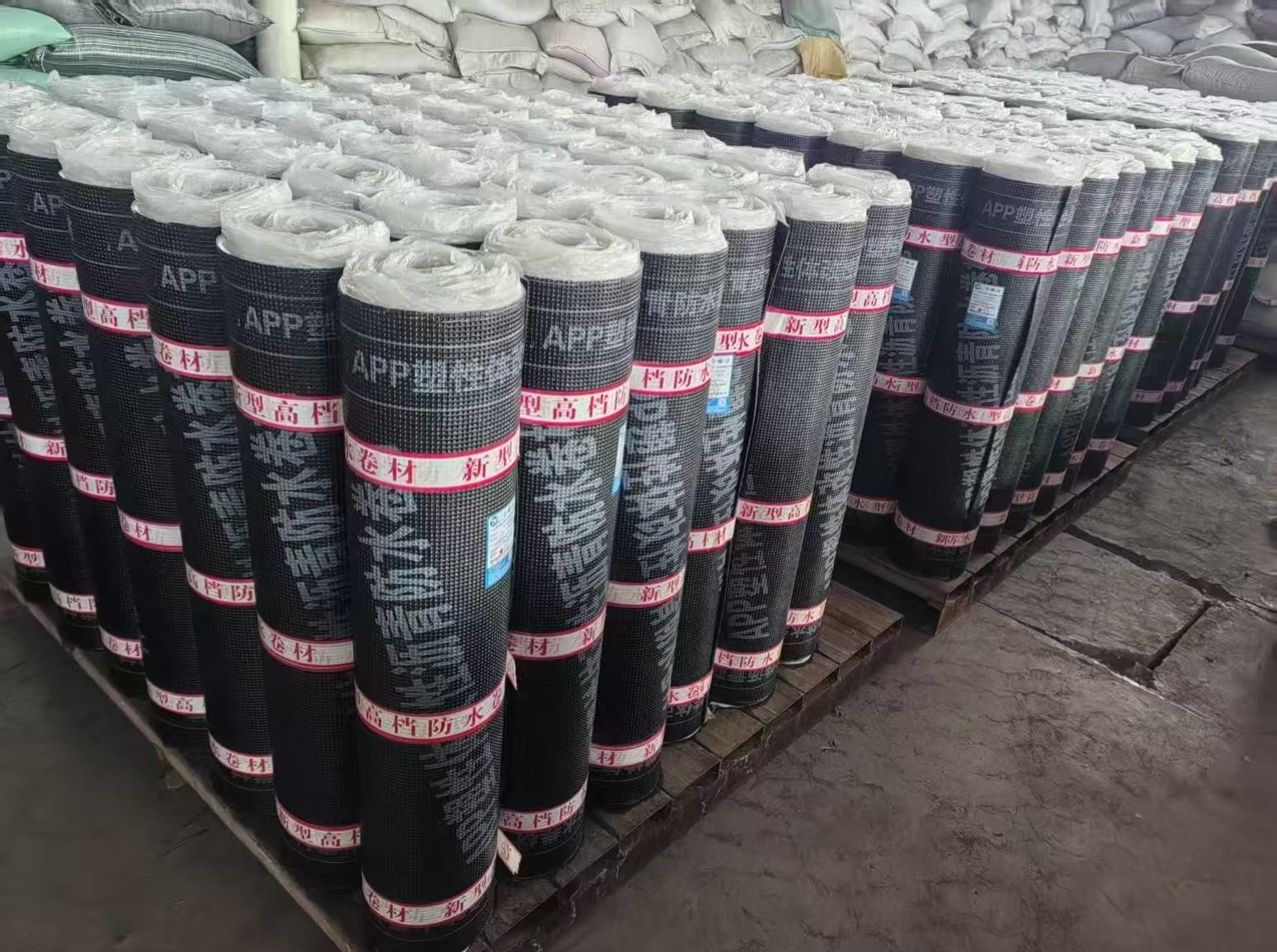
- Packing and quantity: rolls per pallet, pallet weight, and container loading. Share your target quantity so packing can be planned.
- Destination port: needed for shipping and lead-time estimates.
Because exact thickness, reinforcement, and finish depend on your climate, substrate, and local specification, share these details so the recommendation matches the project instead of a generic offer.
Questions to Prepare Before Requesting a Quotation
- What is the application area: roof, basement, tunnel, bridge, or repair?
- Is the membrane exposed or covered after installation?
- What is the climate at the project location, especially winter and summer extremes?
- What thickness and reinforcement does your specification require?
- What surface finish do you need: sand, film, or mineral?
- What is the estimated total quantity in square metres or rolls?
- What is the destination port and any packing or labelling requirement?
- Are there any fire safety restrictions on open-flame work at the site?
Common Mistakes and Selection Risks
A few recurring issues cause problems with torch on projects. Choosing SBS or APP based on price rather than climate can lead to poor performance in the wrong temperature range. Ordering a single thickness for very different areas, such as a slab and a detailed parapet, may leave weak points at transitions. Specifying torch on for metal or combustible substrates creates fire risk and often poor adhesion; a self-adhesive membrane is more appropriate there.
Buyers sometimes overlook substrate preparation and primer, which affects bonding regardless of membrane quality. Others underestimate crew training, since uneven torching can scorch the sheet or leave under-bonded overlaps. Finally, confirm packing and container loading early, because roll size and pallet configuration influence freight cost and site handling.
Conclusion
Torch on waterproofing membranes remain a dependable choice for many roofing and below-grade projects in Singapore, but the right product depends on climate, substrate, thickness, and how the membrane will be finished. If you share your project conditions and target quantity, our team can help match an SBS or modified bitumen membrane specification to your requirements and prepare an export offer. Reach out for product selection support rather than a fixed catalogue answer.