This guide is written for contractors, procurement engineers, and distributors who need to select a basement waterproofing membrane for underground structures. If you are sourcing material for a basement floor slab, retaining walls, or an underground parking level, the choices you make about membrane type, thickness, and installation method affect both cost and long-term performance.
Below we explain what buyers usually mean when they search for this material, where it is applied, and the details you should confirm before sending an inquiry. The aim is to help you specify correctly, not to push a single product.
Understanding the buyer intent behind "basement waterproofing membrane"
When buyers search for a basement waterproofing membrane, they are usually trying to solve one of a few problems. Some are building a new underground structure and need a system that works with the concrete pour sequence. Others are dealing with a wet or leaking basement and need a repair-friendly product. A third group is a distributor comparing membrane families to stock the right range for local demand.
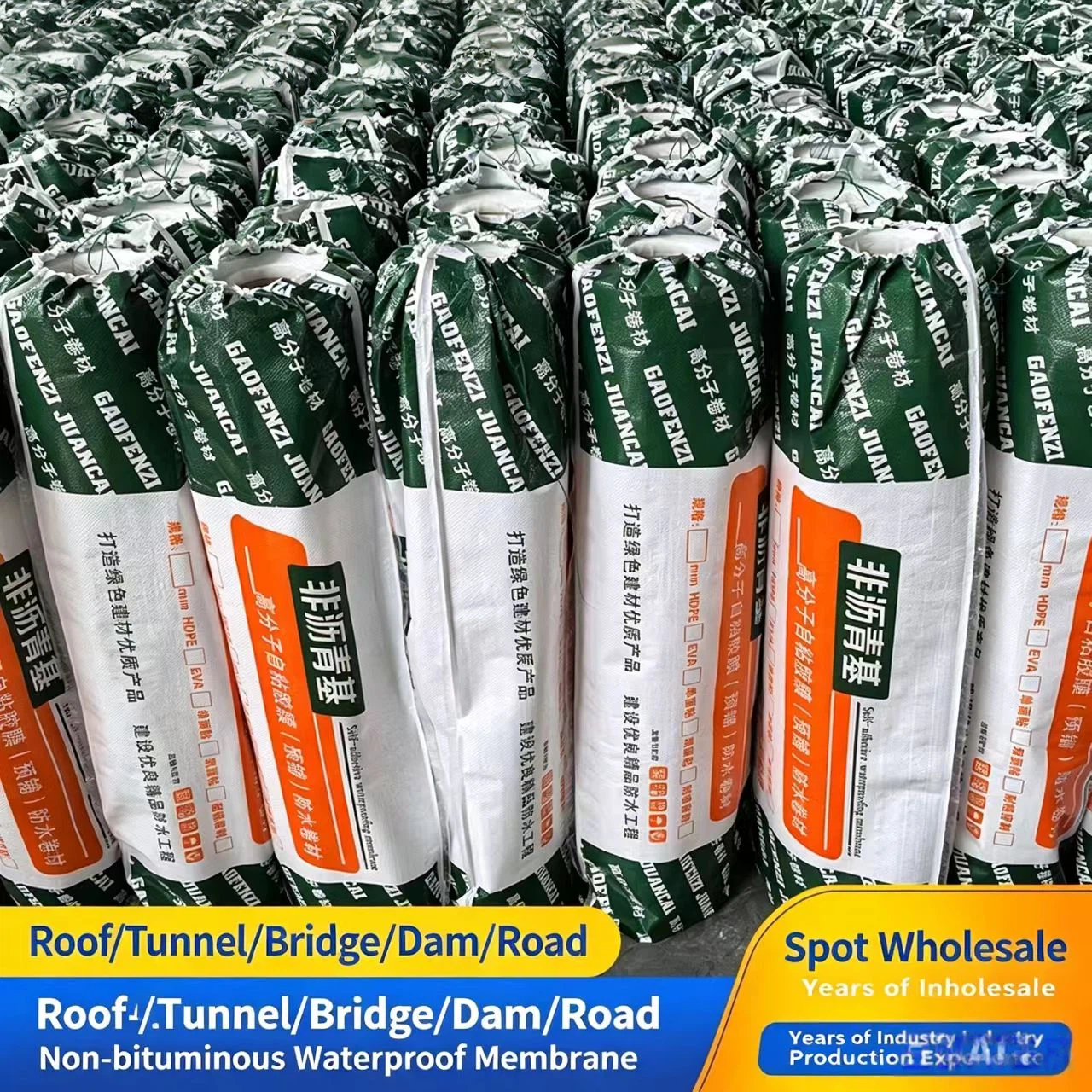
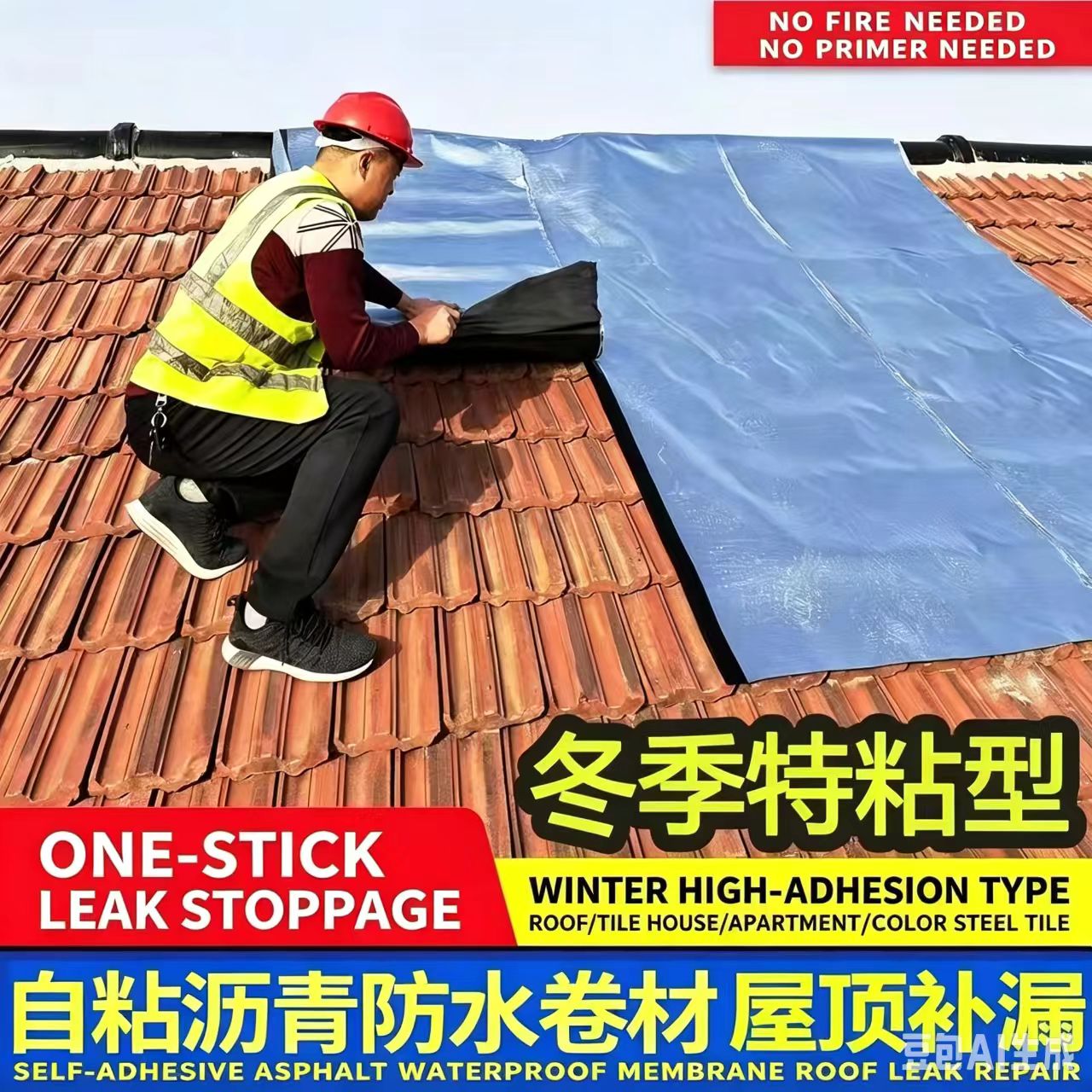
The key distinction underground is whether the membrane is applied before the concrete is cast (pre-applied) or after the structure is built (post-applied). Pre-applied anti-adhesive membranes bond to the fresh concrete to resist water tracking between the membrane and the slab. Post-applied options include self-adhesive membrane, bitumen membrane, and coatings applied to the finished surface. Knowing which situation you are in narrows the choice quickly.
Common application scenarios for basement waterproofing
Underground waterproofing covers more than a single detail. Typical scenarios include:
- Basement floor slabs and side walls: Large flat and vertical areas that often use sheet membrane systems.
- Underground parking and utility corridors: Structures where water pressure and long service exposure matter.
- Tunnels and municipal infrastructure: Where pre-applied membranes or crystalline coatings are common.
- Repair and renovation of existing basements: Often handled with coatings such as polyurethane or cement-based crystalline products on the positive or negative side.
- Joint sealing and reinforcement: Corners, pipe penetrations, and construction joints usually need a compatible coating or tape in addition to the main membrane.
A full basement system frequently combines a sheet membrane with a liquid coating at details. The correct combination depends on substrate, groundwater level, and how the structure is built.
Buyer decision table
| Project condition | Material option | What to confirm before inquiry | Notes |
|---|---|---|---|
| New structure, membrane laid before concrete pour | Pre-applied anti-adhesive self-adhesive membrane | Slab layout, pour sequence, membrane thickness, roll size | Designed to bond to fresh concrete |
| Post-applied on finished concrete walls/floor | Self-adhesive modified bitumen membrane or SBS/APP bitumen membrane | Surface condition, application method, torch vs self-adhesive | Self-adhesive avoids open flame indoors |
| Concrete structure needing integral protection | Cement-based crystalline waterproof coating | Positive or negative side, concrete quality | Penetrates into concrete substrate |
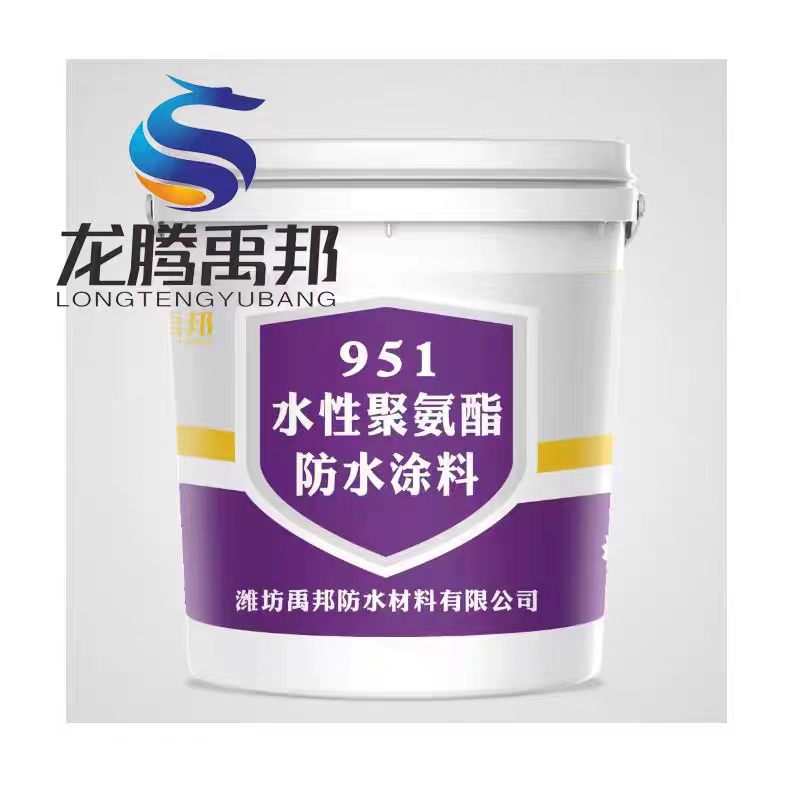
| Irregular shapes, penetrations, joint reinforcement | Polyurethane coating or non-curing rubber asphalt coating | Detail geometry, compatibility with main membrane | Often used with a sheet membrane |
| Small-scale or residential basement | K11 or JS polymer cement-based coating | Area, substrate, indoor conditions | Suited to smaller works |
How to choose specifications
Once you know the membrane family, the specification details determine the actual quotation. For sheet membranes, confirm thickness (for example whether the project calls for a heavier gauge on the floor slab than on walls), roll width and length, surface finish, and whether the membrane needs reinforcement such as a polyester carrier. The installation method matters too: torch-applied bitumen membrane, self-adhesive, or pre-applied all require different site handling.
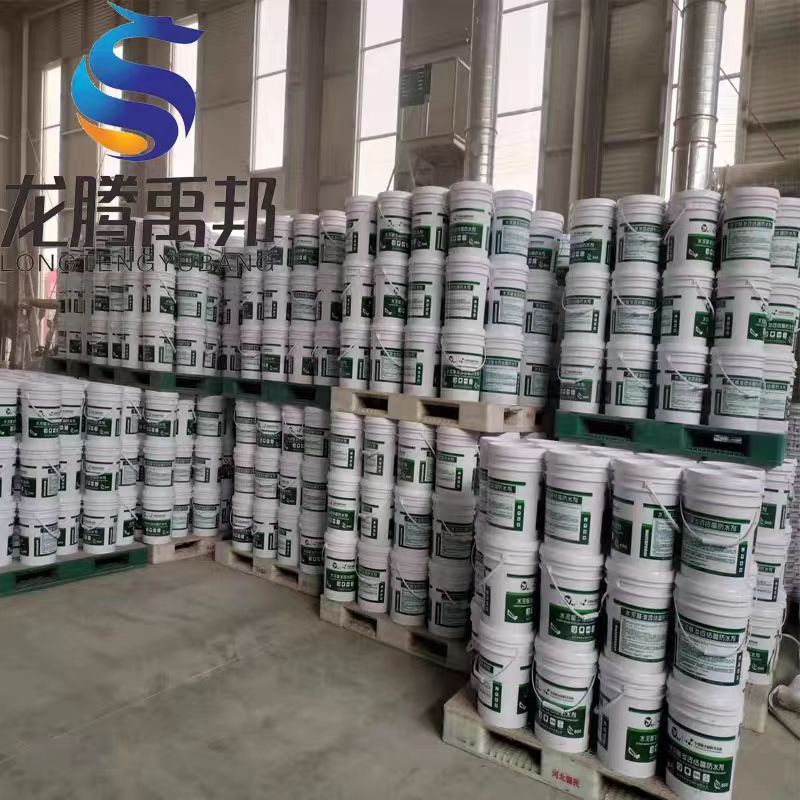
For coatings, confirm single or double component, coverage rate expectations, and whether it will be used as the main layer or only for detailing. On the logistics side, clarify packing, order quantity, and destination port so palletizing and container loading can be planned. Climate at the destination and the local specification may also influence which membrane type is appropriate, so these should be shared early.
Questions to prepare before requesting a quotation
- Is the membrane applied before or after the concrete is cast?
- What are the total floor and wall areas to be covered?
- What thickness or grade does your specification require?
- Is open-flame torch application allowed on site, or is self-adhesive preferred?
- What is the groundwater condition and expected water pressure?
- Do you need matching detail products for joints and penetrations?
- What are your packing preferences, order quantity, and destination port?
Common mistakes and selection risks
A frequent error is choosing a membrane by price alone without checking whether it suits pre-applied or post-applied use. A pre-applied product placed on a finished wall, or a standard membrane used where anti-adhesive bonding is required, can lead to water tracking. Another risk is ignoring detail work: the main sheet may be sound, but leaks often start at corners, construction joints, and pipe penetrations that were not reinforced.
Buyers also sometimes overlook site conditions. Torch-applied membranes may not be suitable in confined basements where open flame is restricted. Finally, confirming thickness and roll size only after ordering can cause coverage shortfalls, so these should be agreed before production.
Getting the right selection support
Basement waterproofing is a system decision, not a single product pick. If you share your structure type, application method, and site conditions, we can help you compare suitable membrane and coating options and confirm the specifications that fit your project. Reach out with your project details for a tailored recommendation rather than a generic quote.