This guide is written for waterproofing contractors, distributors, and procurement engineers who need a reliable bathroom waterproofing membrane or coating system for residential and commercial projects. It focuses on how to match the product to the substrate, how to read specifications, and what information a supplier needs to give you an accurate quotation.
Bathrooms are small areas with complex detailing: floor drains, pipe penetrations, wall-to-floor corners, and constant moisture exposure. The right decision depends less on brand claims and more on substrate condition, tile finishing method, and how the product will be applied on site.
Understanding the buyer intent behind "bathroom waterproofing membrane"
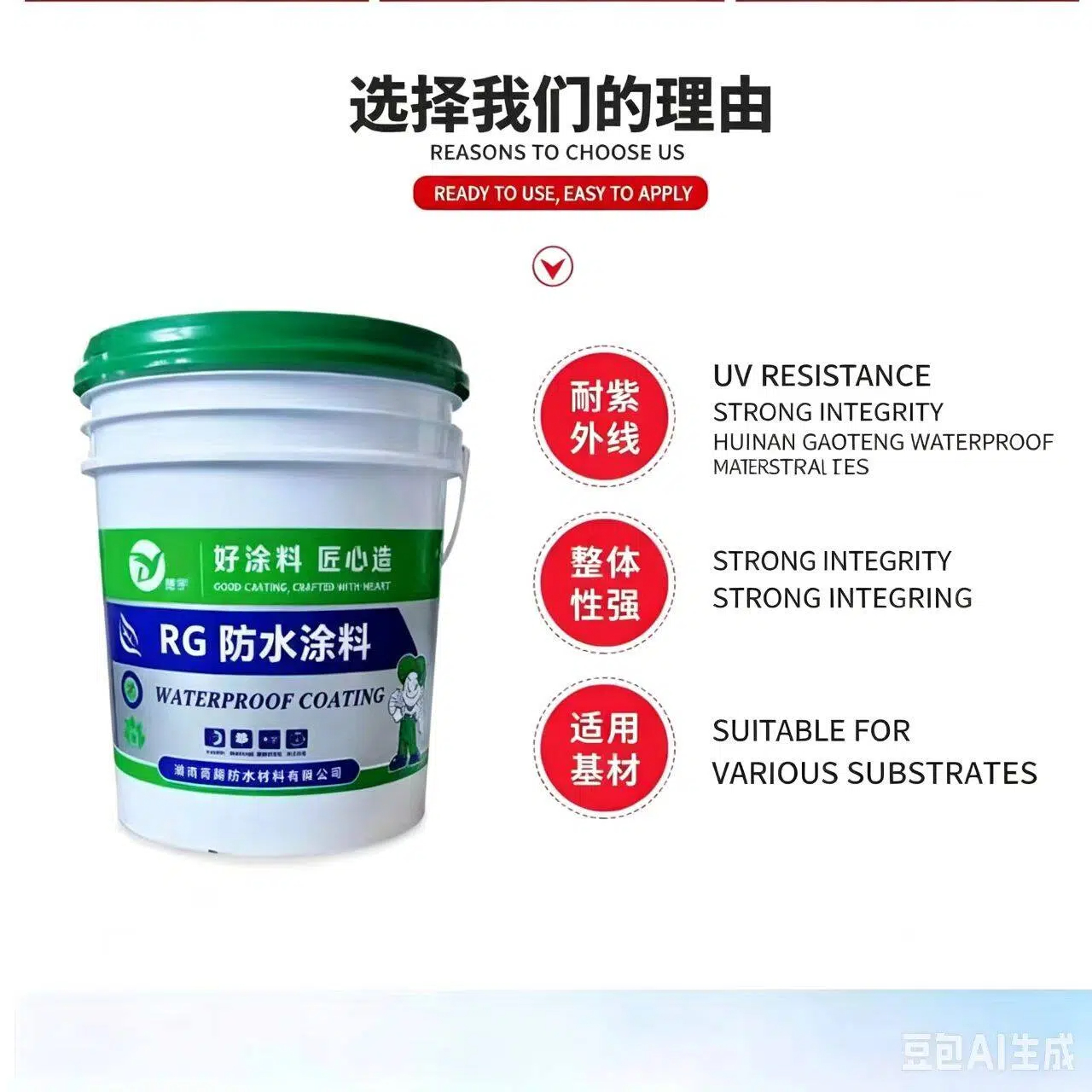
When buyers search for a bathroom waterproofing membrane, they are usually not looking for a large roll roofing product. In wet-area interiors, the practical solution is often a liquid-applied waterproof coating or a self-adhesive layer, combined with reinforcement at joints and corners. The term "membrane" here can mean a formed film created by a coating, a sheet product, or a hybrid system under tiles.
So the real intent is: which material forms a continuous, flexible, water-tight layer under tile or on the substrate of a small wet area, and can it be installed reliably by local labor. Confirming this intent early avoids ordering the wrong product category.
Common application scenarios in wet areas
Bathrooms rarely use a single product across the whole area. Understanding the zones helps you specify correctly.
- Floor slabs and shower zones: continuous coating or self-adhesive membrane before screed and tiling.
- Wall-to-floor corners and pipe penetrations: reinforcement with tape or fabric plus extra coating passes.
- Balconies and adjacent kitchens: similar systems, often specified together for one project.
- Repair and renovation: re-waterproofing over old substrates where open-flame work is not allowed.
For interior wet areas, avoid torch-applied bitumen products indoors. Cold-applied coatings, self-adhesive layers, and cement-based systems are generally more suitable for enclosed spaces.
Buyer decision table for bathroom waterproofing
| Project condition | Material option | What to confirm before inquiry | Notes |
|---|---|---|---|
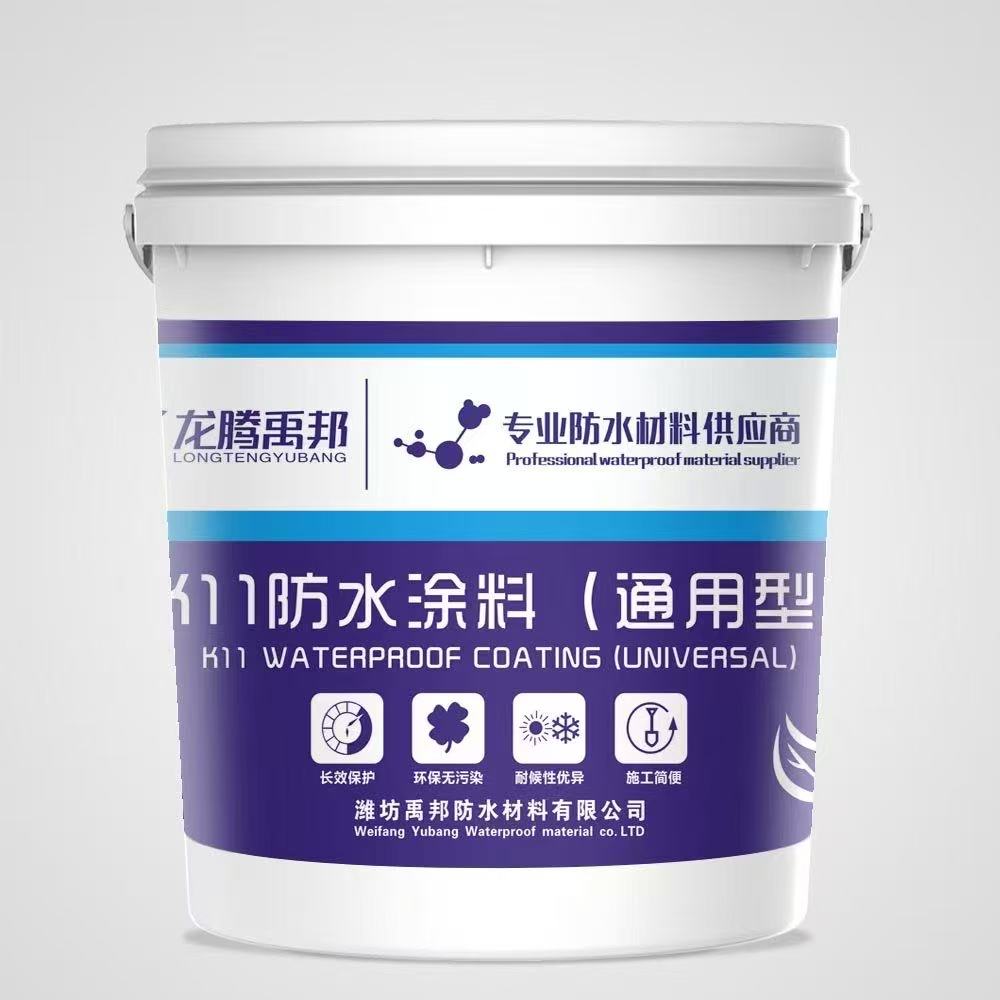
| Tiled bathroom floor and walls, residential | Polymer cement-based (JS) waterproof coating or K11 waterproof mortar | Substrate type, area in m², number of coats, tile bonding method | Good compatibility under tile adhesive; confirm flexible vs rigid grade |
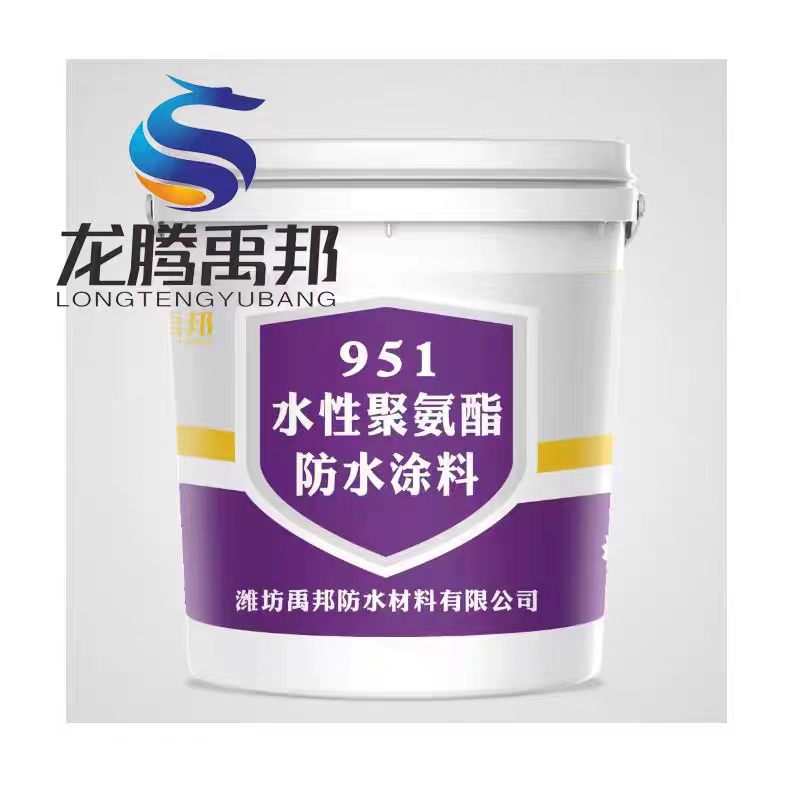
| Areas with movement or fine cracks | Polyurethane waterproof coating | Single or double component, cure time, ventilation on site | More elastic; confirm indoor use and drying conditions |
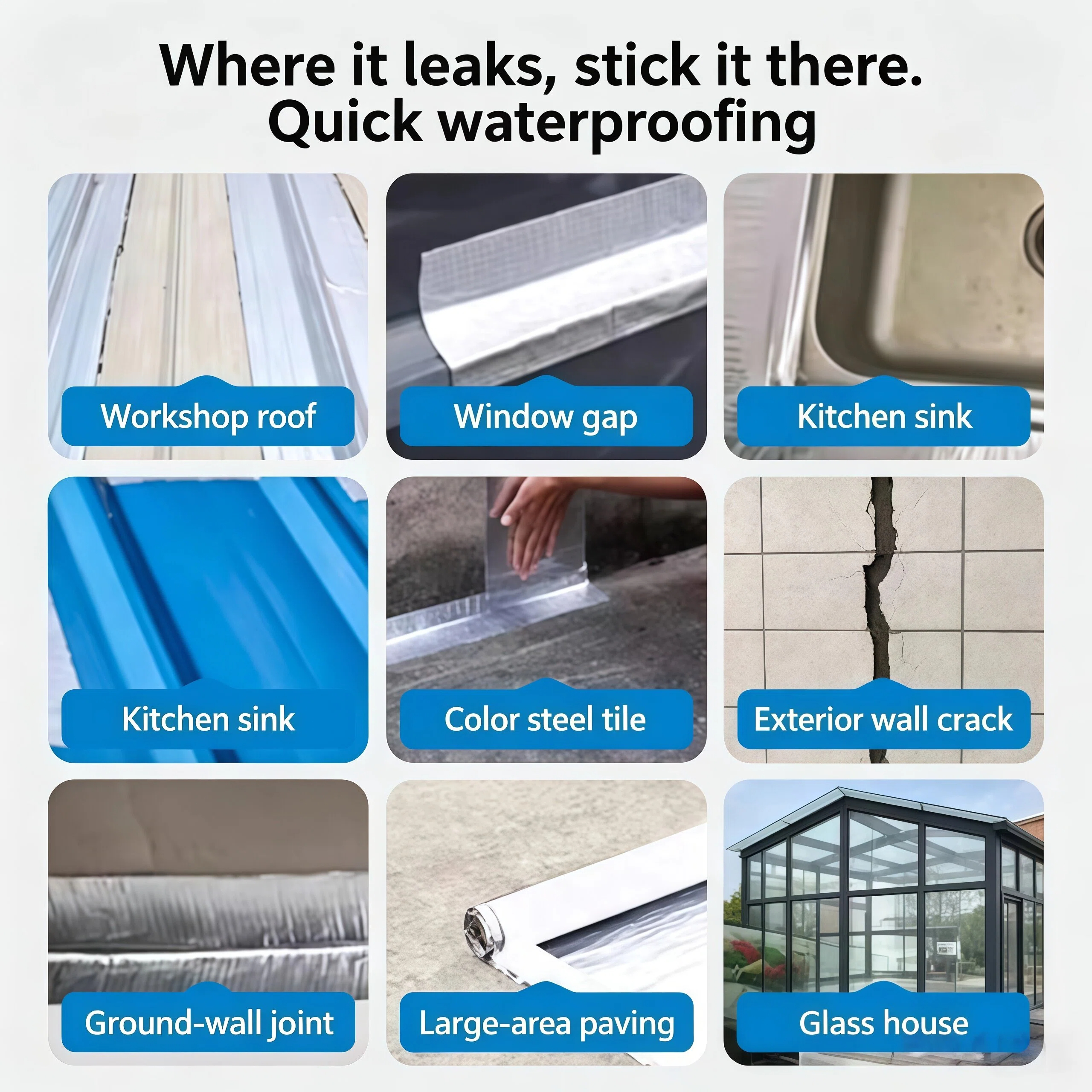
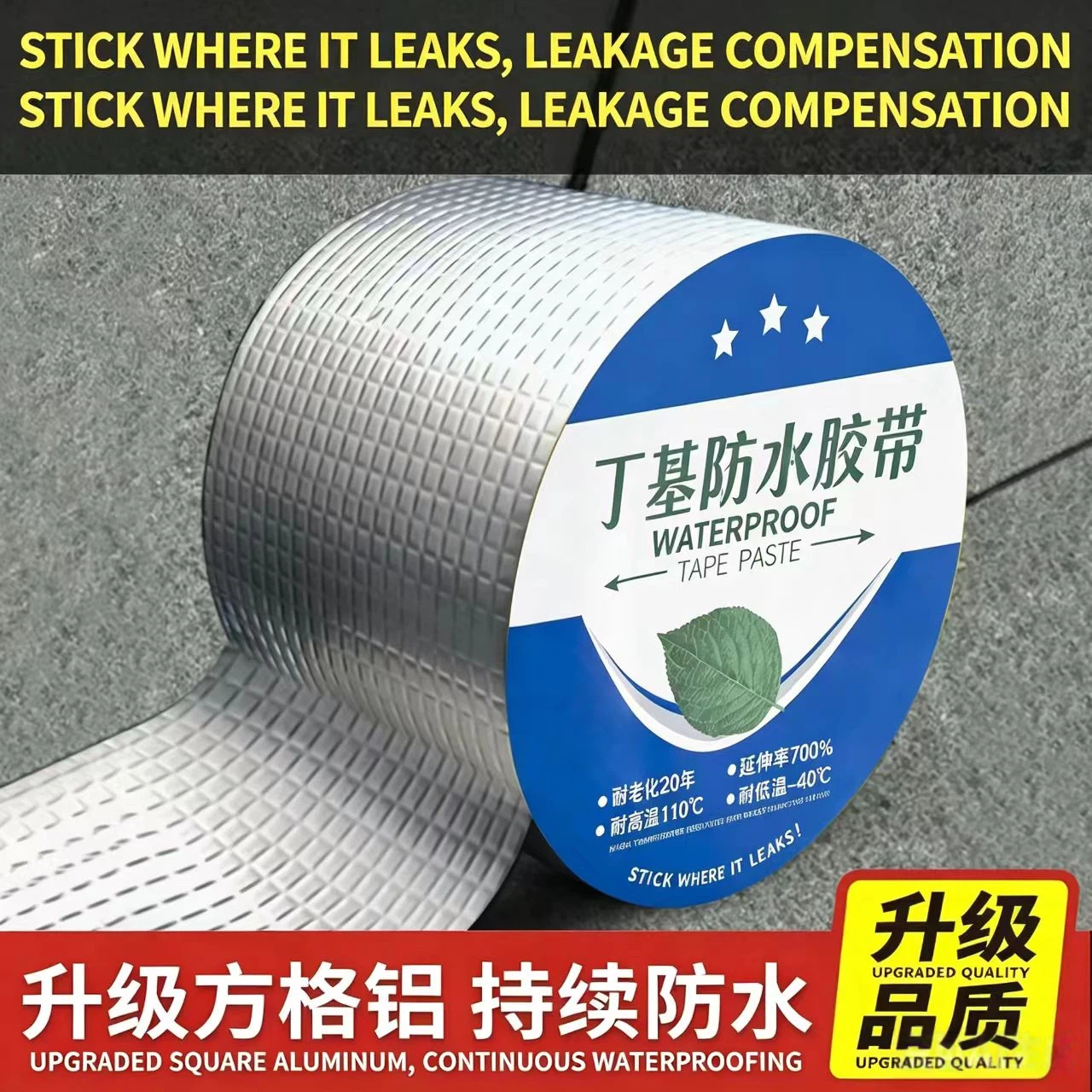
| Corners, drains, pipe joints | Butyl rubber self-adhesive tape with fabric reinforcement | Joint width, number of penetrations | Used as detail reinforcement, not a full-area product |
| No open flame allowed, sheet system preferred | Self-adhesive modified bitumen membrane | Thickness, roll size, primer requirement, substrate | Confirm indoor suitability and finishing layer |
| Light repair or seepage on old surfaces | Acrylic elastic or silicone waterproof coating | Existing surface condition, exposure to water | Best for renovation and touch-up work |
How to choose specifications
For coatings, the key figures are consumption per square meter, number of coats, film thickness after curing, and mixing ratio for two-component products. For any sheet or self-adhesive membrane, confirm thickness, roll width and length, surface finish, and whether a primer is required on the substrate.
Because interior areas are small, packing and shipping efficiency matter. Discuss pail sizes, bag weights, or roll counts per pallet, total quantity for the project, and your destination port. Actual coverage depends on substrate roughness and application method, so treat any coverage figure as a guideline to be confirmed for your project.
Match the product to labor and site conditions
If site labor is limited or unskilled, a straightforward coating with clear coats may be easier than a sheet system that needs careful lapping. Ventilation, drying time, and tile schedule also affect which product fits the construction sequence.
Questions to prepare before requesting a quotation
- What is the substrate: concrete, screed, existing tile, or gypsum board?
- Total wet-area size in square meters, and number of bathrooms or units.
- Will tiles be applied over the waterproofing layer?
- Is open-flame installation allowed indoors? (Usually not.)
- Preferred system: liquid coating, self-adhesive membrane, or cement-based product?
- Required film thickness or number of coats per local specification.
- Packing preference, total quantity, and destination port.
- Any local standard or project specification the product must meet.
Common mistakes and selection risks
Several avoidable errors come up in wet-area waterproofing procurement:
- Ignoring detailing: most leaks start at drains, corners, and pipe penetrations, not in the flat field. Budget for reinforcement tape or fabric.
- Choosing a rigid product where movement exists: rigid cement-based coatings can crack if the substrate moves; a flexible grade may be needed.
- Applying too thin: a coating below the recommended film thickness will not perform. Confirm coverage and coats.
- Poor tile adhesion: not all membranes accept tile adhesive directly. Confirm compatibility before ordering.
- Assuming a roofing membrane fits interiors: torch-applied products are generally unsuitable inside bathrooms.
Get product selection support
Bathroom waterproofing is a system, not a single item. If you share your substrate, tiling plan, project size, and destination, we can help you compare a coating, self-adhesive membrane, or cement-based option and prepare a specification that matches your site conditions. Send your project details and we will suggest a suitable configuration to quote.