This guide is written for importers, waterproofing contractors, procurement engineers, and distributors who need to source bitumen membrane for roofing, basements, and civil construction projects. If you are comparing product options or preparing an inquiry, the goal here is to help you match the right membrane to your project rather than push a single item.
Bitumen membrane remains one of the most widely used waterproofing materials for both new construction and repair. Because the category covers several formulations and surface finishes, the correct choice depends on climate, substrate, installation method, and how the roof or structure will be used.
Understanding buyer intent behind "bitumen membrane"
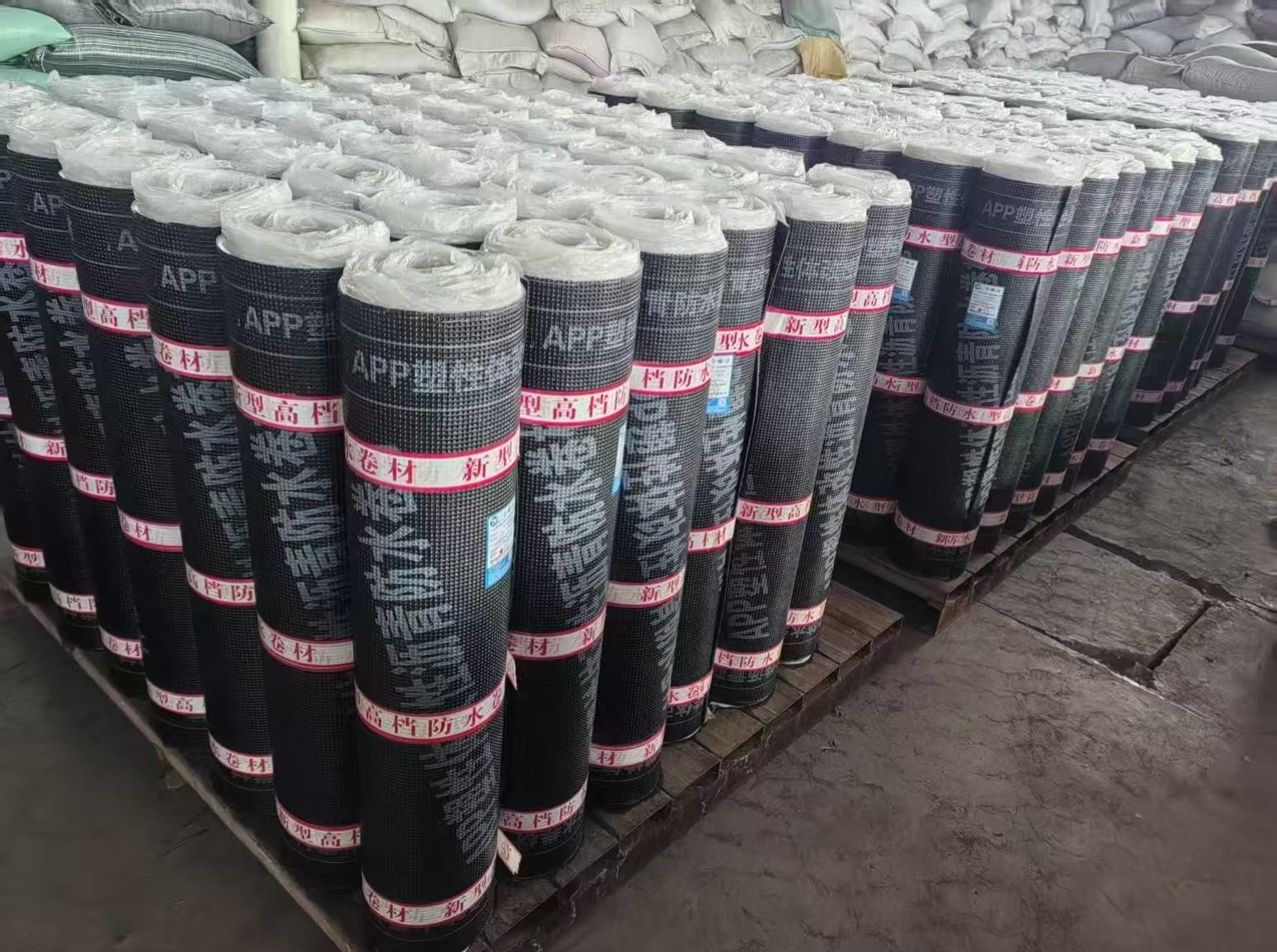
When buyers search for bitumen membrane, they usually mean a modified bitumen waterproof membrane, most often APP membrane or SBS membrane. The intent is rarely about one fixed product. Instead, buyers are trying to decide which modification type, thickness, and reinforcement suit their project, and what to confirm before asking a supplier for pricing.
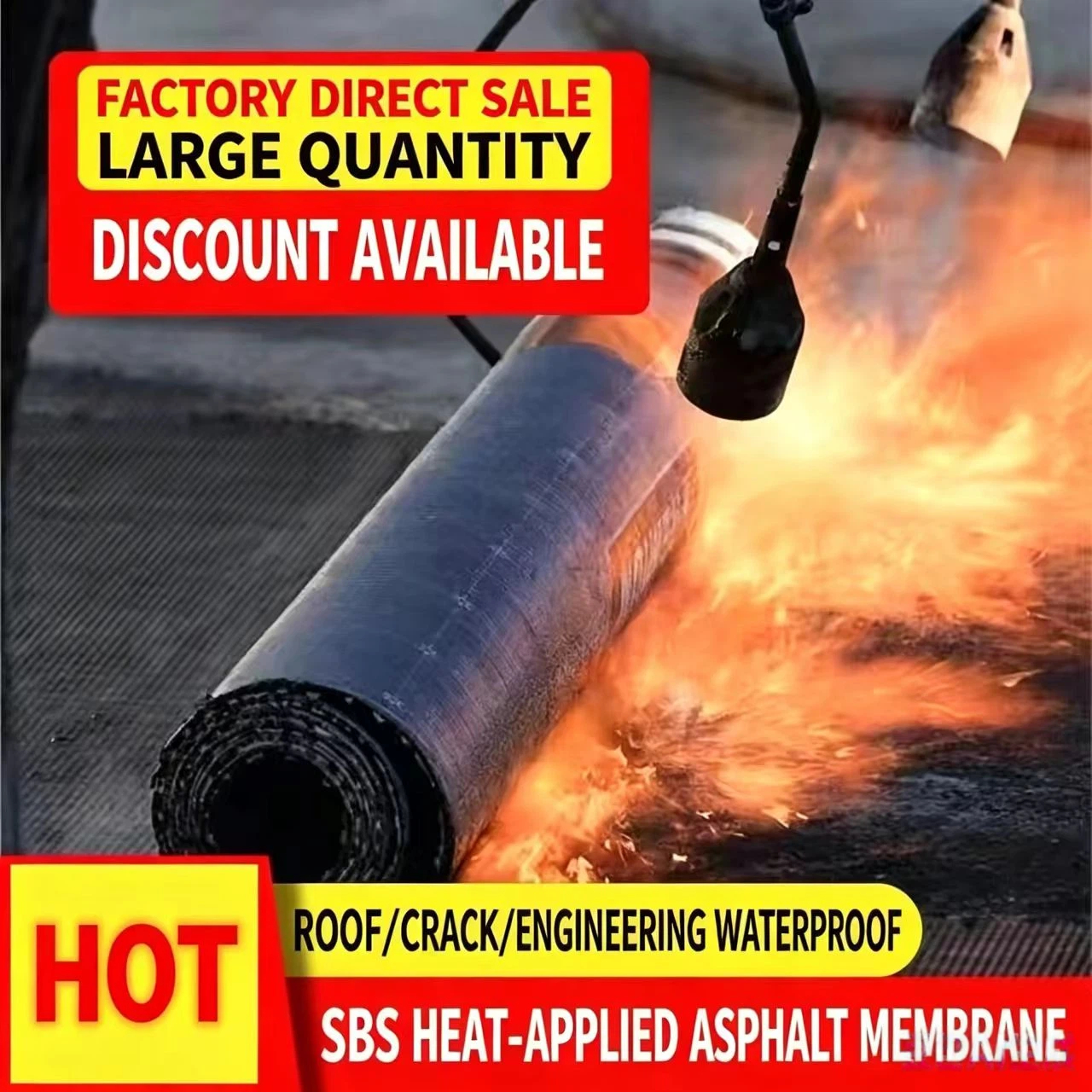
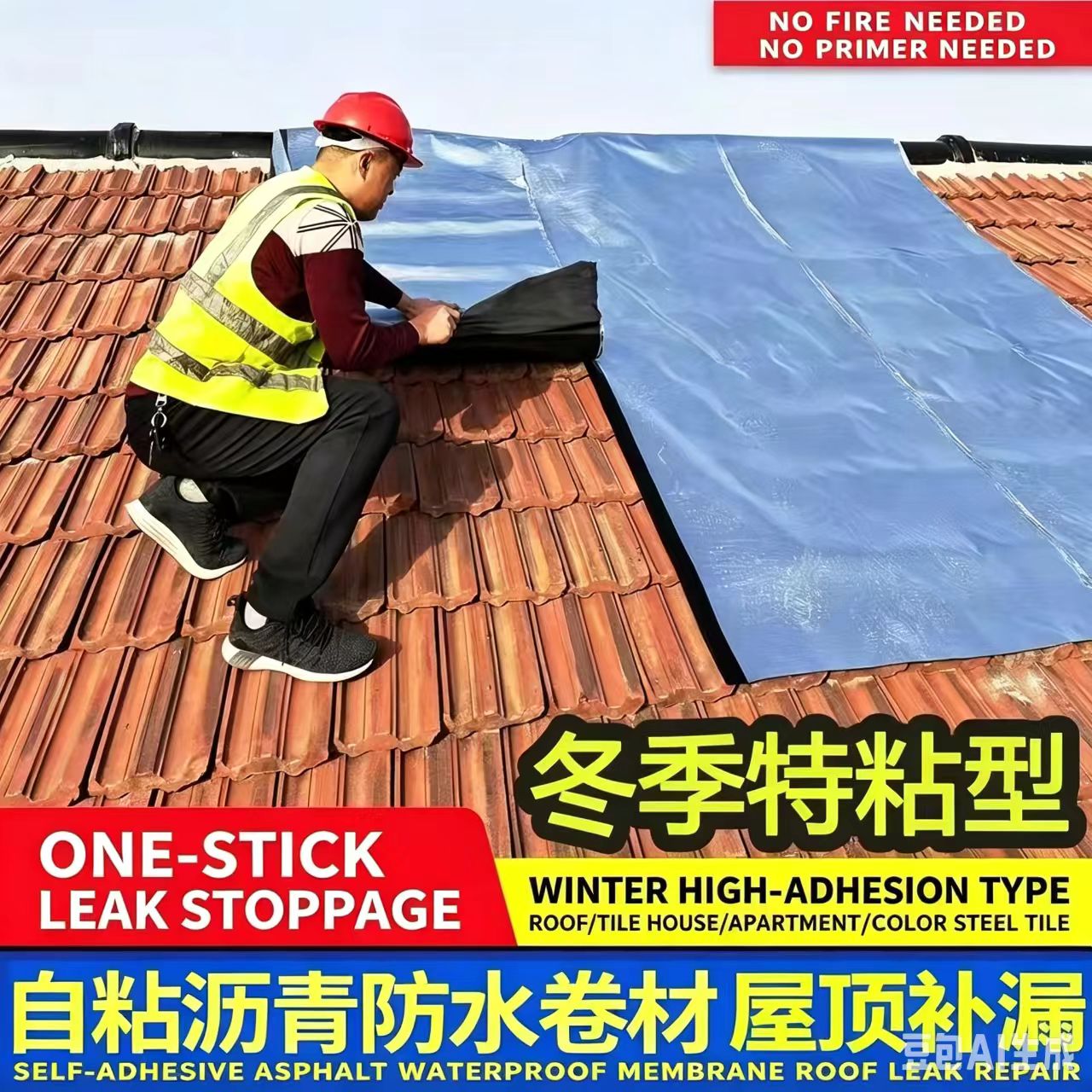
APP membrane is generally associated with hot climates and torch-applied roofing waterproofing, while SBS membrane is often selected for colder regions because of its low-temperature flexibility. Self-adhesive membrane variants are chosen when open flame is not permitted on site. Confirming these conditions early avoids mismatched quotations.
Common application scenarios
Bitumen membrane is applied across a wide range of projects. The typical scenarios include:
- Exposed and covered roofs on industrial and civil buildings, where surface finish and UV exposure matter.
- Basement waterproofing, including floors and walls, where installation method and substrate condition drive the choice.
- Tunnels and bridges, where durability and detailing at joints are important.
- Municipal infrastructure, such as utility corridors and civil concrete structures.
- Repair and renovation of existing roofs, often using self-adhesive membrane where torching is unsuitable.
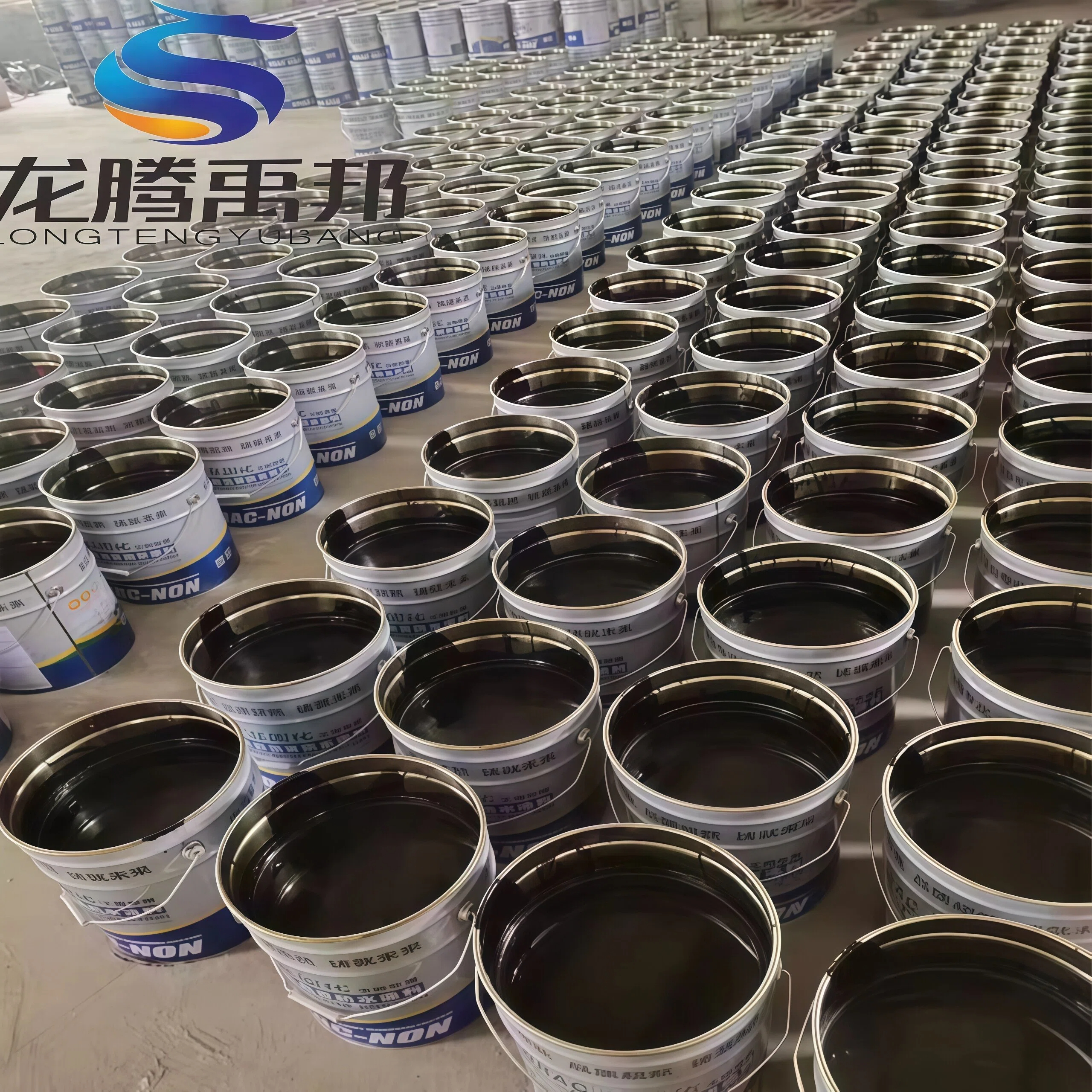
For local repairs at overlaps, pipe openings, or cracks, a self-adhesive tape is often used alongside sheet membrane. Non-curing rubber asphalt coating is also common for joint sealing and reinforcement when combined with membrane.
Buyer decision table
| Project condition | Material option | What to confirm before inquiry | Notes |
|---|---|---|---|
| Hot or high-temperature region, torch-applied roof | APP modified bitumen membrane | Thickness, surface finish, roof area | Common for exposed roofing where heat resistance is a priority |
| Cold region, needs low-temperature flexibility | SBS modified bitumen membrane | Thickness, exposed or covered use, climate range | Often selected where flexibility at low temperature is required |
| Open flame not permitted on site | Self-adhesive modified bitumen membrane | Substrate type, primer needs, ambient temperature | Suitable for renovation and enclosed areas |
| Underground basement, pre-applied method | Pre-applied anti-adhesive self-adhesive membrane | Structure detail, pour sequence | Designed for below-grade construction |
| Joint sealing and reinforcement | Non-curing rubber asphalt coating | Compatibility with chosen membrane | Used together with sheet membrane, not alone |
How to choose specifications
Once the modification type is clear, specification details determine the final quotation. Confirm the following with your project drawings or local specification:
- Thickness: commonly specified in millimeters; heavier thickness is often used for exposed roofs and structural protection.
- Roll width and length: affects labor, overlap, and total area coverage.
- Surface finish: mineral, sand, film, or foil surface options depend on exposure and following layers.
- Reinforcement: polyester or fiberglass carriers behave differently under stress and temperature.
- Installation method: torch-applied, self-adhesive, or mechanically fixed, which must match site conditions.
- Packing and quantity: rolls per pallet, container loading, and total order volume.
- Destination port: needed for accurate freight and lead time planning.
Because performance depends on the combination of these factors, specification details should be confirmed rather than assumed. When project requirements are unclear, share the drawings and ask for selection support.
Questions to prepare before requesting a quotation
- What is the application area: roof, basement, tunnel, bridge, or repair?
- Is the surface exposed or covered by another layer?
- What is the climate at the project location, especially temperature extremes?
- Which installation method will the contractor use on site?
- What thickness and reinforcement does the local specification require?
- What is the total quantity and required delivery timeline?
- Which destination port should be used for the quotation?
Providing these details in the first message shortens back-and-forth communication and produces a more accurate offer.
Common mistakes and selection risks
A few recurring issues cause problems in export orders:
- Choosing APP membrane for very cold climates, or SBS membrane without checking heat exposure, instead of matching the modification type to temperature conditions.
- Ordering torch-applied membrane for sites where open flame is restricted, when a self-adhesive membrane would be required.
- Overlooking surface finish, which affects UV exposure and adhesion of following layers.
- Ignoring detailing materials such as tape or non-curing coating for joints and penetrations.
- Requesting a price without confirming thickness, quantity, or destination, which leads to quotations that cannot be compared fairly.
Getting the right selection support
Bitumen membrane covers several products, and the right one depends on your climate, substrate, and installation method. If you are still deciding between APP membrane, SBS membrane, or a self-adhesive option, share your project details and we can help match a specification. The aim is a suitable, well-documented order, not a rushed purchase.