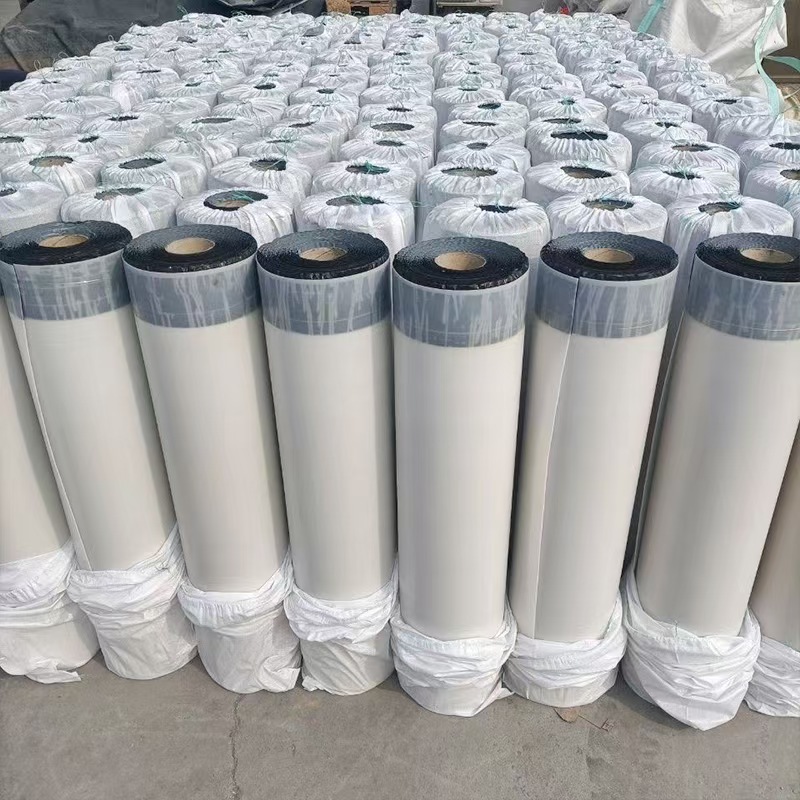
This guide is written for importers, waterproofing contractors, procurement engineers, and distributors who need to source bitumen waterproofing for roofing, basement, tunnel, or municipal projects. It focuses on how to match a membrane to your project conditions and how to prepare a clear inquiry so suppliers can quote accurately the first time.
If you are comparing SBS membrane, APP membrane, and self-adhesive options, or deciding between exposed and non-exposed systems, the sections below help you narrow choices based on substrate, climate, and installation method rather than guesswork.
Understanding the buyer intent behind bitumen waterproofing
People searching for bitumen waterproofing usually fall into a few groups. Some need a full membrane system for a new roof or basement. Others are sourcing repair-grade products for old structures. Distributors often want a stable product line with standard roll sizes for their local market.
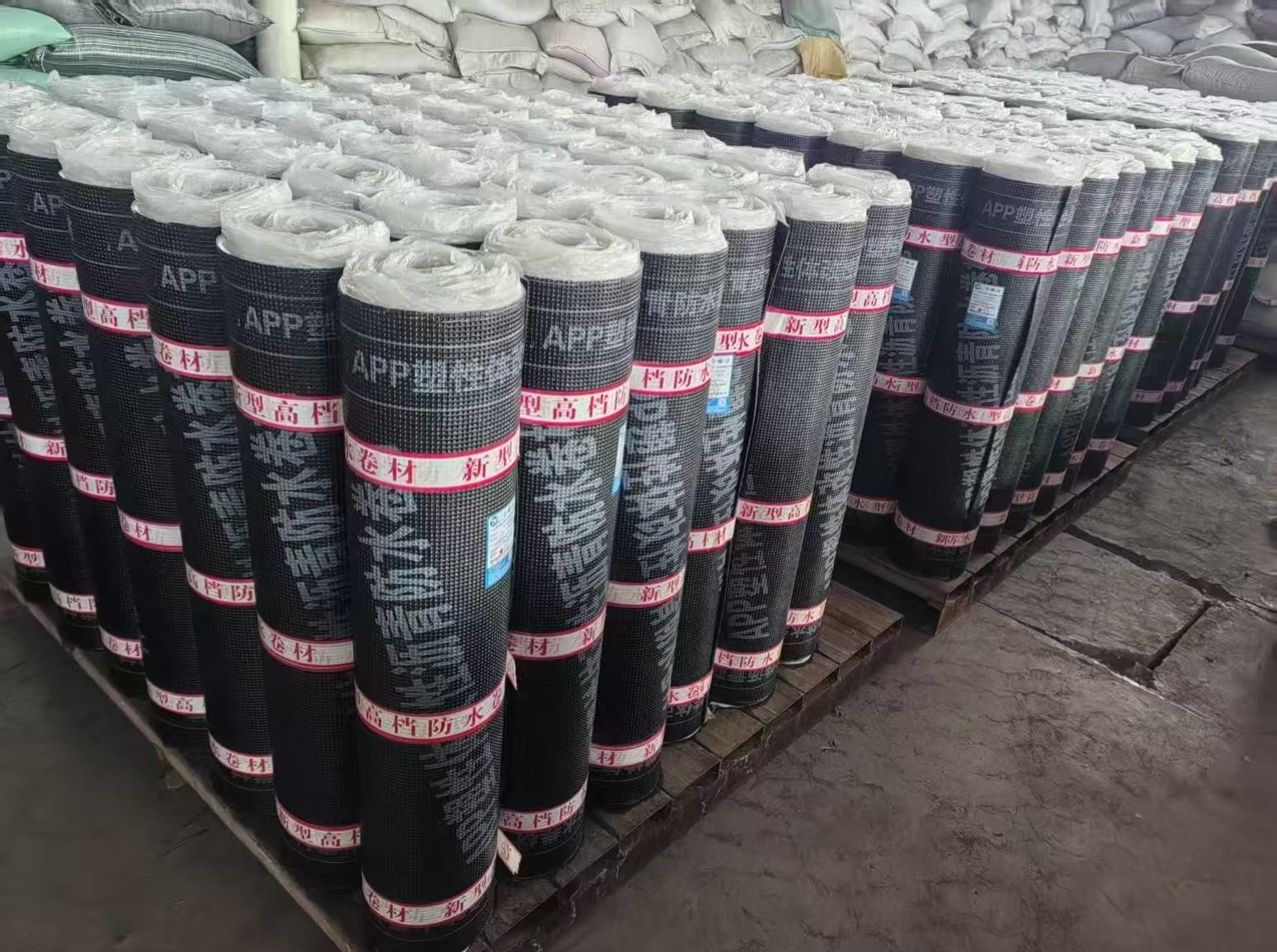
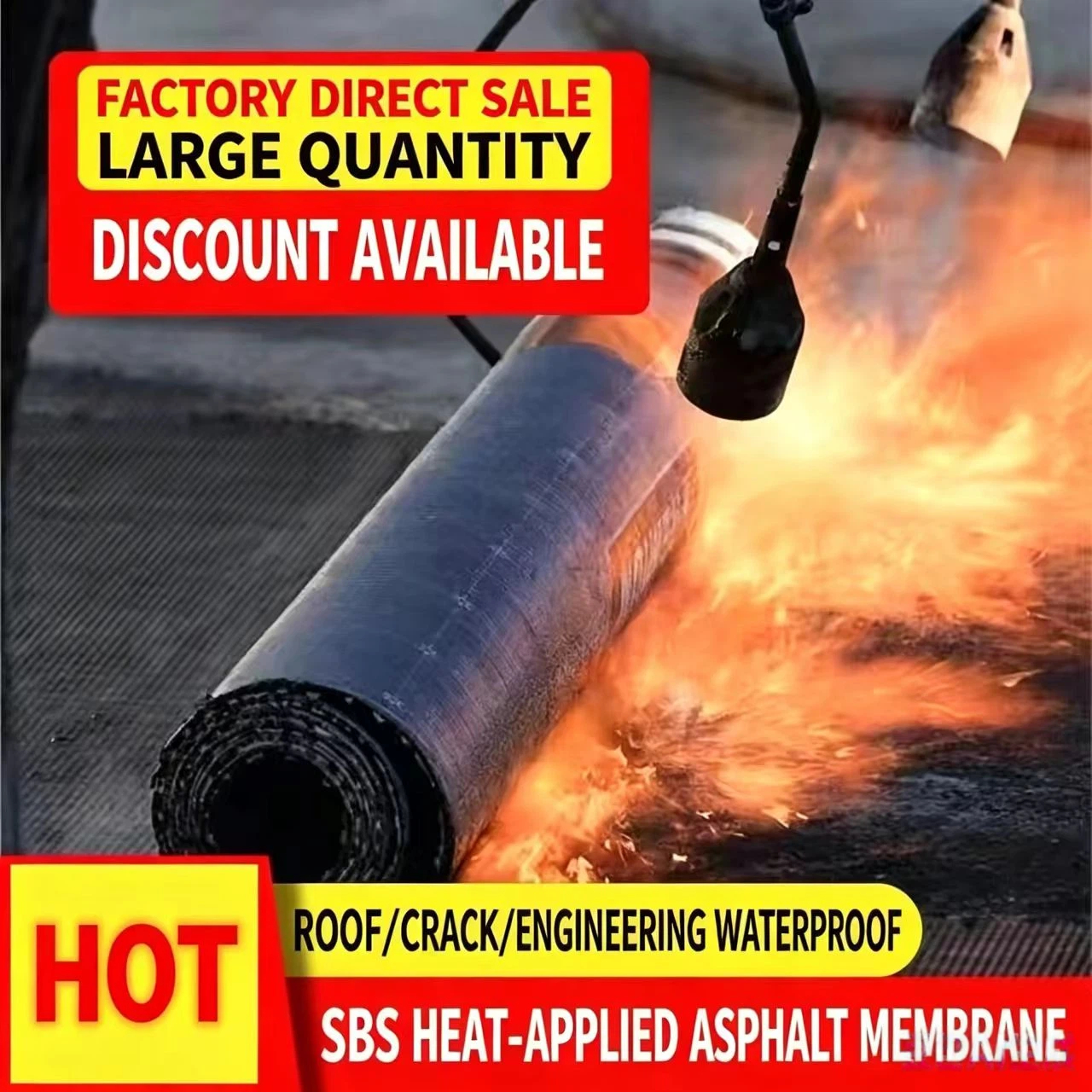
The term covers several material families. Modified bitumen membranes are reinforced sheets installed by torch, hot air, or self-adhesive backing. There are also bitumen-based coatings used for joint sealing and reinforcement. Knowing which form you need, sheet or liquid, is the first step before any technical comparison.
Common application scenarios
Bitumen waterproofing is used across many construction and infrastructure projects. The right choice depends on exposure, temperature, and how the surface will be loaded after installation.
- Exposed and protected roofs: Reinforced bitumen membrane is common for both flat and low-slope roofs, with surface finish selected for UV exposure.
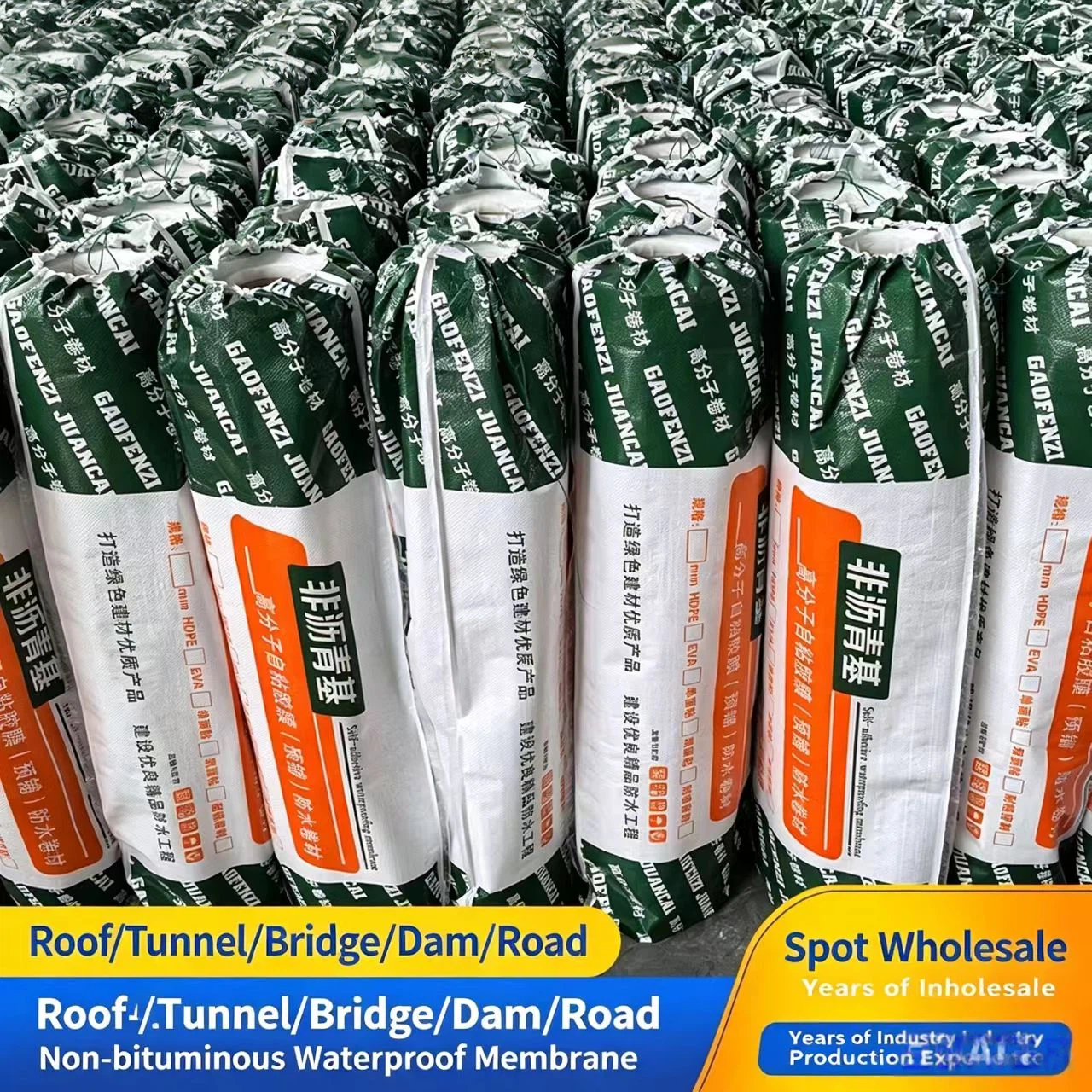
- Basements and underground walls: Pre-applied or post-applied membranes are used depending on construction sequence and whether the structure is poured against the membrane.
- Tunnels, bridges, and municipal works: Heavier reinforced membranes are often specified for structural and traffic-related demands.
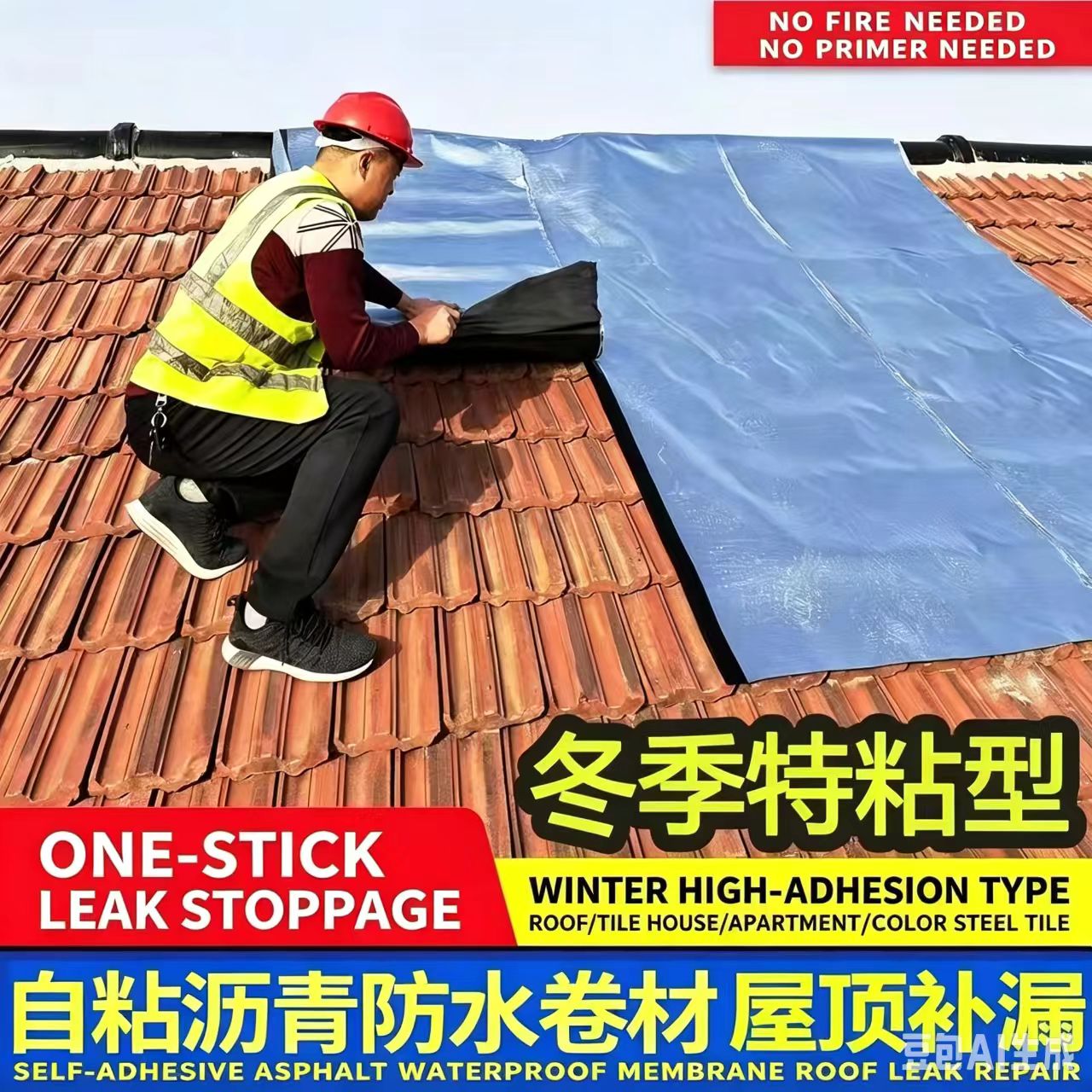
- Metal and color steel roofs: Self-adhesive membranes designed for metal substrates are used for new builds and renovation.
- Repair work: Self-adhesive sheets, butyl tapes, and non-curing coatings are used for cracks, overlaps, and detailing.
Bitumen waterproofing buyer decision table
| Project condition | Material option | What to confirm before inquiry | Notes |
|---|---|---|---|
| Hot or high-temperature region, exposed roof | APP-type modified bitumen membrane | Thickness, surface finish, slope, UV exposure | Surface finish should be confirmed for direct sun exposure. |
| Cold region roof or basement | SBS modified bitumen membrane | Thickness, exposed or covered, substrate type | SBS is often selected for low-temperature flexibility. |
| No open flame allowed on site | Self-adhesive modified bitumen membrane | Substrate, primer needs, ambient temperature | Suitable where torching is restricted. |
| Pre-applied underground construction | Pre-applied anti-adhesive self-adhesive membrane | Construction sequence, concrete pour method | Designed to bond to later-poured concrete. |
| Metal or color steel roof | Self-adhesive membrane for color steel tiles | Substrate cleaning, overlap details | Confirm compatibility with the metal profile. |
| Joint sealing and reinforcement | Non-curing rubber asphalt coating | Compatible membrane, application thickness | Often used together with sheet membranes. |
How to choose specifications
Once the material family is clear, specification details determine performance and price. Confirm these points with your engineer or supplier before ordering.
- Thickness: Common membrane thickness varies by application. Heavier sections are usually specified for underground or trafficked areas. Match thickness to your local specification rather than assuming one value.
- Roll width and length: Standard sizes affect labor and waste. Confirm the dimensions that suit your project and storage.
- Surface finish: Options such as mineral, film, or sand surfaces relate to exposure and overlay. Confirm whether the membrane is exposed or covered.
- Reinforcement: Polyester and fiberglass carriers behave differently. Discuss which carrier matches your loading and flexibility needs.
- Installation method: Torch-applied, hot-air, or self-adhesive systems require different site conditions. Confirm what is allowed on your site.
- Packing, quantity, and destination port: Container loading, pallet configuration, and protection during transit should be confirmed against your order volume and destination port.
Questions to prepare before requesting a quotation
Clear answers to these questions help a supplier quote the correct product and avoid revisions later.
- What is the application: roof, basement, tunnel, bridge, or metal roof?
- Will the membrane be exposed or covered after installation?
- What is the project climate, including high and low temperature ranges?
- What thickness, roll size, and surface finish does your specification require?
- Which installation method is allowed on site, torch, hot air, or self-adhesive?
- What is the total quantity, target packing, and destination port?
- Do you need matching coatings or tapes for joints and detailing?
Common mistakes and selection risks
A few recurring issues cause delays and on-site problems for buyers.
- Ordering by thickness alone without confirming reinforcement and surface finish.
- Choosing a torch-applied membrane for a site where open flame is not permitted.
- Ignoring climate, since membranes selected for one temperature range may not suit another.
- Overlooking detailing materials, which leaves joints and penetrations unprotected.
- Skipping packing and transit protection details, which can lead to damage on arrival.
Conclusion
Bitumen waterproofing covers a wide range of membranes and coatings, and the right choice depends on your substrate, climate, exposure, and installation method. The most useful next step is to share your project conditions and specification so a supplier can recommend a suitable product and packing. If you are unsure which membrane fits your project, ask for product selection support and request samples or technical data before placing an order.