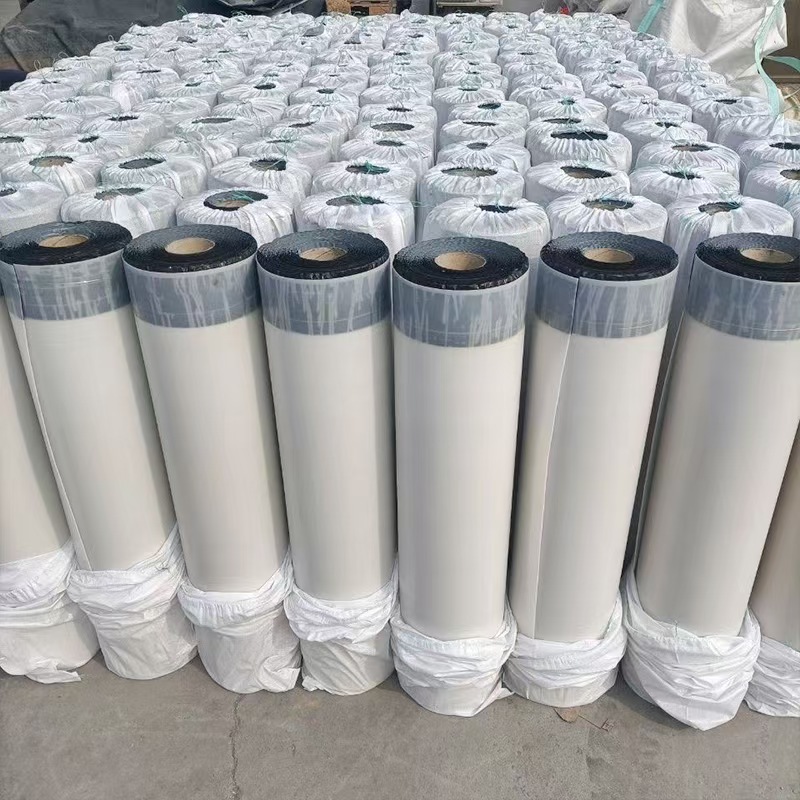
This guide is written for importers, waterproofing contractors, procurement engineers, and distributors who need to specify or purchase bituminous waterproofing for roofs, basements, tunnels, bridges, and other structures. It focuses on practical decisions: which type fits your project, what specifications to confirm, and how to communicate clearly when requesting a quotation.
If you are comparing bitumen membrane against polymer systems, or simply trying to understand whether APP membrane or SBS membrane suits your climate, the sections below should help you narrow the options before you contact a supplier.
What buyers usually mean by bituminous waterproofing
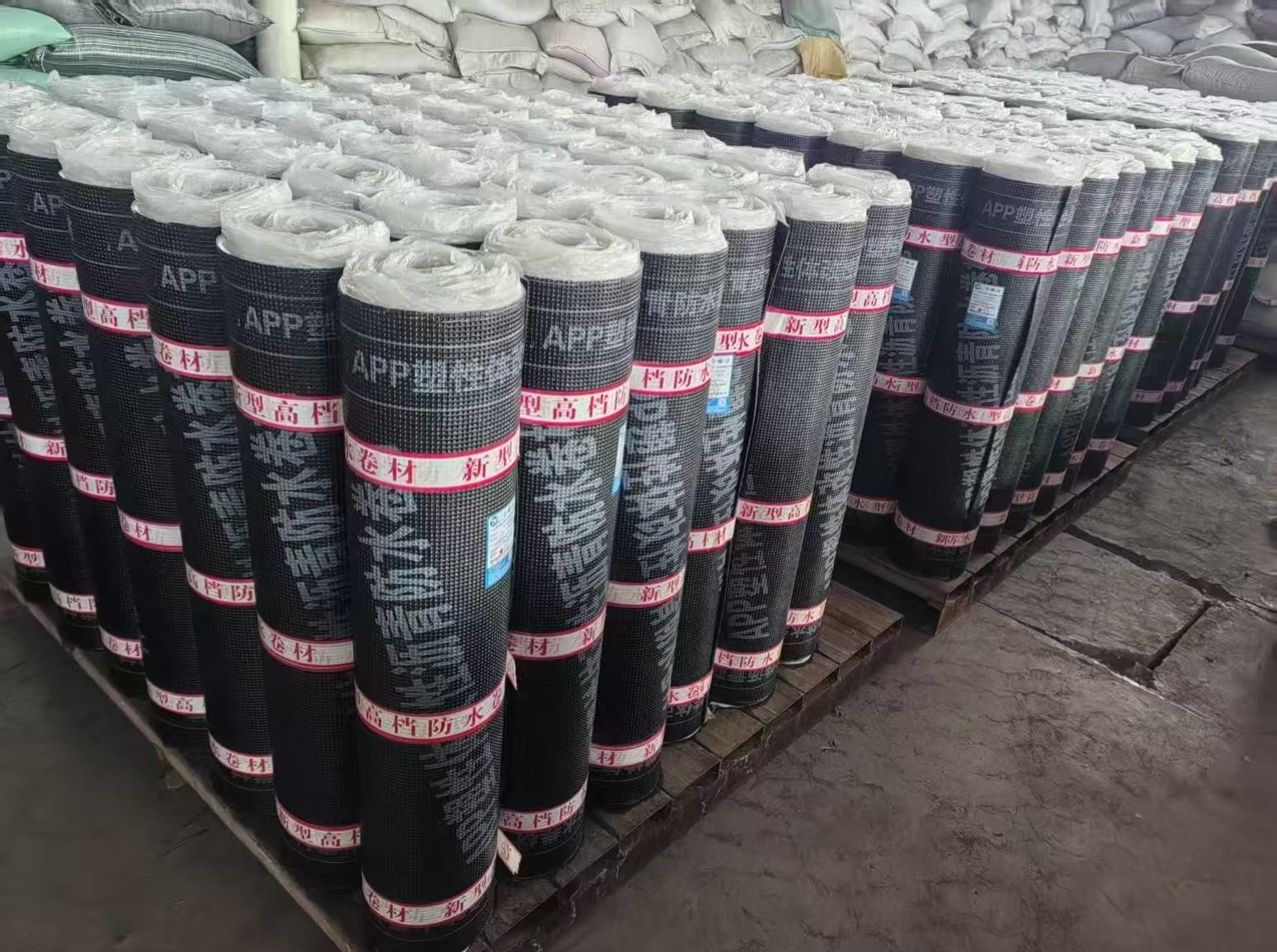
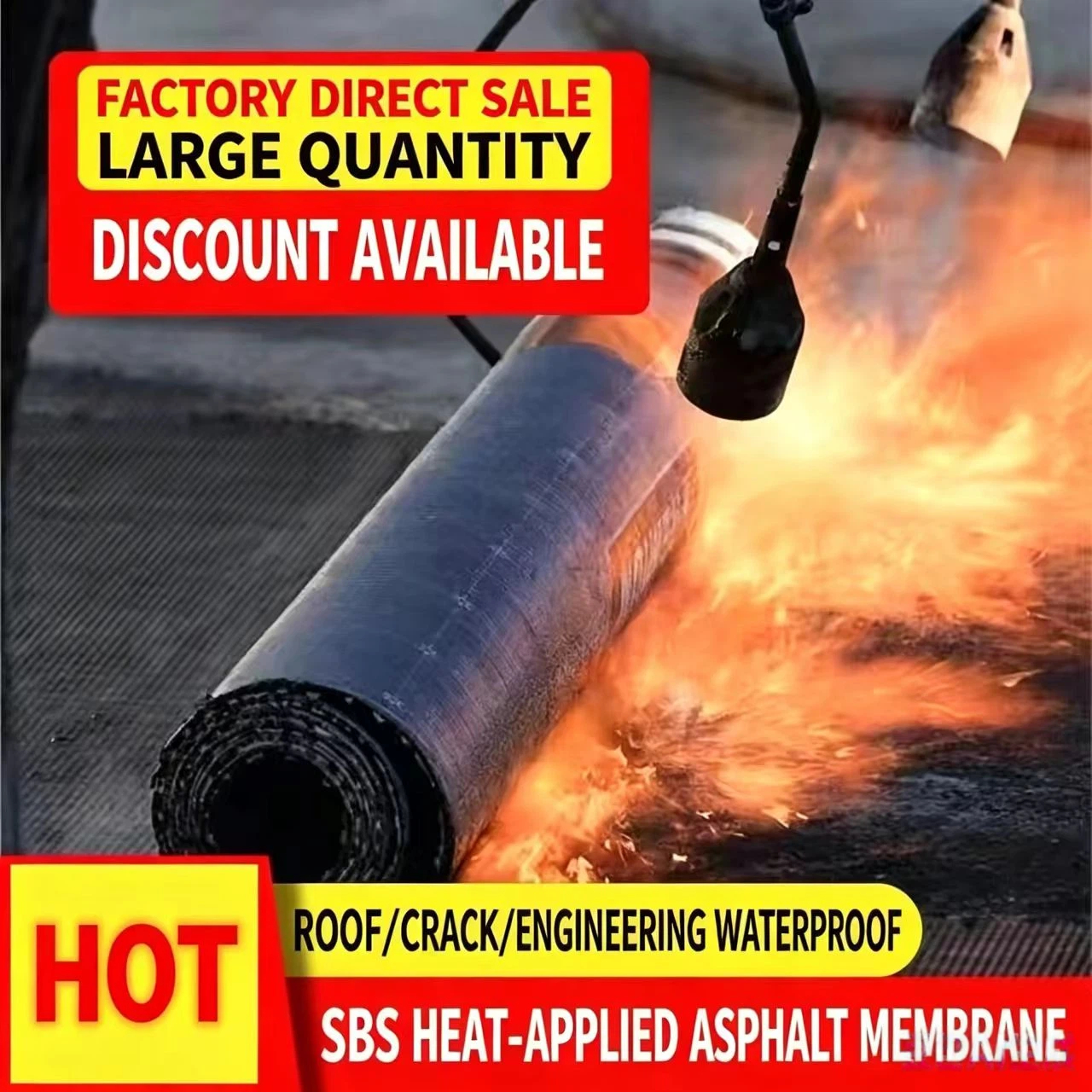
The term bituminous waterproofing generally refers to membrane and coating systems based on modified bitumen, where the asphalt is improved with polymers such as APP or SBS to enhance flexibility, heat resistance, or cold-temperature performance. Buyers searching this keyword are often deciding between torch-applied bitumen membrane, self-adhesive membrane, or a liquid-applied bitumen-based coating.
Behind the keyword there are usually three intents: confirming whether a bituminous system is suitable for a specific substrate and climate, comparing it with PVC, TPO, or EPDM membrane alternatives, and gathering the technical details needed to request an accurate offer. This article addresses all three, without claiming any single product is universally best, because the right choice depends on project conditions.
Common application scenarios
Bituminous systems are widely used across civil construction and infrastructure. Typical scenarios include:
- Building roofs: Exposed and non-exposed roofing waterproofing, often using APP or SBS modified bitumen membrane.
- Basement waterproofing: Floors and side walls, sometimes using pre-laid reverse-bonding self-adhesive membrane on blinding concrete.
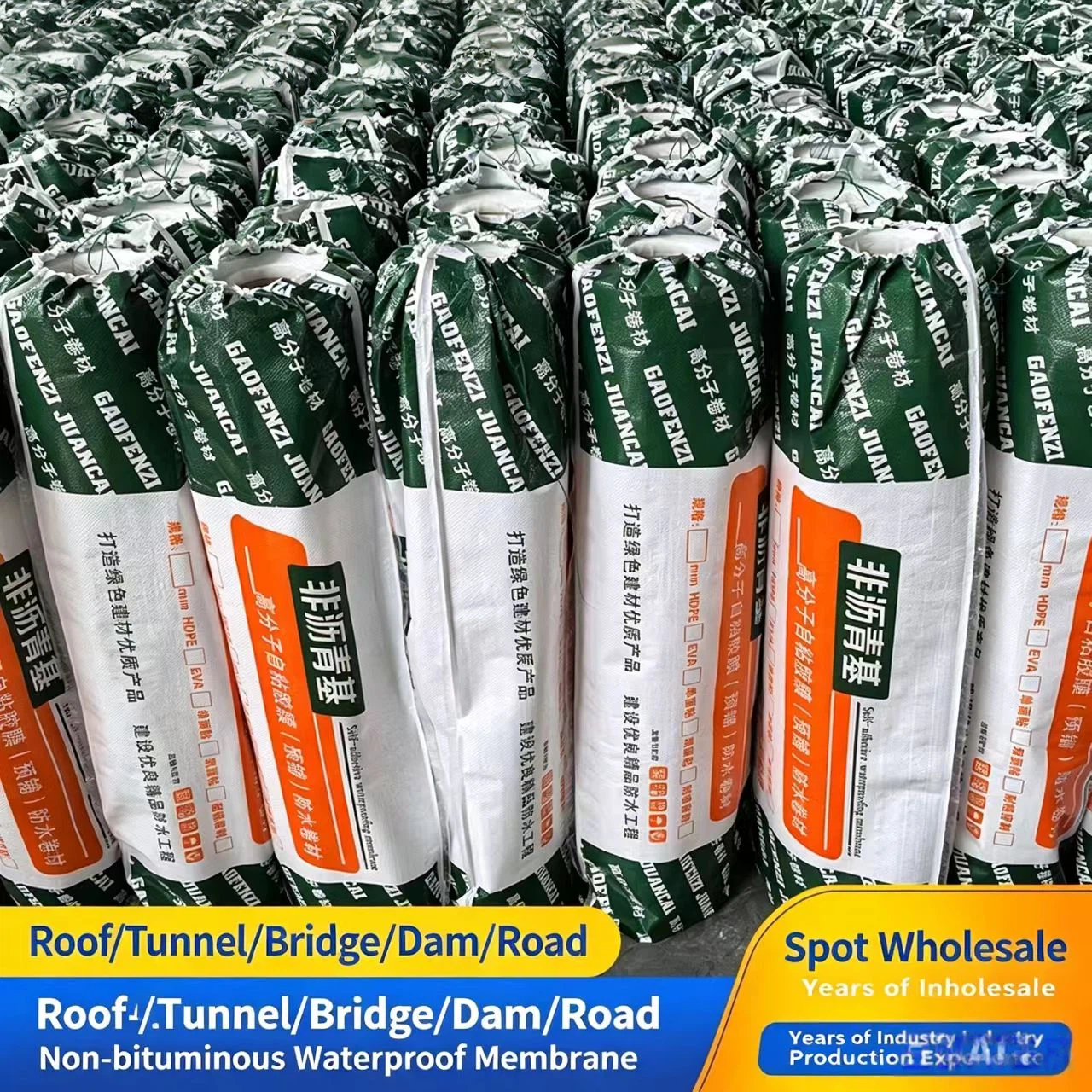
- Tunnels and bridges: Structural decks and underground sections where durability and lap quality matter.
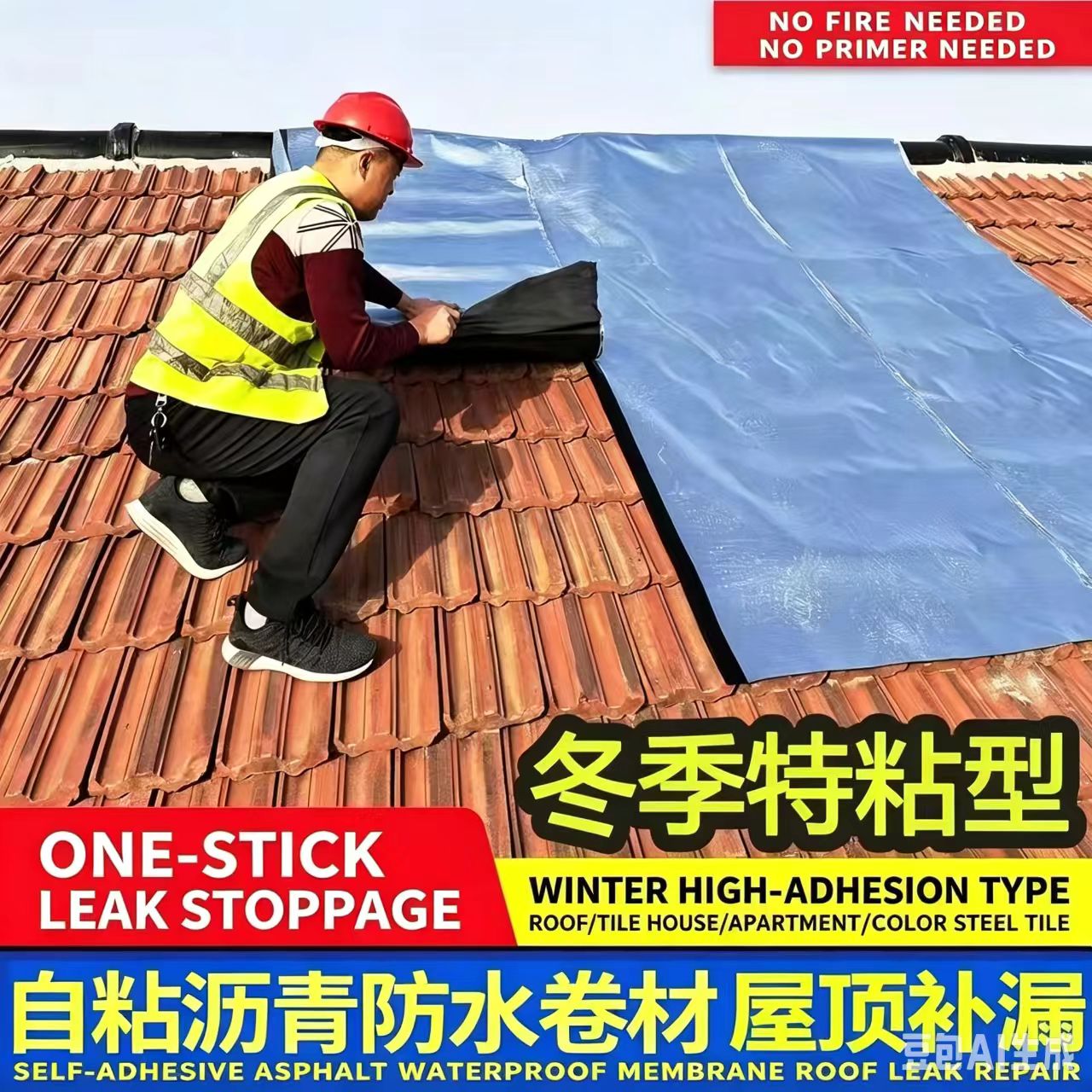
- Metal and color steel roofs: Renovation and new build, where a self-adhesive membrane designed for metal substrates is often preferred.
- Repair and node sealing: Cracks, pipe penetrations, and overlaps, where butyl tape or non-curing rubber asphalt coating is used together with membranes.
The same project may combine a sheet membrane for large areas with a liquid coating for details and reinforcement.
Buyer decision table
| Project condition | Material option | What to confirm before inquiry | Notes |
|---|---|---|---|
| Hot or high-temperature region, exposed roof | APP-type modified bitumen membrane | Thickness, surface finish, roll size, exposure | APP is often selected for heat resistance; confirm by local climate. |
| Cold region roofing or below grade | SBS modified bitumen membrane | Thickness, low-temperature flexibility need, exposed vs covered | SBS is commonly chosen for cold flexibility; verify against specification. |
| No open flame allowed on site | Self-adhesive modified bitumen membrane | Substrate, primer requirement, temperature at install | Useful for occupied buildings and renovation work. |
| Basement floor and walls, pre-laid method | Pre-laid reverse-bonding self-adhesive membrane | Construction method, substrate, bonding direction | Designed for cast-against concrete; confirm sequence. |
| Color steel / metal roof repair | Self-adhesive membrane for steel tiles | Roof condition, overlaps, slope | Match product to metal substrate; tape for local joints. |
| Detail sealing with a sheet system | Non-curing rubber asphalt coating | Compatibility with chosen membrane | Used as reinforcement, not a standalone roof system. |
How to choose specifications
Once the system type is decided, the specification details determine the quotation and the on-site result. Confirm the following where relevant:
- Thickness: Sheet membranes are commonly offered in several thicknesses; the correct value depends on substrate, exposure, and local specification.
- Roll width and length: Affects coverage, waste, and labor; confirm what your installers expect.
- Surface finish: Options such as mineral, sand, or film finishes relate to whether the membrane is exposed or covered.
- Reinforcement: Carrier type inside the membrane influences handling and tensile behavior; confirm requirements with your engineer.
- Installation method: Torch-applied, self-adhesive, or coating-applied. This affects site safety rules and labor.
- Packing and quantity: Rolls per pallet, total area, and container loading should match your order volume.
- Destination port: Needed for shipping arrangement and accurate landed planning.
For coatings, confirm whether the product is single or dual component, the application surface, and whether it pairs with a membrane for full coverage.
Questions to prepare before requesting a quotation
- What is the structure type: roof, basement, tunnel, bridge, or metal roof?
- Is the surface exposed to sunlight or covered by screed, soil, or ballast?
- What is the project climate: hot, cold, or mixed?
- Is open-flame torch application allowed on site?
- What thickness or specification does the local design require?
- What is the total area and required quantity?
- What are the packing preferences and destination port?
- Are there any local standard or approval requirements to meet?
Providing these details lets a supplier recommend a suitable product and avoid back-and-forth on basic points.
Common mistakes and selection risks
A few recurring issues cause problems on bituminous waterproofing projects:
- Choosing by price alone: A thinner or unsuitable membrane may not match the substrate or exposure, leading to early failure.
- Ignoring climate: Selecting a heat-oriented or cold-oriented modifier without checking the actual site temperature range.
- Overlooking installation rules: Specifying torch-applied membrane where open flame is restricted, or skipping primer where one is needed.
- Neglecting details: Pipe penetrations, corners, and laps often leak; plan reinforcement materials from the start.
- Assuming compatibility: Coatings and membranes from different systems should be confirmed before combining.
Most of these risks are avoidable by confirming substrate, climate, exposure, and method early.
Getting product selection support
Bituminous waterproofing covers several membrane and coating types, and the right one depends on your structure, climate, and application method. If you share your project conditions and target quantity, our team can help match a suitable specification and prepare packing and shipping details for your destination. Reach out with the questions above answered, and we can move toward a clear, accurate offer.