This article is written for procurement engineers, contractors, distributors, and project buyers who have received a specification mentioning Bostik Boscoseal AC2 and need to understand what class of product it belongs to, where it is typically applied, and how to source a comparable acrylic waterproof coating for their project. It is meant to help you make a specification or sourcing decision, not to promote a single brand.
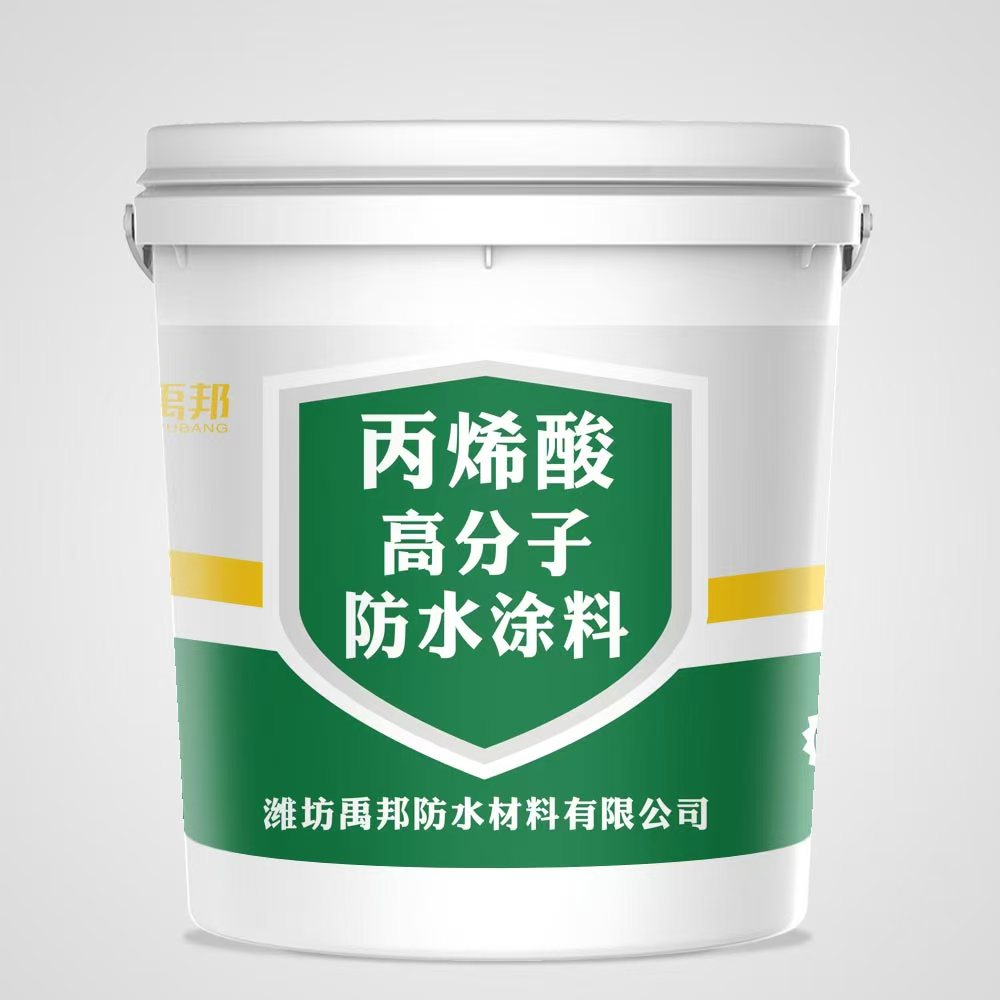
Boscoseal AC2 is generally referenced as an acrylic-based liquid applied waterproofing coating. If you are sourcing internationally, the key task is matching the intended use, film properties, and application method rather than chasing an exact brand name, since equivalent acrylic elastic waterproof coatings are widely manufactured and exported.
Understanding the buyer intent behind Bostik Boscoseal AC2
When buyers search for a specific product like Bostik Boscoseal AC2, the intent usually falls into one of a few groups. Some are matching a designer specification and need an equivalent product that satisfies the same functional description. Others are contractors comparing a named brand against locally available or imported alternatives to control cost. A third group are distributors evaluating whether to stock an acrylic waterproof coating that competes in the same category.
In all these cases, the decision depends less on the trademark and more on the coating type, the substrate, exposure conditions, and required film thickness. An acrylic elastic waterproof coating is typically water-based, applied by brush, roller, or spray, and used where a flexible, breathable protective film is acceptable. Confirming these points is more useful than assuming two products are identical based on name alone.
Common application scenarios
Acrylic elastic waterproof coatings in this category are commonly specified for the following uses:
- Exposed roofs where a flexible, UV-tolerant surface film is wanted for light waterproofing and refurbishment.
- Exterior walls and facades to reduce water ingress while allowing the substrate to breathe.
- Balconies, parapets, and window sills as part of detailing and joint protection.
- Repair and renovation of aged surfaces where a full membrane replacement is not planned.
- Kitchens, bathrooms, and wet areas in some product versions, though wet-area suitability should always be confirmed for the specific grade.
For structural basement waterproofing, tunnels, or permanently submerged conditions, an acrylic coating alone is often not the primary choice. Those cases usually call for a waterproof membrane, polyurethane coating, or cement-based crystalline system, sometimes combined with a coating for detailing.
Buyer decision table
| Project condition | Material option | What to confirm before inquiry | Notes |
|---|---|---|---|
| Exposed roof refurbishment | Acrylic elastic waterproof coating | Dry film thickness, number of coats, substrate condition | Suitable for flexible protective coatings over sound substrates |
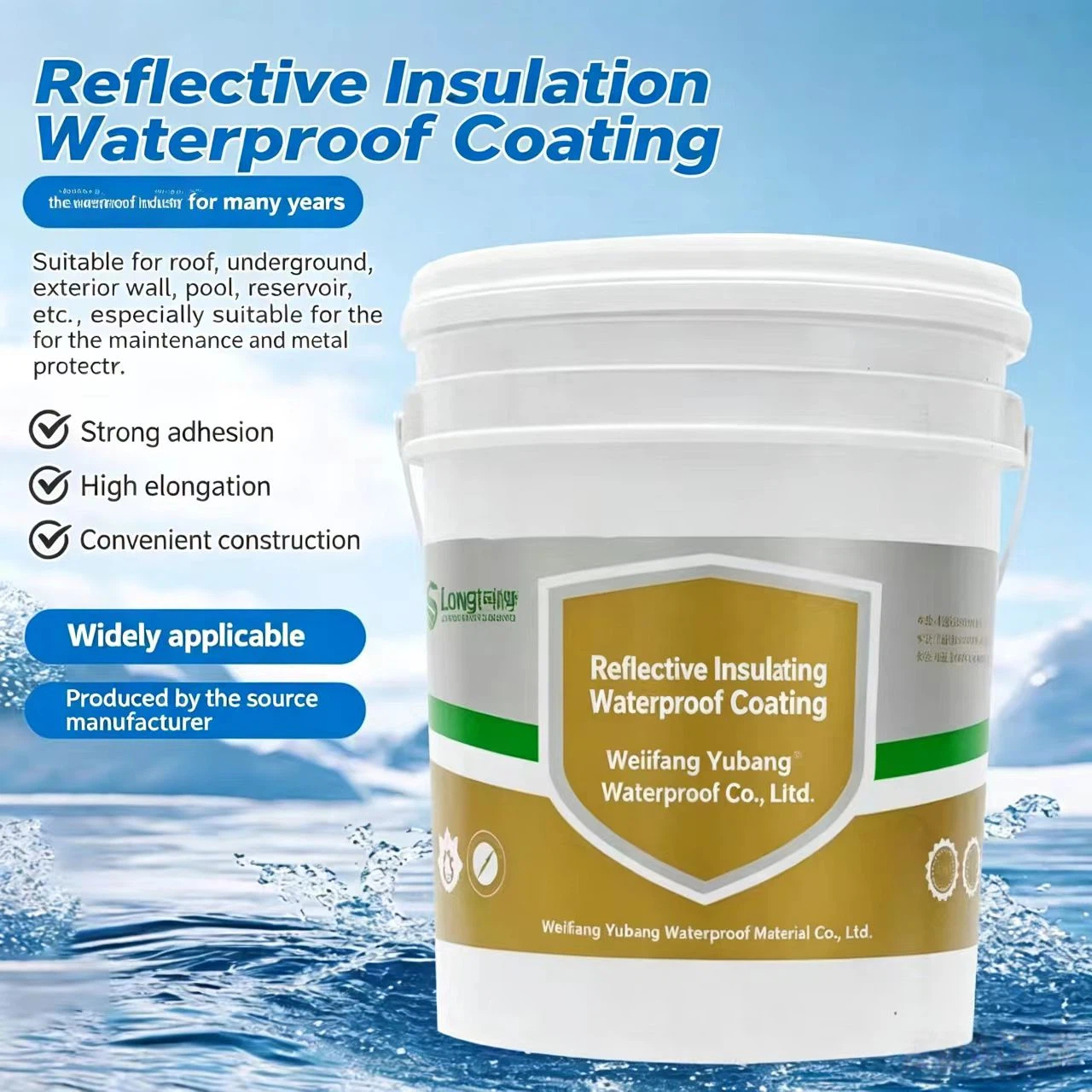
| Reflective or hot climate roof | Reflective thermal insulation waterproof coating | Surface color, exposure, and thermal requirement | Choose when heat reduction is part of the goal |
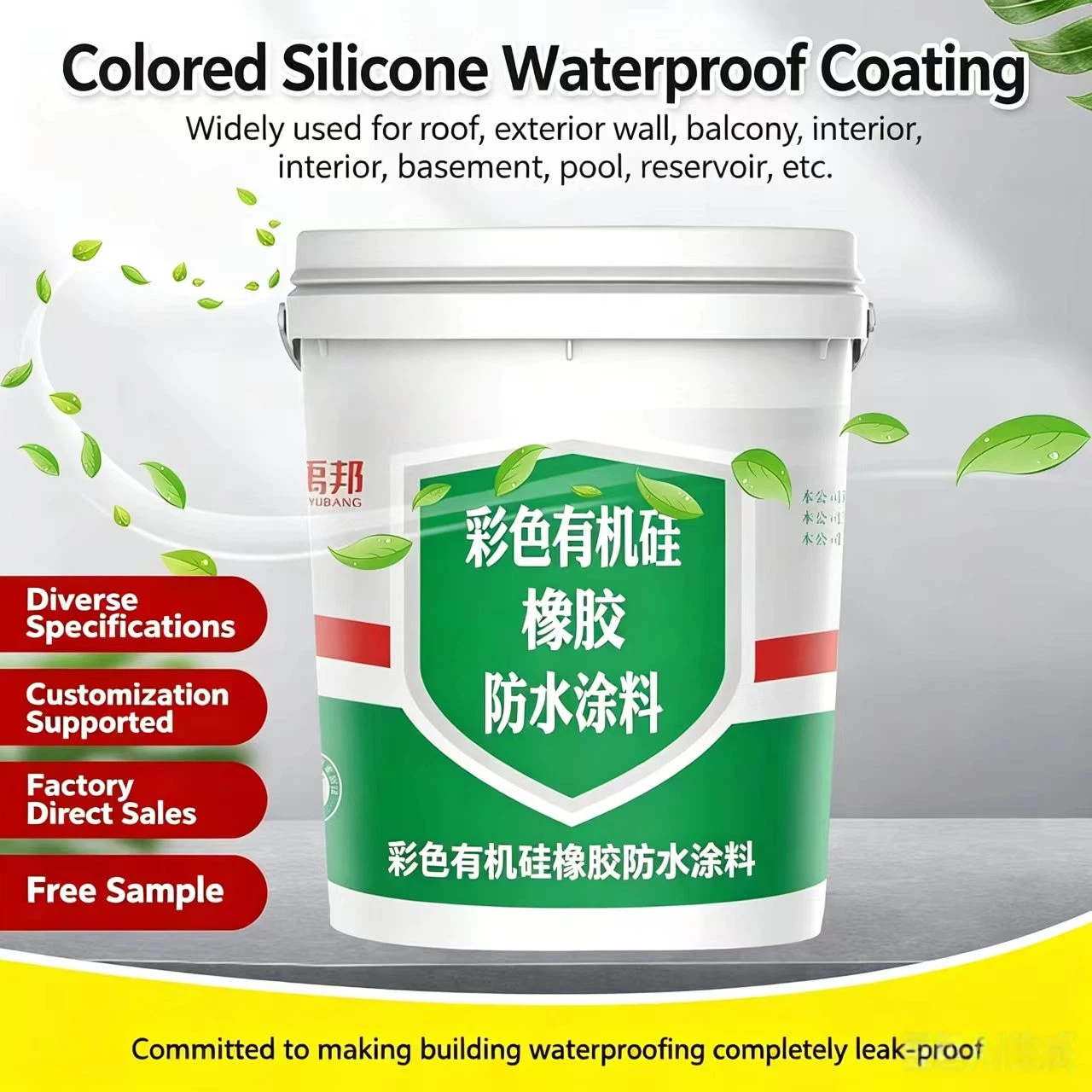
| Exterior wall seepage | Acrylic or silicone waterproof coating | Wall material, crack width, breathability need | Confirm whether decorative finish is required |
| Wet rooms, small areas | Polymer cement-based (JS) or K11 coating | Tile adhesion over coating, water exposure level | Common for bathrooms and balconies |
| Basement or heavy water pressure | Waterproof membrane or polyurethane coating | Positive or negative side, water head | Acrylic coating generally not the main layer here |
How to choose the right specification
Because acrylic waterproof coatings are sold by many manufacturers under different names, the specification detail matters more than the label. When comparing an equivalent to Boscoseal AC2, clarify the following:
- Coating base and type: confirm it is a water-based acrylic elastic coating and not a different chemistry.
- Applied thickness: the wet and dry film thickness and how many coats are recommended for the target performance.
- Application method: brush, roller, or airless spray, since this affects labor and coverage.
- Reinforcement: whether a reinforcing fabric is used at joints, cracks, or corners.
- Packing: pail size, units per pallet, and net weight per container.
- Quantity and coverage: estimated consumption per square meter based on substrate and thickness.
- Destination port and climate: shipping conditions and storage temperature can affect a water-based product.
If your specification also involves membranes, note that SBS membrane, APP membrane, self-adhesive membrane, and PVC or TPO membrane serve different roles. A coating and a membrane are not interchangeable, though they are often used together for roofing waterproofing and detailing.
Questions to prepare before requesting a quotation
- What is the substrate: concrete, metal, existing coating, or masonry?
- Is the application exposed to sunlight, foot traffic, or standing water?
- What total area needs coverage, and what film thickness is targeted?
- Do you need the coating alone, or as part of a system with membrane or reinforcement?
- What is the destination port, expected climate, and storage condition on arrival?
- What packing format and container quantity do you require?
- Do you have a local specification or approval list the product must satisfy?
Common mistakes and selection risks
A frequent mistake is assuming a brand-named product and a generic equivalent are identical based only on the name. Two acrylic coatings can differ in solids content, elongation, and recommended thickness. Always compare the technical description and intended use.
Another risk is using an acrylic coating in conditions it is not designed for, such as permanent water immersion or high hydrostatic pressure in basements. In those cases a membrane or a more suitable coating system is needed. Applying too few coats or below the recommended thickness is also a common cause of early failure. Finally, poor substrate preparation, moisture in the base, or application in unsuitable temperatures can undermine even a correctly chosen product.
Conclusion
If you are sourcing a coating comparable to Bostik Boscoseal AC2, the practical path is to confirm the coating type, application, substrate, and thickness, then match those to an available product. Our team can help you review your specification and suggest an acrylic elastic waterproof coating or an alternative system based on your project conditions. Share your substrate, area, exposure, packing, and destination details, and we can guide you toward a suitable selection.