This guide is written for procurement engineers, waterproofing contractors, distributors, and project buyers who are comparing an HDPE waterproofing membrane against other below-grade options. If you are sourcing material for a basement, tunnel, or utility corridor and need to decide what to specify and what to confirm before sending an inquiry, this article should help you shape the conversation with a manufacturer.
HDPE (high-density polyethylene) based systems are usually discussed in the context of pre-applied and mechanically bonded waterproofing for structures poured against the membrane. The goal here is not to declare a single winner, but to explain buyer intent, typical applications, and the exact points that change a quotation.
Understanding buyer intent behind "HDPE waterproofing membrane"
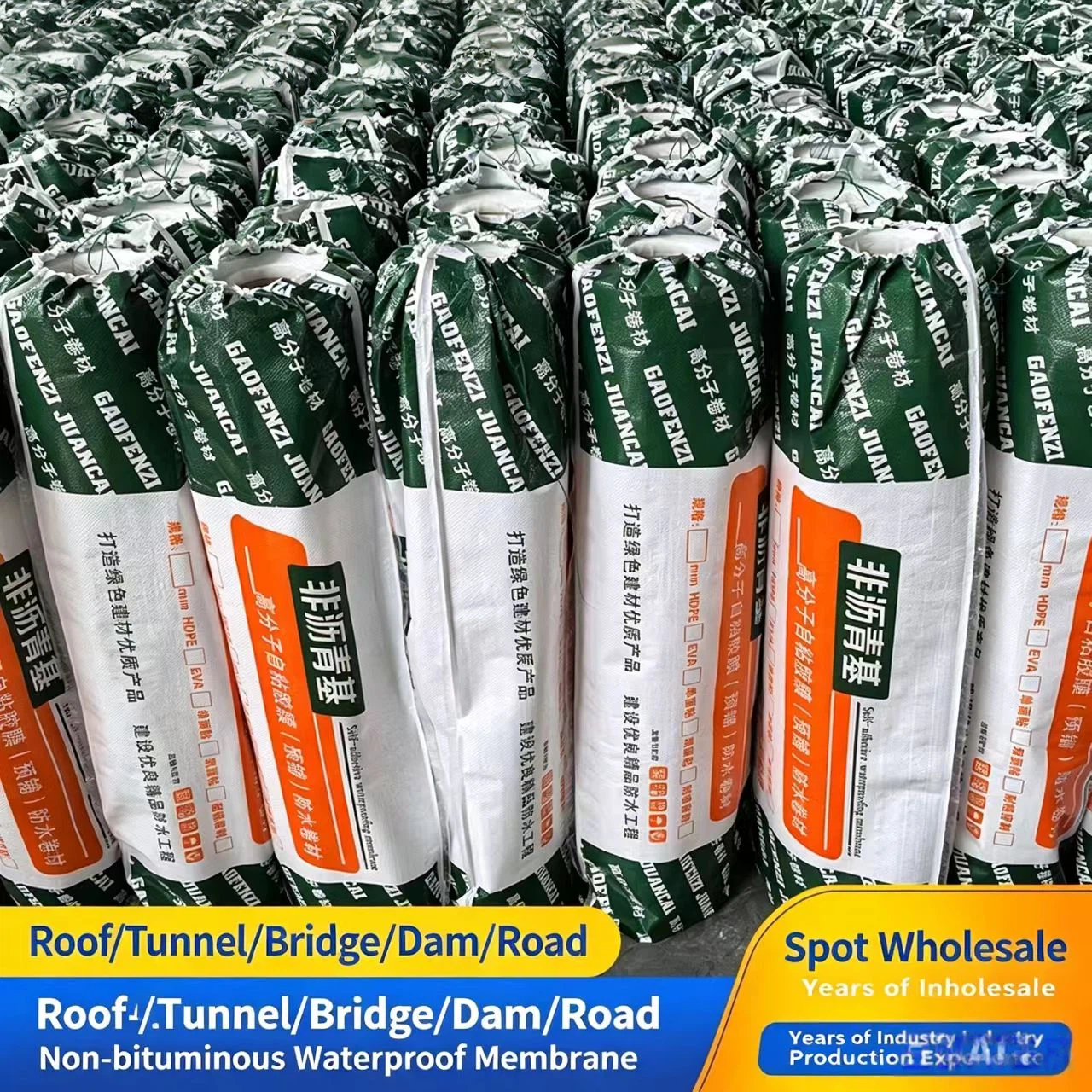
When buyers search for an HDPE waterproofing membrane, they are often looking at one of a few things. Some want a high-density polyethylene sheet as a core carrier layer. Others are actually looking for a pre-applied anti-adhesive waterproof membrane that uses an HDPE film face bonded to fresh concrete. A third group is comparing HDPE against a flexible waterproof membrane such as PVC, TPO, or a bitumen membrane for a specific below-grade condition.
Because the term covers more than one product logic, the first step is to clarify the construction method. Pre-applied systems are placed before the concrete pour and rely on a bond to the poured structure. Loose-laid or protected sheets follow a different logic. Confirming this early avoids sending the wrong technical data sheet back and forth.
Common application scenarios
HDPE and related below-grade membranes are commonly considered for:
- Basement floors and side walls: where blind-side or pre-applied waterproofing is needed because there is no access to the outer face after pouring.
- Tunnels and cut-and-cover structures: where the membrane must resist water pressure and stay integrated with the concrete.
- Municipal utility corridors: where long runs and consistent laps matter for buildability.
- Civil construction and infrastructure slabs: where a continuous barrier below the structure is specified.
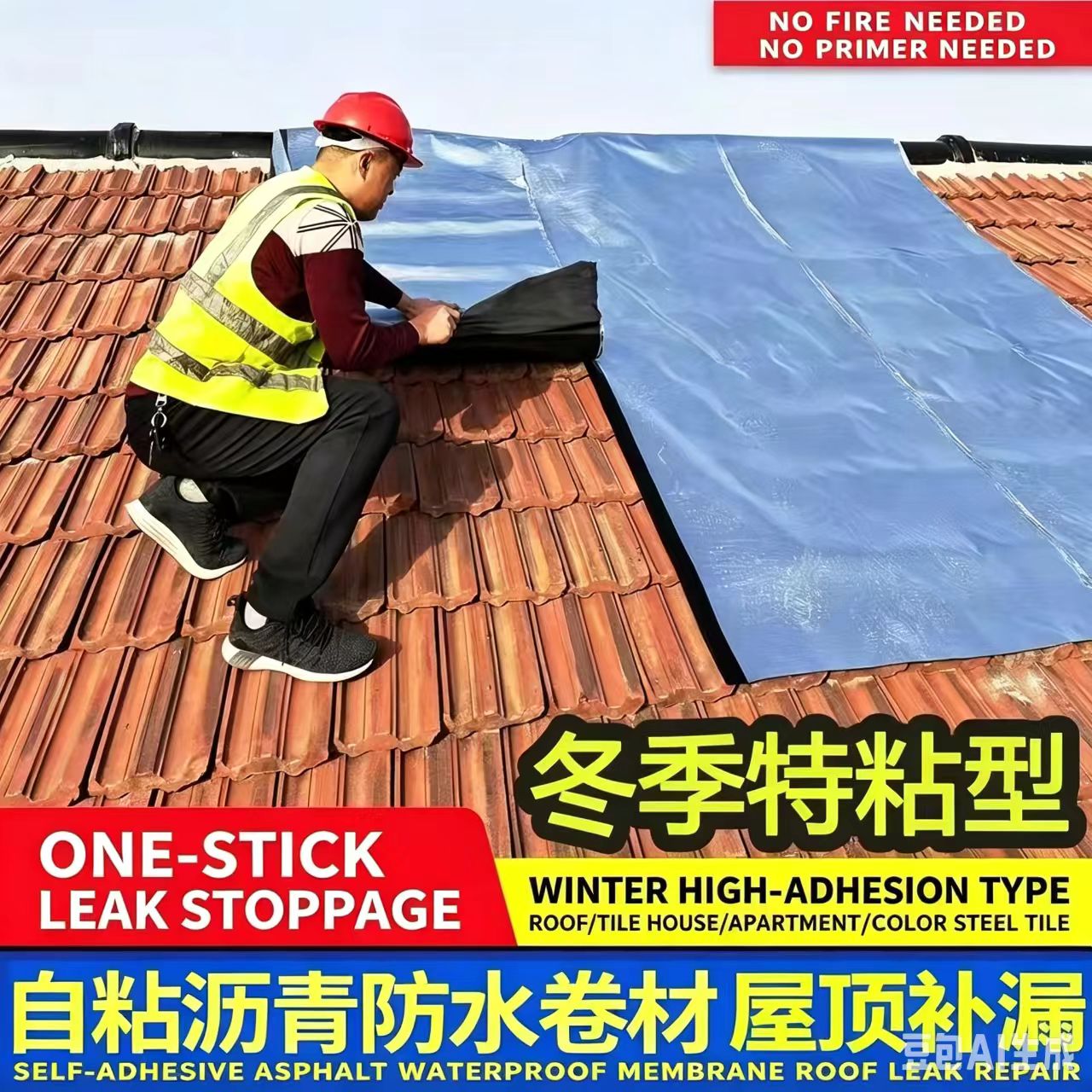
For exposed roofing waterproofing, a PVC membrane, TPO membrane, EPDM membrane, or an SBS/APP bitumen membrane is more commonly used. If your project is a roof rather than a below-grade structure, tell the supplier so the recommendation matches the exposure.
Buyer decision table
| Project condition | Material option | What to confirm before inquiry | Notes |
|---|---|---|---|
| Basement raft slab, no external access after pour | Pre-applied anti-adhesive membrane (HDPE-faced type) | Substrate prep, pour sequence, lap detailing | Bond to concrete is central; installation method must match design |
| Basement side walls, blind-side | Pre-applied membrane or self-adhesive membrane | Vertical support, water table, protection layer | Confirm whether design allows self-adhesive or needs pre-applied |
| Tunnel or utility corridor | Pre-applied membrane; sometimes PVC or EPDM | Water pressure, joint system, local specification | Detailing at penetrations is often the risk point |
| Exposed roof | PVC, TPO, EPDM, or bitumen membrane | Attachment method, climate, UV exposure | HDPE below-grade sheets are not the usual roofing choice |
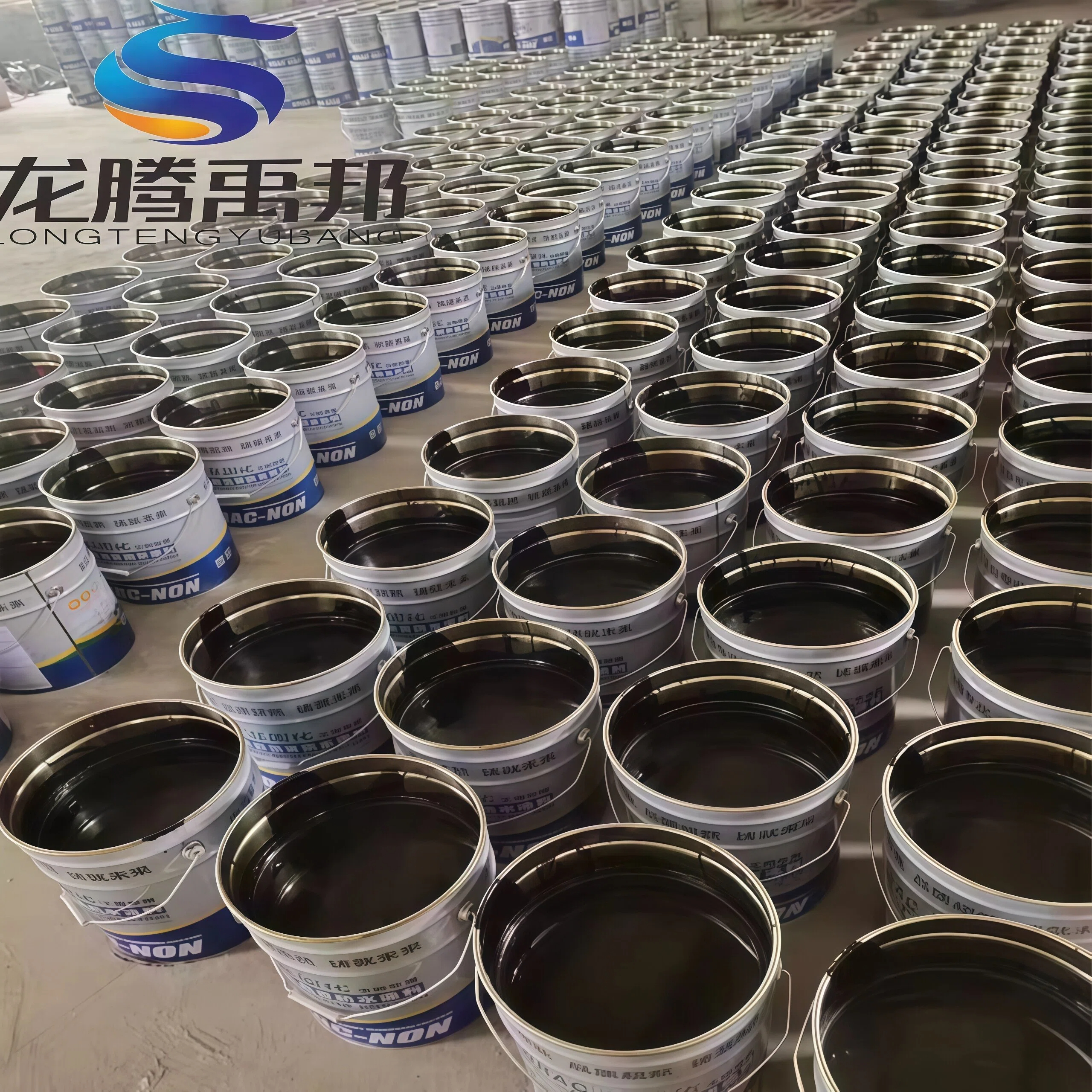
| Joint sealing and reinforcement | Non-curing rubber asphalt coating with membrane | Compatibility with main membrane | Often used alongside sheet systems |
How to choose the specification
The specification of a below-grade waterproofing membrane depends on your structure and installation method, so the following points should be confirmed rather than assumed:
- Thickness: should be selected according to design requirement and local specification, not by preference alone.
- Roll width and length: affect the number of laps and labor; confirm what suits your slab and wall dimensions.
- Surface finish and face layer: pre-applied systems depend on the bonding face, so confirm how the membrane is meant to bond to concrete.
- Reinforcement or carrier: confirm the internal structure if the design references it.
- Installation method: pre-applied, self-adhesive, mechanically fixed, or torch-applied changes both material and site handling.
- Packing, quantity, and destination port: these affect palletizing, container loading, and lead time, so share them early.
Questions to prepare before requesting a quotation
- Is the project below-grade (basement, tunnel) or a roof? What is the substrate?
- Is the design pre-applied, loose-laid, self-adhesive, or mechanically fixed?
- What thickness and roll dimensions does the specification call for?
- What is the estimated area or total quantity, and the target delivery schedule?
- What is the destination port and preferred packing?
- Are there any local standards or approvals the material must reference?
- Do you need accessory materials such as tapes, sealing coatings, or detail strips?
Common mistakes and selection risks
A frequent problem is choosing a membrane by product name without confirming the installation method. A pre-applied system used without the intended pour sequence will not perform as designed. Another risk is ignoring detailing at penetrations, pipe openings, and corners, which is often where leaks appear rather than in the open field.
Buyers also sometimes compare only price per square meter and overlook lap width, roll size, and site labor, which change the installed cost. Finally, mixing incompatible products from different suppliers can create bonding issues; if you plan to combine a sheet membrane with a coating for joints, confirm compatibility first.
Getting the right product selection support
If you are unsure whether an HDPE-type pre-applied membrane or another system fits your structure, share your project condition, installation method, and destination details. With those points, our team can help match the right membrane and accessories to your specification and prepare an accurate quotation for your below-grade or roofing waterproofing project.