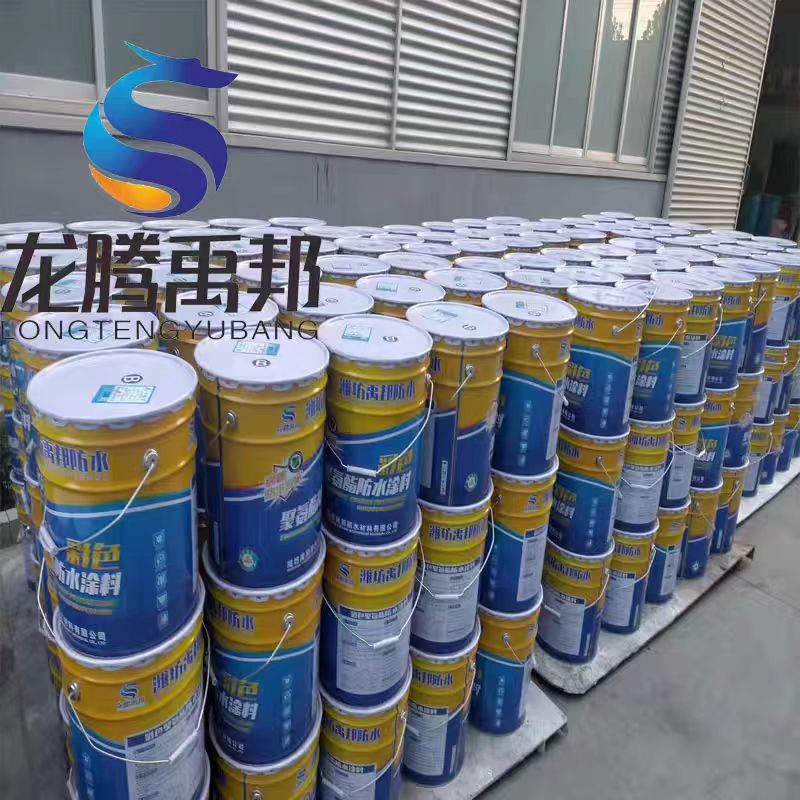
This guide is written for contractors, procurement engineers, distributors, and project buyers who are comparing liquid waterproofing options for roofs, basements, wet rooms, and repair work. It focuses on how to match a coating type to your substrate and application conditions so your inquiry is clear from the first email.
Liquid waterproofing covers a broad group of applied coatings rather than a single product. The right choice depends on where it is used, how it is applied, and what surface it must bond to. Below we explain the buyer intent, common uses, and the details you should confirm before asking for pricing.
Understanding buyer intent behind liquid waterproofing
When buyers search for liquid waterproofing, they usually mean a fluid-applied waterproof coating that cures into a continuous film. Compared with a sheet waterproof membrane, a bitumen membrane, or a self-adhesive membrane, a liquid coating can follow irregular shapes, pipe penetrations, and detailed corners without overlaps. This makes it common for wet areas, complex geometry, and repair or renovation work.
Buyer intent typically splits into three directions: full-surface waterproofing on roofs or exterior walls, wet-room and pool waterproofing for civil construction, and joint or detail reinforcement used together with a roofing waterproofing membrane. Clarifying which case applies to you helps a supplier recommend the correct coating chemistry.
Common application scenarios
Liquid coatings are chosen for their ability to form a jointless layer. Typical scenarios include:
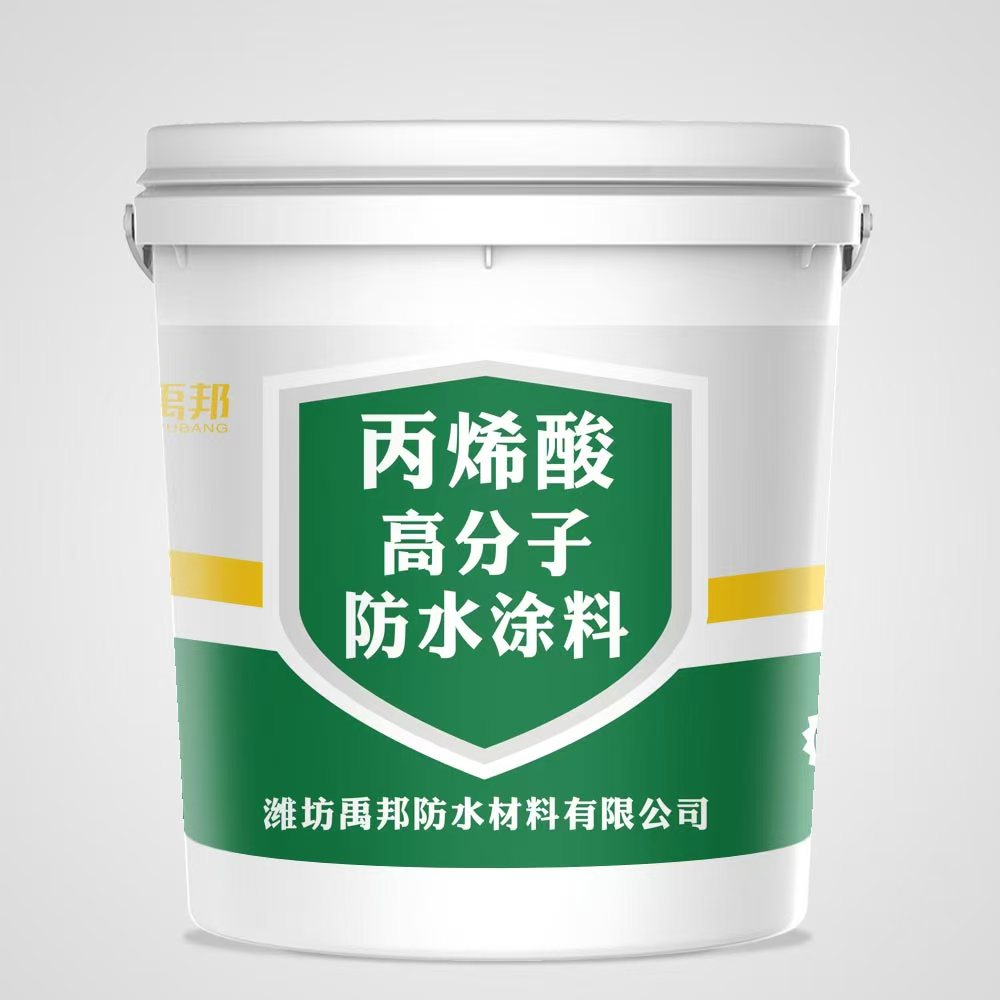
- Roofs and exterior walls: acrylic elastic coatings and silicone coatings are often used for exposed surfaces and old-surface renovation.
- Kitchens, bathrooms, and balconies: polyurethane coatings, JS polymer cement coatings, and K11 mortar are common for interior wet areas.
- Basements, pools, tunnels, and dams: cement-based crystalline coatings and polyurethane systems are used on concrete, sometimes on both positive and negative sides.
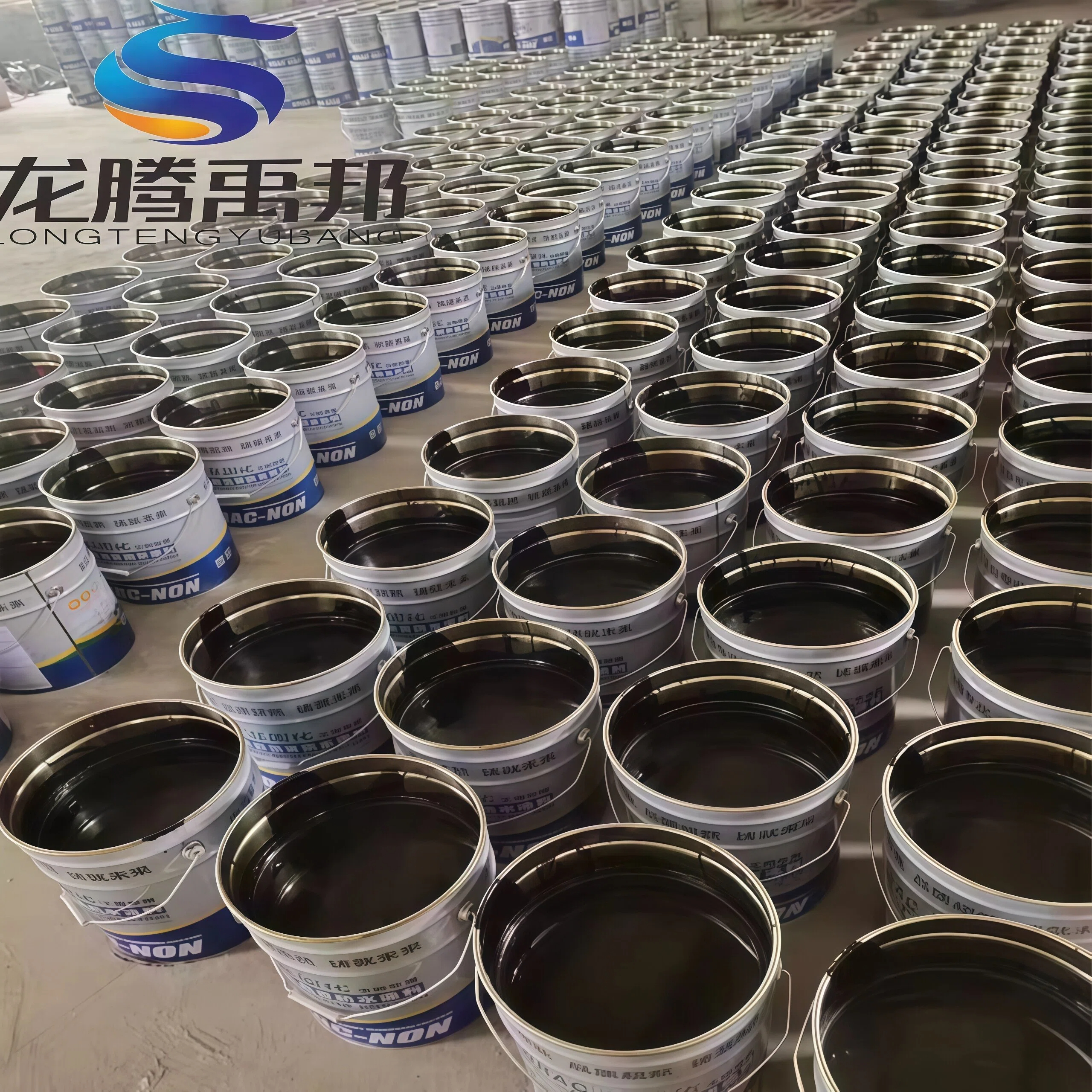
- Joint sealing and detail reinforcement: non-curing rubber asphalt coating is frequently paired with a membrane at laps, penetrations, and terminations.
- Hot-climate roofs: reflective thermal insulation coatings are used where surface temperature reduction is also a goal.
Selection depends on substrate, exposure to UV, water pressure direction, and whether the coating stays exposed or is covered.
Buyer decision table
| Project condition | Material option | What to confirm before inquiry | Notes |
|---|---|---|---|
| Interior wet rooms and balconies | Polyurethane coating or JS polymer cement coating | Substrate type, single or double component, coverage rate | Choose flexible systems for areas with movement. |
| Basement, pool, or tunnel concrete | Cement-based crystalline or polyurethane coating | Positive or negative side, water pressure, curing time | Crystalline coatings suit dense concrete structures. |
| Exposed roof or exterior wall | Acrylic elastic or silicone coating | UV exposure, color, recoat interval | Confirm compatibility with old coating if renovating. |
| Hot-region exposed roof | Reflective thermal insulation coating | Roof material, surface preparation | Used where heat reduction is also required. |
| Membrane joints and detail work | Non-curing rubber asphalt coating | Membrane type used, application temperature | Often combined with a bitumen or self-adhesive membrane. |
How to choose specifications
Liquid coatings are specified differently from sheet products, but several points still shape your quotation and shipment:
- Coverage and thickness: confirm the required dry film thickness and target coverage per square meter, since these determine how much product your project needs.
- Component type: single-component products are easier to apply, while double-component systems may be preferred for certain performance targets.
- Reinforcement: ask whether a reinforcing fabric or mesh should be embedded in high-stress areas or details.
- Application method: brush, roller, or spray affects labor planning and surface preparation.
- Packing and quantity: pail size, units per pallet, and total volume influence freight and stacking.
- Destination port and climate: shipping and storage temperature can matter for water-based and reactive coatings, so confirm these details.
When a project also uses sheet products such as an SBS membrane, APP membrane, PVC, TPO, or EPDM membrane, tell the supplier so the coating can be matched for compatibility.
Questions to prepare before requesting a quotation
- What is the substrate: concrete, metal, existing coating, or tile base?
- Is the area interior or exposed to sunlight and weather?
- Is water pressure applied from the positive or negative side?
- What total area needs coverage, and what film thickness is expected?
- Do you prefer single or double component, and which application method?
- Is reinforcement fabric required at details or over the full area?
- What is your destination port, target quantity, and preferred packing?
Common mistakes and selection risks
A frequent issue is choosing a coating by name alone without matching it to the substrate. A product suited to interior wet rooms may not be intended for continuously exposed roofs, and a concrete coating may behave differently on metal. Another risk is underestimating surface preparation; poor cleaning and moisture control affect adhesion regardless of product quality.
Buyers also sometimes skip detail reinforcement at corners, drains, and pipe penetrations, where most leaks begin. Finally, ordering without confirming coverage rate and film thickness can lead to shortages on site. When performance limits, curing times, or compatibility are uncertain, confirm them with the supplier for your specific project rather than assuming.
Conclusion
Liquid waterproofing works best when the coating is matched to the substrate, exposure, and application method. If you share your project conditions, substrate, area, and destination details, our team can help you compare coating options and, where needed, pair them with a suitable waterproof membrane. Reach out for product selection support tailored to your specification.