If you searched for Mapei Aquadefense, you are likely comparing liquid-applied waterproofing options for interior wet areas, or you are a distributor or contractor looking for a functional equivalent that fits your project budget and supply chain. This article explains where this type of product sits in a waterproofing system, what technical details matter, and how to prepare a clear inquiry so suppliers can quote accurately.
We will not compare brand-specific test data or claim any product matches a named brand. Instead, this guide focuses on the application logic behind ready-to-use elastic waterproof coatings so you can decide which specification and material family suit your project before you contact any manufacturer.
Buyer intent behind the Mapei Aquadefense keyword
Mapei Aquadefense is generally known as a ready-to-use, thin liquid waterproofing membrane used under tile in bathrooms, showers, balconies, and similar interior areas. When buyers search this term, they usually want one of three things: to source the branded product directly, to find a comparable liquid coating for the same use, or to understand whether a coating or a sheet membrane is the right choice.
As a waterproofing manufacturer, we cannot supply or replicate another company's branded formula. What we can do is help you match the same job to a suitable waterproof coating category, such as acrylic elastic coatings, polymer cement-based (JS) coatings, or polyurethane coatings, depending on substrate, exposure, and how the surface will be finished.
Common application scenarios for liquid waterproofing coatings
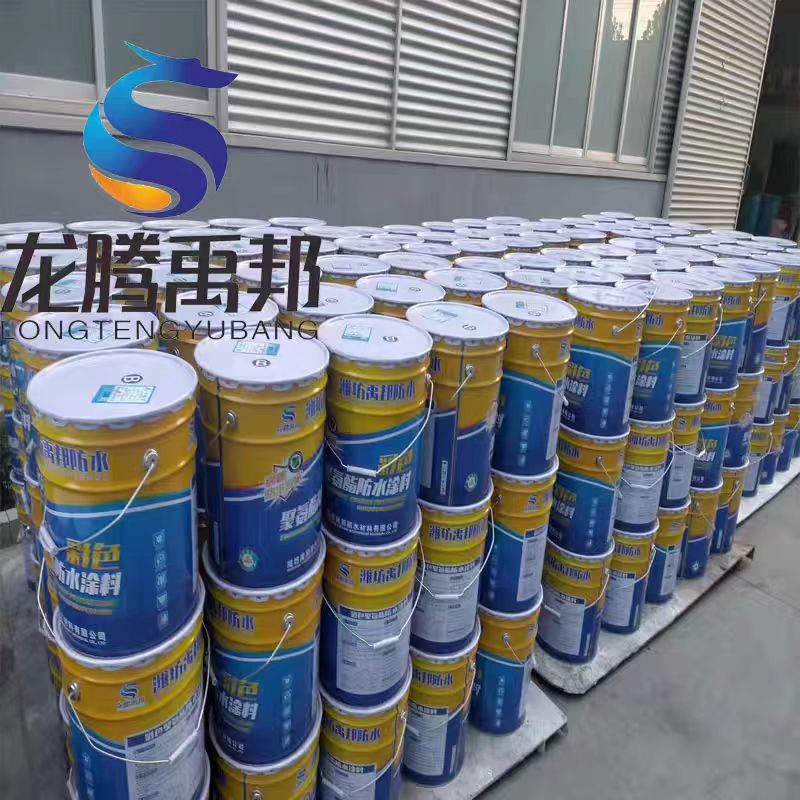
Ready-to-use and two-component liquid coatings are typically chosen for areas where a sheet membrane is difficult to install cleanly:
- Bathrooms and showers: Under tile, around drains, and at wall-floor junctions where flexibility and easy detailing matter.
- Balconies and terraces: Surfaces that need a continuous film before a tile or screed finish.
- Kitchens and wet rooms: Splash zones and floor areas in residential and commercial fit-outs.
- Basements and walls: Depending on water pressure direction, cement-based or crystalline systems may be more appropriate than a thin elastic film.
- Repair and renovation: Coating old substrates where lifting existing finishes for sheet membranes is not practical.
For large exposed roofs, metal roofs, tunnels, or high-hydrostatic basement conditions, a sheet membrane or a heavier coating system is often more suitable. The correct choice depends on substrate and water exposure, which should be confirmed for each project.
Buyer decision table
| Project condition | Material option | What to confirm before inquiry | Notes |
|---|---|---|---|
| Interior bathroom / shower under tile | Acrylic elastic waterproof coating or JS coating | Substrate type, tile adhesive compatibility, area in m² | Thin, flexible film; confirm curing time between coats |
| Balcony / terrace before tiling | Acrylic or polyurethane coating | Exposure to standing water, movement joints | Detailing at drains and edges is critical |
| Basement wall / floor | Cement-based crystalline or JS coating | Positive or negative side, water pressure | Rigid systems suit concrete structures |
| Roof or irregular structures | Polyurethane coating | UV exposure, whether a topcoat is needed | Confirm single or two-component preference |
| Localized cracks and joints | Butyl tape or non-curing coating | Gap width, substrate cleanliness | Often used with a main membrane |
How to choose specifications
Liquid coatings are not sold by roll size like sheet membranes, so the details differ from a bitumen membrane or self-adhesive membrane order. When defining what you need, confirm the following where relevant:
- Coating type: Acrylic, polymer cement-based (JS), polyurethane, or crystalline, based on the substrate and water exposure.
- Component form: Ready-to-use single component versus two-component mixed on site.
- Coverage and coats: Estimated consumption per m² and number of coats affect total volume.
- Reinforcement: Whether reinforcing fabric or tape is needed at corners and joints.
- Finish over the coating: Tile, screed, or exposed, since this affects the product choice.
- Packing: Pail size, units per pallet, and shelf life for shipping.
- Quantity and destination port: Total volume and delivery location for accurate freight and lead time.
Questions to prepare before requesting a quotation
- What is the substrate: concrete, screed, cement board, or existing tile?
- Is the area interior or exposed to sunlight and rain?
- Will the surface be tiled, coated, or left exposed?
- What is the total area in square meters and expected number of coats?
- Is the water load on the positive or negative side of the structure?
- What packing size and quantity do you need, and to which destination port?
- Do you require any local specification or documentation for import?
Common mistakes and selection risks
The most frequent issue is choosing a thin interior coating for an application that needs a heavier or reinforced system. A film designed for under-tile bathroom use is not intended for high hydrostatic pressure or long-term UV exposure. Another common problem is skipping detail reinforcement at corners, drains, and pipe penetrations, which is where most leaks start regardless of the product used.
Buyers also sometimes order by brand name alone without confirming coverage rate, so the delivered quantity does not match the site area. Always base volume on measured square meters, coats, and substrate condition rather than assumptions. Finally, verify that any coating is compatible with the tile adhesive or topcoat you plan to use.
Getting product selection support
If you are evaluating products similar in function to Mapei Aquadefense, share your substrate, application area, finish, and quantity, and we can recommend a suitable coating category and specification. We supply a range of waterproof coatings and membranes and prefer to match the product to the project rather than push a single item. Send your project details and we will help you shortlist the right option before quoting.