This guide is for importers, waterproofing contractors, and procurement engineers who are researching Mapei Mapelastic as a reference product and want to understand what type of material it represents, where it is typically used, and how to compare it with similar cementitious waterproof coatings before requesting a quotation.
Mapelastic is a well-known brand name for a two-component, cement-based flexible waterproofing product often applied to concrete, masonry, pools, and wet areas. When you search this term, you are usually trying to match a specification or find a comparable material that fits your project condition, budget, and destination. This article helps you frame that decision clearly.
Understanding the buyer intent behind "mapei mapelastic"
Buyers searching this keyword generally fall into a few groups. Some have a project specification that names a specific brand and need a product with comparable characteristics. Others are contractors who have used a cementitious flexible coating before and want a stable supply source. A third group is procurement staff trying to understand what "cement-based flexible waterproofing" means before they issue an inquiry.
In practical terms, the underlying need is usually a flexible, cementitious waterproof coating for concrete and mineral substrates. Products in this category are typically brush- or trowel-applied, mixed on site, and often reinforced with fabric at joints and corners. If your specification lists a particular brand, always confirm whether the specification allows an equivalent product and which properties must be matched.
Common application scenarios
Cementitious flexible waterproof coatings, and comparable materials such as polymer cement (JS) coatings and crystalline coatings, are commonly used in the following situations:
- Bathrooms, kitchens, and balconies where the coating is later covered by tile.
- Swimming pools and water tanks that need waterproofing on concrete before finishing.
- Basement walls and floors, either on the positive or negative side depending on the material type.
- Concrete repair and renovation of aged surfaces with fine cracking.
- Exterior walls and plinths exposed to moisture and rain.
For large flat roofs, tunnels, or bridges, buyers often combine or replace cementitious coatings with membrane systems. The right approach depends on movement, exposure, and whether the surface stays visible or is covered.
Buyer decision table
| Project condition | Material option | What to confirm before inquiry | Notes |
|---|---|---|---|
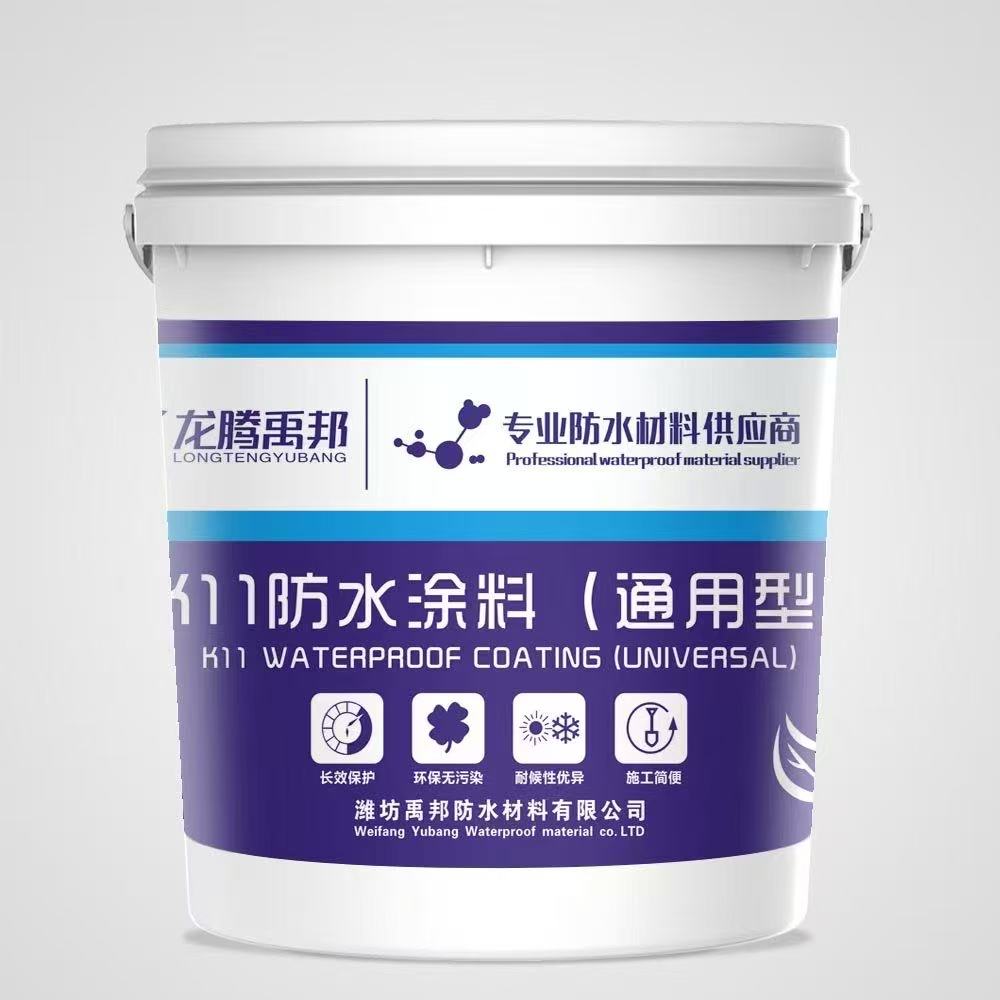
| Bathroom, balcony, tiled wet area | Polymer cement (JS) or K11 waterproof mortar | Substrate type, coverage area, flexible or rigid grade | Suitable for coating under tile finishes |
| Swimming pool or water tank | Flexible cementitious coating or crystalline coating | Water contact, surface finish, curing time before filling | Confirm whether contact water is potable |
| Basement wall / floor | Crystalline coating or JS coating | Positive or negative side, water table, substrate condition | Crystalline products work with dense concrete |
| Exterior wall / repair | Acrylic elastic coating or JS coating | Exposure, crack width, UV requirement | Elastic coatings tolerate minor movement |
| Detail sealing at joints | Reinforcement fabric plus coating | Joint width, corner detailing method | Reinforcement improves crack bridging |
How to choose specifications
Cementitious coatings are usually sold by weight and packed as separate powder and liquid components or a single powder mix. When comparing products to a named brand, focus on the properties your specification actually requires rather than the brand alface.
- Flexible vs rigid: Flexible grades tolerate small movement and hairline cracking. Rigid grades suit stable substrates.
- Component type: Two-component systems mix a polymer liquid with cement powder. Confirm the mixing ratio and pot life.
- Coverage and thickness: Consumption depends on the number of coats and surface texture. Confirm required dry film or total thickness.
- Reinforcement: Ask whether the system requires a reinforcing mesh at joints, corners, and pipe penetrations.
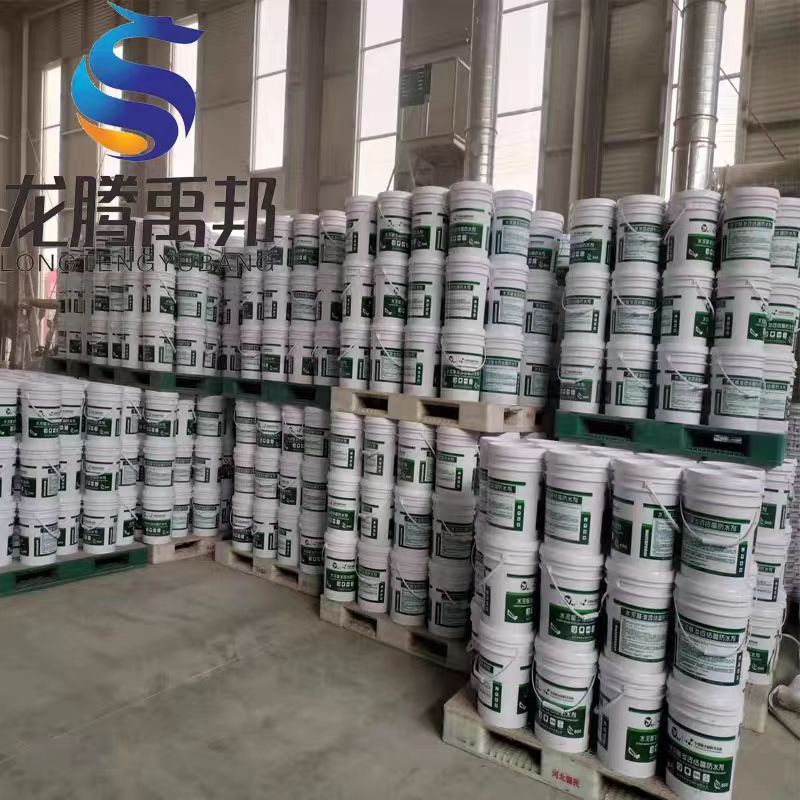
- Packing: Confirm bag and drum sizes, pallet quantity, and container loading for your destination port.
- Substrate and climate: Application and curing behavior change with temperature and humidity, so share your site conditions.
Questions to prepare before requesting a quotation
- What is the substrate: concrete, masonry, screed, or existing tile?
- Is the area interior or exterior, and will it be exposed or covered?
- Do you need a flexible or rigid coating for the expected movement?
- What total surface area and estimated thickness or coats are required?
- Does your project specification name a brand and allow equivalents?
- What packing and total quantity do you need per shipment?
- What is your destination port and target delivery window?
Common mistakes and selection risks
A frequent mistake is matching a product by name alone without confirming the required properties, such as flexibility or water contact suitability. Another risk is underestimating consumption, since texture and number of coats change the quantity needed. Buyers also sometimes select a rigid product for a surface that moves, which can lead to cracking at joints.
Detailing errors are common too. Coatings often fail first at corners, drains, and pipe penetrations rather than across flat areas, so reinforcement and correct layer thickness at these points matter. Finally, applying over damp, dusty, or unstable substrates can compromise adhesion regardless of the product chosen.
Get product selection support
If you are matching a Mapei Mapelastic-type specification or choosing a cementitious waterproof coating for a specific project, share your substrate, application area, exposure, quantity, and destination. We can help you compare suitable options and confirm packing so your inquiry moves forward with accurate details.