This article is written for importers, waterproofing contractors, procurement engineers, and distributors who search for a Mapei waterproof membrane and want to understand how that brand-name request maps to actual product categories, application conditions, and inquiry details. If you are comparing suppliers or building a specification for a roofing, basement, or civil project, the goal here is to help you ask the right questions before requesting a quotation.
Brand names are often used as a shorthand for a type of waterproofing system. Knowing the underlying material category, thickness, and installation method makes it far easier to source, compare, and confirm equivalent products from more than one manufacturer.
Understanding the buyer intent behind "mapei waterproof membrane"
When a buyer types this keyword, the intent is usually one of a few things: sourcing that specific brand, finding a comparable waterproof membrane at a different price point, or checking which membrane type suits a particular project. In most B2B cases, the practical need is a waterproofing solution that matches a defined substrate, climate, and application method rather than a single brand.
A membrane can refer to several very different products. It may mean a liquid-applied waterproof coating, a cement-based system, or a sheet product such as a bitumen membrane, self-adhesive membrane, or PVC/TPO/EPDM membrane. Clarifying which format you actually need is the first step, because pricing, packing, and installation differ widely between them.
Common application scenarios
Different projects call for different membrane systems. Matching the material to the exposure and substrate reduces risk and rework.
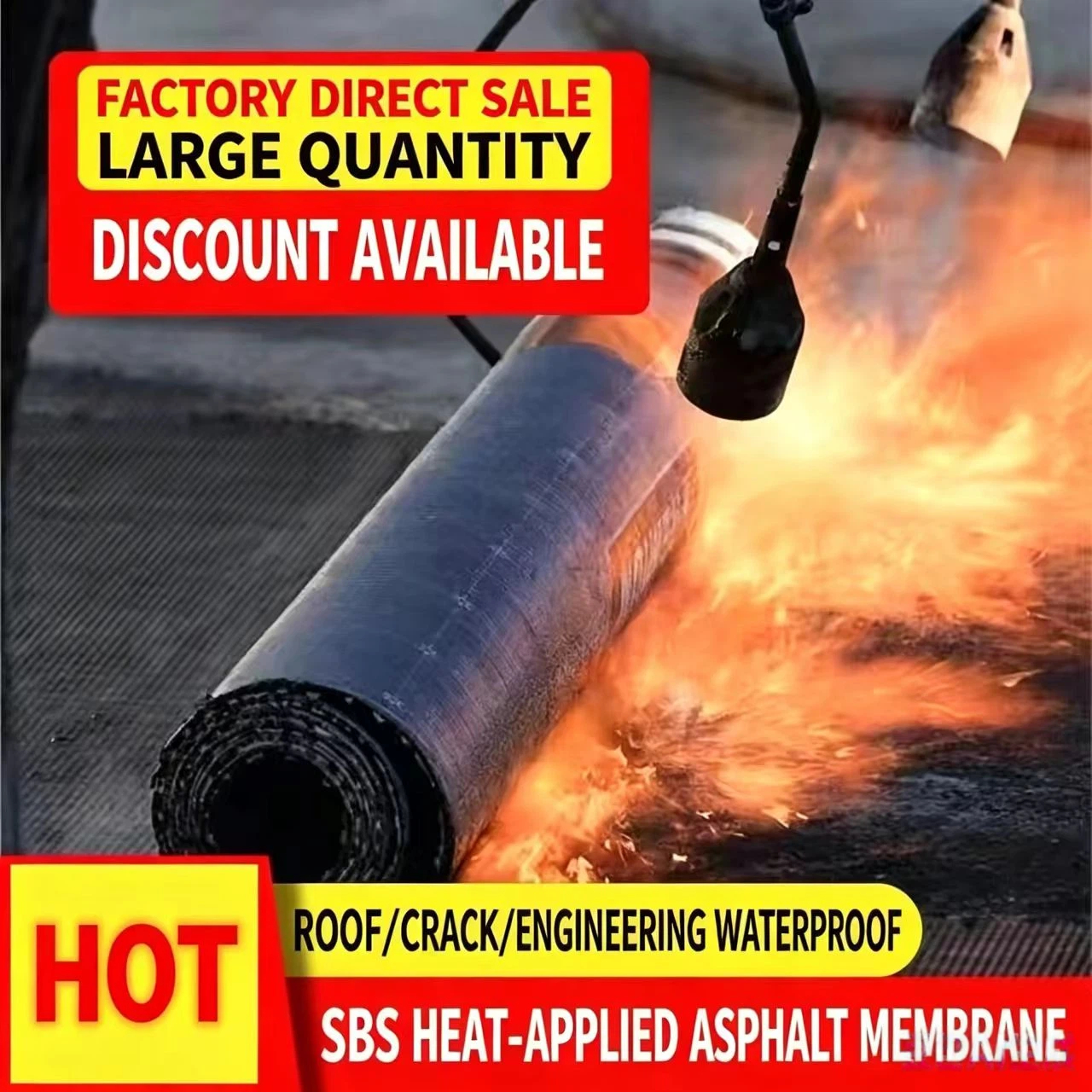
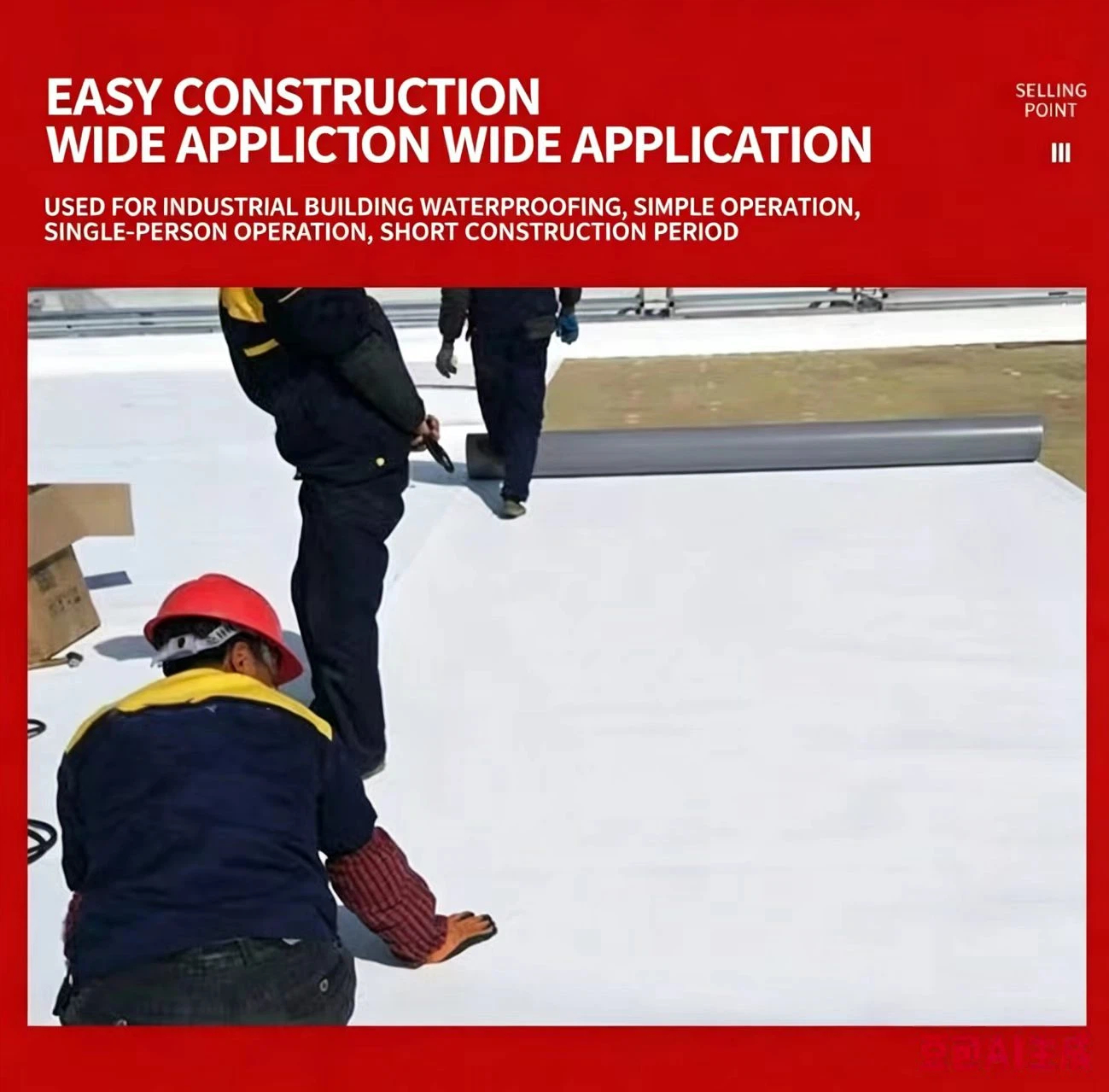
- Flat and exposed roofs: Often use bitumen membrane (SBS or APP), PVC membrane, or TPO membrane depending on climate and UV exposure.
- Basements and underground walls: May use self-adhesive membrane, pre-applied anti-adhesive membrane, or cement-based crystalline coatings.
- Tunnels, bridges, and municipal infrastructure: Typically specify reinforced sheet membranes plus joint reinforcement coatings.
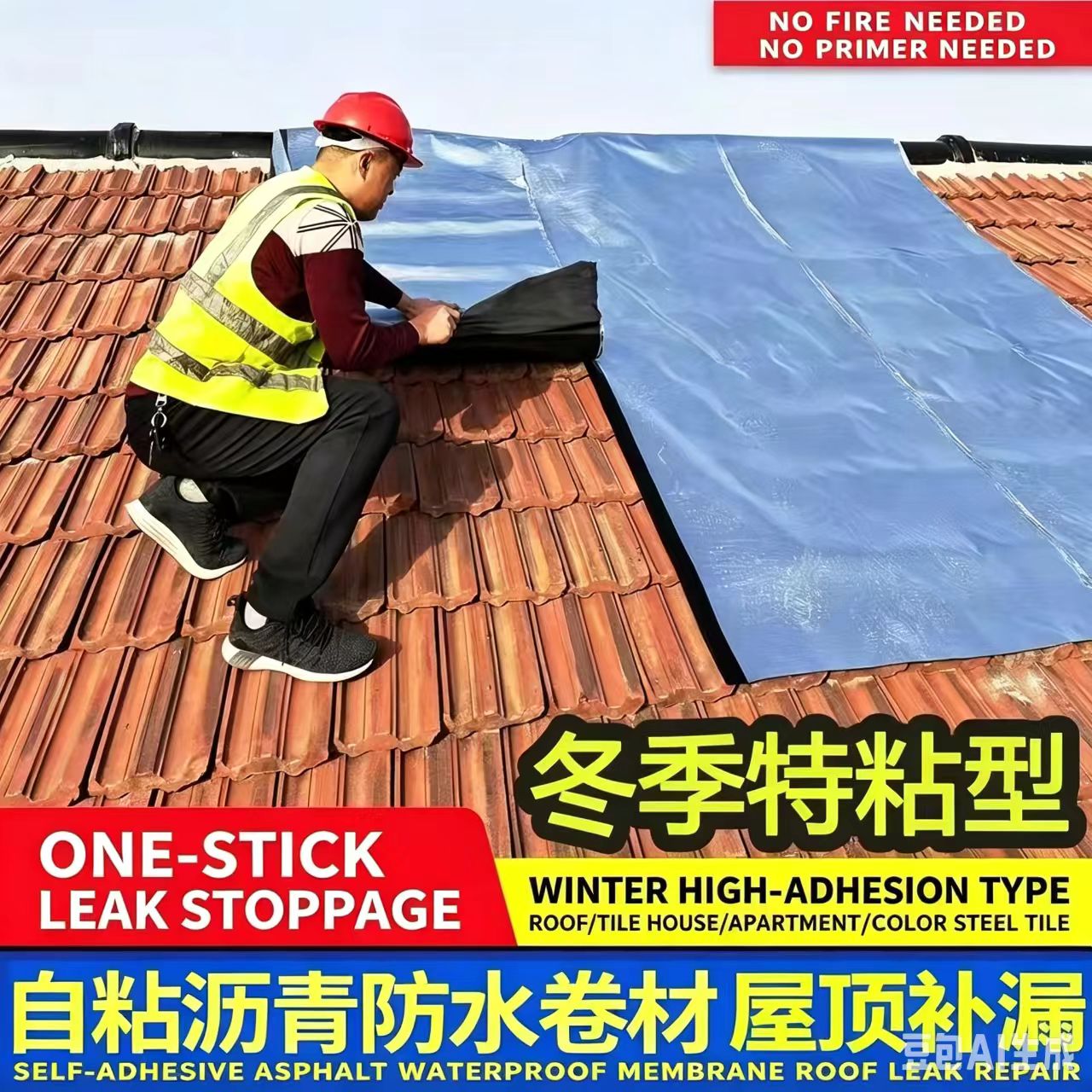
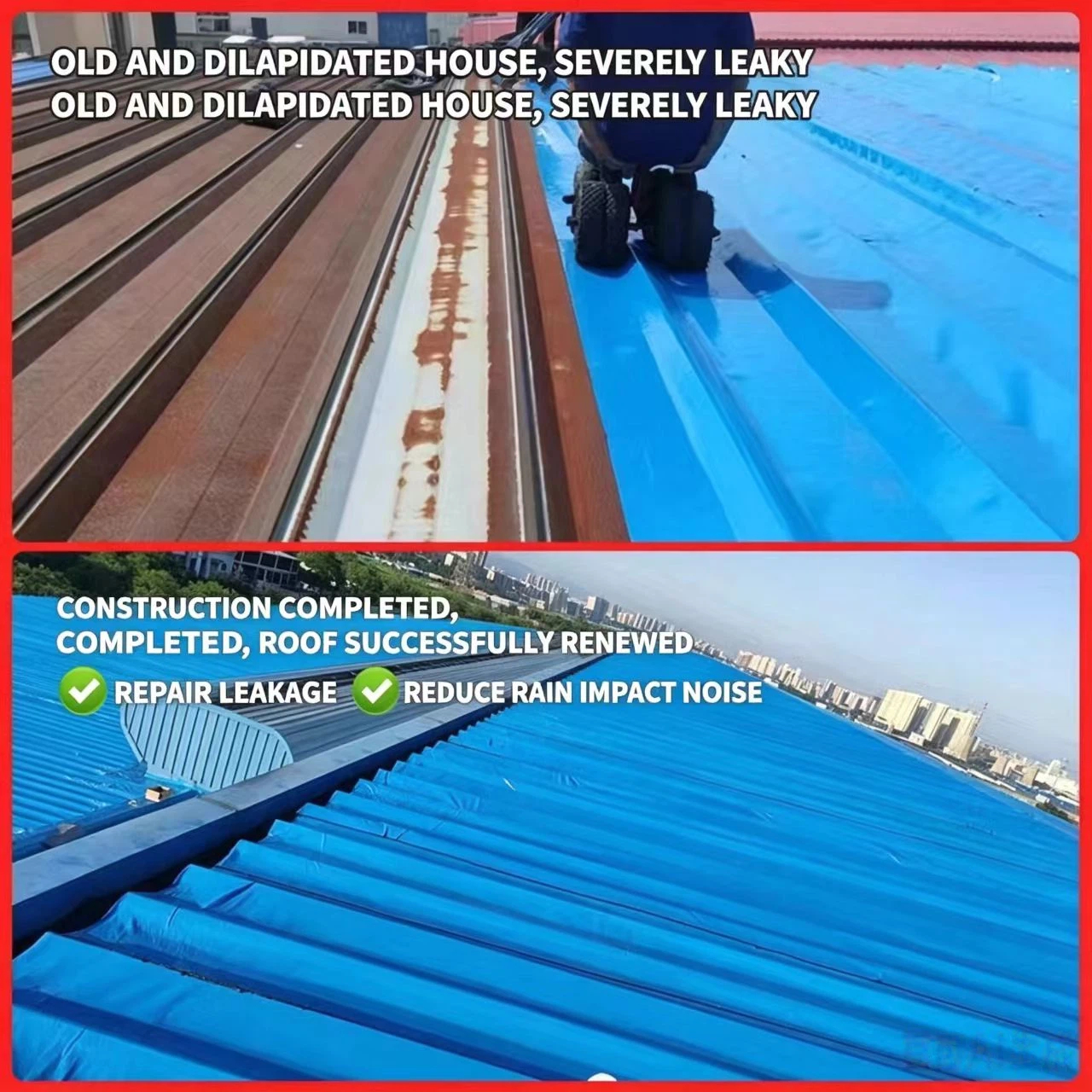
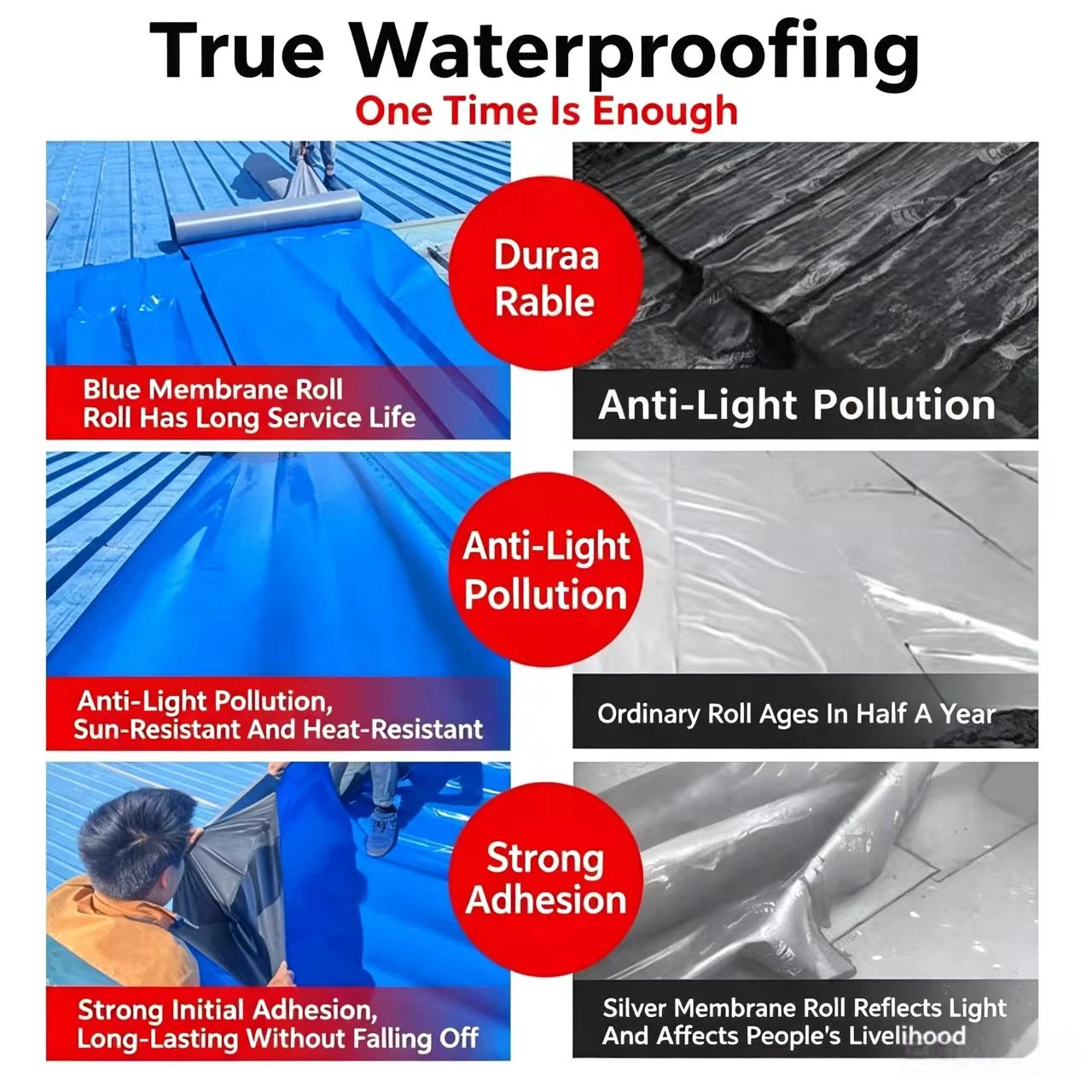
- Metal and color steel roofs: Suit self-adhesive membranes designed for metal substrates, plus butyl tape for overlaps and pipe openings.
- Kitchens, bathrooms, and small-scale work: Frequently use liquid coatings such as polyurethane, JS, or K11 mortar rather than sheet membranes.
- Repair and renovation: Non-curing asphalt coatings, acrylic elastic coatings, or self-adhesive membranes are common for existing surfaces.
Buyer decision table
| Project condition | Material option | What to confirm before inquiry | Notes |
|---|---|---|---|
| Exposed roof, hot climate | APP-type modified bitumen or reflective coating | Thickness, surface finish, UV exposure | Confirm whether membrane stays exposed or is covered |
| Exposed roof, cold climate | SBS modified bitumen membrane | Thickness, low-temperature flexibility need | SBS is often preferred where cold performance matters |
| Basement walls and floors | Pre-applied or self-adhesive membrane | Positive/negative side, water table | Pre-applied type suits blindside construction |
| Metal / color steel roof | Self-adhesive membrane for metal, butyl tape | Roof condition (new or old), overlap width | Substrate cleaning affects adhesion |
| Chemical or corrosive exposure | PVC or TPO membrane | Chemical type, welding method | Confirm compatibility with the specific media |
| Bathrooms, balconies, pools | Polyurethane, JS, or K11 coating | Area, number of coats, drying time | Liquid coatings suit detailed shapes |
How to choose specifications
Once you know the material category, the specification details determine both performance suitability and shipping cost. For sheet products such as a bitumen membrane or PVC/TPO/EPDM membrane, confirm the following before requesting a quotation:
- Thickness: Common sheet thickness ranges vary by material; confirm what your local specification requires.
- Roll width and length: Affects labor, waste, and container loading.
- Surface finish: Mineral, sand, film, or smooth finishes suit different exposure conditions.
- Reinforcement: Polyester or fiberglass carriers behave differently under stress and heat.
- Installation method: Torch-applied, self-adhesive, hot-air welded, or cold-applied changes site requirements.
- Packing: Rolls per pallet and pallet configuration affect the destination handling.
- Quantity and destination port: Needed for accurate freight and lead-time estimates.
For liquid coatings, confirm coverage rate, number of coats, component type (single or double), and container size. The right choice depends on substrate, climate, and application method, so share those details early.
Questions to prepare before requesting a quotation
- What is the substrate (concrete, metal, existing membrane, mortar)?
- Is the surface exposed to UV, or will it be covered or ballasted?
- What is the climate and temperature range at the project site?
- What total area or quantity do you need, and by when?
- Which installation method can your crew perform on site?
- What thickness or specification does the local project require?
- What is the destination port and preferred packing format?
- Do you need matching accessories such as tapes, primers, or reinforcement coatings?
Common mistakes and selection risks
A frequent error is ordering based only on a brand name without confirming the material type. A membrane called by the same general name can be bitumen, PVC, or a liquid coating, and these are not interchangeable. Another risk is ignoring the climate: a membrane that performs well in heat may behave differently in cold conditions, and the reverse also applies.
Buyers sometimes overlook installation compatibility. A torch-applied membrane needs open-flame work, which may not be allowed in certain buildings, in which case a self-adhesive membrane is more suitable. Underestimating packing and container efficiency can also raise landed cost. Finally, ordering the wrong thickness or skipping joint reinforcement at details is a common cause of later leaks, so confirm those points against your project drawings.
Getting the right product selection support
If you searched for a Mapei waterproof membrane, the most useful next step is to define your material category, substrate, and site conditions, then compare equivalent options. As a manufacturer of bitumen, PVC, TPO, EPDM, and self-adhesive membranes plus a range of waterproof coatings, we can help match a specification to your project and prepare a quotation based on thickness, packing, quantity, and destination port. Share your project details and we will suggest suitable options rather than a single fixed answer.