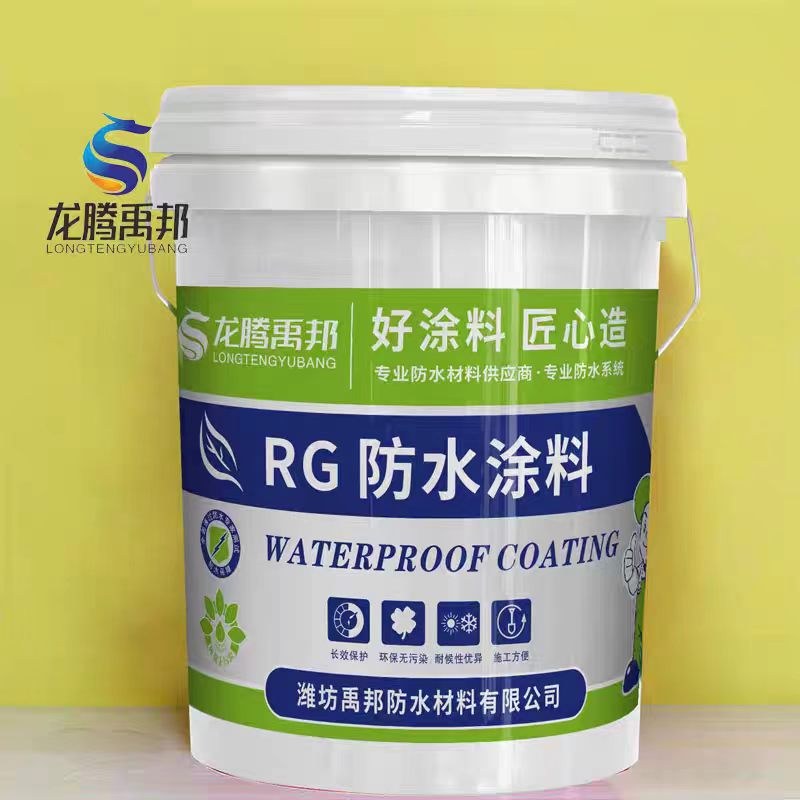
If you searched for Mapelastic Aquadefense, you are most likely a contractor, distributor, or procurement engineer looking for a ready-to-use elastic waterproof coating for wet areas such as bathrooms, balconies, terraces, and interior floors before tiling. This article explains what that product category is used for, and how to evaluate comparable waterproof coating options when you are sourcing materials for a project or building a distribution line.
The aim here is to help you make a specification and purchasing decision. It is not a claim that any single coating matches a specific branded formula. Instead, it covers how to describe your requirement clearly so a manufacturer can propose a suitable product and quote accurately.
Understanding the buyer intent behind Mapelastic Aquadefense
Mapelastic Aquadefense is widely known as a single-component, fast-drying liquid elastic waterproofing membrane applied under tiles and in wet rooms. Buyers who search this keyword usually want one of three things: to source the exact brand, to find a comparable acrylic or polymer elastic waterproof coating, or to understand whether a liquid-applied coating is the right choice versus a sheet waterproof membrane.
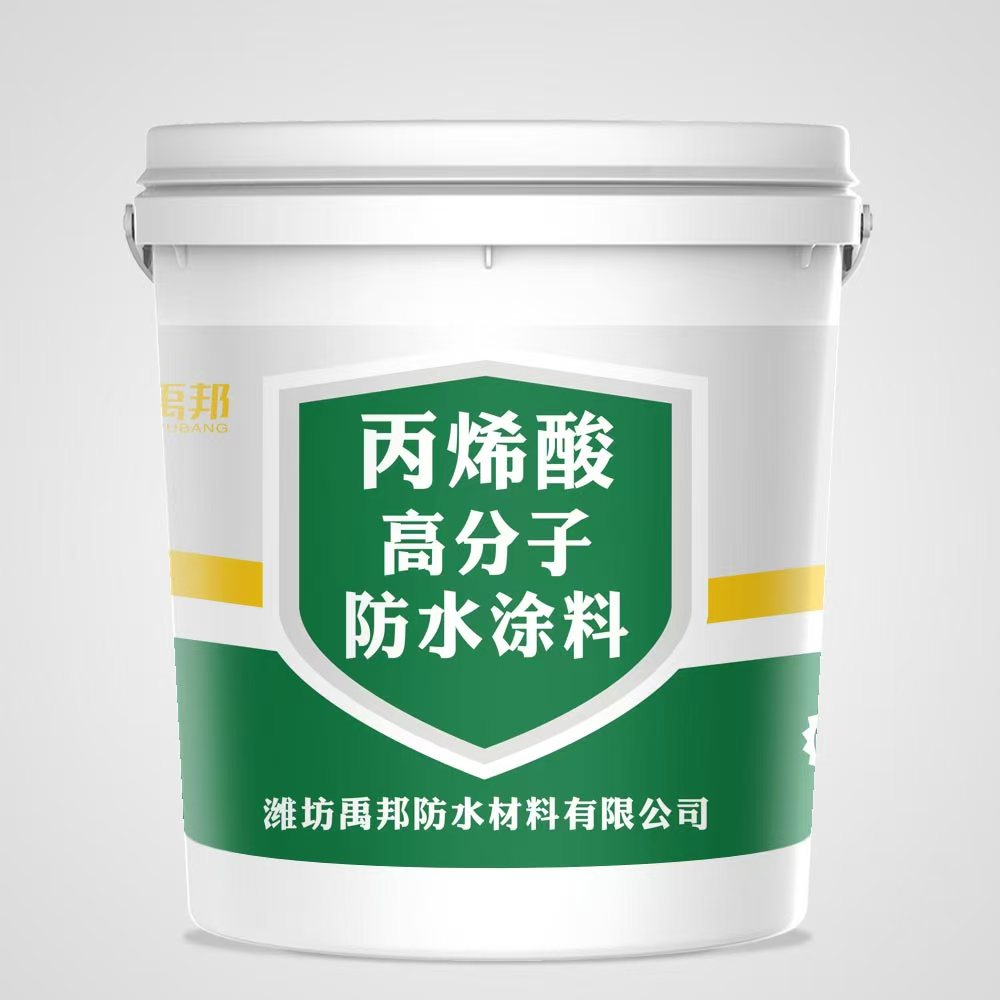
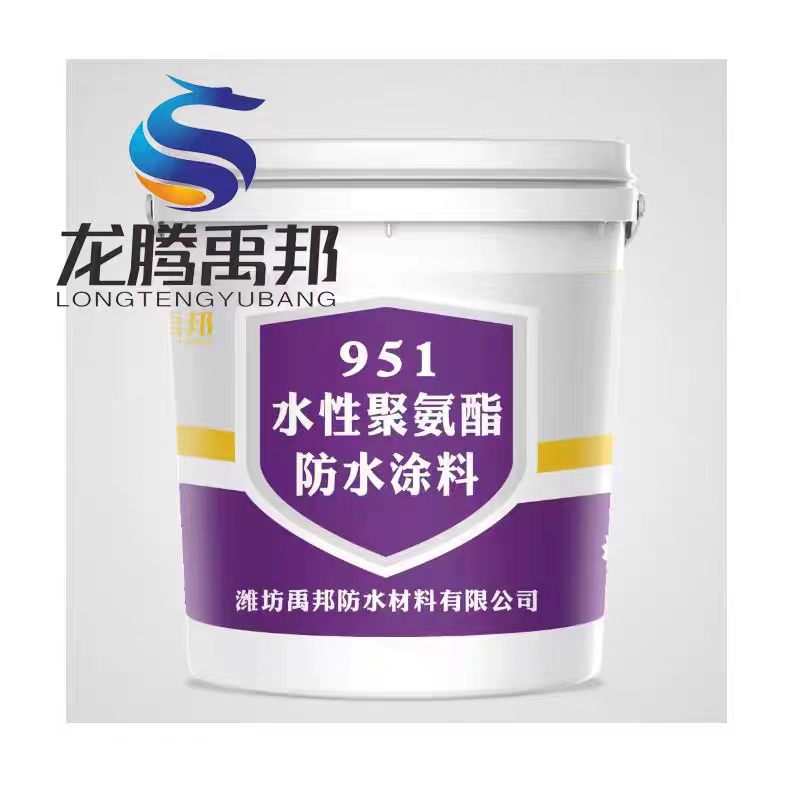
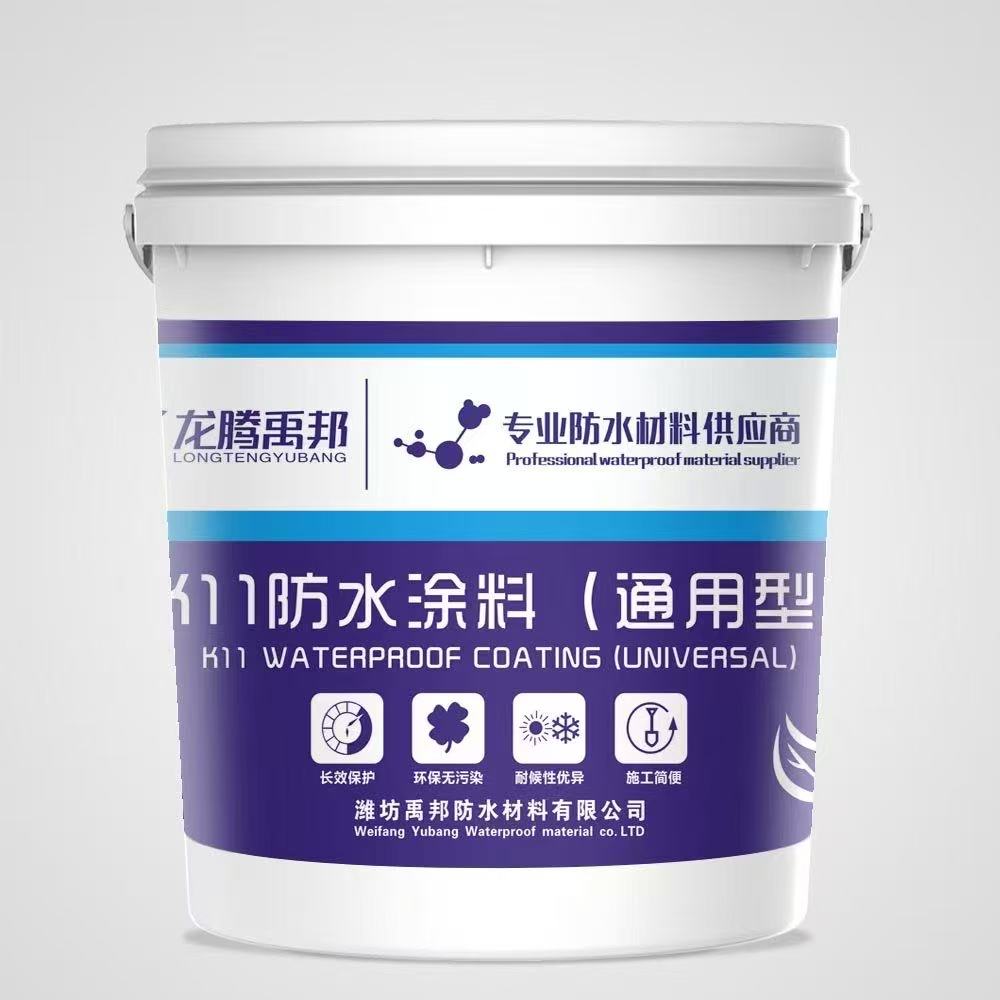
As a manufacturer, we cannot claim our products replicate a specific branded formulation or its published performance. What we can do is help you match the application: an elastic, crack-bridging, liquid-applied coating for wet-area and roofing waterproofing. If your real requirement is a tileable interior membrane, an acrylic elastic waterproof coating or a polymer cement-based (JS) coating is usually the relevant category to compare.
Common application scenarios
Elastic liquid waterproof coatings in this category are typically specified for:
- Bathrooms, kitchens, and laundry areas under tile or stone
- Balconies and terraces exposed to rain and thermal movement
- Interior wet walls and shower zones
- Roof waterproofing and roofing repair on suitable substrates
- Swimming pool surrounds and small water-retaining structures, subject to specification
- Renovation and repair of old surfaces where a seamless liquid coating is easier than a bitumen membrane or self-adhesive membrane
For large exposed roofs, basement waterproofing, tunnels, or metal roofs, a sheet system such as an SBS membrane, APP-type bitumen membrane, PVC, TPO, or EPDM membrane may be more appropriate. The correct choice depends on substrate, exposure, and movement.
Buyer decision table
| Project condition | Material option | What to confirm before inquiry | Notes |
|---|---|---|---|
| Bathroom / balcony under tile | Acrylic elastic waterproof coating or polymer cement (JS) coating | Substrate type, tile adhesive compatibility, dry film thickness | Interior wet-area category most similar to the searched product |
| Roof waterproofing, exposed | Acrylic elastic coating or polyurethane coating | UV exposure, slope, expected foot traffic, coats required | Confirm whether a reinforcement layer is needed |
| Concrete basement / negative side | Cement-based crystalline or JS coating | Water pressure direction, positive or negative side | Liquid elastic coatings may not suit high hydrostatic pressure |
| Irregular details, pipe penetrations | Polyurethane coating with reinforcement fabric | Joint width, movement, detailing method | Often combined with a membrane at critical points |
| Large exposed or metal roofs | Sheet membrane (SBS, PVC, TPO, EPDM, self-adhesive) | Roof area, substrate, fixing method | Sheet systems usually more economical at scale |
How to choose specifications
For liquid elastic waterproof coatings, the key variables are different from sheet membranes. When you request a quotation, be ready to define:
- Dry film thickness and coats: Waterproofing depends on total applied thickness, not just liters used. Confirm the target thickness for your specification.
- Coverage rate: Coverage varies with substrate roughness and number of coats. Ask for the recommended consumption per square meter.
- Reinforcement: Corners, joints, and cracks often need embedded fabric. Confirm whether it is included.
- Packing: Pail size, weight, and how many units per pallet affect freight.
- Quantity and destination port: Total volume and shipping destination determine packing and delivery planning.
- Shelf life and storage: Water-based coatings have temperature-sensitive storage. Confirm transit and warehouse conditions.
If your project uses sheet membrane instead, then thickness, roll width and length, surface finish, and reinforcement carrier become the main specification points.
Questions to prepare before requesting a quotation
- Is the application interior wet area, exposed roof, or below-grade?
- What is the substrate: concrete, screed, cement board, or existing tile?
- Will tiles be installed over the coating?
- What total surface area do you need to cover?
- What dry film thickness or local specification must be met?
- What is your destination port and required packing format?
- Do you need matching detailing products, such as tape or reinforcement fabric?
Common mistakes and selection risks
A frequent error is choosing a liquid coating by name alone without confirming the application matches. A tileable interior coating and a heavy-duty roof or basement system are not interchangeable. Another risk is under-applying: buyers order by price per liter without checking the required thickness, then apply too thin a film. For below-grade water pressure, a flexible surface coating alone may not be suitable, and a cementitious or crystalline system, or a sheet membrane, should be considered.
Finally, do not assume any two elastic coatings behave identically. Adhesion, drying time, and movement capability differ between formulations, so always confirm the datasheet against your substrate and climate before committing to a large order.
Conclusion
If you were searching for Mapelastic Aquadefense, the practical next step is to define your application, substrate, and required thickness, then let a supplier recommend a suitable waterproof coating. We can help you compare acrylic elastic, polyurethane, and cement-based options, or a sheet membrane system, based on your actual project. Share your application details and destination, and we will suggest a specification that fits.