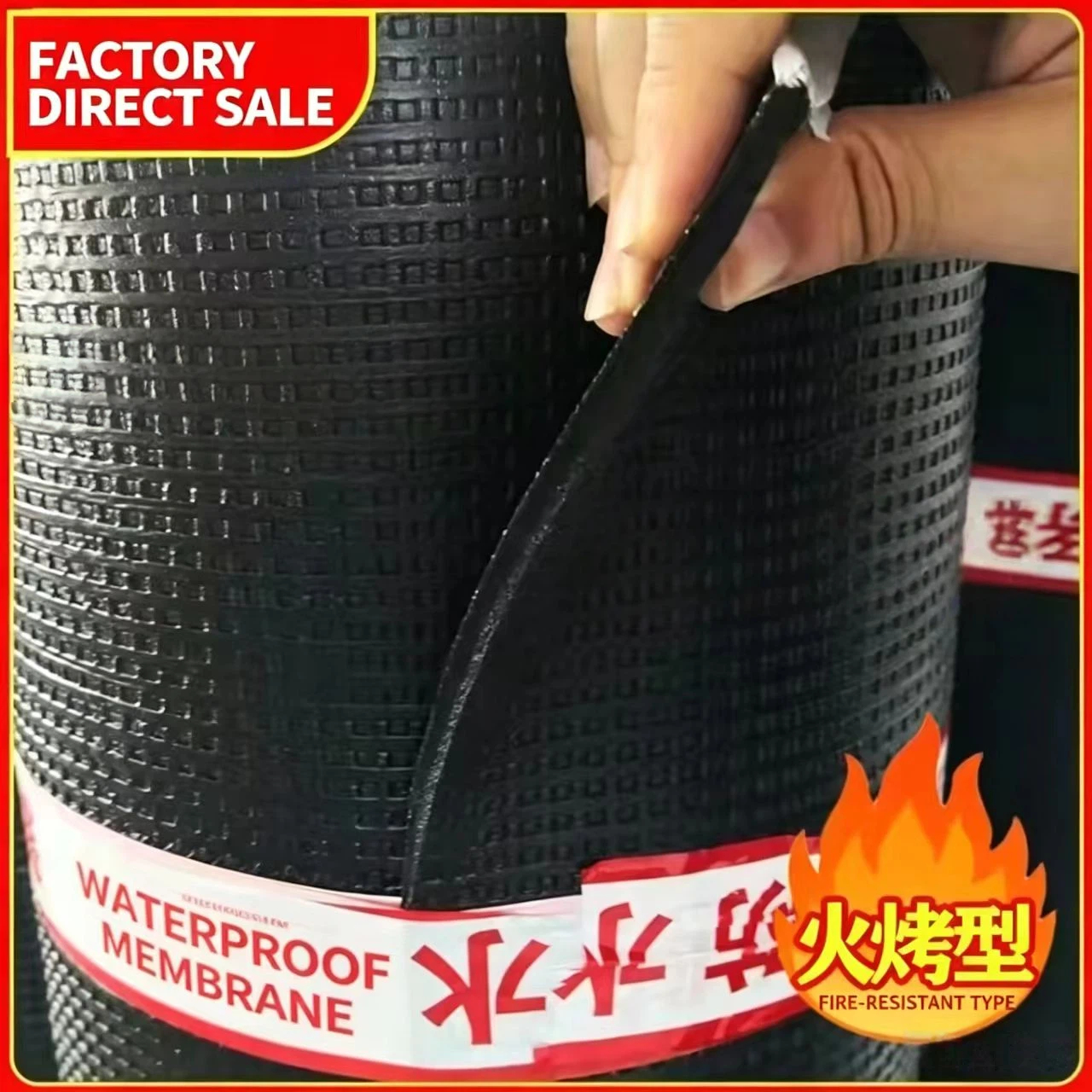
This guide is written for importers, waterproofing contractors, procurement engineers, and distributors who are comparing membrane bitumen products for roofing, basement, tunnel, or municipal projects. If you are trying to decide between SBS and APP, torch-applied and self-adhesive types, or you simply need to know what information a supplier requires before quoting, this article walks through the practical decisions.
Bitumen membrane is one of the most widely used waterproofing materials because it suits many substrates and climates. But "membrane bitumen" covers a wide product range, and the right choice depends on your project conditions, not on a single specification. Below we explain buyer intent, application scenarios, and how to prepare a clear inquiry.
Understanding the buyer intent behind "membrane bitumen"
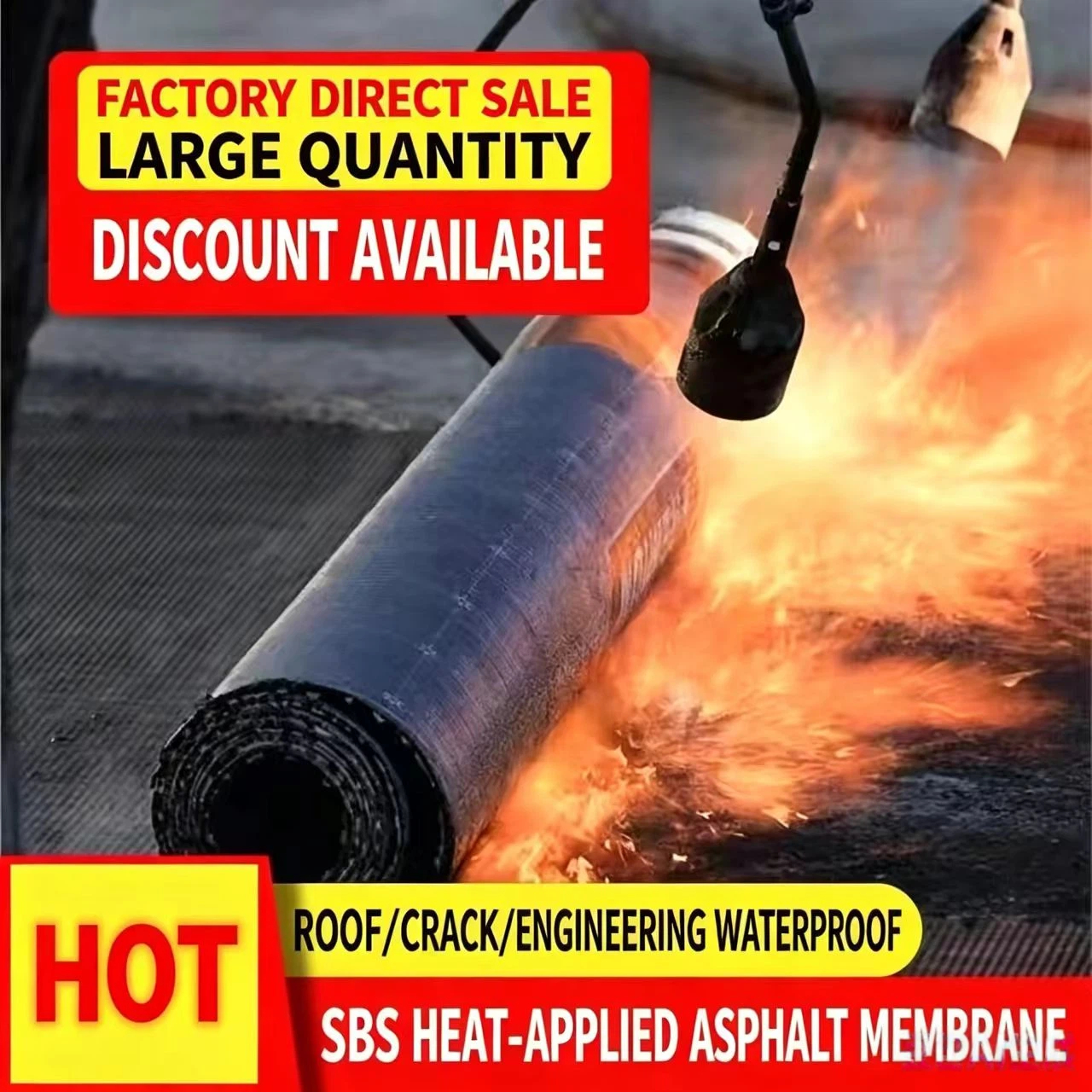
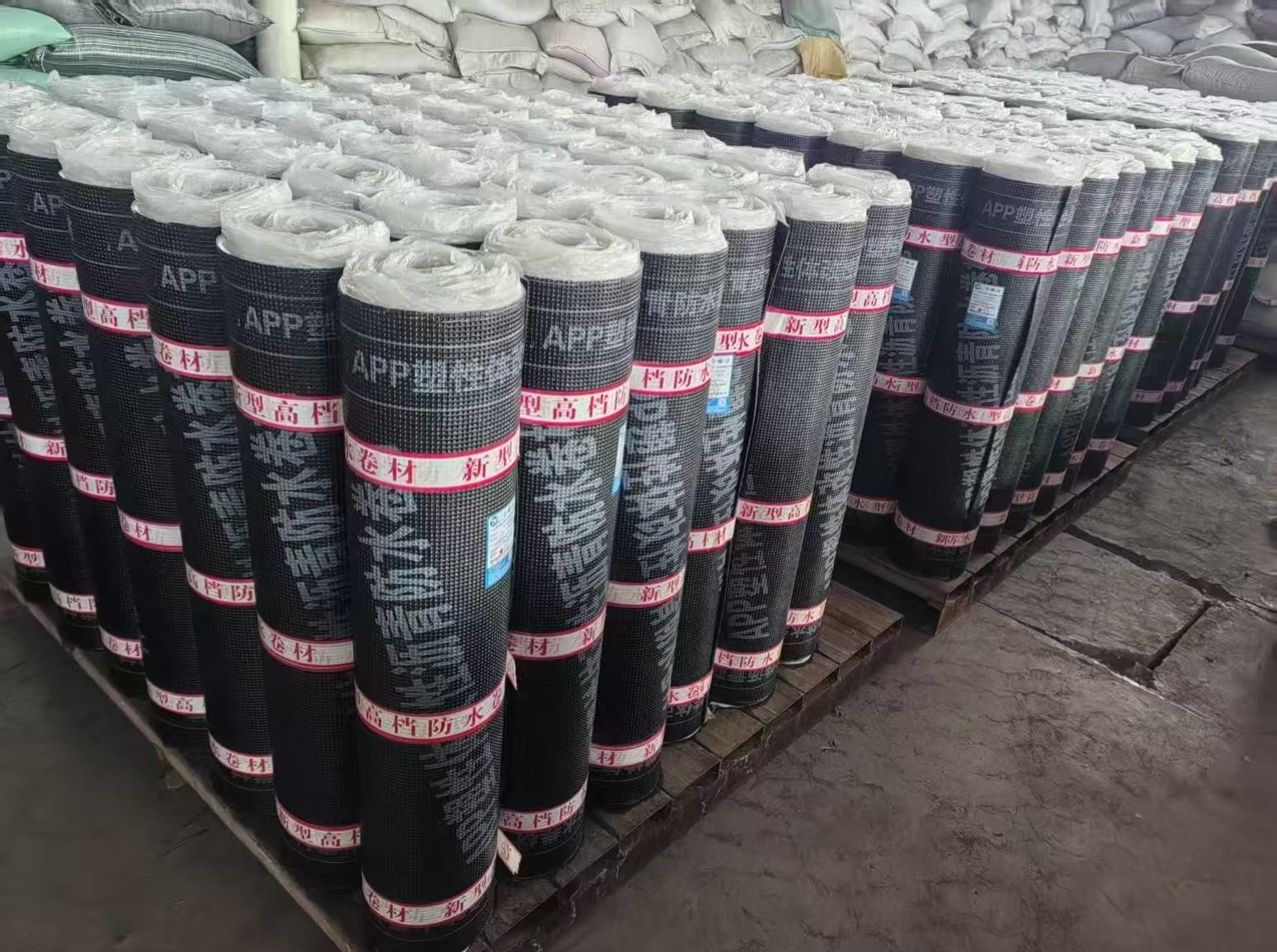
When buyers search for membrane bitumen, they usually want a bitumen-based waterproof membrane in roll form, applied to roofs, basements, or below-grade structures. The search often hides a more specific need: a modifier type (SBS or APP), an installation method (torch, hot air, or self-adhesive), a surface finish (mineral, sand, film, or foil), and a thickness.
Some buyers are sourcing for a specific project with a defined specification. Others are distributors building a product line and need a range of thicknesses and finishes. Clarifying which case you are in helps a supplier recommend the correct bitumen membrane rather than a generic offer. The core factors are always modifier, thickness, reinforcement carrier, and application condition.
Common application scenarios for bitumen membrane
Bitumen membrane is used across many project types, and each one changes the recommended specification:
- Flat and low-slope roofs: Exposed roofs often need a mineral-surfaced top layer for UV protection. Cold regions commonly favor SBS modified bitumen for low-temperature flexibility, while hot regions may consider APP membrane for heat resistance. Confirm with your climate and specification.
- Basements and below-grade walls: Both torch-applied and self-adhesive membranes are used. Pre-applied anti-adhesive types are designed for structures where the membrane is laid before the concrete pour.
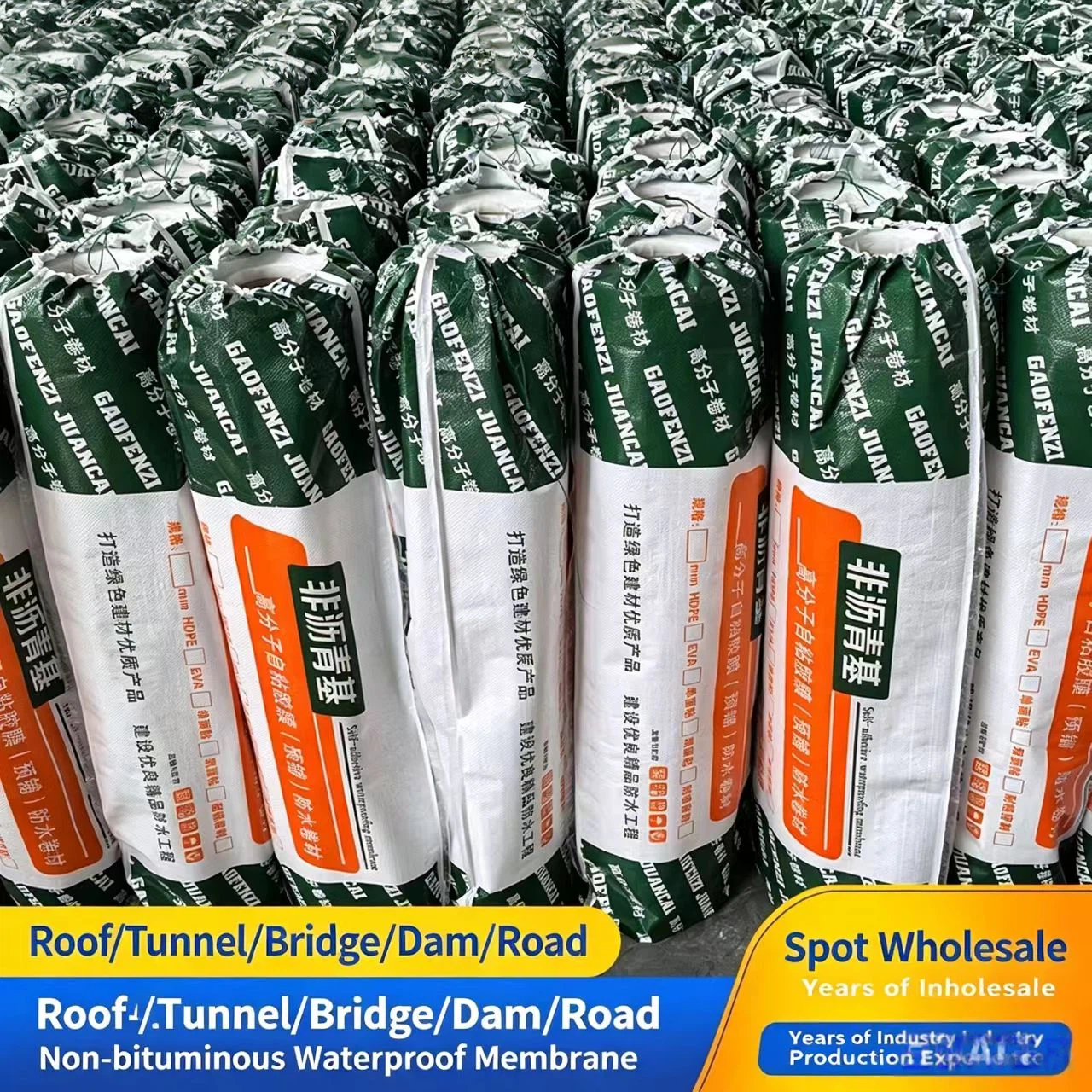
- Tunnels, bridges, and municipal infrastructure: These projects usually follow strict local specifications on thickness and carrier, so the design document should drive the selection.
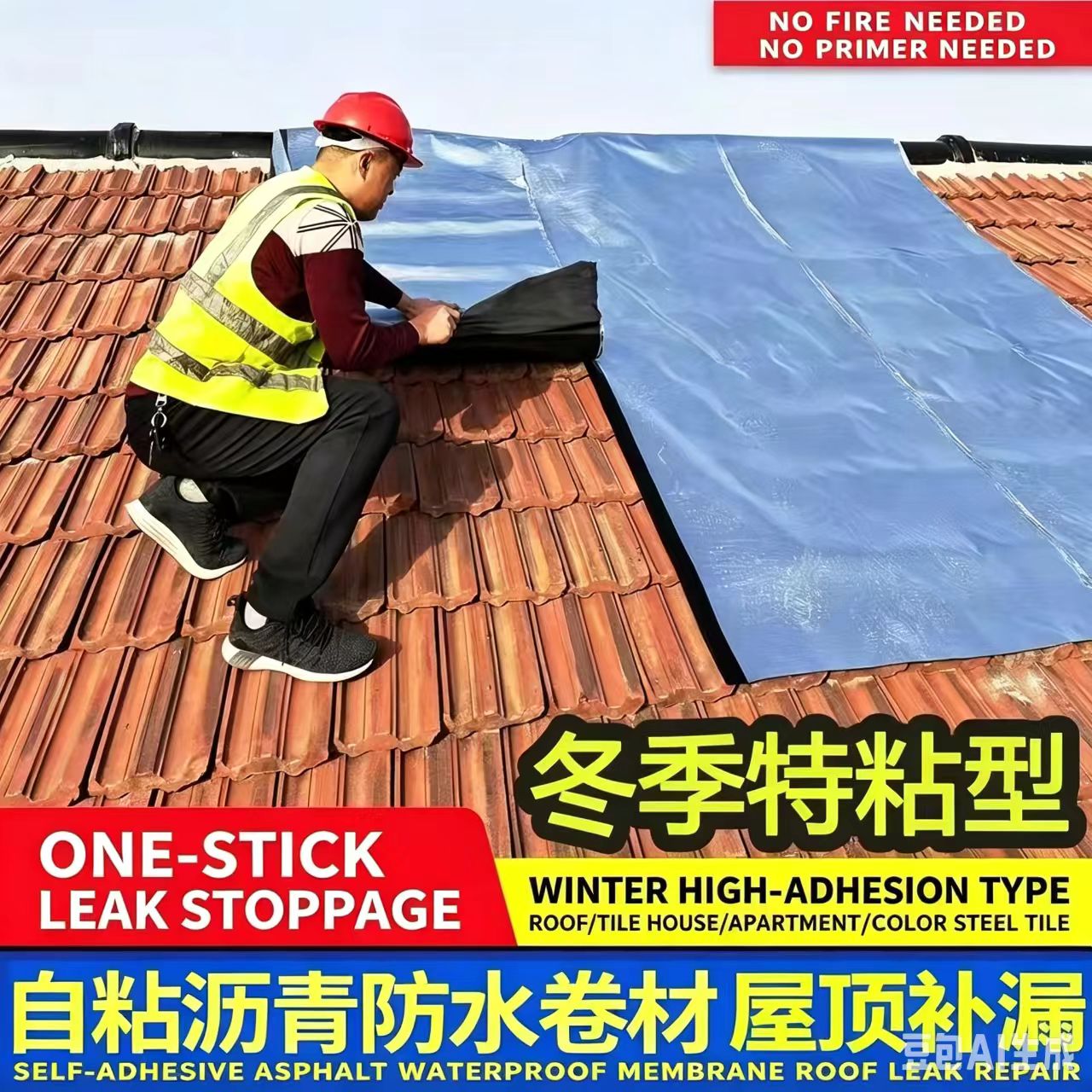
- Repair and renovation: Self-adhesive modified bitumen membrane is often preferred where open-flame torching is not allowed. Butyl tapes and coatings can support detailing at joints and penetrations.
For metal roofs, a polymer self-adhesive membrane made for color steel tiles is generally more suitable than standard bitumen sheet, so confirm the substrate before choosing.
Buyer decision table
| Project condition | Material option | What to confirm before inquiry | Notes |
|---|---|---|---|
| Cold climate exposed roof | SBS modified bitumen membrane | Thickness, surface finish, roll size | Low-temperature flexibility is a common reason to prefer SBS |
| Hot or high-temperature roof | APP modified bitumen membrane | Thickness, heat exposure, finish | Confirm suitability against your local specification |
| Renovation, no open flame allowed | Self-adhesive modified bitumen membrane | Substrate condition, primer needs | Useful where torching is restricted |
| Basement pre-applied to concrete | Pre-applied anti-adhesive self-adhesive membrane | Pour sequence, base preparation | Designed to bond to poured concrete |
| Joint sealing and reinforcement | Non-curing rubber asphalt coating | Compatibility with the membrane used | Often paired with a membrane rather than used alone |
How to choose specifications
Once the material family is clear, the specification details determine both performance fit and price. Confirm the following where relevant:
- Thickness: Common bitumen membrane thicknesses vary by project. The correct thickness should follow your project design or local specification.
- Roll width and length: Affects coverage, waste, and handling. Confirm the standard roll size and whether your project needs a specific format.
- Surface finish: Mineral, sand, polyethylene film, or foil finishes serve different exposure and bonding needs.
- Reinforcement carrier: Polyester or fiberglass carriers behave differently for elongation and dimensional stability. Ask which carrier is used.
- Installation method: Torch-applied, hot-air, or self-adhesive. This must match site rules and crew capability.
- Packing and quantity: Rolls per pallet, pallets per container, and total order volume affect logistics and cost.
- Destination port: Needed for freight and lead-time planning.
Questions to prepare before requesting a quotation
- What is the application: roof, basement, tunnel, bridge, or repair?
- What is the substrate and slope?
- What climate will the material face, and is the roof exposed or covered?
- Is open-flame torching allowed on site?
- What thickness, surface finish, and carrier does your specification require?
- What total quantity do you need, and what is the destination port?
- Do you have a project specification or standard we should match?
Common mistakes and selection risks
A frequent error is ordering by name only, such as asking for "bitumen membrane" without specifying modifier, thickness, or finish. This leads to mismatched offers and delays. Another risk is choosing a modifier that does not suit the climate, for example specifying a product for cold conditions without checking low-temperature behavior.
Buyers also sometimes overlook the installation method. A self-adhesive membrane and a torch-applied membrane are not interchangeable on site, and the wrong choice can slow the crew or fail at details. Finally, ignoring joint and penetration detailing is a common cause of leaks; membranes often need a compatible sealing product at critical points. Always confirm compatibility rather than assuming it.
Getting the right membrane bitumen for your project
Choosing membrane bitumen is a matter of matching modifier, thickness, finish, and installation method to your actual site conditions. If you share your application, climate, substrate, required specification, quantity, and destination port, we can help narrow the options to the products that fit. Send your project details and we will support the selection rather than push a single item.