This guide is written for importers, roofing contractors, procurement engineers, and distributors who need to select a roofing system and place an accurate order. If you are comparing quotes from several suppliers and are not sure which membrane fits your project, this article explains how to narrow the options before you request a price.
Membrane roof waterproofing covers a wide range of products, from bitumen membrane to polymer sheets. The right choice depends on your roof type, climate, exposure, and installation method. The aim here is to help you match a material to your conditions and prepare a clear technical brief for your supplier.
Understanding the Buyer Intent Behind Membrane Roof Waterproofing
When buyers search for membrane roof waterproofing, they usually want one of three things: to compare membrane categories for a specific roof, to confirm the specification for a project already designed, or to source a reliable supply for repeat orders. Each intent needs different information.
A contractor bidding on a project often needs to know which membrane meets the local specification and how it is installed. A distributor building a catalogue wants standard roll sizes and packing that move easily through their market. A procurement engineer usually has a drawing and a required thickness, and needs a matching product. Telling your supplier which of these describes you will speed up the whole quotation.
Common Application Scenarios for Roof Membranes
Roofing waterproofing is not one job. The same word covers very different site conditions, and each one points to a different material family.
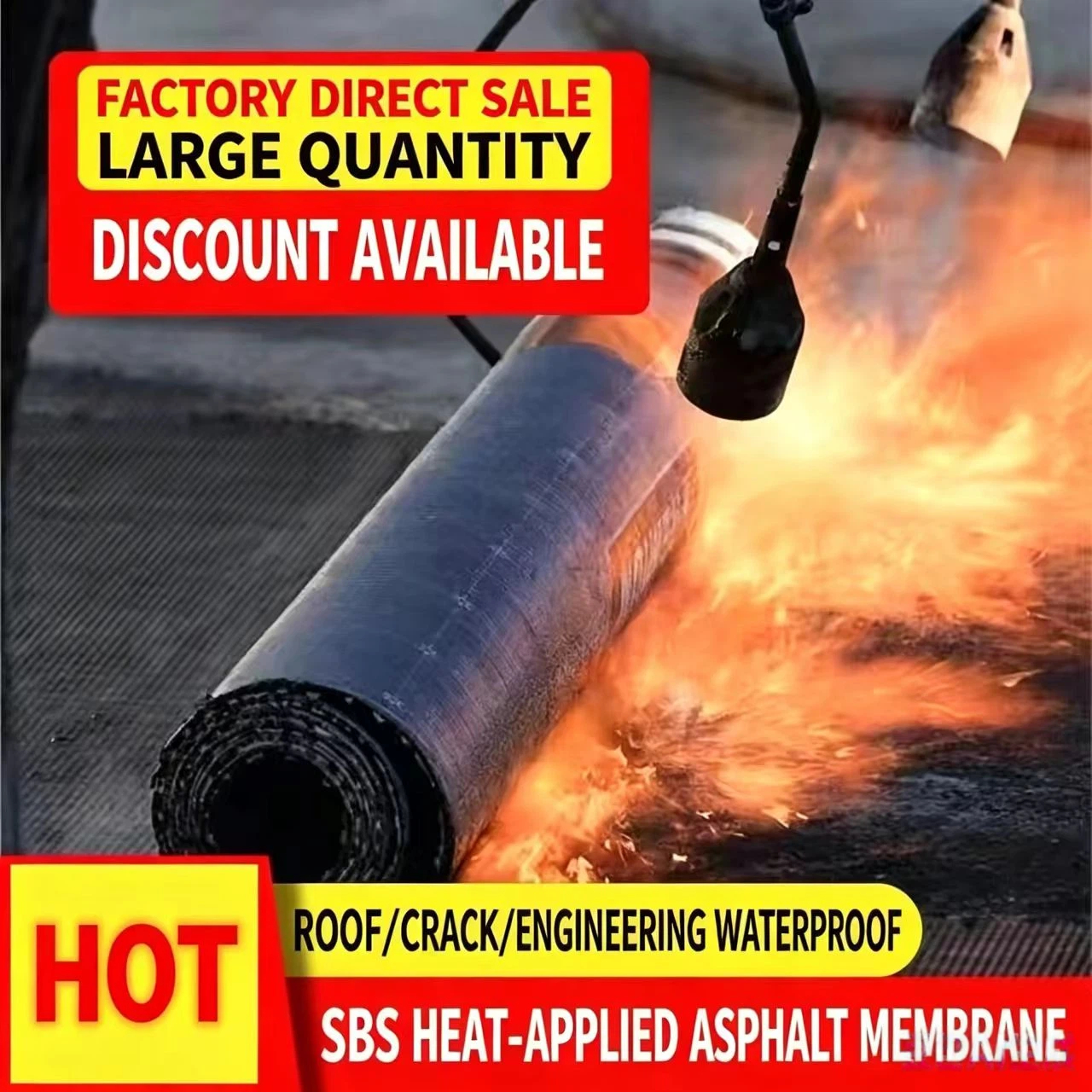
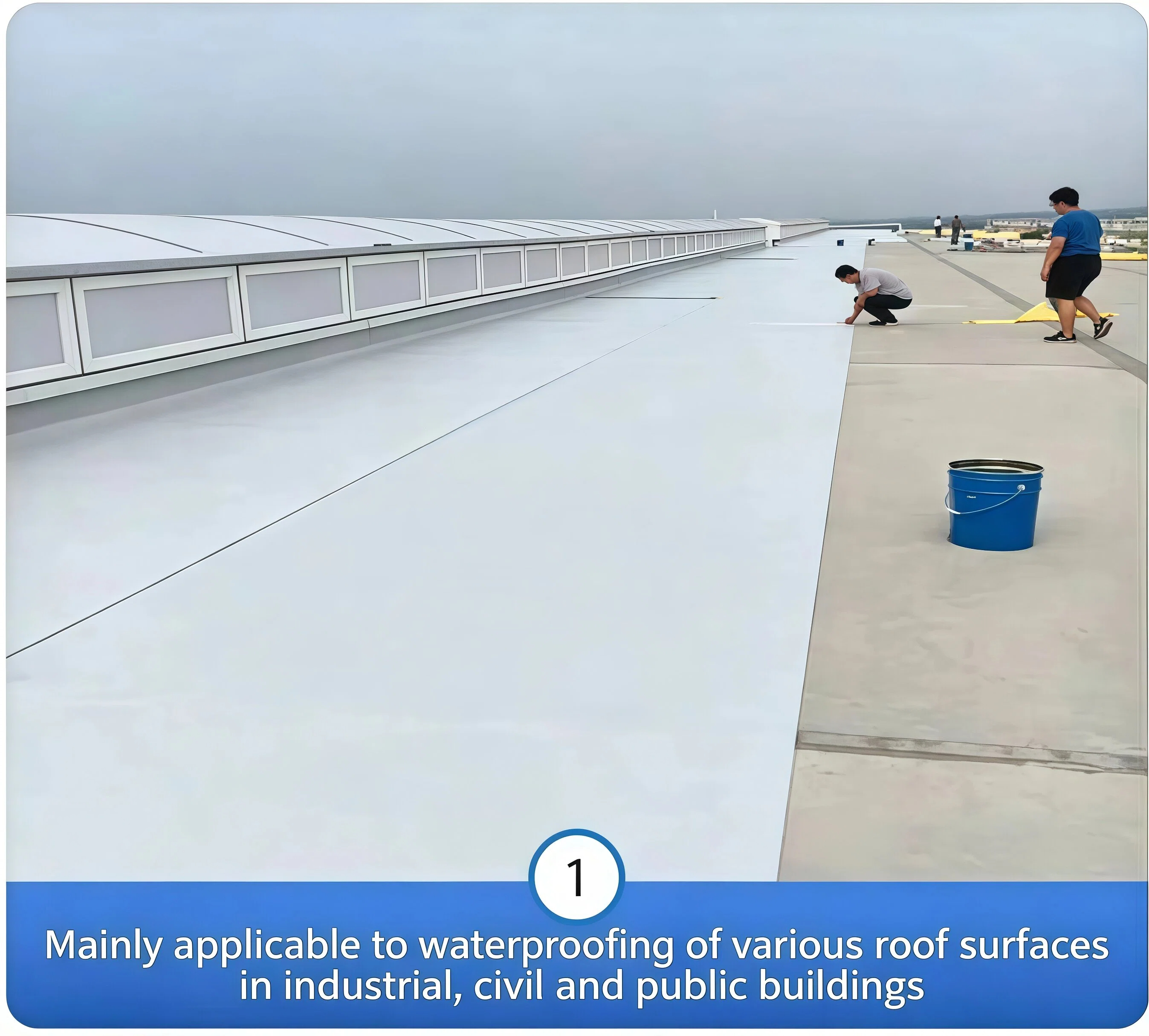
- Exposed flat concrete roofs: often use bitumen membrane (SBS or APP), PVC, or TPO membrane, depending on climate and whether the surface stays visible to UV.
- Metal and color steel tile roofs: commonly use a self-adhesive membrane made for metal substrates, sometimes combined with tape for overlaps and fasteners.
- Roofs in hot regions: may combine a membrane with a reflective thermal insulation coating to reduce surface heat.
- Repair and renovation work: often uses self-adhesive membrane or coatings where open flame is not allowed and the old surface must stay in service.
- Roofs connected to basements or podiums: may require compatibility between the roof membrane and the underground waterproofing system.
APP membrane is generally associated with hot climates, while SBS membrane is more common in cold regions because of its low-temperature flexibility. Single-ply PVC, TPO, and EPDM membranes are widely used on exposed roofs where a lighter, weldable or mechanically fixed sheet is preferred. The correct match should always be confirmed against your climate and local specification.
Buyer Decision Table for Roof Membranes
| Project condition | Material option | What to confirm before inquiry | Notes |
|---|---|---|---|
| Exposed concrete roof, hot climate | APP modified bitumen membrane or reflective coating combination | Thickness, surface finish, UV exposure | Confirm whether the surface is trafficked or purely protective |
| Exposed concrete roof, cold climate | SBS modified bitumen membrane | Thickness, low-temperature flexibility requirement | Non-exposed use may need a protection layer |
| Metal / color steel tile roof | Self-adhesive membrane for metal substrates, plus butyl tape | Substrate condition, overlap detail, roof slope | Old roofs need cleaning and rust assessment |
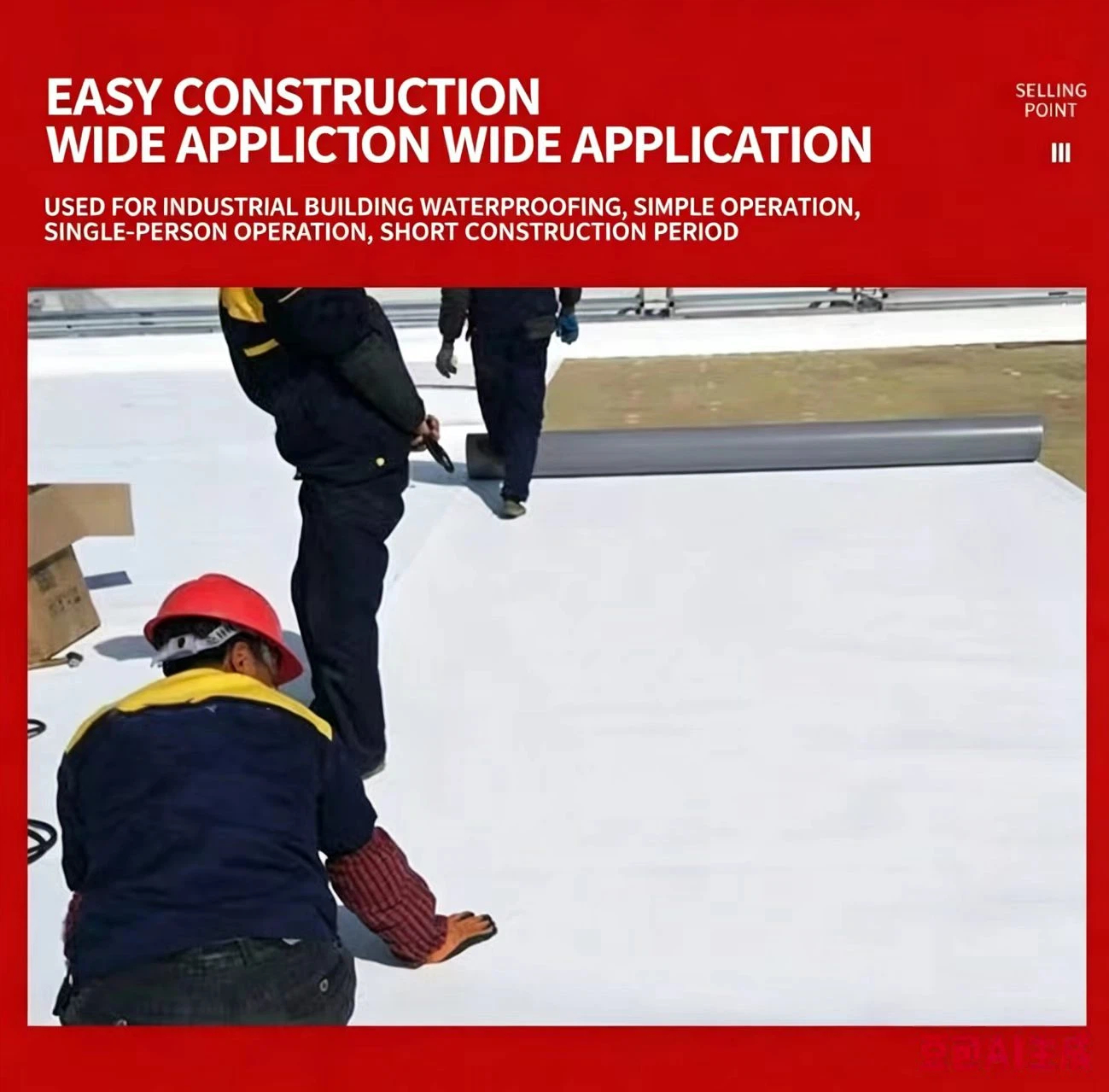
| Large exposed roof, weldable system preferred | PVC or TPO membrane | Thickness, reinforcement, fixing method | Confirm welding equipment availability on site |
| Roof exposed to chemicals or harsh weather | EPDM or PVC membrane | Exposure type, detailing at penetrations | Chemical resistance must match the specific environment |
| Flame-restricted repair work | Self-adhesive modified bitumen membrane or coating | Substrate, ambient temperature, area size | Suitable where torch application is not allowed |
How to Choose the Right Specification
Once you know the material family, the specification decides the price and the fit. The main points to define are:
- Thickness: bitumen membranes are usually specified in millimeters; single-ply membranes in fractions of a millimeter. This is often set by the local specification or the designer.
- Roll width and length: standard sizes affect labour, waste, and container loading. Confirm what your crew and market expect.
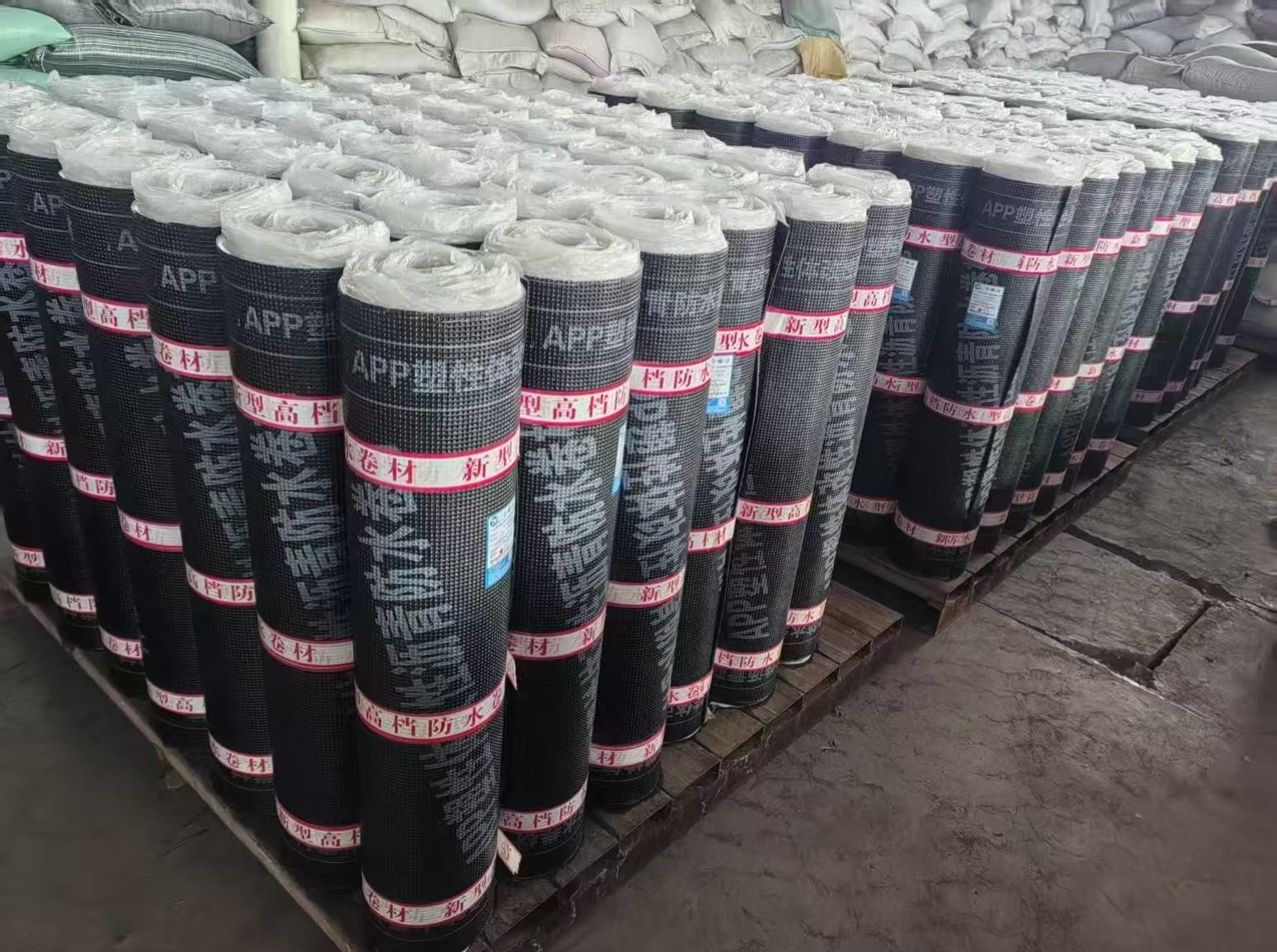
- Surface finish: mineral, film, sand, or plain surfaces for bitumen membrane; smooth or reinforced sheets for polymer membranes.
- Reinforcement: polyester or fiberglass carrier for bitumen membrane; internal scrim for PVC/TPO membrane, which affects strength.
- Installation method: torch-applied, self-adhesive, hot-welded, or mechanically fixed. This must match your site conditions and labour.
- Packing and quantity: confirm rolls per pallet, pallets per container, and total area required so loading is efficient.
- Destination port: affects lead time and shipping arrangement, so include it early.
If any of these depend on your drawings, share the specification sheet so the supplier can match rather than guess.
Questions to Prepare Before Requesting a Quotation
- What is the roof type and substrate: concrete, metal, or an existing membrane?
- Is the membrane exposed to sunlight, or covered by a protection layer?
- What is the climate at the project site, especially peak and low temperatures?
- What thickness and roll size does your specification require?
- Which installation method will the crew use on site?
- What is the total area, and what is your target quantity or container volume?
- What is the destination port and required delivery time?
- Are there any local standards or approvals the material must meet?
Common Mistakes and Selection Risks
Several avoidable problems come up during procurement. Ordering by name alone, such as asking only for a bitumen membrane without stating thickness, surface, or reinforcement, usually leads to a mismatched quote. Choosing a membrane by price before confirming the installation method is another frequent issue, since a self-adhesive system and a torch system are not interchangeable on every site.
Ignoring climate is a real risk: a membrane suited to a hot region may not behave the same way in a cold one. On metal roofs, skipping substrate preparation or overlap detailing often causes leaks regardless of membrane quality. For chemical or heavily exposed environments, always confirm that the specific membrane suits the exact exposure, rather than assuming all polymer sheets perform alike. When in doubt, ask for material recommendations based on your conditions instead of copying a spec from a different project.
Get Help Matching the Right Membrane to Your Project
Choosing a roof membrane is easier when the material is matched to your substrate, climate, and installation method. If you share your roof type, thickness requirement, quantity, and destination port, our team at Shandong Yubang New Waterproof Materials Co., Ltd. can suggest suitable options and prepare a clear quotation. Send your project details and we will help you compare the practical choices before you decide.