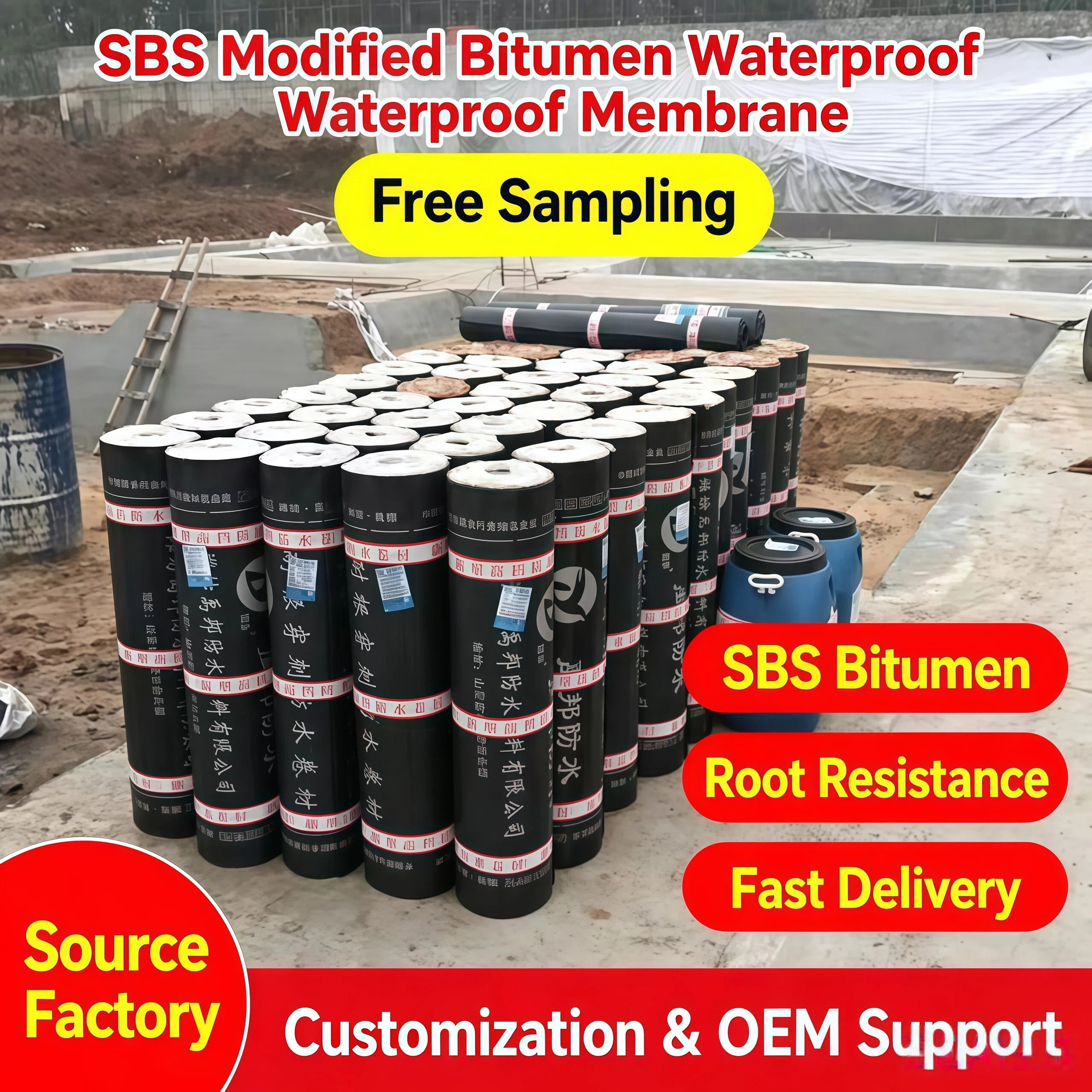
This article is written for importers, waterproofing contractors, distributors, and project procurement engineers who need to compare a membrane waterproofing price without getting misled by numbers that look similar on paper. If you have received several quotes and they seem far apart, the reason is usually hidden in specification differences, not simple markup.
The aim here is to help you read a quotation correctly, ask the right questions, and match the membrane type to your actual project. Price only becomes meaningful once material type, thickness, reinforcement, and packing are clearly defined.
What buyers really mean when they search membrane waterproofing price
When a buyer looks up membrane waterproofing price, the search is rarely about a single figure. Most are trying to do one of three things: build a rough budget for a tender, compare suppliers on a like-for-like basis, or decide between a bitumen membrane and a polymer waterproof membrane such as PVC, TPO, or EPDM.
Price per square meter or per roll changes with material family, membrane thickness, carrier and reinforcement, surface finish, and order quantity. A low unit price on a thin membrane may cost more once you account for overlaps, application labor, and repair risk. So the useful question is not "what is the price," but "what is the price for the exact specification my project needs, delivered to my port."
Common application scenarios that affect membrane selection
Different projects push you toward different membranes, and that choice sets the price range before any negotiation begins.
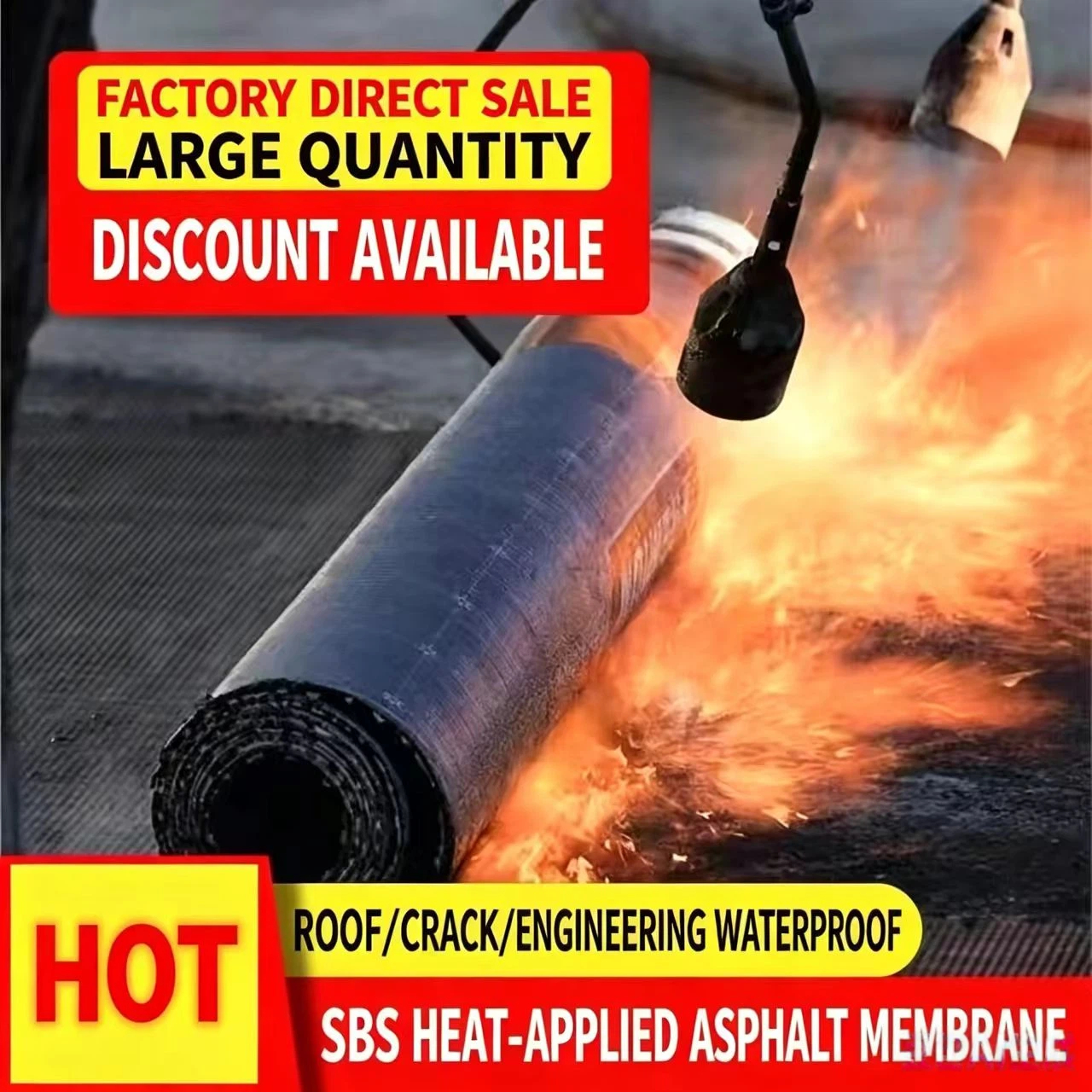
- Exposed roofing waterproofing: SBS or APP modified bitumen membrane, or single-ply PVC and TPO membrane where a light-colored exposed surface is wanted.
- Basement waterproofing and tunnels: pre-applied anti-adhesive self-adhesive membrane, SBS membrane, or crystalline and cementitious coatings used together with sheet membranes.
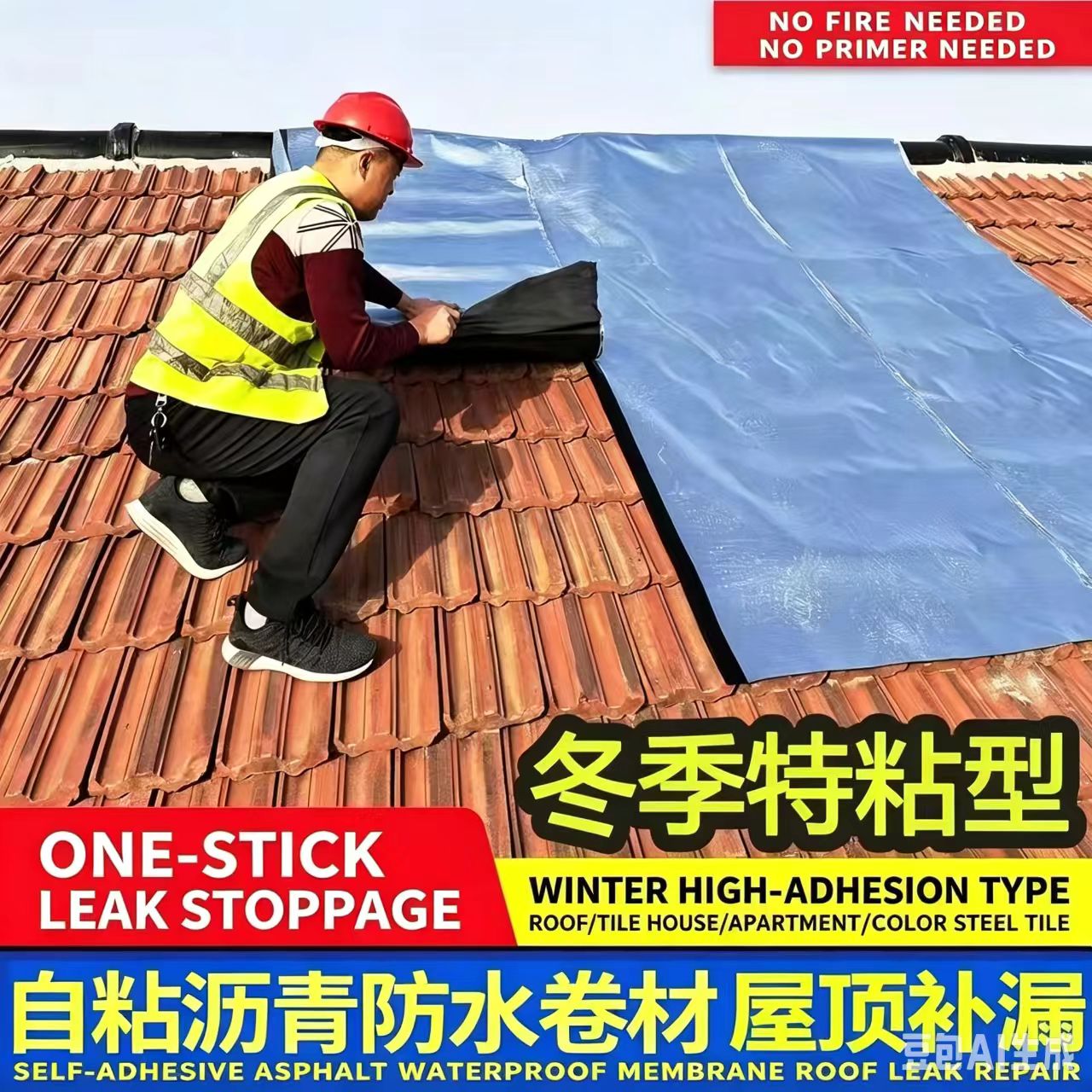
- Metal and color steel tile roofs: polymer self-adhesive membrane made for metal substrates, often combined with butyl sealing tape at overlaps.
- Bridges and municipal infrastructure: modified bitumen membrane selected for the local climate, hot or cold.
- Repair and renovation work: self-adhesive membrane where open flame is not allowed, plus liquid coatings for detailing.
Because each scenario can use more than one material, confirm the substrate, climate, and whether the surface will be exposed before comparing any price.
Buyer decision table for membrane waterproofing
| Project condition | Material option | What to confirm before inquiry | Notes |
|---|---|---|---|
| Exposed roof, hot climate | APP modified bitumen or SBS membrane | Thickness, surface finish, roll size | Surface finish affects exposed durability and price |
| Cold region roofing | SBS modified bitumen membrane | Low-temperature flexibility requirement, thickness | Confirm expected local climate range |
| Basement floor and walls | Pre-applied self-adhesive membrane | Substrate, positive or negative side, overlap method | Often paired with coatings for detailing |
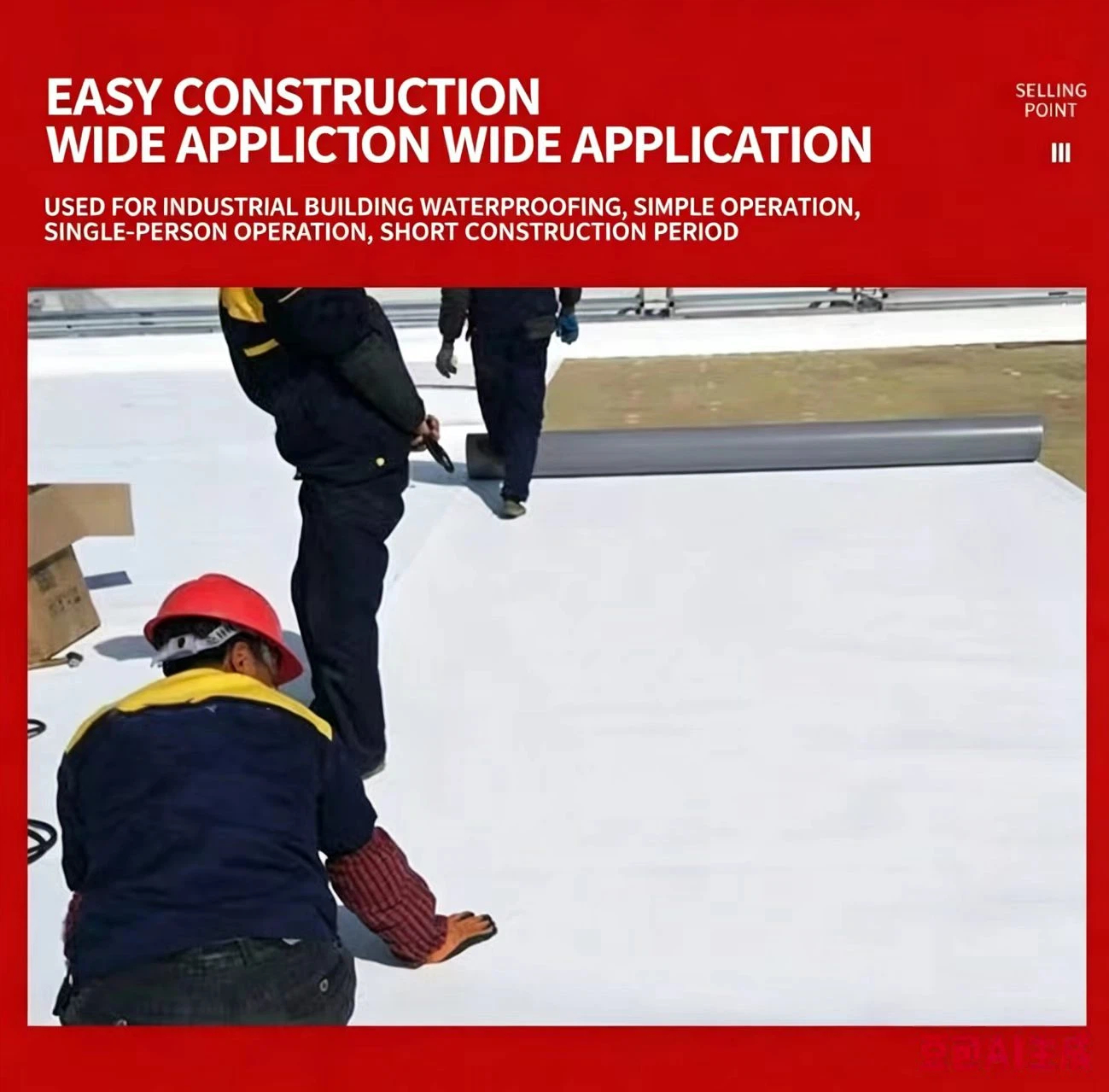
| Single-ply exposed roof | PVC or TPO membrane | Thickness, reinforcement type, welding method | Reinforced sheets differ in price from non-reinforced |
| Metal / color steel roof | Polymer self-adhesive membrane for metal | Roof condition, new or repair, overlap sealing | Butyl tape often added at seams |
| No open flame allowed | Self-adhesive modified bitumen membrane | Thickness, primer needs, substrate | Common in renovation projects |
How to choose the right specification
Once material family is set, specification drives the final quote. Clarify these points so suppliers price the same thing:
- Thickness: commonly the single largest cost factor for both bitumen and polymer membranes. Match it to your specification, not to the cheapest option.
- Roll width and length: affects coverage, waste, and handling on site.
- Surface finish: for bitumen membranes this may be sand, film, or mineral. It influences exposed performance and cost.
- Reinforcement or carrier: polyester, fiberglass, or scrim reinforcement changes tensile behavior and price.
- Installation method: torch-applied, self-adhesive, hot-air welded, or loose-laid. This determines which membrane type fits your crew.
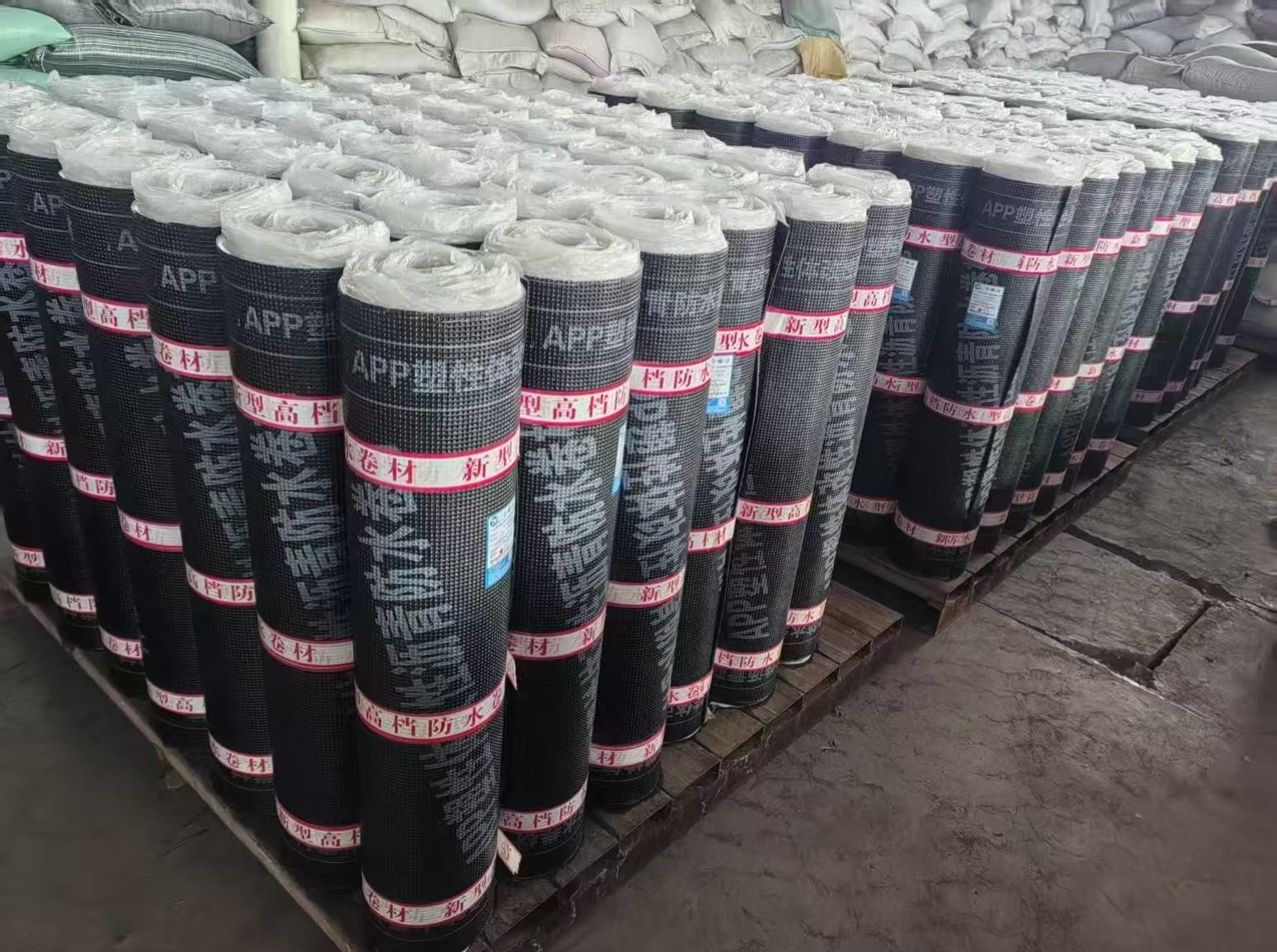
- Packing: rolls per pallet, protection, and labeling should be agreed for the destination.
- Quantity and destination port: order volume and shipping terms strongly affect the delivered price, so state both early.
Questions to prepare before requesting a quotation
- What is the substrate, and is the surface exposed or covered?
- What thickness and roll size does your specification or tender require?
- What climate will the project face, hot, cold, or mixed?
- Which installation method will the site crew use?
- What total quantity do you need, and for how many phases?
- What is your destination port and preferred shipping term?
- Do you need matching accessories such as primer, tape, or liquid coating for detailing?
Sending these details in one message usually shortens the back-and-forth and produces a more accurate membrane waterproofing price.
Common mistakes and selection risks
The most frequent error is comparing prices across different thicknesses or reinforcements as if they were equal. A thinner membrane will almost always quote lower, but it may not meet your specification. Another risk is ignoring the installation method: a self-adhesive membrane and a torch-applied membrane suit different sites and crews, and choosing the wrong one raises labor cost or causes application problems.
Buyers also sometimes overlook packing and port details, which can change the landed cost significantly. Finally, treating one membrane as universally correct is a mistake. The right choice depends on substrate, climate, and exposure, so a material that suits a roof may not suit a basement.
Getting the right membrane, not just the lowest number
A good quote starts with a clear specification. If you tell us the substrate, thickness, climate, installation method, quantity, and destination port, we can recommend suitable membrane options and explain the trade-offs behind each price. Reach out for product selection support so the number you receive reflects the material your project actually needs.