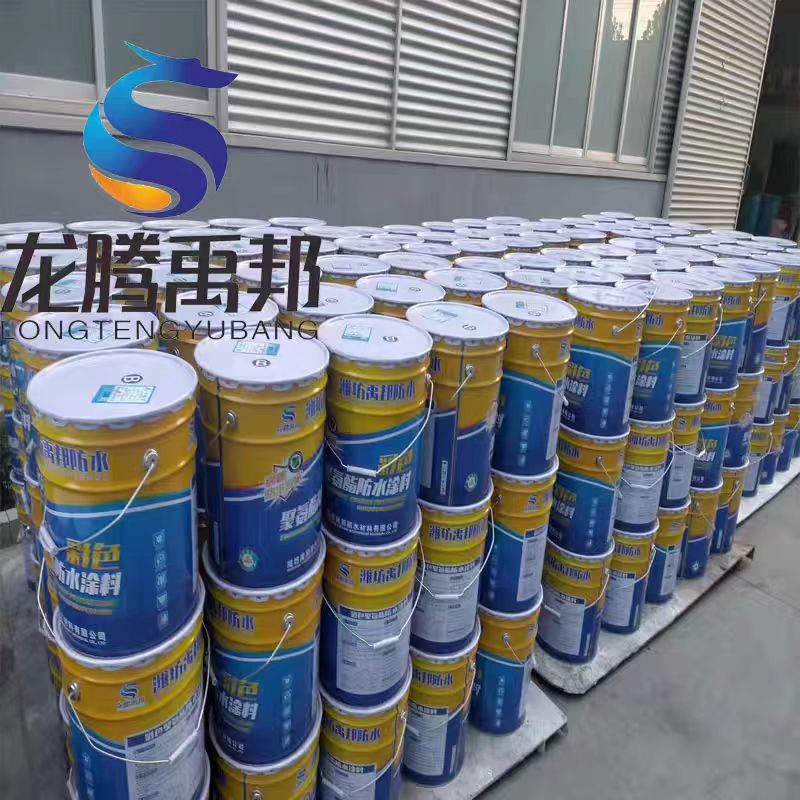
This guide is written for importers, waterproofing contractors, procurement engineers, and distributors who are evaluating polyurethane waterproofing coating for a specific project or a resale inventory. It focuses on the practical decisions you face: which type fits your substrate, what to confirm before you inquire, and how to avoid ordering material that does not match your site conditions.
Polyurethane coating is a liquid-applied membrane. It cures into a continuous elastic film without laps, which makes it useful on complex shapes where sheet membranes are harder to fit. Below we explain the buyer intent, common uses, and the questions that make a quotation faster and more accurate.
Understanding the buyer intent behind this keyword
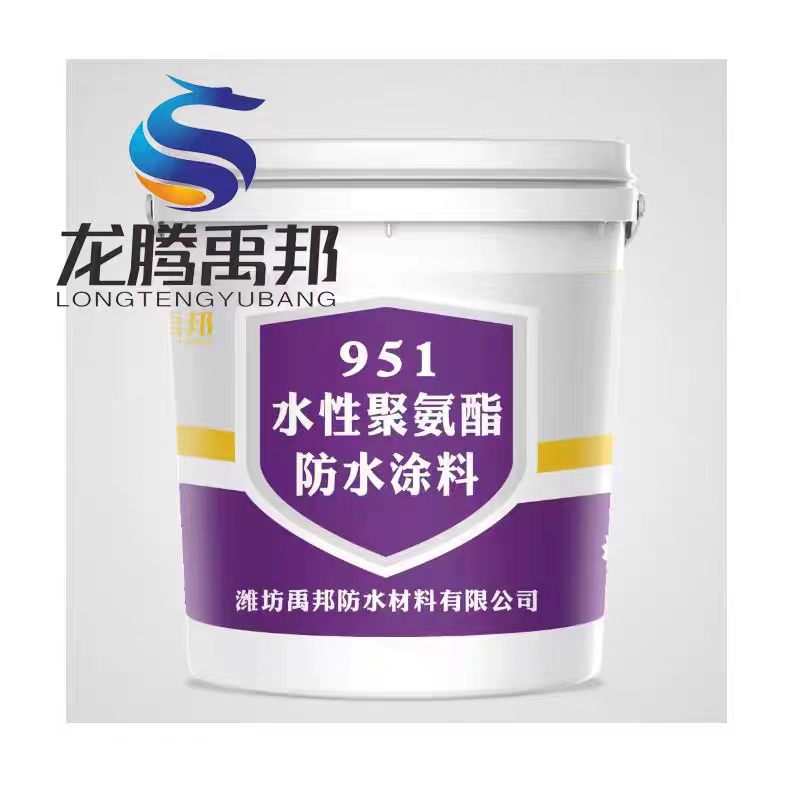
When buyers search for polyurethane waterproofing coating, they usually want one of a few things: a liquid membrane for wet rooms and roofs, a detailing product to reinforce joints alongside a waterproof membrane, or a repair coating for existing surfaces. The keyword covers both single-component and double-component systems, so clarifying which you need is the first step.
Single-component products are ready to use and simpler for smaller jobs and site crews with less mixing equipment. Double-component systems are mixed on site and are often chosen for larger areas or where a specific film build is required. Which is suitable for you depends on your application method, labor conditions, and project size, and should be confirmed with your supplier.
Common application scenarios
Polyurethane coating is chosen most often where a jointless film helps or where geometry is difficult for roll goods.
- Kitchens and bathrooms: around drains, pipe penetrations, and floor-to-wall corners.
- Roofs: flat and lightly detailed roofs, especially with parapets and upstands.
- Basements: as part of a wider system, subject to positive or negative side requirements.
- Swimming pools and irregular structures: curved or stepped surfaces where sheet membranes need many cuts.
- Joint reinforcement: used with a bitumen membrane or self-adhesive membrane to seal laps and details.
For metal roofs, exposed corrosive environments, or large tunnel and pipe corridor works, a sheet system such as an APP or SBS membrane, PVC, TPO, or EPDM membrane may be more appropriate. The right choice depends on exposure, traffic, and specification.
Buyer decision table
| Project condition | Material option | What to confirm before inquiry | Notes |
|---|---|---|---|
| Bathroom / kitchen wet area | Single or double component polyurethane coating | Area, number of coats, drain and pipe details | Often tiled over; confirm compatibility with adhesive |
| Flat roof with many upstands | Polyurethane coating, possibly with reinforcement fabric | Exposure, UV protection, expected film thickness | Exposed use may need a topcoat; confirm with supplier |
| Basement structure | Polyurethane or cement-based system | Positive or negative side, water pressure | May be combined with a membrane layer |
| Joint and lap sealing with membranes | Polyurethane coating or non-curing asphalt coating | Membrane type, joint width | Detailing use, not full-area substitute |
| Metal / color steel roof | Self-adhesive membrane for steel tiles or coating system | Substrate condition, existing coating | Adhesion to metal must be verified |
How to choose specifications
Polyurethane coating is sold by liquid volume rather than by roll, so the specification questions differ from sheet membranes. Key points to define:
- Component type: single-component (ready to use) or double-component (site mixed).
- Coverage and film build: how many coats and target thickness per square meter, which affects total quantity.
- Reinforcement: whether a fabric layer is used at corners and details.
- Surface finish and exposure: whether the film stays exposed or is covered by tiles, screed, or a protective layer.
- Packing: pail size, weight per unit, and pallet configuration.
- Quantity and destination port: total volume, container loading, and shelf life during shipping in your climate.
Because coverage depends on substrate texture and application method, always confirm consumption per square meter with the supplier before you finalize order volume.
Questions to prepare before requesting a quotation
- What is the application area in square meters, and is it roof, wet room, basement, or repair?
- Do you prefer single-component or double-component, or should the supplier advise?
- Will the coating stay exposed or be covered?
- What is the substrate: concrete, mortar, existing membrane, or metal?
- How many coats and what film thickness does your specification require?
- What packing size suits your crew and warehouse?
- What is your destination port and required delivery timing?
- Do you need matching detailing products such as reinforcement fabric or joint tape?
Common mistakes and selection risks
Buyers sometimes underestimate coverage and order too little, because coverage varies with surface roughness and the number of coats. Others apply coating over damp or contaminated substrates, which affects adhesion. Confirm surface preparation requirements before purchase.
Another common issue is using polyurethane coating in a role better suited to a sheet system, such as large exposed areas with heavy foot traffic or strong chemical exposure. In those cases a PVC, TPO, or EPDM membrane may be a better fit. Finally, do not assume a coating is UV stable when left exposed; whether a topcoat is needed should be confirmed by product data and your climate.
Getting selection support
If you are unsure which polyurethane waterproofing coating type or quantity fits your project, share your substrate, area, exposure, and destination details. Our team can help match the coating or a combined membrane-and-coating system to your specification and prepare an accurate quotation based on your real conditions.