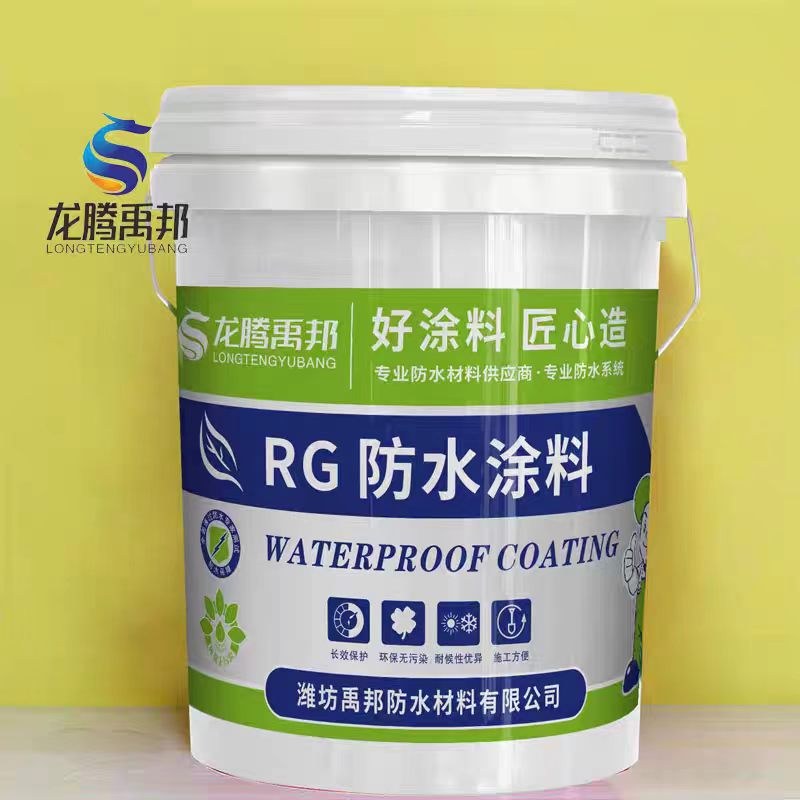
This guide is written for contractors, procurement engineers, distributors, and project buyers who are comparing liquid-applied polyurethane systems for a specific job. It focuses on the decisions you need to make before sending an inquiry, so the quotation you receive matches your substrate, climate, and application method.
Polyurethane is a common choice where a continuous, joint-free waterproofing layer is needed over complex shapes. Because it is applied wet and cures into a flexible film, it behaves differently from sheet products such as bitumen membrane, PVC, TPO, or EPDM. Understanding that difference helps you avoid ordering the wrong product family.
What buyers usually mean by "polyurethane waterproofing membrane"
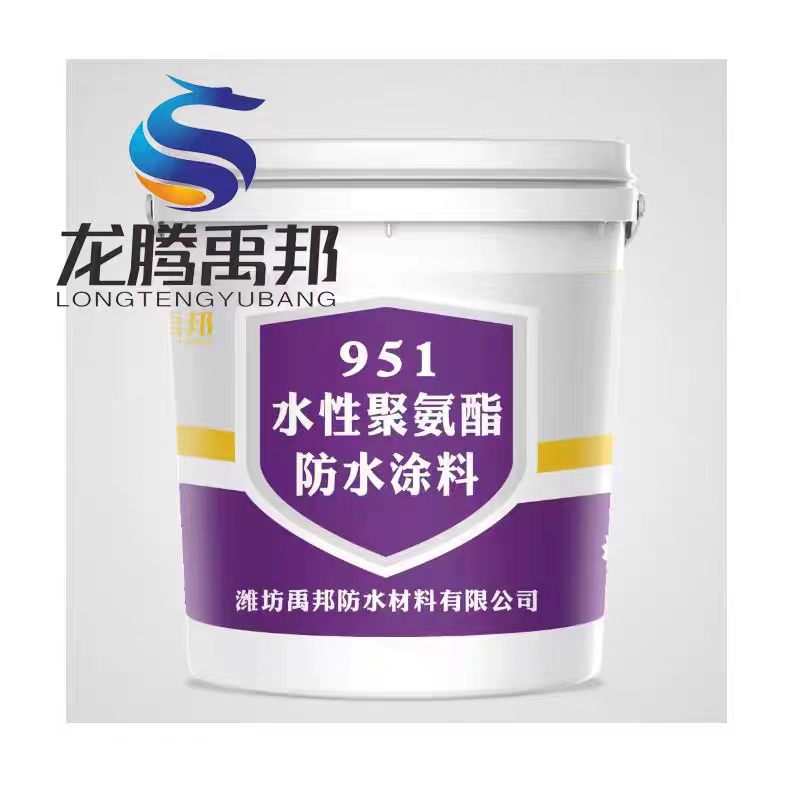
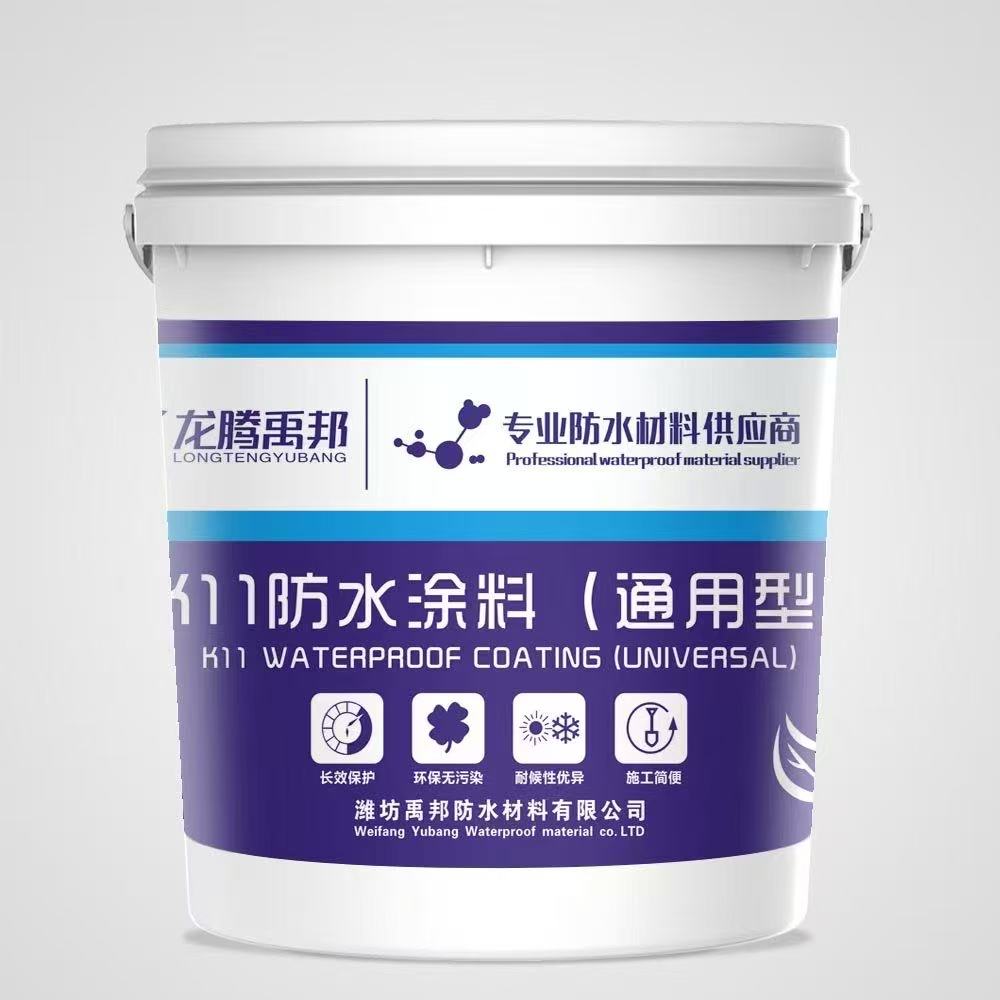
The term is used in two ways in the market. Some buyers mean a liquid-applied polyurethane waterproof coating that cures into a seamless membrane on site. Others are searching for a general flexible membrane and use the word loosely. Before quoting, a supplier normally needs to confirm which system you actually want, because a liquid polyurethane and a factory-made sheet membrane are ordered, packed, and applied in completely different ways.
If your priority is coverage over pipes, drains, corners, and irregular structures, a liquid polyurethane system is often the intent behind the search. If your priority is fast coverage of large flat roofs, a sheet membrane may suit better. Both can appear under similar search terms, so clarity early avoids mismatched offers.
Common application scenarios
Liquid-applied polyurethane systems are frequently specified for the following situations. The right choice still depends on substrate condition, exposure, and local practice.
- Bathrooms, kitchens, and balconies: where many penetrations and small areas make sheet membrane detailing difficult.
- Basements and below-grade walls: often combined with reinforcement at joints; confirm whether positive-side or negative-side application is required.
- Roofs and podiums: including areas with upstands and equipment bases where a continuous film is preferred.
- Swimming pools and water-retaining structures: where a flexible, seamless layer is needed.
- Joint reinforcement and repair: used together with membranes to seal seams, cracks, and openings.
Buyer decision table
| Project condition | Material option | What to confirm before inquiry | Notes |
|---|---|---|---|
| Wet areas with many penetrations | Single or two-component polyurethane waterproof coating | Substrate type, area size, number of pipes/corners | Good for detailing where sheets are hard to fit |
| Basement floors and walls | Polyurethane coating or pre-applied sheet membrane | Positive or negative side, water pressure, curing time | Reinforcement layers may be needed at joints |
| Large flat exposed roof | PVC, TPO, or bitumen membrane | Roof area, exposure, fixing method | Sheet products can cover open areas faster |
| Metal / color steel roof repair | Self-adhesive membrane for steel tiles or coating | Roof profile, overlap condition, temperature | Adhesion to metal must be confirmed |
| Crack and joint sealing | Non-curing asphalt coating or butyl tape with membrane | Crack width, movement, substrate | Often used alongside a main membrane |
How to choose specifications
For a liquid polyurethane system, the key variables are different from sheet membranes. Instead of roll width and length, you usually confirm consumption per square meter and the target dry film thickness, because these drive how many kilograms you need. Clarify whether you want a one-component or two-component product, since mixing, pot life, and site handling differ.
You should also confirm surface finish and topcoat needs. Some polyurethane films require a protective or UV topcoat for exposed use, while others are covered by screed or tiles. For sheet membranes such as PVC, TPO, or SBS/APP bitumen, confirm thickness, roll width and length, surface finish, and reinforcement instead.
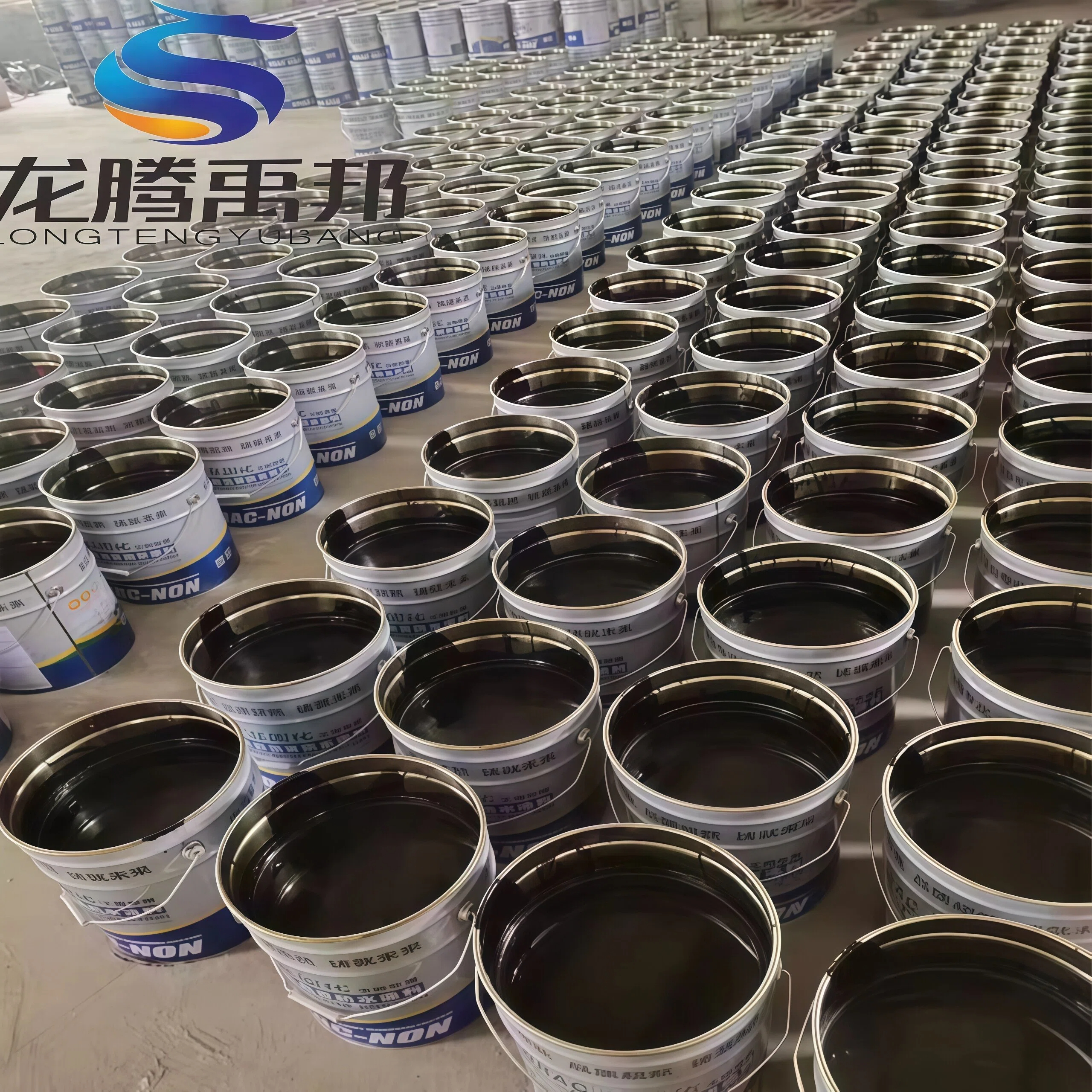
Packing and logistics matter for the quotation. Liquid products ship in pails or drums, so confirm total quantity, packing size, palletization, and destination port. For sheet membranes, confirm roll count per pallet and container loading. Ask the supplier to base film thickness and consumption on your actual substrate and local specification rather than a generic figure.
Questions to prepare before requesting a quotation
- Is this for a liquid-applied polyurethane coating or a sheet membrane?
- What is the substrate (concrete, screed, metal, existing membrane) and its condition?
- Is the surface exposed to sunlight, buried, or covered by tiles or screed?
- What is the total area, and are there many penetrations or corners?
- Do you need one-component or two-component, and what curing time suits the site?
- What target thickness or consumption per square meter does your specification require?
- What is the destination port, required packing, and total order quantity?
- Are there local standards or project approvals the product must match?
Common mistakes and selection risks
A frequent issue is ordering a liquid coating when a sheet membrane suits the job better, or the reverse. Large open roofs are often faster and more economical with sheets, while liquid systems shine on complex details. Choosing the wrong family leads to slow application or poor coverage at edges.
Another risk is ignoring surface preparation. Liquid polyurethane depends heavily on a clean, sound, and correctly primed substrate. Applying over damp or dusty surfaces can cause adhesion problems. Also confirm whether the product needs a UV-resistant topcoat before leaving it exposed, and whether the stated consumption assumes a smooth or rough substrate, since rough surfaces use more material.
Finally, do not assume all products marketed under similar names perform the same. Ask for the technical data sheet and confirm mixing ratio, curing time, and recommended thickness for your conditions rather than relying on the product name alone.
Getting the right selection support
If you are unsure whether a liquid polyurethane system or a sheet membrane fits your project, share your substrate, area, exposure, and destination port, and ask for a specification recommendation. A short technical exchange before the quotation usually prevents rework and helps match the product to your actual site conditions.