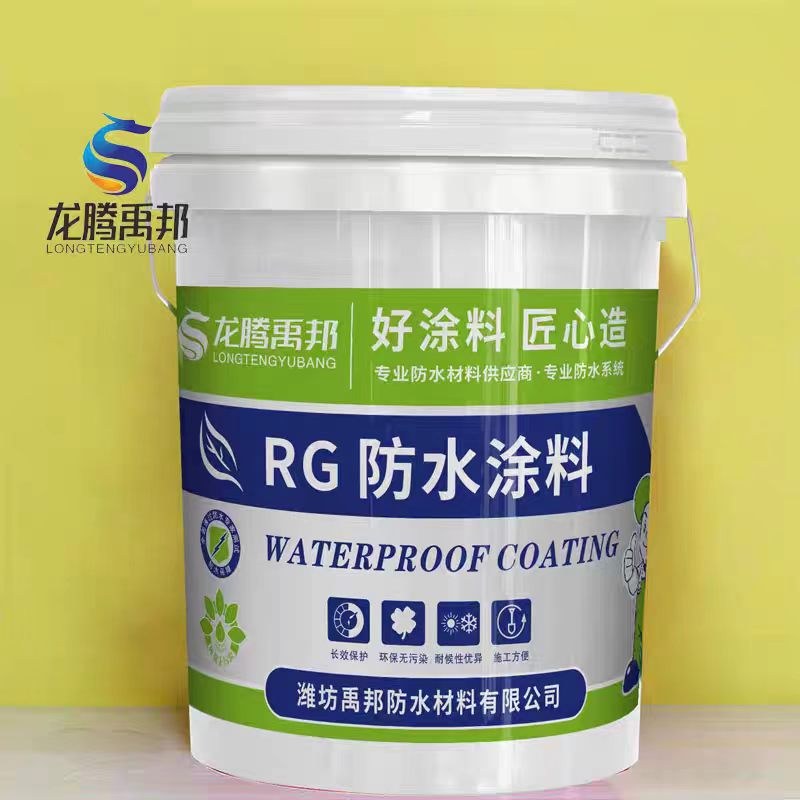
This guide is written for waterproofing contractors, procurement engineers, distributors, and project buyers who are comparing liquid-applied PU (polyurethane) systems for roofs, basements, and wet areas. If you have searched for a PU waterproofing membrane and need to decide whether a liquid polyurethane coating fits your project, or whether a sheet membrane makes more sense, this article helps you frame the decision before contacting a supplier.
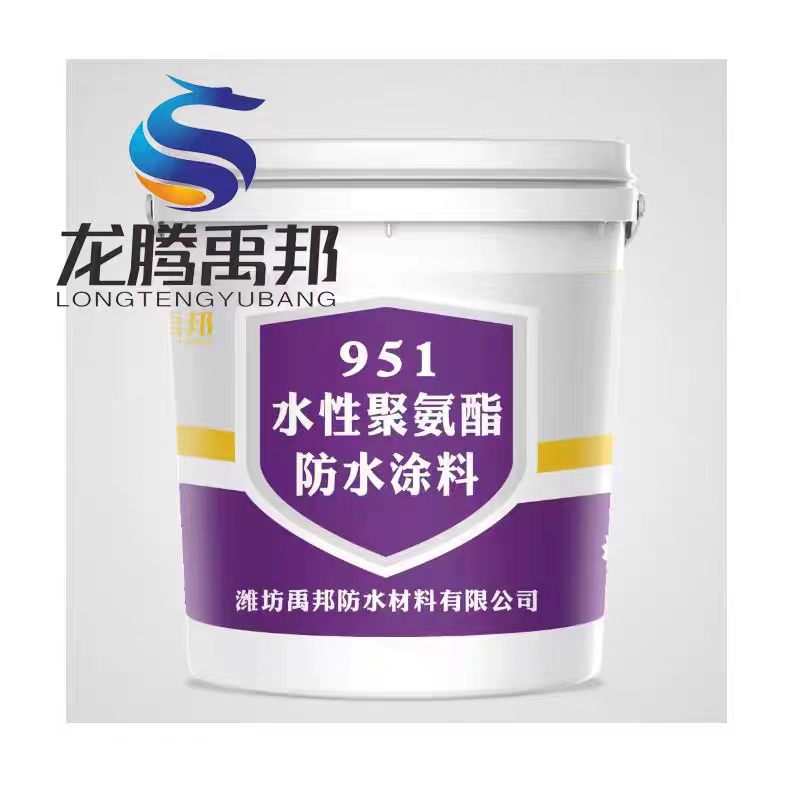
A PU waterproofing membrane is usually a liquid-applied polyurethane coating that cures into a continuous, flexible film. Because it is applied wet and forms a jointless surface, buyers often group it with sheet products even though the application logic is very different. Understanding that difference is the first step to a clean specification.
Understanding the buyer intent behind "PU waterproofing membrane"
When buyers use this keyword, they are typically looking for one of a few things: a liquid polyurethane coating for irregular or detailed structures, a flexible layer that follows movement in a substrate, or a product suitable for areas where sheet membrane overlaps are difficult to seal. Some buyers also compare PU against acrylic, JS cement-based, and bitumen membrane options for the same job.
The intent is rarely "just buy a roll." It is closer to "confirm which waterproofing method suits my substrate, climate, and installation crew." A single-component polyurethane coating and a double-component polyurethane coating can behave differently in cure time, mixing, and handling, so the right choice depends on project conditions rather than a fixed rule.
Common application scenarios
Liquid PU systems are commonly considered for surfaces where a continuous, detail-friendly waterproof coating is preferred over a self-adhesive membrane or torch-applied bitumen membrane.
- Roofing waterproofing: flat and low-slope roofs, especially those with many penetrations, upstands, and irregular shapes.
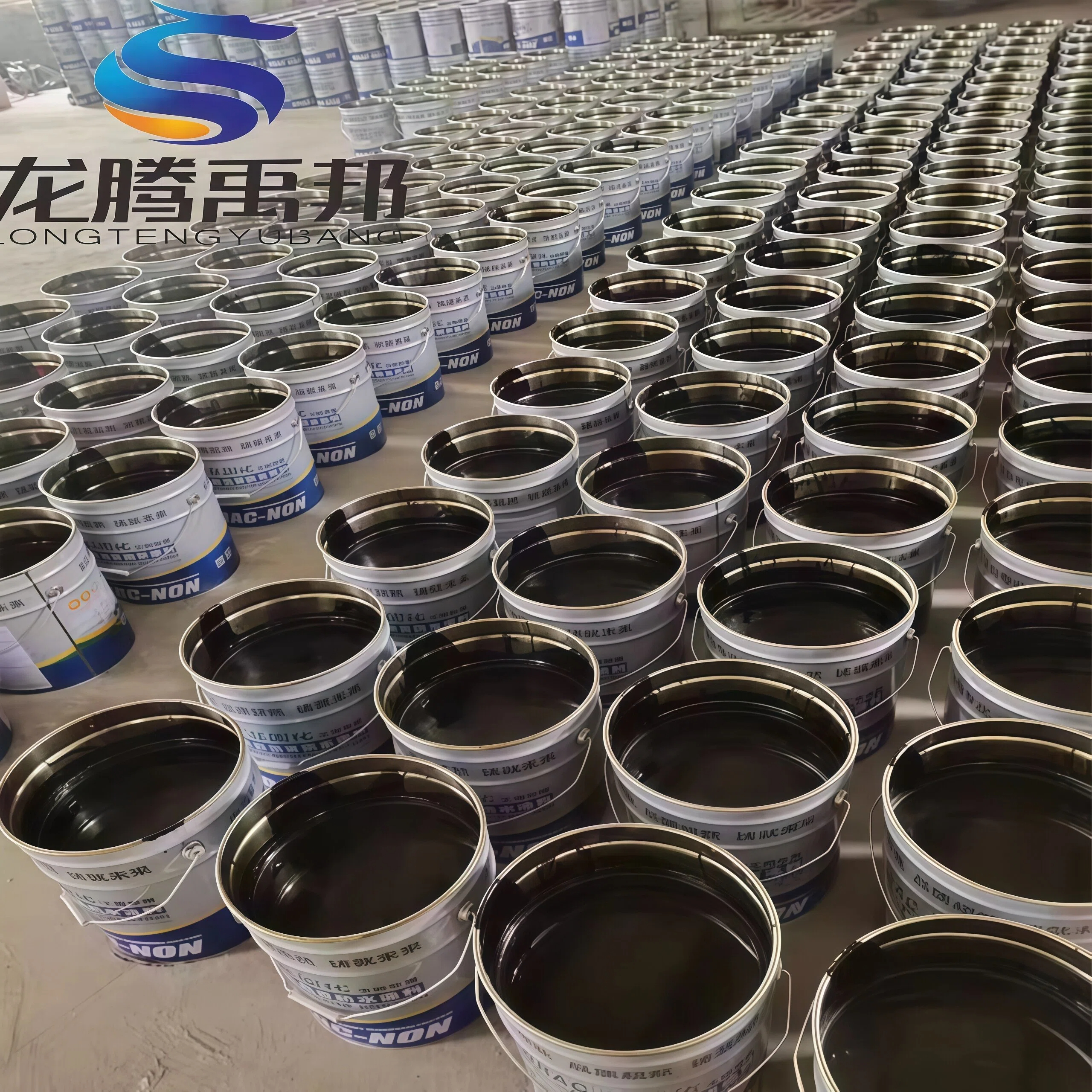
- Basement waterproofing: floors and walls where a monolithic coating and joint reinforcement are useful, often combined with sheet membrane or non-curing asphalt at critical joints.
- Kitchens, bathrooms, and balconies: wet areas with pipe penetrations, drains, and corners that are hard to cover with sheet products.
- Swimming pools and water-retaining structures: continuous surfaces where seams should be minimized.
- Repair and renovation: patching, recoating, and reinforcing older surfaces where sheet installation is impractical.
For metal roofs, exposed sheet options such as PVC, TPO, or a color-steel self-adhesive membrane may be more appropriate. For simple field areas that need fast coverage, a bitumen or SBS membrane can also be considered. The final method should be confirmed against substrate type, climate, and whether the surface is exposed.
Buyer decision table
| Project condition | Material option | What to confirm before inquiry | Notes |
|---|---|---|---|
| Irregular roof with many penetrations | Single/double component polyurethane waterproof coating | Substrate, area, dry film thickness target, exposed or covered | Continuous film suits complex details |
| Basement walls and floor | PU coating with joint reinforcement | Positive or negative side, water pressure, joint treatment | Often paired with sheet membrane or sealant |
| Kitchen, bathroom, balcony | PU coating or JS cement-based coating | Tile bonding, drain detailing, indoor ventilation | Choose based on finish and application crew |
| Large flat exposed roof field | Sheet membrane (PVC, TPO, SBS) | Slope, mechanical fixing or adhesion, UV exposure | Sheet may cover area faster than liquid |
| Localized cracks and overlaps | Butyl self-adhesive tape or non-curing asphalt | Gap width, substrate cleanliness | Used for detailing, not whole-area waterproofing |
How to choose specifications
Because a PU coating is liquid-applied, specification revolves around film build and consumption rather than roll dimensions. Still, several points should be confirmed before ordering:
- Component type: single-component (ready to use) or double-component (mixed on site) polyurethane, based on crew skill and cure requirements.
- Coverage and dry film thickness: confirm the target thickness for the application and estimate consumption per square meter accordingly.
- Reinforcement: decide whether reinforcing fabric or mesh is needed at joints, corners, and movement zones.
- Surface finish and exposure: confirm whether the coating will be exposed or protected, since exposed surfaces may need a topcoat or protection layer.
- Installation method: brush, roller, or spray, and the number of coats.
- Packing and quantity: pail size, units per pallet, and total order volume.
- Destination port and climate: shipping temperature and storage conditions can affect handling and shelf life, so confirm these for your region.
If your project mixes methods, for example a PU coating on details with a sheet membrane in the field, confirm compatibility between the products with the supplier.
Questions to prepare before requesting a quotation
- What is the substrate (concrete, screed, metal, existing membrane)?
- Is the surface exposed to sunlight, or will it be covered or tiled?
- What total area needs waterproofing, in square meters?
- Single-component or double-component PU, and do you need application guidance?
- What dry film thickness or coverage rate does your specification require?
- Do you need reinforcement fabric for joints and corners?
- What packing size and total quantity do you need?
- What is your destination port and expected delivery window?
Providing these details up front helps a supplier recommend the right product and avoid back-and-forth on unclear requirements.
Common mistakes and selection risks
A frequent issue is applying too little material, which lowers the achieved film thickness below what the project needs. Consumption should be calculated from the target thickness, not from the pail label alone. Another risk is skipping reinforcement at cracks, corners, and drains, which are common leak points.
Substrate preparation is often underestimated. A dirty, damp, or dusty surface can affect adhesion of any waterproof coating. Buyers also sometimes choose liquid PU for very large flat areas where a sheet membrane would be faster and more consistent, or choose sheet products for detailed areas where a coating would seal better. Finally, mixing incompatible products at overlaps can cause problems, so compatibility should be confirmed rather than assumed.
Conclusion
Choosing a PU waterproofing membrane is less about a single product and more about matching the method to your substrate, climate, exposure, and installation crew. If you can share your project conditions, area, thickness target, packing, and destination, we can help you narrow the options and confirm whether a polyurethane coating or a sheet membrane is the better fit. Reach out for product selection support and a specification review before you finalize your order.